
 EN
EN
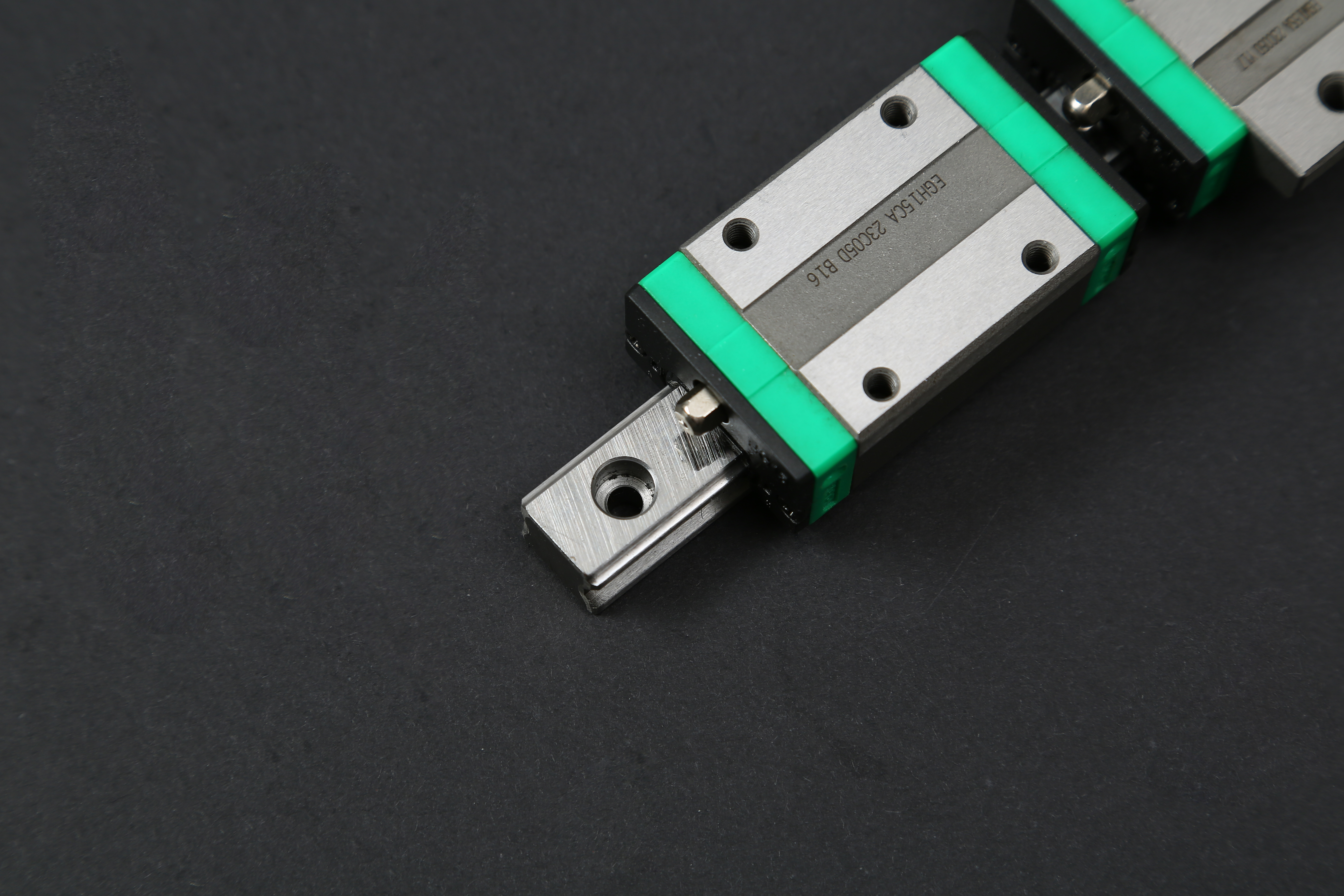
The performance of industrial machinery depends heavily on the quality and design of its fundamental components, with linear bearing systems playing a crucial role in determining overall operational efficiency. Modern manufacturing environments demand precise, reliable motion control solutions that can withstand continuous operation while maintaining accuracy and reducing maintenance requirements. Understanding how linear bearing design influences machine performance is essential for engineers, maintenance professionals, and decision-makers seeking to optimize their equipment investments and operational outcomes.
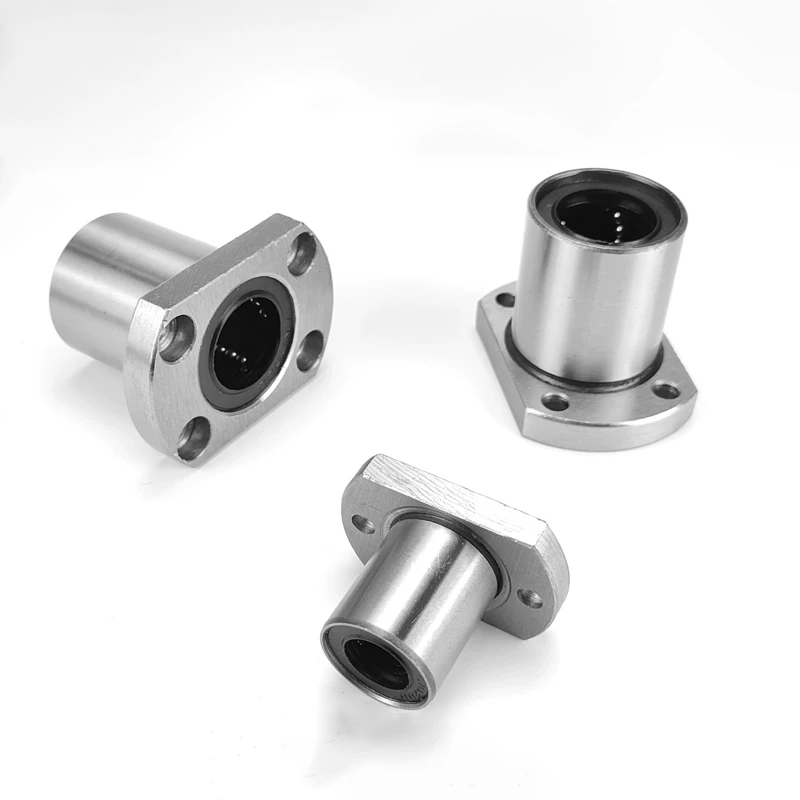
The relationship between linear bearing construction and machine performance extends beyond simple mechanical function, encompassing factors such as load capacity, friction characteristics, thermal management, and long-term durability. Each design element within a linear bearing system contributes to the overall performance envelope, creating cascading effects throughout the entire mechanical assembly. Advanced linear bearing designs incorporate sophisticated materials science, precision manufacturing techniques, and innovative sealing technologies to deliver superior performance characteristics that directly translate into improved machine reliability and productivity.
Fundamental Design Principles in Linear Bearing Systems
Load Distribution and Capacity Optimization
The effectiveness of a linear bearing depends significantly on how loads are distributed across the bearing surfaces and rolling elements. Advanced linear bearing designs utilize optimized ball arrangements and raceway geometries to maximize load-carrying capacity while minimizing stress concentrations. This distribution strategy directly impacts machine performance by enabling higher operational loads, reducing wear rates, and extending service intervals. Modern linear bearing systems employ sophisticated load distribution algorithms during the design phase to ensure optimal contact pressure across all rolling elements.
Engineers must consider both static and dynamic load requirements when selecting linear bearing configurations for specific applications. The relationship between bearing design and load capacity affects machine performance through improved stability, reduced vibration levels, and enhanced positioning accuracy. Premium linear bearing designs incorporate advanced materials and heat treatment processes that enable superior load handling capabilities while maintaining dimensional stability under varying operating conditions.
Friction Characteristics and Energy Efficiency
The friction profile of a linear bearing directly influences machine energy consumption, heat generation, and overall operational efficiency. Well-designed linear bearing systems minimize rolling and sliding friction through optimized surface finishes, advanced lubrication systems, and precision manufacturing tolerances. These design considerations translate into measurable improvements in machine performance, including reduced power requirements, lower operating temperatures, and enhanced speed capabilities.
Contemporary linear bearing designs incorporate specialized coatings and surface treatments that further reduce friction coefficients while providing enhanced corrosion resistance. The impact on machine performance includes smoother operation, reduced wear on mating components, and improved positioning repeatability. Advanced friction management in linear bearing systems contributes to overall system efficiency and helps maintain consistent performance characteristics throughout extended operating cycles.
Material Science and Manufacturing Precision
Advanced Metallurgy and Component Durability
The materials used in linear bearing construction directly affect machine performance through their influence on durability, dimensional stability, and operating temperature ranges. High-performance linear bearing designs utilize specialized steel alloys, ceramic elements, and advanced polymer components that provide superior mechanical properties compared to conventional materials. These material choices enable machines to operate at higher speeds, carry greater loads, and maintain precision over extended periods while reducing maintenance requirements and associated downtime.
Modern linear bearing manufacturing processes incorporate advanced heat treatment techniques, surface hardening procedures, and quality control measures that ensure consistent material properties throughout the bearing assembly. This consistency directly translates into predictable machine performance characteristics, reduced variability in operational parameters, and enhanced reliability across diverse operating conditions. The integration of advanced materials science in linear bearing design enables machines to achieve performance levels that were previously unattainable with conventional bearing technologies.
Precision Manufacturing and Dimensional Accuracy
The manufacturing precision of linear bearing components has a direct correlation with machine performance, particularly in applications requiring high positioning accuracy and repeatability. Advanced manufacturing techniques, including precision grinding, honing, and measurement technologies, enable linear bearing producers to achieve extremely tight tolerances that translate into superior machine performance. These manufacturing capabilities ensure that linear bearing systems maintain their specified performance characteristics throughout their operational lifetime.
Quality control processes in linear bearing manufacturing include comprehensive dimensional verification, surface finish measurement, and functional testing procedures that validate performance parameters before product release. This manufacturing precision directly benefits machine performance through improved accuracy, reduced backlash, enhanced smoothness of operation, and consistent performance across multiple bearing units within the same machine. The cumulative effect of precision manufacturing in linear bearing production creates measurable improvements in overall machine capability and operational reliability.
Sealing Technology and Environmental Protection
Contamination Prevention Systems
The design and effectiveness of sealing systems in linear bearing assemblies significantly impact machine performance by preventing contamination ingress and maintaining proper lubrication conditions. Advanced sealing technologies incorporate multiple barrier systems, specialized seal materials, and innovative geometries that provide comprehensive protection against dust, moisture, and chemical contaminants. These sealing improvements directly enhance machine performance by maintaining consistent linear bearing operation and extending service intervals.
Contemporary linear bearing sealing systems utilize advanced polymer materials and precision-molded seal profiles that provide effective contamination protection while minimizing friction and operational resistance. The impact on machine performance includes reduced maintenance requirements, consistent operational characteristics, and extended bearing life under challenging environmental conditions. Effective sealing in linear bearing design enables machines to operate reliably in harsh industrial environments where contamination would otherwise compromise performance and reliability.
Lubrication Management and Thermal Control
Integrated lubrication systems within linear bearing designs play a crucial role in maintaining optimal performance characteristics and managing thermal conditions during operation. Advanced linear bearing designs incorporate sophisticated lubrication distribution mechanisms, temperature-stable lubricants, and thermal management features that ensure consistent performance across varying operating conditions. These design elements directly contribute to machine performance through reduced friction, controlled temperature rise, and extended operational life.
The relationship between lubrication management in linear bearing design and machine performance extends to factors such as speed capability, load capacity, and operational smoothness. Modern linear bearing systems utilize advanced lubricant formulations and distribution systems that maintain optimal lubrication conditions throughout extended operating cycles. This lubrication management directly benefits machine performance by ensuring consistent motion characteristics, reducing wear rates, and maintaining precision over time.
Integration Considerations and System Optimization
Mounting and Installation Factors
The design of mounting interfaces and installation procedures for linear bearing systems significantly affects overall machine performance through their influence on alignment, preload management, and structural rigidity. Well-designed linear bearing mounting systems provide secure attachment, precise alignment capabilities, and adequate structural support that enable optimal performance characteristics. These mounting considerations directly impact machine performance through improved stability, reduced vibration transmission, and enhanced positioning accuracy.
Advanced linear bearing designs incorporate standardized mounting interfaces, alignment features, and installation guidelines that facilitate proper system integration and optimization. The quality of integration between linear bearing systems and machine structures affects performance parameters such as dynamic response, thermal stability, and long-term accuracy retention. Proper mounting and installation of linear bearing systems enables machines to achieve their designed performance specifications while minimizing installation time and complexity.
Maintenance Accessibility and Service Requirements
The design of linear bearing systems must accommodate maintenance requirements and service accessibility to ensure sustained machine performance throughout the operational lifecycle. Advanced linear bearing designs incorporate features such as accessible lubrication points, inspection capabilities, and modular replacement options that facilitate efficient maintenance procedures. These design considerations directly support machine performance by enabling proactive maintenance, reducing downtime, and maintaining consistent operational characteristics.
The relationship between linear bearing serviceability and machine performance encompasses factors such as maintenance scheduling, replacement procedures, and performance monitoring capabilities. Modern linear bearing systems provide clear maintenance guidelines, performance indicators, and replacement criteria that help operators maintain optimal machine performance. Effective maintenance design in linear bearing systems enables predictive maintenance strategies and helps prevent performance degradation that could affect overall machine productivity.
Performance Monitoring and Optimization Strategies
Diagnostic Capabilities and Condition Monitoring
Contemporary linear bearing designs increasingly incorporate diagnostic capabilities and condition monitoring features that enable proactive performance management and optimization. These monitoring systems provide real-time feedback on bearing performance parameters, enabling operators to identify potential issues before they affect machine performance. Advanced linear bearing systems utilize embedded sensors, wireless communication capabilities, and data analytics to provide comprehensive performance insights.
The integration of condition monitoring capabilities in linear bearing design directly benefits machine performance through early problem detection, predictive maintenance scheduling, and performance optimization opportunities. Modern monitoring systems track parameters such as temperature, vibration, load distribution, and lubrication conditions to provide comprehensive bearing health information. This monitoring capability enables operators to maintain peak machine performance while minimizing unexpected failures and associated downtime.
Performance Optimization Through Data Analytics
The application of data analytics and performance optimization algorithms to linear bearing systems enables continuous improvement in machine performance characteristics. Advanced linear bearing designs provide comprehensive data collection capabilities that support performance analysis, trend identification, and optimization strategy development. This data-driven approach to linear bearing performance management directly contributes to improved machine efficiency, reduced operating costs, and enhanced reliability.
Modern linear bearing systems generate detailed performance data that can be analyzed to identify optimization opportunities and performance enhancement strategies. The relationship between data analytics and machine performance improvement includes factors such as operating parameter optimization, maintenance schedule refinement, and performance benchmark establishment. Effective utilization of performance data from linear bearing systems enables operators to achieve superior machine performance while minimizing operational costs and maximizing productivity.
FAQ
How does linear bearing design impact machine accuracy and repeatability?
Linear bearing design directly affects machine accuracy through factors such as manufacturing precision, load distribution, and thermal stability. High-quality linear bearing systems utilize advanced manufacturing techniques to achieve tight tolerances, optimized raceway geometries for consistent load distribution, and materials with excellent thermal stability. These design elements combine to provide superior positioning accuracy, minimal backlash, and excellent repeatability performance. The cumulative effect of these design considerations enables machines to achieve and maintain precise positioning requirements throughout extended operating cycles.
What role does sealing technology play in linear bearing performance?
Sealing technology in linear bearing design plays a critical role in maintaining consistent performance by preventing contamination ingress and preserving lubrication conditions. Advanced sealing systems utilize multiple barrier technologies, specialized seal materials, and precision-engineered geometries to provide comprehensive protection against environmental contaminants. Effective sealing directly benefits machine performance by maintaining smooth operation, extending service intervals, and ensuring consistent performance characteristics even in challenging operating environments. Poor sealing can lead to premature bearing failure, increased friction, and degraded machine performance.
How do material choices in linear bearing construction affect overall machine performance?
Material selection in linear bearing construction significantly impacts machine performance through influences on durability, load capacity, temperature resistance, and corrosion protection. Advanced linear bearing designs utilize high-performance steel alloys, ceramic rolling elements, and specialized coatings that provide superior mechanical properties compared to conventional materials. These material choices enable machines to operate at higher speeds, carry greater loads, and maintain precision over extended periods. The selection of appropriate materials for specific operating conditions directly translates into improved reliability, reduced maintenance requirements, and enhanced overall machine productivity.
What maintenance considerations should be evaluated when selecting linear bearing systems for machine applications?
Maintenance considerations for linear bearing systems include accessibility for lubrication, inspection capabilities, replacement procedures, and service interval requirements. Well-designed linear bearing systems provide convenient access to lubrication points, clear visual inspection opportunities, and modular replacement options that minimize maintenance time and complexity. The maintenance design directly affects machine performance by enabling proactive service procedures, reducing downtime, and maintaining consistent operational characteristics. Effective maintenance design in linear bearing systems supports predictive maintenance strategies and helps ensure sustained machine performance throughout the operational lifecycle.
Table of Contents
- Fundamental Design Principles in Linear Bearing Systems
- Material Science and Manufacturing Precision
- Sealing Technology and Environmental Protection
- Integration Considerations and System Optimization
- Performance Monitoring and Optimization Strategies
-
FAQ
- How does linear bearing design impact machine accuracy and repeatability?
- What role does sealing technology play in linear bearing performance?
- How do material choices in linear bearing construction affect overall machine performance?
- What maintenance considerations should be evaluated when selecting linear bearing systems for machine applications?