
 EN
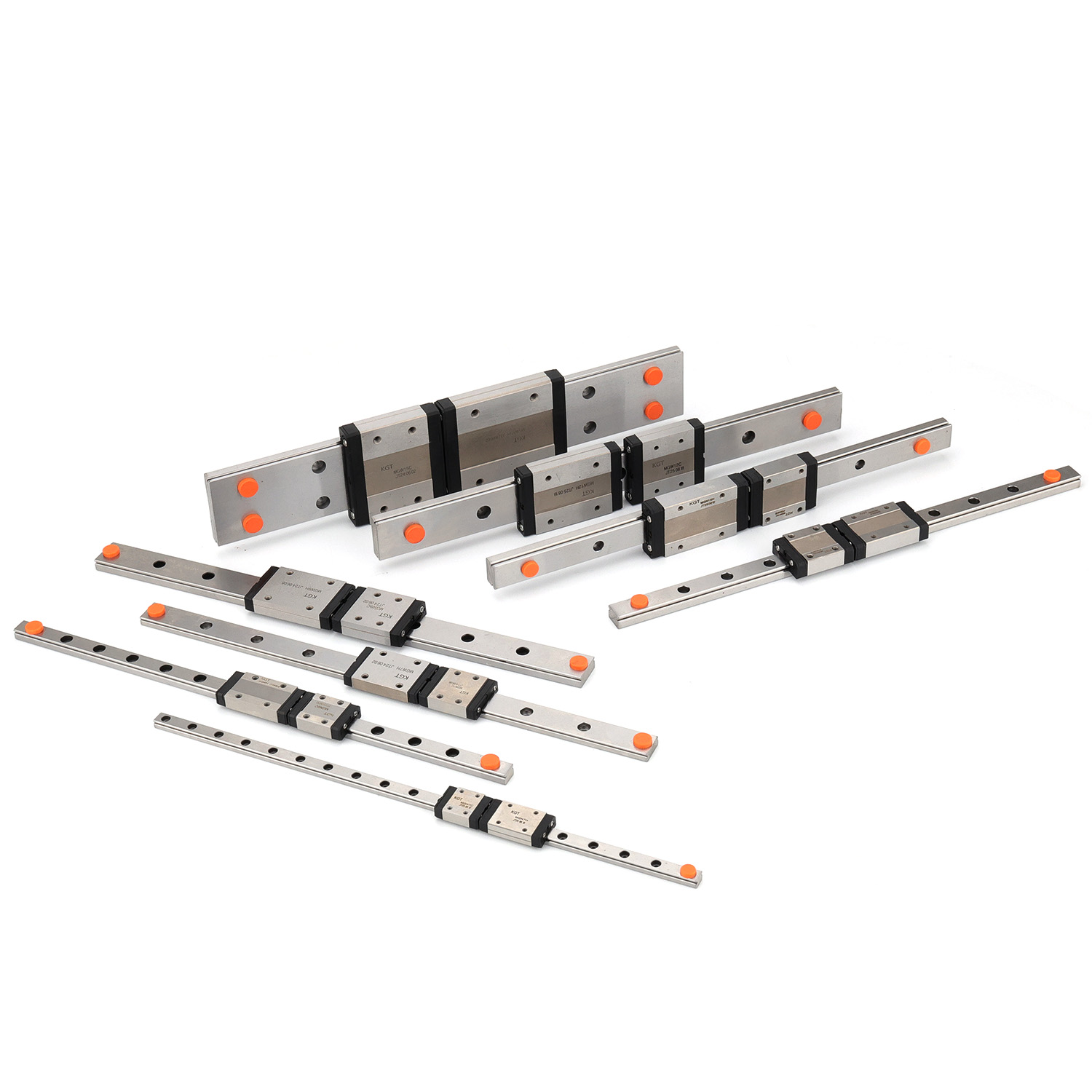
Modern manufacturing and design demand unprecedented levels of precision, efficiency, and reliability. The integration of advanced motion systems has become fundamental to achieving these goals across industries ranging from automation to robotics and precision machinery. A linear slide rail represents one of the most transformative technologies in contemporary design, enabling engineers and manufacturers to create systems that operate with exceptional accuracy while maintaining durability under demanding conditions. Understanding how a linear slide rail impacts modern design is essential for anyone involved in industrial engineering, product development, or manufacturing optimization.
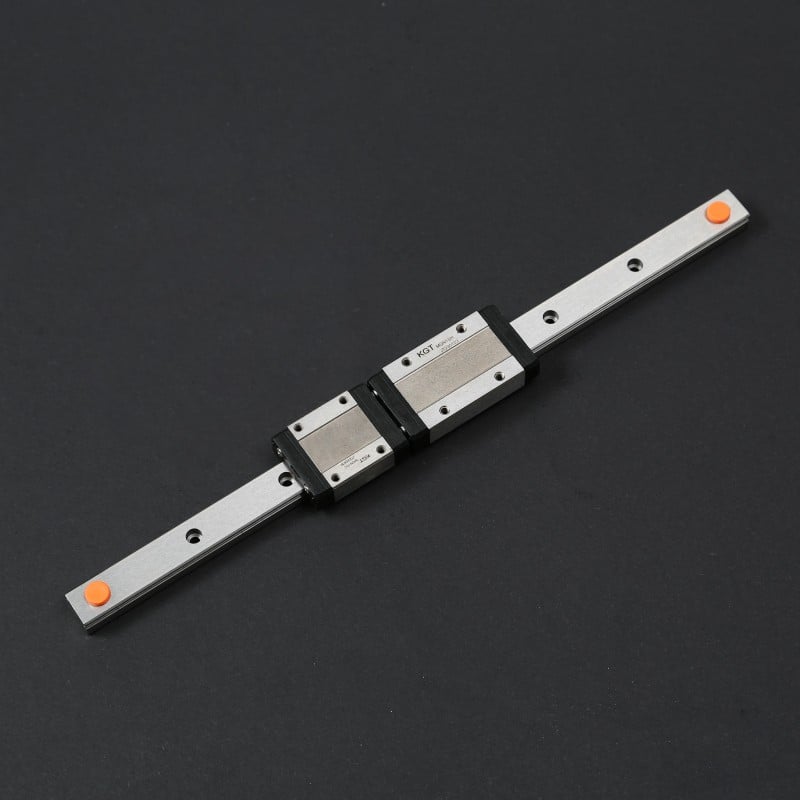
The impact of linear slide rail systems extends far beyond simple mechanical movement. These precision components fundamentally reshape how designers approach motion control, system architecture, and performance optimization. By providing smooth, repeatable linear motion with minimal friction and wear, a linear slide rail enables manufacturers to push the boundaries of what's possible in automated equipment, machine tools, and assembly systems. The technology has become indispensable in sectors where precision, speed, and long-term reliability directly influence product quality and operational costs.
How Linear Slide Rail Systems Transform Precision Engineering
Core Advantages of Linear Slide Rail Integration
The adoption of a linear slide rail in modern design delivers multiple interconnected benefits that enhance overall system performance. First, these systems eliminate the friction and inconsistency associated with traditional bearing solutions, resulting in smoother operation and more predictable motion characteristics. A linear slide rail provides load-carrying capacity across multiple directions simultaneously, which simplifies structural design and reduces the need for supplementary support mechanisms. Engineers working with a linear slide rail find that system complexity decreases while reliability increases, creating a compelling value proposition for demanding applications.
Precision repeatability represents another critical advantage that a linear slide rail delivers. In applications where components must return to identical positions thousands or millions of times, a linear slide rail maintains positioning accuracy within microns, far exceeding the performance of conventional sliding surfaces. This exceptional repeatability directly translates to improved product quality, reduced scrap rates, and extended maintenance intervals. Industries leveraging a linear slide rail technology experience measurable improvements in throughput and operational efficiency that compound significantly over time.
Design Flexibility and Space Optimization
Implementing a linear slide rail fundamentally alters how engineers approach spatial constraints and structural design. Unlike older motion technologies requiring substantial supporting frameworks, a linear slide rail operates with compact cross-sections that allow designers to reduce overall machine footprint while increasing load capacity. This spatial efficiency proves particularly valuable in automated assembly systems, CNC machinery, and precision inspection equipment where floor space commands premium pricing. The inherent strength of a linear slide rail profile enables vertical, horizontal, and angled installations without sacrificing performance, granting designers unprecedented flexibility in system configuration.
The modularity of linear slide rail systems further enhances design adaptability. Manufacturers can standardize on a linear slide rail architecture and quickly configure systems for diverse applications by adjusting carriage load ratings, stroke lengths, and bearing density. This standardization reduces engineering cycles, accelerates time-to-market, and simplifies supply chain management. Organizations that adopt a linear slide rail platform strategy consistently report faster product iterations and lower development costs compared to competitors using fragmented motion control approaches.
Operational Performance and Maintenance Implications
Durability and Extended Service Life
The mechanical robustness of a linear slide rail directly impacts total cost of ownership across industrial applications. These systems withstand substantial loads, high cycling rates, and contaminated environments while maintaining performance specifications. A linear slide rail constructed from hardened steel components exhibits exceptional wear resistance, enabling thousands of operational hours between maintenance interventions. The sealed designs available in modern linear slide rail products protect internal rolling elements from dust, moisture, and chemical exposure, critical factors in food processing, pharmaceutical manufacturing, and harsh outdoor applications.
Maintenance requirements for a linear slide rail system remain minimal compared to alternative motion technologies. Periodic lubrication using appropriate greases keeps the system operating at peak efficiency, while robust bearing seals extend intervals between service events. Many industrial facilities have transformed their maintenance strategies by transitioning to a linear slide rail infrastructure, shifting from reactive equipment replacement toward predictable, preventative maintenance schedules. This operational transformation reduces unexpected downtime and enables more effective workforce planning and resource allocation across manufacturing operations.
Speed, Acceleration, and Dynamic Performance
Modern manufacturing increasingly demands rapid motion and dynamic responsiveness, requirements that a linear slide rail readily satisfies. These systems support exceptionally high velocities while maintaining smooth acceleration profiles that protect product integrity and equipment longevity. A linear slide rail accommodates rapid direction changes and positional oscillations without introducing vibration or mechanical instability that could compromise system performance or product quality. This dynamic capability enables manufacturers to operate equipment at higher throughputs while maintaining the stringent precision tolerances that modern production demands.
The smooth motion profile delivered by a linear slide rail translates directly into improved product handling characteristics, particularly critical in applications involving delicate or precision components. Reduced acceleration forces minimize shock loads on work-piece fixtures and sensitive assemblies, improving final product quality while extending equipment service life. Engineers designing systems around a linear slide rail technology can confidently specify faster operating speeds and shorter cycle times than comparable solutions built on older bearing technologies, directly contributing to competitive advantages in cost-sensitive industries.
Industry Applications and Strategic Design Considerations
Cross-Industry Adoption and Success Patterns
The transformative impact of linear slide rail technology manifests across diverse industrial sectors with consistently superior performance outcomes. Automotive manufacturing plants leverage a linear slide rail for robotic arms, transfer equipment, and precision machining operations where repeatability and speed directly influence production metrics. Medical device manufacturers depend on a linear slide rail for positioning systems that must meet strict sterility and precision requirements. Electronics assembly operations utilize a linear slide rail in pick-and-place equipment, inspection systems, and component transfer mechanisms where speed and accuracy directly correlate with profitability.
Packaging machinery represents another critical application domain where a linear slide rail technology drives innovation and competitive differentiation. These systems require coordinated multi-axis motion, rapid cycling, and reliable operation in high-volume production environments. A linear slide rail delivers the combination of speed, precision, and durability that packaging equipment demands, enabling manufacturers to achieve higher line speeds while improving product consistency. Food processing facilities, pharmaceutical packaging operations, and cosmetics manufacturers all recognize the strategic value that upgrading to a linear slide rail infrastructure brings to their competitive positioning.
Future-Oriented Design and Technology Integration
As industrial operations increasingly adopt digital monitoring and predictive maintenance strategies, a linear slide rail integrates seamlessly into smart manufacturing ecosystems. Sensors can easily mount on linear slide rail systems to track motion parameters, loads, and operating conditions in real time. This instrumentation capability enables manufacturers to implement condition-based maintenance, optimize equipment utilization, and predict failures before they occur. The inherent precision and consistency of a linear slide rail platform facilitates integration with advanced control systems, machine learning algorithms, and autonomous decision-making infrastructure.
Sustainability considerations increasingly influence equipment selection in modern manufacturing, and a linear slide rail technology aligns perfectly with environmental objectives. The high efficiency of these systems reduces energy consumption compared to alternative motion technologies, while exceptional durability extends equipment service life and reduces material waste. Manufacturers implementing a linear slide rail infrastructure report measurable reductions in power consumption, maintenance waste, and premature equipment replacement cycles. This convergence of operational excellence with environmental responsibility positions linear slide rail technology as strategically important for organizations pursuing sustainable competitive advantages in increasingly regulated markets.
FAQ
What makes a linear slide rail superior to traditional sliding bearings?
A linear slide rail outperforms traditional sliding bearings through multiple mechanisms. Rolling elements reduce friction dramatically compared to sliding contact surfaces, enabling smoother, faster motion with less energy consumption. A linear slide rail maintains consistent performance characteristics across millions of operating cycles, while sliding bearings degrade progressively as surfaces wear. The sealed design of a linear slide rail protects internal components from contamination, critical for reliable operation in industrial environments where dust and moisture pose constant challenges to equipment longevity.
How does a linear slide rail impact automation system design timelines?
Implementing a linear slide rail substantially accelerates automation system development because these standardized components integrate predictably with control systems and mechanical frameworks. Engineers can leverage extensive performance data and proven design practices when specifying a linear slide rail for specific applications, reducing analysis time and engineering iterations required before implementation. The modular nature of a linear slide rail architecture enables parallel development of system components, further compressing overall project timelines. Organizations standardizing on a linear slide rail platform achieve consistent reductions in design-to-deployment cycles compared to companies using fragmented or proprietary motion technologies.
What maintenance practices optimize linear slide rail performance over time?
Proper maintenance of a linear slide rail begins with appropriate lubrication using manufacturer-specified greases that provide protection without attracting dust or degrading performance. Regular inspection of linear slide rail systems should include visual checks for contamination, verification of smooth motion without binding or grinding sounds, and periodic cleaning of external surfaces. Most industrial facilities schedule preventative maintenance for a linear slide rail on extended intervals measured in years rather than months, reflecting the exceptional durability these systems deliver when properly maintained. Following these straightforward practices ensures that a linear slide rail continues delivering precision performance throughout its service life.