
 EN
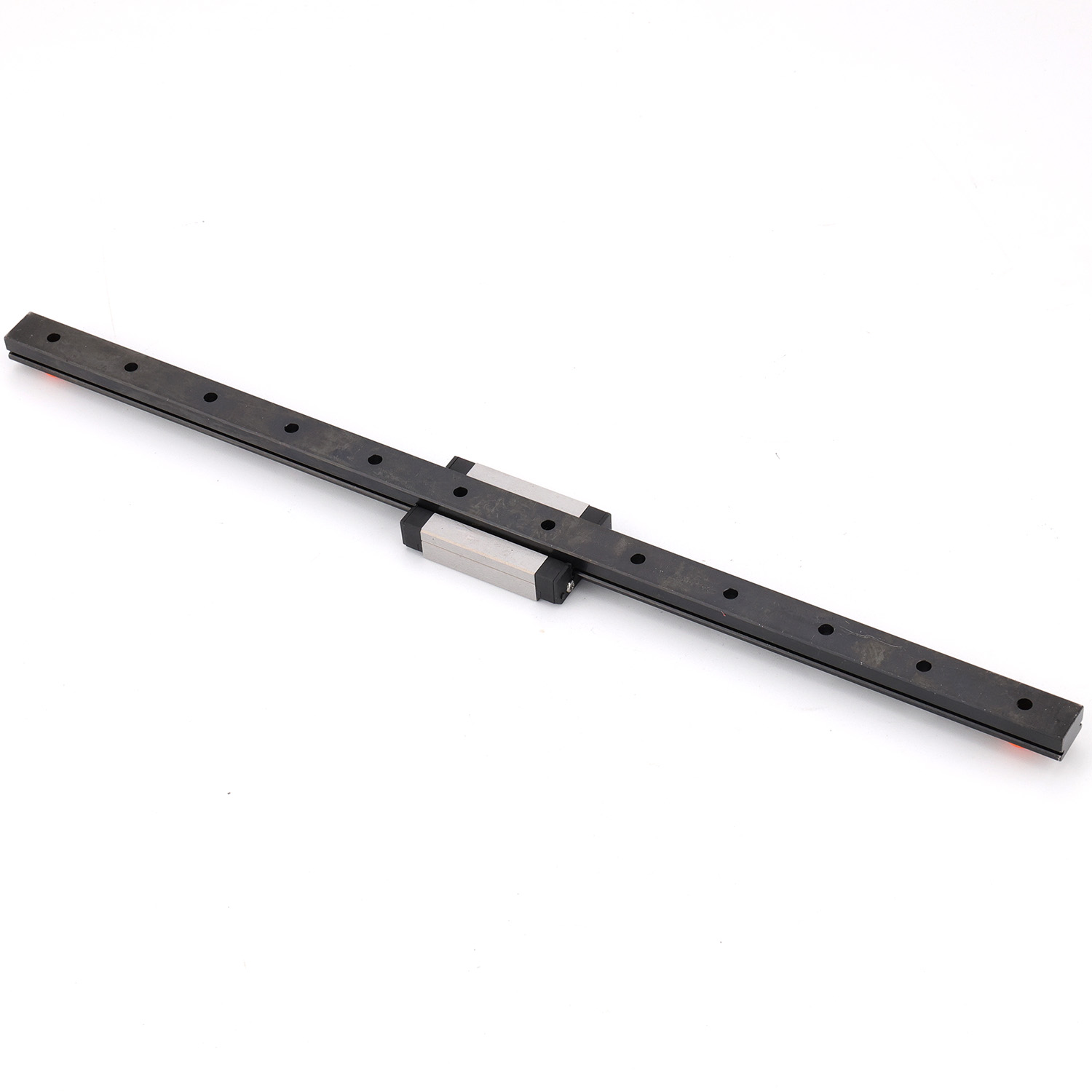
Industrial motion control depends on precision components that enable smooth, accurate movement across countless manufacturing and automation applications. The slide rail represents one of the most critical foundations in modern mechanical systems, delivering the controlled linear motion that drives productivity and reliability across factories, assembly lines, and specialized equipment worldwide. Understanding what slide rail systems accomplish and how they function is essential for engineers, facility managers, and procurement professionals who need to select the right motion control solutions for their operational demands.
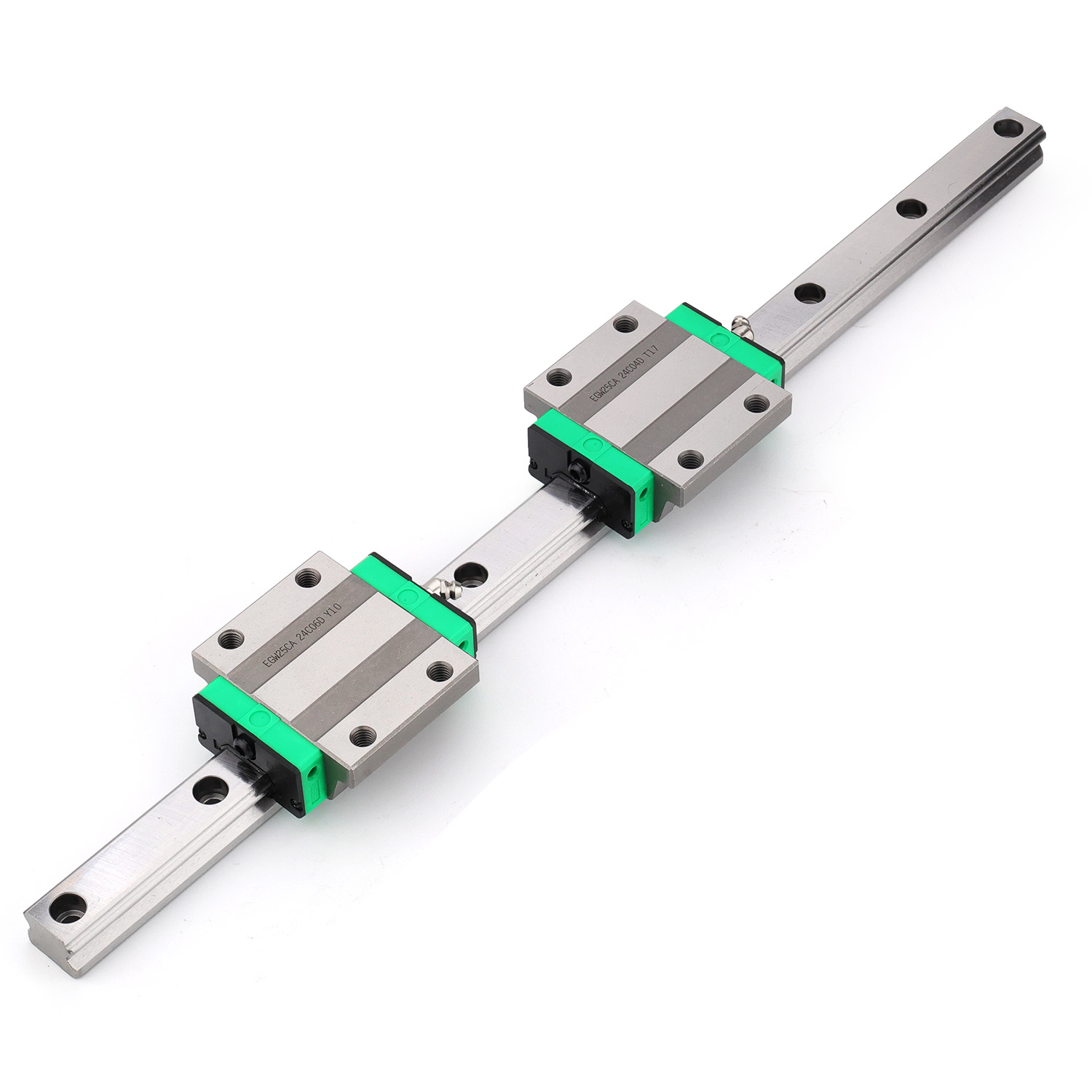
A slide rail system combines linear bearings with precise rail guidance to create smooth, repeatable motion that maintains tight tolerances over millions of cycles. These systems transfer loads horizontally, vertically, or at angles while preserving dimensional accuracy and minimizing friction losses that waste energy and accelerate component wear. In 2026, the demand for efficient slide rail technology continues to grow as manufacturers pursue higher speeds, greater precision, and longer service intervals across production environments.
Core Functions of Slide Rail Systems
Enabling Precise Linear Motion
The fundamental purpose of a slide rail is to guide moving components along a fixed path with minimal deviation. Linear bearings mounted on the slide rail support loads while allowing smooth travel, converting rotational input into controlled linear movement. When a slide rail maintains tight tolerances throughout its design life, equipment achieves repeatability that directly improves product quality and reduces scrap rates in manufacturing processes.
Different slide rail designs accommodate varying load capacities, speed requirements, and environmental conditions. Heavy-duty slide rail configurations support larger payloads in stamping and forming operations, while precision slide rail systems maintain micrometers of accuracy in semiconductor fabrication and optical assembly. The choice of slide rail type directly influences production output, component longevity, and maintenance costs over the system's operational lifetime.
Reducing Friction and Energy Consumption
Every slide rail with properly selected linear bearings minimizes resistance during motion, which reduces the power required to move loads and lessens heat generation inside equipment. Lower friction in a slide rail means smaller motors, reduced electrical consumption, and less thermal stress on surrounding components. In high-speed applications where equipment runs continuously, the energy savings from an optimized slide rail system accumulate substantially over months and years of operation.
Modern slide rail systems use advanced materials and bearing geometries that maintain low friction coefficients even under demanding conditions. Industrial facilities that upgrade to high-efficiency slide rail technology often see measurable reductions in their manufacturing energy footprint while achieving faster cycle times and improved equipment reliability.
Industrial Applications and Use Cases
Automation and Assembly Equipment
Robotic arms, gantry systems, and pick-and-place machines all depend on precision slide rail guidance to position parts accurately during assembly operations. The slide rail enables these automated systems to repeat complex motion sequences thousands of times daily with consistent precision that human operators cannot match. Electronics manufacturers, automotive suppliers, and appliance producers rely extensively on slide rail equipped automation to achieve production volumes and quality standards that define modern manufacturing competitiveness.
In packaging machinery, slide rail systems move products along fixed paths through filling, sealing, and labeling stations at speeds often exceeding one hundred cycles per minute. The repeatability and reliability of a well-designed slide rail directly determine whether a packaging line meets throughput targets and maintains product presentation standards.
CNC Machining and Precision Manufacturing
Computer numerically controlled machine tools position cutting tools and workpieces using slide rail systems that translate stepper motor or servo motor commands into precise physical movement. The slide rail in a CNC machine must maintain accuracy across thousands of positioning cycles while managing cutting forces and thermal expansion without introducing play or backlash. Industries producing aerospace components, medical devices, and precision optics depend on slide rail systems that deliver tolerances measured in tenths of a millimeter or smaller.
When a slide rail begins to show wear, the accumulated loss of precision in a CNC machine can render expensive components scrap. Preventive maintenance and timely replacement of slide rail systems protects both equipment investment and the reliability of downstream production quality.
Medical and Laboratory Equipment
Diagnostic imaging systems, laboratory analyzers, and surgical robots all incorporate slide rail technology to ensure the precise sample handling and instrument positioning that accurate test results demand. Medical equipment designers select slide rail systems that meet stringent cleanliness, biocompatibility, and reliability requirements while operating in controlled laboratory environments. The integrity of diagnostic results often depends directly on whether the underlying slide rail maintains its specified precision and repeatability.
Performance Advantages and Operational Benefits
Extended Equipment Service Life
A properly selected and maintained slide rail system reduces mechanical stress on surrounding components by providing smooth, controlled motion that eliminates jerky movements and impact loads. When a slide rail distributes forces evenly across its design parameters, bearings, shafts, and motors experience lower peak stresses and operate closer to their design specifications. This protection extends the useful life of the entire equipment system and delays costly replacement or major overhaul interventions.
Facilities that invest in quality slide rail components and implement routine lubrication and inspection protocols typically achieve significantly longer intervals between maintenance events compared to operations using inferior motion control solutions. The cost of a premium slide rail represents a small fraction of the replacement expense when entire production equipment fails prematurely due to inadequate motion control.
Improved Productivity and Throughput
Equipment equipped with responsive slide rail systems capable of high-speed operation and rapid acceleration can complete more production cycles within a fixed time window. As manufacturers compete on efficiency and output volume, the selection of slide rail technology that balances speed, precision, and durability becomes a strategic operational decision. A slide rail that enables faster cycle times while maintaining quality consistency directly contributes to competitive advantage and improved profitability.
The cumulative productivity gains across an entire facility with multiple pieces of slide rail equipped machinery compound over months and years, representing measurable contributions to corporate financial performance and market competitiveness.
Reliability and Reduced Downtime
When a slide rail functions reliably without unexpected failures, production schedules remain predictable and customer delivery commitments can be met consistently. Unreliable motion control systems force unscheduled maintenance shutdowns that disrupt production flow, increase per-unit manufacturing costs, and damage customer relationships. Selecting robust slide rail designs and maintaining them properly represents insurance against disruptive downtime and the financial consequences that accompany equipment failures in manufacturing environments.
Selecting and Maintaining Slide Rail Systems
Matching Slide Rail Specifications to Operating Requirements
Engineers must carefully evaluate load magnitude, speed requirements, travel distance, and environmental conditions when specifying a slide rail system for a particular application. The slide rail that performs excellently in a climate-controlled clean room might prove inadequate in a dusty, vibration-prone industrial floor environment. Conversely, over-specifying slide rail capacity beyond actual operating demands increases costs unnecessarily and may reduce responsiveness in precision positioning tasks.
Reputable slide rail manufacturers provide technical selection guides and can engage in collaborative specification development to ensure that the chosen motion control solution aligns precisely with customer application requirements. Proper specification prevents costly equipment redesigns and ensures that purchased slide rail systems deliver intended performance throughout their operational service life.
Lubrication and Preventive Maintenance
Even the finest quality slide rail system requires appropriate lubrication to minimize friction, prevent corrosion, and maintain precise motion characteristics over extended operation. Industrial facilities should establish routine maintenance schedules that include periodic lubrication, inspection for contamination, and visual assessment of bearing condition. When a slide rail shows signs of degraded performance such as roughness, increased resistance, or visible wear, prompt intervention prevents complete failure and protects downstream equipment.
Facilities that treat slide rail maintenance as a serious operational priority typically experience far fewer unexpected equipment failures and enjoy substantially lower total cost of ownership compared to organizations that neglect preventive care until catastrophic failure forces expensive emergency repair or replacement.
FAQ
What distinguishes a high-quality slide rail from a lower-grade alternative?
Premium slide rail systems incorporate superior materials, tighter manufacturing tolerances, advanced bearing geometries, and more rigorous quality testing than budget alternatives. A quality slide rail maintains accuracy longer, operates more smoothly, and resists contamination better than inferior products. The upfront cost difference usually proves negligible compared to the superior performance and extended service life delivered by quality slide rail products in demanding industrial applications.
How does a slide rail handle temperature changes in manufacturing environments?
Precision slide rail systems expand and contract with temperature fluctuations, which can gradually reduce positional accuracy if not properly designed. High-performance slide rail designs use thermally stable materials, appropriate clearance specifications, and sometimes active temperature compensation to maintain consistent performance across varying environmental conditions. Facilities operating slide rail equipment in environments with significant temperature swings should confirm that their selected slide rail system includes suitable thermal compensation features.
Can an existing slide rail system be retrofitted with improved linear bearings for better performance?
In many cases, upgrading to slide rail systems with advanced linear bearing designs can restore performance to aging equipment or enhance capabilities beyond original specifications. However, compatibility considerations between the existing rail geometry and new bearing designs must be carefully evaluated before retrofit implementation. Consulting with bearing and slide rail experts ensures that retrofit modifications will deliver intended improvements without introducing unexpected complications or equipment damage.