 EN
EN
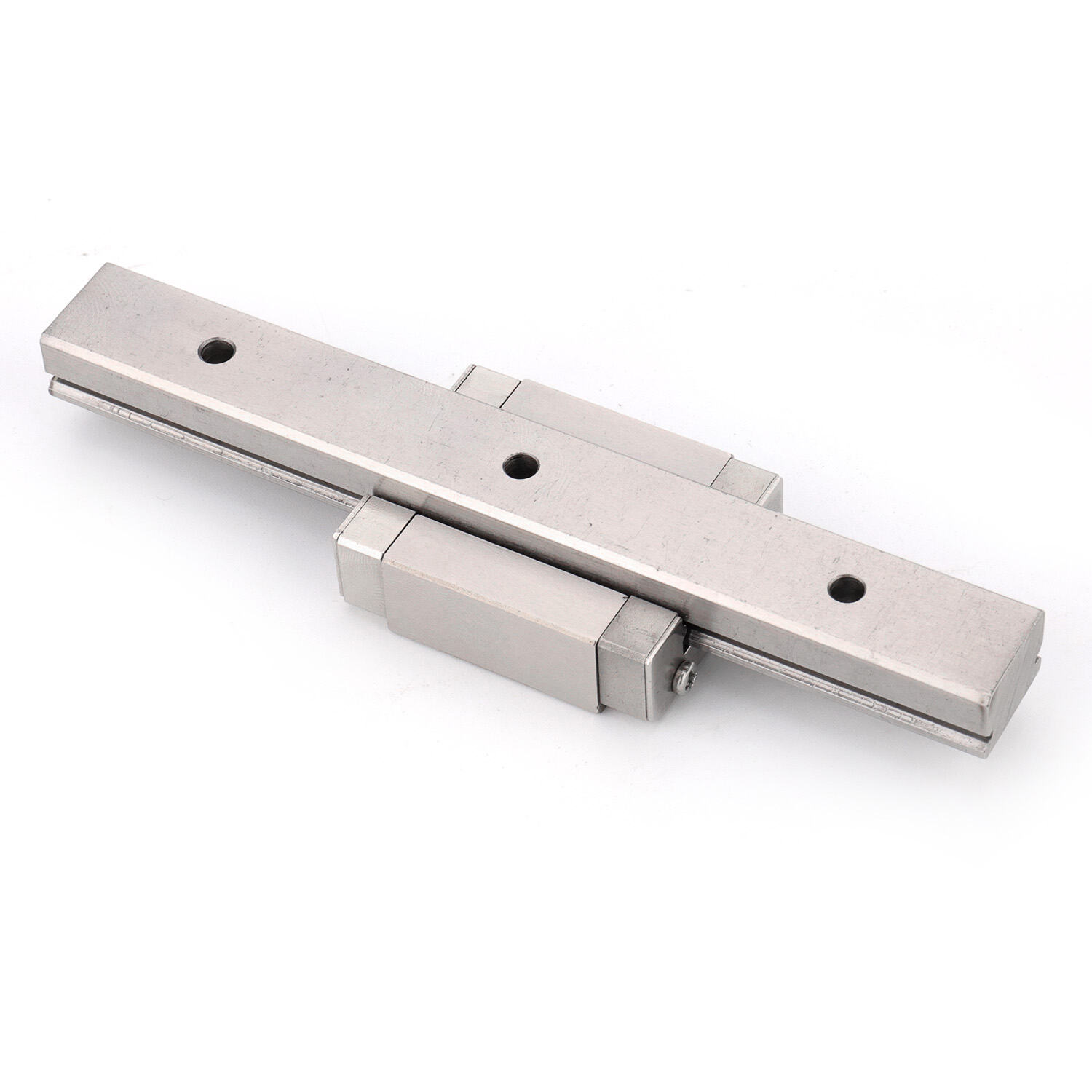
Laajamittaiset OEM-hankkeet vaativat tarkkuuskomponentteja, jotka tasapainottavat laatua ja kustannustehokkuutta, mikä tekee liukukiskojen valinnasta ratkaisevan päätöksen valmistuksen onnistumisen kannalta. Kun tilattavien yksiköiden määrä saavuttaa sadoissa tai tuhansissa yksiköissä, perinteiset hankintamenetelmät usein jäävät lyhyeksi tarjoamalla taloudellista tehokkuutta, jota hankkeen marginaalit vaativat. Strategisen hankinnan ymmärtäminen räätälöityihin mustaksioksidoituun liukukiskoratkaisuihin voi muuttaa hankkeen kannattavuutta säilyttäen samalla suorituskyvyn vaatimukset, jotka ovat välttämättömiä vaativiin teollisiin sovelluksiin.
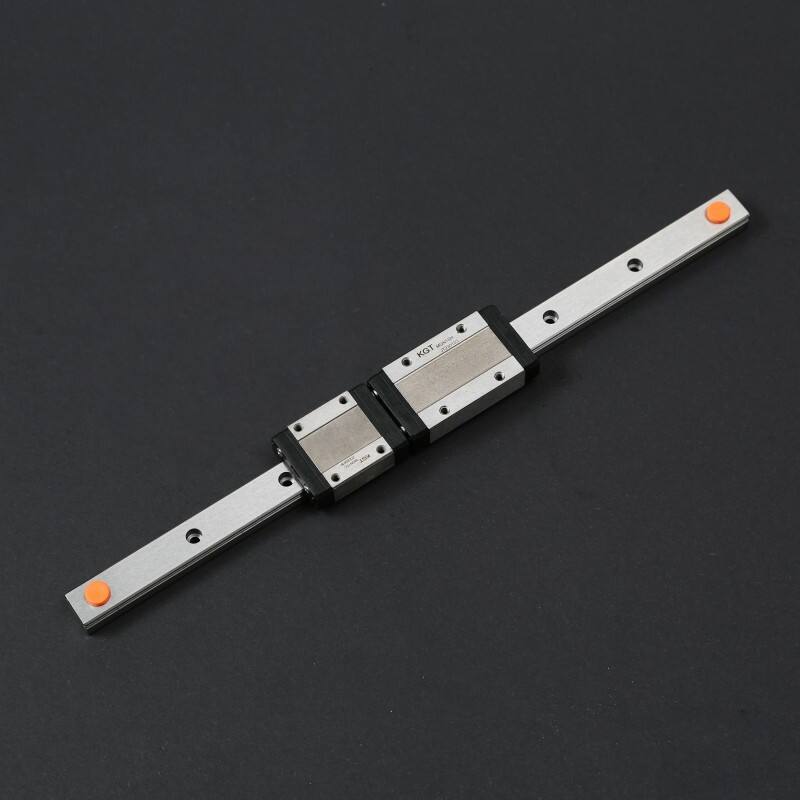
Mukautetut mustan oksidin liukurailajärjestelmät tarjoavat ainutlaatuisia etuja tilausten sarjatuotannolle, yhdistäen erinomaisen korroosionkestävyyden erityisesti mitoitettuihin mittasuhteisiin, joita standardit luettelotuotteet eivät voi tarjota. Mustan oksidin pinnoitusprosessi luo suojapinnan, joka pidentää käyttöikää ja vähentää huoltovaatimuksia, mikä tekee näistä komponenteista erityisen arvokkaita sovelluksia, joissa vaihtokustannukset vaikuttavat merkittävästi kokonaishankkeen taloudelliseen kannattavuuteen. OEM-valmistajille, jotka hallinnoivat laajamittaisia tuotantosarjoja, tarkkojen mittojen määrittelymahdollisuus varmistaa saumattoman integraation olemassa oleviin suunnitelmiin, kun taas tilausten määräperusteinen hinnoittelurakenne tarjoaa merkittäviä kustannussäästöjä verrattuna yksittäisten yksiköiden ostamiseen.
Tilauksen määrän taloudelliset edut
Kustannusrakenteen optimointi suurille hankkeille
Tilauksen määrän kasvattaminen muuttaa perusteellisesti liukusalven hankinnan kustannusyhtälöä jakamalla kiinteät valmistuskustannukset suuremman määrän yksiköiden kesken. Mukautettujen liukusalvien tuotannossa on merkittäviä käynnistyskustannuksia, joihin kuuluvat muun muassa työkalut, laadunvarmistusmenettelyt ja erikoispinnoitusprosessit, jotka pysyvät muuttumattomina riippumatta tilauksen koosta. Kun nämä kiinteät kustannukset jaetaan tuhansien yksiköiden kesken sen sijaan, että ne jaettaisiin kymmenien yksiköiden kesken, yksikkökustannusten alennus voi olla jopa kolmekymmentä–viisikymmentä prosenttia pienempi kuin pienillä erillä laskutettavissa oleviin kustannuksiin verrattuna. Tämä taloudellinen hyöty tulee erityisen selväksi mukautettujen mustaksioksidoitujen liukusalvien osalta, joiden valmistukseen vaaditaan erikoisvarusteisia prosessointilaitteita ja pidempiä tuotantokausia.
Valmistustehokkuuden parantuminen vahvistaa näitä kustannusedunnoja, kun tuotantomääriä kasvatetaan. Liukurailavalmistajat voivat optimoida tuotannon suunnitteluaan, vähentää vaihtojen määrää ja pitää erikoisvarusteisia laitteita toiminnassa jatkuvasti suurten tilausten käsittelyn aikana. Nämä toiminnalliset tehokkuudet muuttuvat suoraan kustannussäästöiksi, jotka siirretään OEM-asiakkaille. Lisäksi teräksisen raaka-aineen ja pinnoitemateriaalien eräostot mahdollistavat lisäkustannussäästöjä, jotka hyödyttävät koko tilausarvoketjua.
Ketjutusriskien hallinta
Suuret tilausmäärät tarjoavat paremman toimitusketjun turvallisuuden verrattuna monien OEM-yritysten perinteisesti suosimiin juuri-aikatilausmenetelmiin. Mukautettujen liukuraidan tuotannon johtoajat voivat olla 12–16 viikkoa monimutkaisilla teknisillä vaatimuksilla, mikä tekee toimitushäiriöistä erityisen kalliita projektiaikataululle. Tilauksen määrän sitoutuminen varmistaa OEM-yrityksille tuotantokapasiteetin varauksen ja etuoikeutetun aikataulutuksen, joka suojelee toimitusketjun epävakaukselta ja komponenttien saatavuusongelmilta.
Suurten liukuraita-tilausten varastonhallintastrategioita voidaan rakentaa tasapainottamaan varastointikustannuksia ja toimitusturvallisuutta. Monet valmistajat tarjoavat vaiheittaisia toimitusohjelmia, joissa koko tilausmäärä tuotetaan ja laadultaan tarkistetaan etukäteen, mutta toimitukset suunnitellaan asiakkaan tuotantovaatimusten mukaan. Tämä lähestymistapa tarjoaa taloudellisia etuja tilausmäärien perusteella annettavasta alennuksesta samalla kun se minimoi työpääoman vaikutusta ja varastointitarvetta asiakkaan tiloissa.
Mukautetun mustan oksidipinnoituksen edut
Parannettu korroosionsuojelu
Musta oksidipinnoite tarjoaa ainutlaatuisen yhdistelmän korrosiosuojaa ja mittatarkkuuden säilymistä, mikä tekee siitä erityisen sopivan tarkkuusliukuraitojen käyttöön. Toisin kuin perinteiset pinnoitusmenetelmät, jotka lisäävät komponenttien pintojen mitattavaa paksuutta, musta oksidi muodostaa suojaavan kerroksen kemiallisella käsittelyllä peruspinnan metallipinnalle. Tämä prosessi säilyttää tarkat mitat, joita vaaditaan suorailio sovelluksissa samalla kun se tarjoaa korrosiosuojan, joka vastaa paljon paksuempia pinnoitussysteemejä.
Mustan oksidin pinnoitteen suojaava vaikutus perustuu magneettiitin kristallien muodostumiseen, jotka sitoutuvat molekulaarisesti teräsalustaan. Tämä kemiallinen sidoksellisuus luo erinomaisen adheesion, joka kestää irtoamista, särkymistä tai delaminaatiota mekaanisen rasituksen alaisena, kuten liukusalven sovelluksissa yleensä tapahtuu. Teollisuuden valmistajien (OEM) projekteissa, jotka toimivat haastavissa ympäristöissä – kuten korkeassa kosteudessa, lämpötilan vaihteluissa tai kemikaalien vaikutuksessa – tämän pinnoitteen kestävyys johtaa pidemmälle käyttöiälle ja vähentää huoltovaatimuksia.
Käyttösuorituksen parantaminen
Mustanoksidipinnoitettujen liukuraidan pintojen kitkominen on parempaa kuin pinnoittamattomilla teräskomponenteilla, mikä edistää suurempaa liukumisen tasaisuutta ja laakerien käyttöikää. Happamuksen aikana muodostuva mikroskooppinen pintarakenteen säilyttää voitelukalvoja tehokkaammin, mikä vähentää liukumiskitkaa ja kulumisnopeutta. Tämä tribologinen etu on erityisen tärkeä korkean käyttötaajuuden sovelluksissa, joissa liukuraidan komponentit kokevat usein takaisin- ja eteenpäin liikkuvaa liikettä pitkän käyttöjakson ajan.
Lämpötilan vakaus edustaa toista merkittävää suorituskykyetua mustan oksidin pinnoitettuille liukuraitajärjestelmille. Pinnoite säilyttää suojaavat ominaisuutensa ja mitallisen vakauden laajalla lämpötila-alueella ilman lämpölaajenemisen epäsovituksia, jotka voivat vaikuttaa metallipinnoitettuihin tai maalattuihin pintoihin. Valmistajan alkuperäiselle varusteelle (OEM) tarkoitetuissa sovelluksissa, joissa käytetään korkeita käyttölämpötiloja tai lämpötilan vaihteluita, tämä vakaus takaa yhtenäisen suorituskyvyn komponentin koko käyttöiän ajan.
Mukautettujen määrittelystrategioiden suunnittelu
Mitallinen optimointi sovellusvaatimuksien mukaan
Mukautettujen liukuraidan määrittelyjen avulla komponenttien mittoja voidaan optimoida tarkasti vastaamaan tiettyjä sovellusvaatimuksia, mikä poistaa standardikatalogituotteisiin liittyvät kompromissit. Raiteen pituutta, poikkileikkauksen geometriaa ja kiinnitysreikäkuvioita voidaan säätää niin, että ne integroituvat saumattomasti olemassa oleviin mekaanisiin suunnitelmiin, mikä vähentää kokoonpanon monimutkaisuutta ja parantaa kokonaisjärjestelmän suorituskykyä. Tämä mukauttamismahdollisuus on erityisen arvokas OEM-hankkeissa, joissa tilarajoitukset tai erityiset kuormitustarpeet vaativat ei-standardisia liukuraitarakenteita.
Kuormanottokyvyn optimointi mukautetun liukuraidan suunnittelun avulla voi merkittävästi parantaa järjestelmän suorituskykyä samalla kun kustannuksia hallitaan. Analysoimalla sovelluksen erityisiä kuormajakaumia, käyttösyklejä ja ympäristöolosuhteita liukuraidan geometriaa voidaan optimoida tarjoamaan riittävät lujuusvarat ilman liiallista suunnittelua. Tämä analyyttinen lähestymistapa paljastaa usein mahdollisuuksia vähentää materiaalikustannuksia säilyttäen tai parantaen suorituskykyä verrattuna standardituotteisiin, jotka on valittu varovaisilla turvatekijöillä.
Valmistusprosessien integrointi
Mukautettuja liukuraitoja voidaan suunnitella erityisesti optimoimaan yhteensopivuus jälkikäsittelyprosesseihin, kuten hitsaamiseen, koneistamiseen ja kokoonpanoon. Pintakäsittelyvaatimukset, mitatoleranssit ja materiaalimäärittelyt voidaan mukauttaa vastaamaan olemassa olevia tuotantokapasiteetteja ja laadunvalvontamenettelyjä. Tämä integrointitapa vähentää valmistuksen monimutkaisuutta ja poistaa mahdolliset laatuongelmat, jotka voivat syntyä, kun standardiosia joudutaan muokkaamaan tai sopeuttamaan kokoonpanon aikana.
Laadunvarmistusprotokollat räätälöityihin liukukisko-tilauksiin voidaan laatia vastaamaan OEM-tarkastusvaatimuksia ja sertifiointistandardeja. Mittatarkastusraportit, materiaalitodistukset ja pinnoitteen paksuuden tarkistus voidaan järjestää tukemaan asiakkaan laatujohtamisjärjestelmiä ja säädöstenmukaisuusvaatimuksia. Tämä räätälöity lähestymistapa laadun dokumentointiin tehostaa vastaanottotarkastusmenettelyjä ja vähentää hallinnollista taakkaa suurille tilausmääriille.
Projektin toteuttamiseen liittyvät harkinnat
Aikataulu ja tuotannon suunnittelu
Suurten määrien mukautettujen liukusalven tilausten onnistunut toteuttaminen vaatii tarkkaa koordinaatiota OEM:n tuotantoaikataulujen ja valmistajan kapasiteetin jakamisen välillä. Toimitusaikasuunnittelussa on otettava huomioon koko prosessijärjestys, johon kuuluvat muun muassa suunnittelun varmentaminen, työkalujen valmistelu, tuotannon aikatauluttaminen, pinnoituskäsittely ja laadun varmentaminen. Monimutkaisilla mukautettujen liukusalven teknisillä eritelmillä tämä aikataulu voi venyä 16–20 viikoksi tilauksen teosta toimitusten aloittamiseen.
Tuotannon aikatauluttamisen joustavuus saa ratkaisevan merkityksen suurten määrien liukusalvetilausten hallinnassa pitkillä hankkeiden aikatauluilla. Monet OEM:t hyötyvät puitesopimusten solmimisesta, joissa määritellään kokonaismäärät, tekniset eritelmat ja hinnoittelurakenteet, mutta toimitusaikataulujen ja eräkoot säilyttävät joustavuutensa. Tämä lähestymistapa tarjoaa kustannusten ennustettavuuden ja toimitusvarmuuden samalla kun se mahdollistaa muutokset alapuolella olevassa tuotannossa tai markkinoiden muuttuvissa olosuhteissa.
Laadunvarmistus ja suorituskyvyn vahvistaminen
Tilaukset mukautettujen mustan oksidin liukurailakomponenttien erämyynnistä vaativat kattavia laatuvarmistusohjelmia, jotka varmistavat sekä valmistuksen yhdenmukaisuuden että pitkäaikaiset suorituskykyominaisuudet. Tilastollisia prosessinvalvontamenetelmiä voidaan käyttää kriittisten mittojen, pinnoitusten laatuominaisuuksien ja toiminnallisten suorituskykyindikaattoreiden seuraamiseen tuotantierissä. Tämä systemaattinen lähestymistapa varmistaa, että laatuvaatimukset täyttyvät koko tilausmäärän ajan ja mahdolliset ongelmat havaitaan ennen kuin ne vaikuttavat merkittäviin määriin.
Suorituskyvyn validointitestausta tulisi kattaa käyttöolosuhteet, jotka ovat erityisiä tarkoitettuun käyttöön, mukaan lukien kuormitussyklit, ympäristöaltistus ja kulumisominaisuudet. Kiihdytettyä elinikätestausta koskevat protokollat voivat tuottaa tietoja odotetusta käyttöiästä ja huoltovaatimuksista, mikä tukee kokonaisomistuskustannusten laskentaa. Tämä testausinvestointi on erityisen kustannustehokas suurten tilausten yhteydessä, jolloin validointikustannukset jakautuvat tuhansien komponenttien kesken.
UKK
Minkä suuruisia määriä vaaditaan merkittävien kustannusten alentamiseksi räätälöityjen mustan oksidin liukurailojen tilauksissa?
Useimmat valmistajat tarjoavat merkityksellisiä määräalennuksia jo 500–1000 kappaleen tilauseristä, ja suurimmat kustannusten alennukset saavutetaan yleensä yli 2000 yksikön tilauksilla per eritelmä. Tarkka kynnys riippuu vaadittavan muokkauksen monimutkaisuudesta ja valmistuksen käynnistämiskustannuksista. Monimutkaisia geometrioita tai erikoispinnoitteita vaativien mukautettujen liukuraidan tilaukset voivat vaatia korkeampia vähimmäismääriä, jotta työkalujen ja prosessien kehitykseen tehtävät investoinnit ovat kannattavia.
Kuinka pitkä on toimitusaika mukautettujen mustaksioksidoitujen liukuraidan valmistukselle verrattuna standardiin katalogituotteisiin?
Mukautettujen mustaksioksidoitujen liukurailojen valmistus vaatii yleensä 12–16 viikkoa toimitusaikaa verrattuna 2–4 viikkoon standardien luettelotuotteisiin. Tämä pidempi aikataulu kattaa suunnittelun tarkistamisen, työkalujen valmistelun, erikoispinnoitusprosessit ja laadunvarmistusmenettelyt. Kun kuitenkin tuotanto on aloitettu, suurten tilausten sarjatuotanto saa usein etuoikeutetun aikataulutuksen, mikä voi lyhentää toimintasuunnitelmaa myöhemmille erille saman tilauksen sisällä.
Voivatko mukautettujen liukurailojen tekniset tiedot muuttua suurten sarjatuotantotilojen aikana?
Pieniä eritelmämuutoksia voidaan joskus tehdä tuotantokierroksen aikana, mutta merkittävät muutokset vaativat yleensä uuden työkaluinnostuksen ja johtavat toimitusaikasyklin uudelleenkäynnistämiseen. Muutosten toteuttamismahdollisuus ja kustannusvaikutus riippuvat pyydetyistä muutoksista sekä siitä, missä tuotannon vaiheessa muutos aloitetaan. Useimmat valmistajat suosittelevat kaikkien eritelmien lopullistamista alussa suunnitteluvaiheessa ja virallisen muutosvalvontaprosessin käyttöönottoa kaikille myöhempille muutoksille.
Mitä laatuasiakirjoja toimitetaan tilauksissa, jotka koskevat suurtehoisia mukautettuja mustaksi oksidoituja liukuraitoja?
Kattava laatuasiakirjaaminen sisältää yleensä mittojen tarkastusraportit, materiaalitodistukset, pinnoitteen paksuuden varmistukset ja toiminnallisen suorituskyvyn testitulokset. Monet valmistajat tarjoavat tilastollisia yhteenvetoja, joissa esitetään mittojen tasaisuus tuotannonerissä sekä pinnoitteen laatuparametrit. Lisäksi asiakkaan laatujohtamisjärjestelmiä ja sääntelyvaatimuksia tukeakseen voidaan tarjota muuta dokumentaatiota, kuten jäljitettävyystietoja, prosessitodistuksia ja vaatimustenmukaisuuslausumia.
Sisällysluettelo
- Tilauksen määrän taloudelliset edut
- Mukautetun mustan oksidipinnoituksen edut
- Mukautettujen määrittelystrategioiden suunnittelu
- Projektin toteuttamiseen liittyvät harkinnat
-
UKK
- Minkä suuruisia määriä vaaditaan merkittävien kustannusten alentamiseksi räätälöityjen mustan oksidin liukurailojen tilauksissa?
- Kuinka pitkä on toimitusaika mukautettujen mustaksioksidoitujen liukuraidan valmistukselle verrattuna standardiin katalogituotteisiin?
- Voivatko mukautettujen liukurailojen tekniset tiedot muuttua suurten sarjatuotantotilojen aikana?
- Mitä laatuasiakirjoja toimitetaan tilauksissa, jotka koskevat suurtehoisia mukautettuja mustaksi oksidoituja liukuraitoja?