
 EN
EN
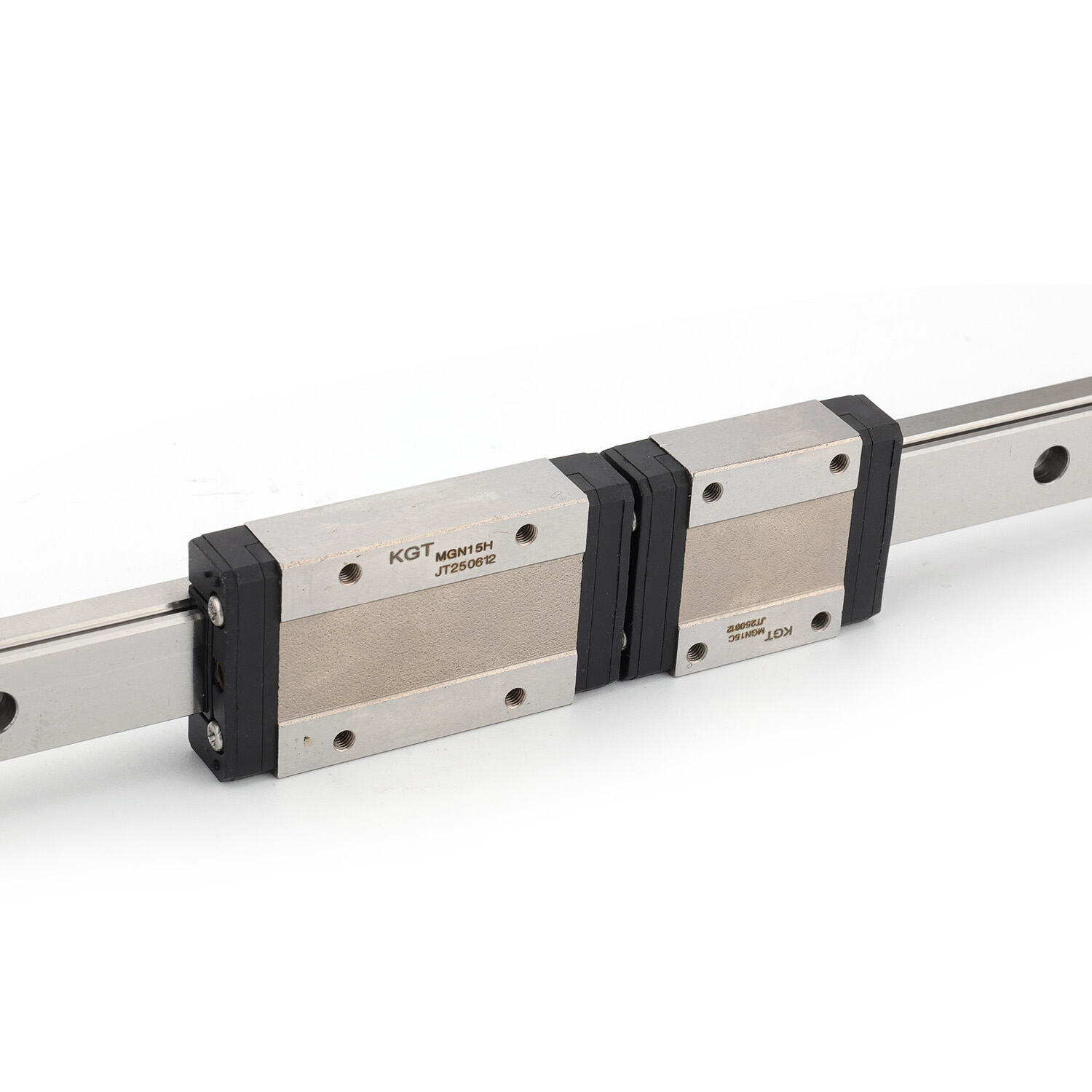
Creating a proprietary system for custom linear guides requires strategic decisions across material selection, hardening processes, plating specifications, and precision drilling techniques. Manufacturing organizations that develop end-to-end custom linear guides gain competitive advantages through optimized performance characteristics, cost control, and application-specific solutions that standard off-the-shelf products cannot deliver.
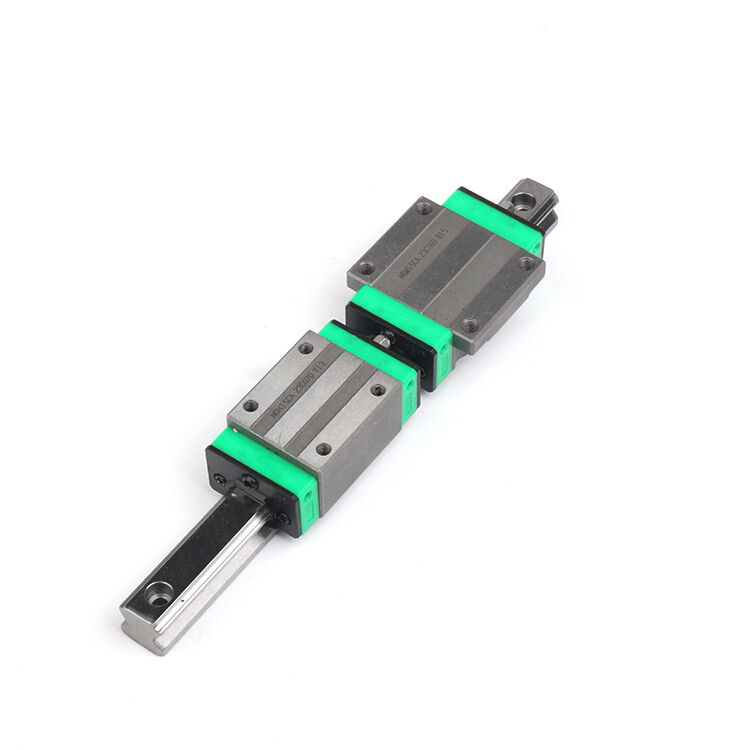
The transition from purchasing commercial linear guides to developing proprietary systems represents a significant strategic shift that demands comprehensive understanding of metallurgy, surface treatment technologies, and precision manufacturing processes. Organizations embarking on this journey must establish clear specifications for material properties, implement controlled hardening protocols, design appropriate plating systems, and execute precision drilling operations that ensure consistent performance across production volumes.
Material Selection Framework for Custom Linear Guides
Steel Grade Selection and Chemical Composition
The foundation of superior custom linear guides begins with selecting appropriate steel grades that balance mechanical properties, machinability, and cost considerations. High-carbon chromium steels such as AISI 52100 provide excellent hardness potential and wear resistance, making them ideal for high-load applications where linear guides must withstand continuous reciprocating motion under substantial forces.
Alloy steel compositions containing chromium, molybdenum, and vanadium offer enhanced hardenability and toughness characteristics essential for linear guides operating in demanding industrial environments. The carbon content typically ranges from 0.95% to 1.10% to achieve optimal hardness levels after heat treatment, while chromium content between 1.30% and 1.65% provides corrosion resistance and improves wear characteristics.
Material selection decisions must account for the intended operating environment, load requirements, and precision tolerances. Applications requiring exceptional dimensional stability may benefit from through-hardening tool steels, while high-volume production scenarios might favor case-hardening grades that offer cost advantages without compromising performance in moderate-duty applications.
Alternative Material Considerations
Stainless steel grades present viable alternatives for linear guides operating in corrosive environments or food-grade applications where contamination concerns override pure performance considerations. Martensitic stainless steels like 440C provide reasonable hardness capabilities while offering inherent corrosion resistance, though at higher material costs compared to carbon steel alternatives.
Ceramic and hybrid material systems represent emerging technologies for specialized linear guides applications requiring non-magnetic properties, extreme temperature resistance, or electrical isolation. Silicon nitride ceramics demonstrate exceptional hardness and low thermal expansion characteristics, though manufacturing complexity and cost considerations limit their application to high-value specialized systems.
Composite materials incorporating carbon fiber reinforcement offer weight reduction benefits for aerospace and high-speed applications where linear guides must maintain precision while minimizing inertial effects. These advanced materials require specialized manufacturing techniques and represent significant development investments suitable for high-volume production scenarios.
Heat Treatment and Hardening Process Development
Through-Hardening Protocols
Establishing controlled hardening processes ensures consistent mechanical properties across production batches of custom linear guides. Through-hardening protocols involve heating components to austenitizing temperatures typically ranging from 1475°F to 1525°F, followed by rapid quenching in oil or polymer solutions to achieve martensitic transformation throughout the cross-section.
Temperature control during the hardening cycle directly impacts the final hardness distribution and residual stress patterns within linear guides components. Precise monitoring systems and calibrated furnace equipment ensure uniform heating rates and consistent austenitizing temperatures that produce predictable mechanical properties across component geometries.
Quenching medium selection influences cooling rates and affects the final microstructure of hardened components. Fast oil quenches provide rapid cooling necessary for through-hardening while minimizing distortion risks compared to water quenching. Polymer quenchants offer intermediate cooling rates suitable for complex geometries where distortion control takes precedence over maximum hardness achievement.
Tempering and Stress Relief Operations
Tempering operations following initial hardening reduce brittleness and adjust final hardness levels to optimize performance characteristics for specific linear guides applications. Tempering temperatures between 300°F and 400°F typically produce hardness levels from HRC 58 to HRC 62, providing excellent wear resistance while maintaining adequate toughness for dynamic loading conditions.
Multiple tempering cycles help stabilize the microstructure and reduce residual stresses that could cause dimensional instability during service. The tempering process involves heating hardened components to specified temperatures and holding for predetermined time periods, followed by controlled cooling to room temperature.
Stress relief operations become particularly critical for complex linear guides geometries where machining operations after hardening could introduce unfavorable stress concentrations. Controlled atmosphere furnaces prevent oxidation during heat treatment cycles and maintain surface quality essential for precision linear guides applications.
Surface Plating and Coating Systems
Electroplating Technologies
Surface plating systems provide corrosion protection, wear resistance enhancement, and dimensional control for custom linear guides operating in challenging environments. Hard chrome plating remains the most widely used surface treatment, offering exceptional hardness levels up to HRC 70 and excellent resistance to abrasive wear mechanisms common in linear motion applications.
Electroless nickel plating provides uniform coating thickness distribution across complex geometries and offers good corrosion resistance with moderate hardness improvement. The self-leveling characteristics of electroless nickel processes make them suitable for linear guides requiring precise dimensional control and smooth surface finishes.
Zinc plating with chromate conversion coatings offers cost-effective corrosion protection for linear guides operating in mild environmental conditions. The plating thickness can be controlled to maintain tight dimensional tolerances while providing adequate protection against atmospheric corrosion in indoor applications.
Advanced Coating Applications
Physical vapor deposition processes enable application of specialized coatings that enhance the performance characteristics of linear guides beyond what traditional plating methods can achieve. Titanium nitride coatings provide exceptional hardness and low friction coefficients, making them ideal for high-speed linear motion applications requiring minimal lubrication.
Diamond-like carbon coatings offer extremely low friction characteristics and excellent wear resistance for linear guides operating in clean room environments or applications where particulate contamination must be minimized. These coatings require precise application techniques and controlled atmospheric conditions during deposition processes.
Thermal spray coatings provide opportunities to apply specialized materials like tungsten carbide or ceramic compositions that offer superior wear resistance compared to conventional steel substrates. The coating thickness can be controlled to compensate for wear allowances or restore worn components to original dimensions.
Precision Drilling and Machining Operations
Hole Positioning and Geometric Accuracy
Precision drilling operations for custom linear guides demand exceptional accuracy in hole positioning, diameter control, and surface finish quality. Computer numerical control machining centers equipped with precision spindles and advanced workholding systems enable consistent hole placement within tolerances of ±0.0002 inches across production quantities.
Drill bit selection influences hole quality characteristics including roundness, surface finish, and dimensional accuracy. Carbide drill bits with specialized point geometries and coating systems provide extended tool life while maintaining consistent hole quality throughout production runs. Proper cutting parameters including spindle speed, feed rate, and cutting fluid application ensure optimal drilling performance.
Workholding fixture design plays a critical role in achieving repeatable hole positioning accuracy across multiple linear guides components. Precision tooling plates with hardened locating surfaces and mechanical clamping systems ensure consistent part orientation and eliminate movement during drilling operations.
Surface Finish and Dimensional Control
Achieving specified surface finish requirements within drilled holes requires careful attention to cutting tool condition, machining parameters, and cutting fluid systems. Reaming operations following initial drilling provide improved dimensional accuracy and surface finish quality essential for linear guides requiring precise fit tolerances with mating components.
Honing processes enable final sizing operations that achieve extremely tight diameter tolerances while producing controlled surface textures that optimize lubrication retention and wear characteristics. The honing process removes minimal material while correcting minor geometric errors from previous machining operations.
Quality control systems incorporating coordinate measuring machines and optical inspection equipment verify hole position accuracy, diameter measurements, and surface finish compliance throughout production processes. Statistical process control methods track dimensional trends and enable proactive adjustments to maintain consistent quality levels.
Integration and Quality Assurance Protocols
Assembly Process Development
Developing comprehensive assembly processes ensures that individual components combine into functional linear guides systems that meet performance specifications. Assembly fixture design must accommodate component tolerances while maintaining precise alignment between guide rails, bearing blocks, and mounting interfaces.
Lubrication system integration requires careful selection of grease types and application methods that provide adequate protection without attracting contaminants. Sealed bearing systems demand specialized assembly techniques to maintain integrity during installation and ensure long-term performance in operating environments.
Preload adjustment procedures enable optimization of linear guides performance characteristics including stiffness, friction levels, and dynamic response. Controlled preload application eliminates clearances while avoiding excessive friction that could reduce efficiency or cause premature wear.
Performance Validation Testing
Establishing comprehensive testing protocols validates that custom linear guides meet specified performance requirements before deployment in production applications. Load testing equipment capable of applying static and dynamic forces verifies load capacity ratings and measures deflection characteristics under specified loading conditions.
Friction and efficiency measurements provide quantitative data regarding power transmission characteristics and help optimize lubrication systems. Automated test equipment can cycle linear guides through millions of operations while monitoring performance parameters and detecting degradation trends.
Environmental testing exposes linear guides to temperature extremes, humidity variations, and contamination exposure representative of actual operating conditions. Accelerated aging tests provide insight into long-term reliability and help establish appropriate maintenance intervals for field applications.
FAQ
What material properties are most critical when selecting steel for custom linear guides?
The most critical material properties include hardenability for achieving consistent hardness throughout the cross-section, wear resistance to withstand sliding contact, dimensional stability under thermal and mechanical stress, and machinability for cost-effective manufacturing. Carbon content between 0.95% and 1.10% provides optimal hardening potential, while chromium additions improve wear resistance and corrosion protection.
How does the hardening process affect the dimensional accuracy of linear guides components?
The hardening process introduces dimensional changes through thermal expansion and contraction cycles, phase transformation volume changes, and residual stress development. Proper quenching techniques and controlled tempering operations minimize distortion, while finish machining operations after heat treatment ensure final dimensional accuracy. Stress relief treatments help stabilize dimensions and prevent long-term changes during service.
Which plating systems provide the best balance of performance and cost for linear guides applications?
Hard chrome plating offers excellent wear resistance and moderate cost for high-performance applications, while zinc plating with conversion coatings provides cost-effective corrosion protection for standard duty applications. Electroless nickel plating delivers uniform thickness distribution and good corrosion resistance at intermediate cost levels. The selection depends on operating environment requirements and performance expectations.
What drilling techniques ensure optimal hole quality in hardened linear guides components?
Optimal hole quality requires carbide drill bits designed for hardened materials, controlled cutting parameters including appropriate speeds and feeds, effective cutting fluid systems for heat removal, and rigid workholding to eliminate vibration. Reaming operations following drilling improve dimensional accuracy, while honing processes achieve final sizing with controlled surface textures that optimize bearing performance and lubrication retention.
Table of Contents
- Material Selection Framework for Custom Linear Guides
- Heat Treatment and Hardening Process Development
- Surface Plating and Coating Systems
- Precision Drilling and Machining Operations
- Integration and Quality Assurance Protocols
-
FAQ
- What material properties are most critical when selecting steel for custom linear guides?
- How does the hardening process affect the dimensional accuracy of linear guides components?
- Which plating systems provide the best balance of performance and cost for linear guides applications?
- What drilling techniques ensure optimal hole quality in hardened linear guides components?