EN
EN
Quick Links
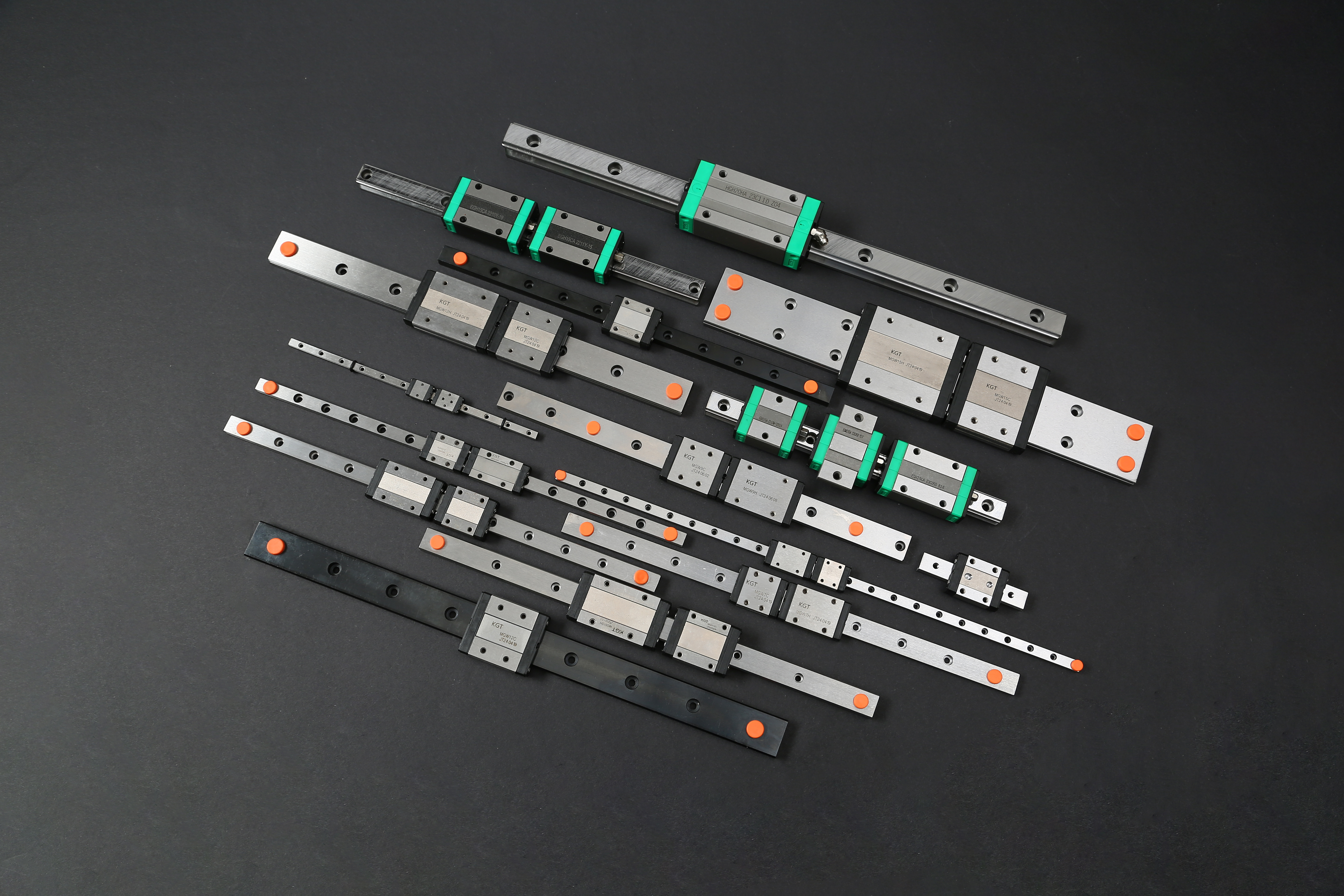
In the world of precision engineering, the demand for "smaller, faster, and more accurate" is never-ending. Whether you are designing a high-end medical diagnostic tool or a high-speed 3D printer, Miniature Linear Guides are the unsung heroes that ensure smooth, reliable, and micron-level movement.
In this comprehensive guide, we dive into the technology, materials, and selection criteria for micro linear rails to help you optimize your next automation project.
A Miniature Linear Guide (often referred to as a micro linear rail) is a specialized motion component designed to provide high-precision linear movement in a compact envelope. Unlike standard linear guides, miniature versions are engineered for applications where space is at a premium but performance cannot be compromised.
Most high-quality miniature linear guides, such as the MGN and MGW series, are manufactured using SUS440C Stainless Steel. This choice of material offers several critical advantages:
Where can you find miniature linear guides in action? Their versatility makes them ideal for various high-tech industries:
From blood analyzers to surgical robots, micro rails provide the smooth repeatability and quiet operation required in sterile environments.
To achieve high-quality surface finishes at high speeds, 3D printers rely on the high rigidity and low friction coefficient of miniature rails like the MGN12.
In the delicate process of wafer handling and chip placement, there is zero room for error. Miniature guides offer the sub-micron precision needed for electronic assembly.
Choosing the right rail involves more than just picking a size. Engineers must consider:
To maximize the ROI of your motion system, follow these best practices:
Selecting the right Miniature Linear Guide is a critical decision that impacts the reliability and performance of your entire system. At [Your Brand Name], we provide world-class linear motion solutions engineered for the most demanding applications.