
 EN
EN
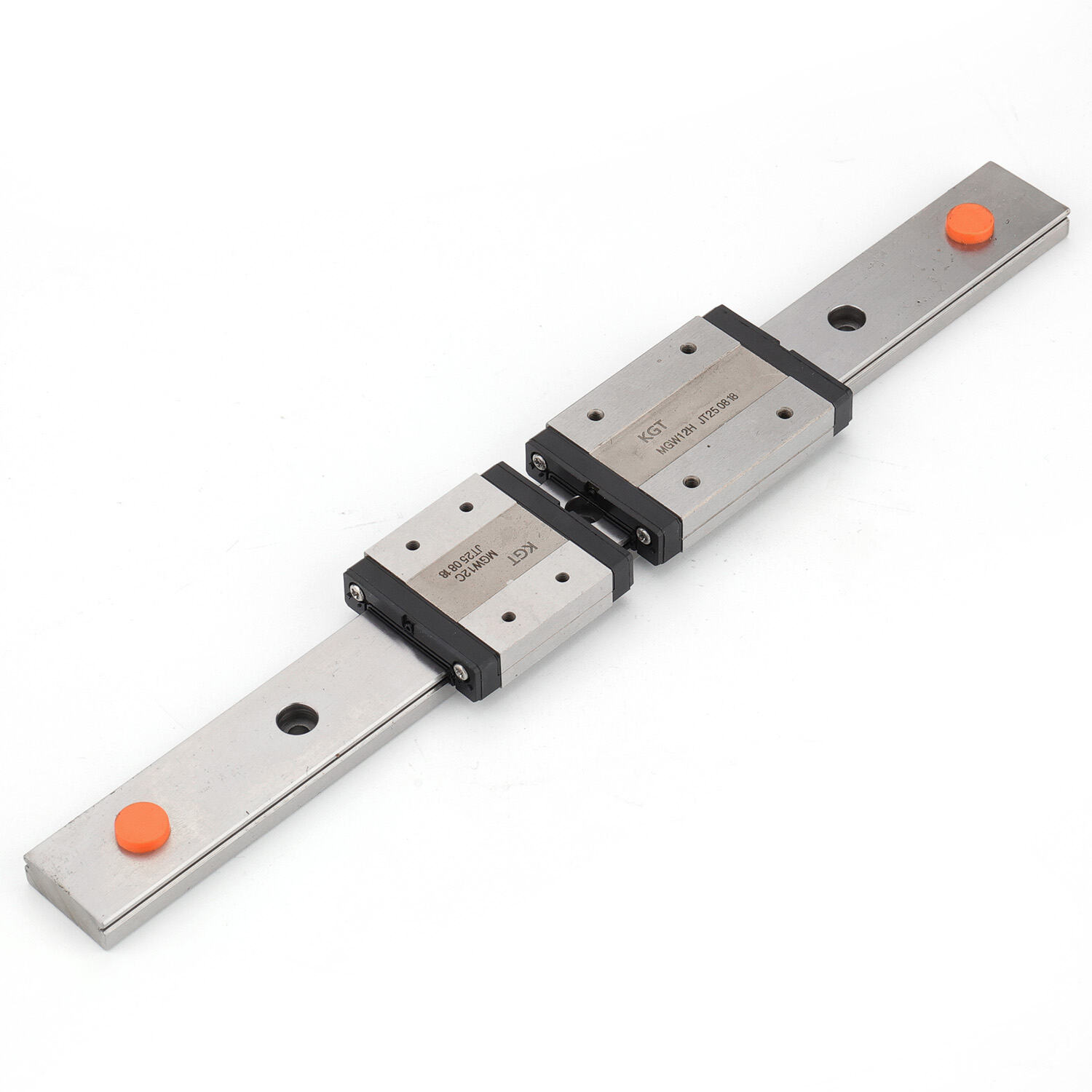
Krom kaplama, kaydırma raylarında performans metriklerini iyileştirmek için en etkili yüzey işlem yöntemlerinden birini temsil eder ve sürtünme azaltma ile aşınmaya dayanıklılıkta önemli iyileştirmeler sağlar. Doğrusal hareket sistemlerinde kullanılan kaydırma raylarına uygulandığında krom kaplama, sürtünme katsayılarını önemli ölçüde azaltan, aynı zamanda üstün aşınma koruması sayesinde kullanım ömrünü uzatan sert ve pürüzsüz bir yüzey katmanı oluşturur. Bu elektrokimyasal süreç, standart çelik kaydırma raylarını, daha yüksek verimlilik ve güvenilirlikle zorlu endüstriyel uygulamalara uygun yüksek performanslı bileşenlere dönüştürür.
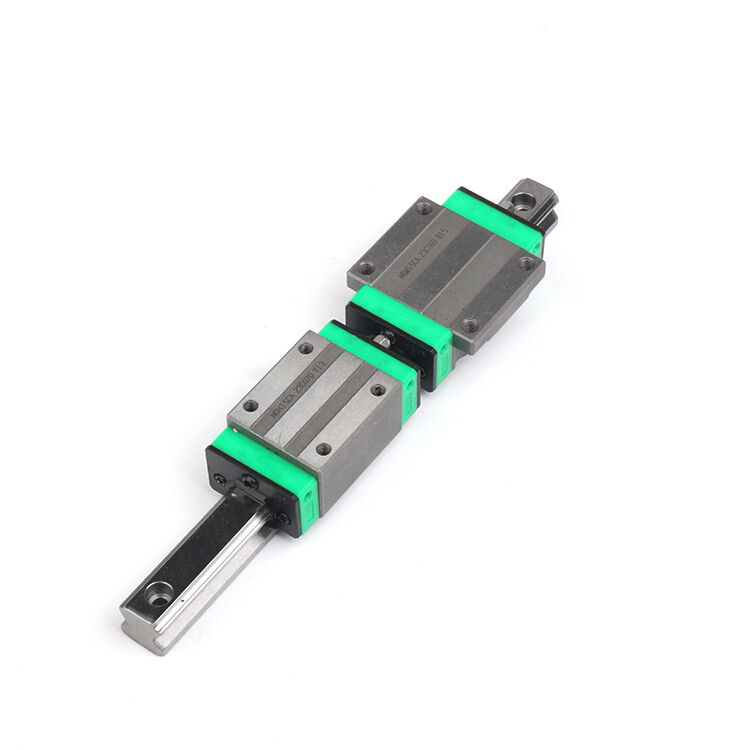
Krom kaplama ile kaydırma raylarında geliştirilmiş performans ölçümleri arasındaki ilişki, krom çözeltilerinin temel malzemeye kazandırdığı benzersiz özelliklerden kaynaklanır. Krom kaplı kaydırma rayları, yüzey pürüzlülüğünde azalma, sertlikte artış ve korozyon direncinde iyileşme gösterir; bu özelliklerin hepsi doğrudan sürtünme kuvvetlerini düşürür ve bakım aralıklarını uzatır. Krom kaplamanın bu performans iyileştirmelerini nasıl sağladığını anlamak, mühendislerin ve üreticilerin doğrusal hareket uygulamaları için yüzey işlem seçenekleri konusunda bilinçli kararlar vermesine yardımcı olur.
Kaydırma Rayları İçin Krom Kaplama Temelleri
Elektrokimyasal Süreç ve Çözelti Oluşumu
Kayar raylara krom kaplama, krom iyonlarının çelik alt tabaka yüzeyine indirgenmesini sağlayan bir elektrokimyasal biriktirme işlemiyle gerçekleştirilir. Bu işlem, kayar rayların kontrollü elektrik akımı uygulanırken kromik asit elektrolit çözeltisine daldırılmasını içerir; bu da krom atomlarının ray yüzeyine eşit şekilde birikmesine neden olur. Böylece genellikle uygulama gereksinimlerine ve istenen performans özelliklerine bağlı olarak 0,0002 ila 0,002 inç (0,005 ila 0,05 mm) kalınlığında bir metalik krom katmanı oluşturulur.
Kayar raylara uygulanan krom kaplamaların kalitesi, doğru yüzey hazırlığına, akım yoğunluğu kontrolüne ve elektrolit bileşimine büyük ölçüde bağlıdır. Yağ giderme, kazıma ve aktivasyon gibi ön işlem süreçleri, krom katmanı ile temel çelik malzeme arasındaki optimum yapışmayı sağlar. Kaplama sırasında sıcaklık kontrolü, tutarlı kaplama özelliklerini korurken, karıştırma işlemi kayar rayların tamamında düzgün kalınlık dağılımı sağlar.
Krom Katmanı Özellikleri ve Özellikleri
Krom kaplamalı kaydırma rayları, genellikle 200–300 Vickers değerine sahip işlenmemiş çelik yüzeylere kıyasla önemli ölçüde daha yüksek olan 850–1000 Vickers aralığında bir yüzey sertliğine sahiptir. Bu artmış sertlik, krom katmanının kayma temas koşullarında deformasyona ve malzeme kaybına direnç göstermesi nedeniyle doğrudan iyileştirilmiş aşınma direnciyle ilişkilidir. Elektrokaplama ile uygulanan kromun kristalin yapısı, sürtünmeye neden olan yüzey düzensizliklerini en aza indirmek için yoğun ve düşük gözeneklilikte bir yüzey oluşturur.
Krom kaplamalı kaydırma raylarının yüzey pürüzlülüğü ölçümleri genellikle Ra değerleri 0,05–0,15 mikrometre arasında gerçekleşir; bu değer, işlenmiş çelik yüzeyler için tipik olarak 0,4–0,8 mikrometre aralığındadır. Yüzey pürüzlülüğündeki bu büyük azalma, sürtünme ve aşınmaya katkıda bulunan tepe noktalarını ortadan kaldırır ve enerji kayıplarını azaltan daha pürüzsüz bir kayma hareketi sağlar. Krom kaplama ile elde edilen ayna parlaklığındaki yüzey ayrıca yüzey kalitesi ve işlem tutarlılığının görsel bir göstergesidir.
Krom Kaplı Kaydırma Raylarında Sürtünme Azaltma Mekanizmaları
Yüzey Temas Alanı Optimizasyonu
Krom kaplama, kayan yüzeyler arasındaki gerçek temas alanını yüzey geometrisini iyileştirerek optimize ederek kaydırma raylarında sürtünmeyi azaltır. Pürüzsüz ve homojen krom yüzeyi, yerel gerilme yoğunluklarına neden olan ve sürtünme kuvvetlerini artıran mikroskobik tepe ve çukurları ortadan kaldırır. Krom kaplı kaydırma rayları yatak yüzeyleriyle çalışırken, azaltılmış yüzey pürüzlülüğü yapışkan sürtünme bileşenlerini en aza indirirken hidrodinamik yağlama etkilerini destekler.
Krom kaplı kaydırma raylarının gösterdiği düşük sürtünme katsayısı, genellikle yağlanmış koşullar altında 0,08 ile 0,15 arasında değişir ve bu durum yüzey pürüzsüzlüğü ile kromun doğasında bulunan tribolojik özelliklerin bir araya gelmesinden kaynaklanır. Bu, benzer koşullarda çalışan kaplamasız çelik yüzeylere kıyasla %30-50'lik bir azalmayı temsil eder. Sürtünmede meydana gelen bu azalma, doğrusal hareket sistemleri için gereken tahrik kuvvetlerinde doğrudan bir düşüşe ve işletme sırasında üretilen ısı miktarında bir azalmaya neden olur.
Yağlama Geliştirilmesi ve Tutulması
Krom kaplı kaydırma rayları, düzgün yüzey bitişi sayesinde yağlayıcı film oluşumunu destekleyerek üstün yağlama tutma özelliklerini gösterir. Kromun düşük yüzey enerjisi, yağlayıcıların ray yüzeyi boyunca eşit şekilde yayılmasını sağlar ve kayan yüzeyleri ayıran, metal-metal temasını önleyen tutarlı bir film kalınlığını korur. Bu geliştirilmiş yağlama etkinliği, sürtünmenin azaltılmasına ve sistem verimliliğinin artırılmasına önemli ölçüde katkı sağlar.
Krom kaplamanın sağladığı korozyon direnci, çelik yüzeylerin oksitlenmesi veya korozyona uğraması durumunda meydana gelebilecek yağlayıcı kirlenmesini engeller. Temiz ve kirletilmemiş yağlayıcılar, krom kaplı kaydırma rayları üzerinde viskozitelerini ve katkı maddelerini daha uzun süre korur; bu da yağlama aralıklarının uzamasını ve kullanım ömrü boyunca tutarlı sürtünme karakteristiklerinin korunmasını sağlar. Bu güvenilirlik, özellikle sürtünme değişimlerinin konumlama doğruluğunu ve sistem performansını etkileyebileceği hassas uygulamalarda son derece önemlidir.
Krom Kaplama ile Aşınmaya Dayanıklılık Artışı
Aşındırıcı Aşınmaya Karşı Koruma Mekanizmaları
Krom kaplama, üstün sertliği ve malzeme kaybına karşı direnci sayesinde kayma rayları için olağanüstü aşındırıcı aşınmaya karşı koruma sağlar. Sertleştirilmiş krom yüzeyi, kayma arayüzüne girebilecek aşındırıcı parçacıkların nüfuz etmesini engeller; bu da ray geometrisini bozacak çiziklenme, çizilme ve malzeme kaybını önler. Bu koruma, toz, metal parçacıkları veya diğer aşındırıcı maddelerden kaynaklanan kirlenmenin kaçınılmaz olduğu endüstriyel ortamlarda özellikle değerlidir.
Krom kaplı kaydırma raylarının laboratuvar testleri, aynı işletme koşulları altında kaplanmamış çelik yüzeylere kıyasla aşınma oranlarının %70-90 oranında azaldığını göstermektedir. Krom katmanı, temel malzemelere kıyasla çok daha uzun süre boyutsal kararlılığı koruyan bir feda edilebilir aşınma yüzeyi olarak işlev görür ve uzun süreli kullanım süresince kritik toleransları ve boşlukları korur. Bu aşınmaya dayanıklılık, öngörülebilir performans düşüşü modellerine ve bakım aralıklarının uzatılmasına yol açar.
Yapışkan ve Titreşim Kaynaklı Aşınmanın Azaltılması
Krom kaplamanın kimyasal inertliği ve düşük yüzey enerjisi, kayan yüzeyler arasında malzeme geçişine eğilimi en aza indirgeyerek kaydırma raylarında yapışkan aşınmayı önemli ölçüde azaltır. Kromun soğuk kaynaklanmaya ve yapışmaya karşı direnci, aşınmayı hızlandıran ve sürtünmeyi artıran yüzey düzensizliklerinin oluşumunu engeller. Bu özellik, kaydırma raylarının geçici aşırı yükler veya sınır yağlama koşullarına maruz kalabileceği uygulamalarda özellikle önemlidir.
Kayma rayları küçük genlikli salınımlı hareket yaşadığında oluşan yorulma aşınması, aşınma artığı oluşumunu engelleyen sert ve pürüzsüz yüzey sayesinde krom kaplama ile önemli ölçüde azaltılır. Krom yüzeylerde oluşan kararlı oksit tabakası, yorulma korozyonuna karşı ek koruma sağlar ve zorlu işletme koşullarında bile yüzey bütünlüğünü korur. Bu koruma, titreşim veya termal çevrim gibi nedenlerle erken aşınma arızalarına yol açabilecek uygulamalarda tutarlı performans sağlamayı garanti eder.
Performans Ölçümü ve Nicelendirme Yöntemleri
Sürtünme Katsayısı Testi ve Analizi
Krom kaplı kayma raylarında sürtünme iyileştirmelerinin ölçülmesi, gerçekçi işletme koşulları altında tribolojik avantajları doğru bir şekilde yakalayan standartlaştırılmış test prosedürleri gerektirir. Pim-üzerinde-disk testi, ileri-geri aşınma testi ve tam ölçekli doğrusal yuva sürtünme katsayıları, kopma kuvvetleri ve dinamik sürtünme karakteristikleri üzerine nicel veriler sağlar. Bu ölçümler, krom kaplı ve krom kaplı olmayan kaydırma rayları arasında doğrudan karşılaştırma yapılmasını sağlarken performans iyileştirmelerinin geçerliliğini de doğrular.
Krom kaplı kaydırma raylarının sürtünme testleri, performans avantajlarını tam olarak karakterize edebilmek için çeşitli yük koşullarını, hızları ve yağlama durumlarını içermelidir. Uzun süreli test dönemleri boyunca veri toplama, sürtünme iyileştirmelerinin kararlılığını ortaya koyar ve uzun vadeli performansı etkileyebilecek herhangi bir bozulma desenini belirler. Test sırasında sıcaklık izlemesi, sürtünme ölçümlerinin gerçek uygulamalarda tribolojik davranışı etkileyebilecek termal etkileri dikkate almasını sağlar.
Aşınma Oranı Ölçümü ve Servis Ömrü Tahmini
Krom kaplı kayma raylarında aşınmaya dayanıklılık iyileştirmelerinin ölçülmesi, kontrollü test koşulları altında malzeme kaybı oranlarının hassas bir şekilde belirlenmesini gerektirir. Yüzey profilometrisi, ağırlık kaybı ölçümleri ve boyutsal analiz, zaman içinde aşınma ilerlemesiyle ilgili doğru veriler sağlar. Bu ölçümler, hacim kaybı cinsinden kayma mesafesi başına veya çevrim başına aşınma oranlarının hesaplanmasını mümkün kılar ve böylece kaplanmamış malzemelerle doğrudan karşılaştırma yapılmasını ile hizmet ömrü tahminlerinin yapılmasını kolaylaştırır.
Hızlandırılmış aşınma testi protokolleri, normal işletmenin aylarca veya yıllarca süren süreçlerini kontrollü laboratuvar zaman dilimlerine sıkıştırarak krom kaplamanın etkinliğinin hızlı değerlendirmesini sağlar. Bu testler, anlamlı sonuçlar elde edebilmek için yük desenleri, çevresel faktörler ve bakım uygulamaları da dahil olmak üzere gerçek işletme koşullarını dikkatlice simüle etmelidir. Toplanan veriler, krom kaplama uygulamasına ilişkin mühendislik kararlarını destekler ve belirli uygulamalarda kaydırma raylarının gerçekçi hizmet ömrü beklentilerinin belirlenmesine yardımcı olur.
Uygulama Dikkat Edilmesi Gereken Hususlar ve Uygulama Yönergeleri
Tasarım Gereksinimleri ve Spesifikasyon Geliştirme
Kayar raylarda sürtünme ve aşınmaya dayanıklılığı artırmak amacıyla krom kaplama uygulamak, tasarım gereksinimleri ve işletme parametreleri açısından dikkatli bir değerlendirme gerektirir. Yük kapasitesi, hız aralıkları, çevresel koşullar ve doğruluk gereksinimleri, optimal krom kaplama spesifikasyonunu etkileyen faktörlerdir. Mühendisler, krom kaplama spesifikasyonları geliştirirken performans avantajlarını, maliyet, teslim süresi ve mevcut sistem bileşenleriyle uyumluluk gibi diğer faktörlerle dengelemelidir.
Kayar raylar için krom kalınlığı seçimi, beklenen aşınma desenlerine ve gerekli hizmet ömrüne bağlıdır. Daha kalın krom kaplamalar, daha büyük bir aşınma payı sağlar ancak istenen boyutsal toleranslara ulaşmak için ek işlemenin gerektiği durumlar olabilir. Yüzey pürüzlülüğü gereksinimleri, uygulama ihtiyaçlarını dikkate alırken aynı zamanda krom kaplama işlemiyle doğal olarak elde edilebilen yüzey kalitesini de göz önünde bulundurmalıdır. Doğru spesifikasyon geliştirilmesi, krom kaplı kayar rayların beklenen performans artışlarını sağlamasını sağlar ve entegrasyon zorlukları yaratmaz.
Kalite Kontrol ve Muayene Protokolleri
Krom kaplı kızak rayları için kalite kontrol prosedürleri, hem krom kaplama özelliklerini hem de bitmiş bileşenlerin nihai boyutsal doğruluğunu doğrulamalıdır. Manyetik veya girdap akımı yöntemleri kullanılarak yapılan kalınlık ölçümleri, ray uzunluğu boyunca düzgün krom kaplamayı sağlar. Profilometri yoluyla yüzey kalitesinin doğrulanması, gerçek çalışma koşullarında sürtünme azaltma avantajlarının elde edileceğini teyit eder.
Kaydırma rayları üzerindeki krom kaplamanın yapışma testi, krom katmanı ile alt malzeme arasındaki bağ gücünü doğrular ve performansı tehlikeye atabilecek soyulma arızalarını önler. Sertlik testi, krom kaplamanın aşınmaya dayanıklılık açısından beklenen mekanik özelliklere ulaştığını doğrular. Bu kalite kontrol önlemleri, krom kaplı kaydırma raylarının tutarlı performansını sağlar ve uzun vadeli güvenilirliği etkileyebilecek herhangi bir üretim sorununu tespit eder.
SSS
Krom kaplama, kaplanmamış yüzeylere kıyasla kaydırma raylarında sürtünmeyi ne kadar azaltabilir?
Krom kaplama, genellikle kaplanmamış çelik yüzeylere kıyasla kaydırma raylarında sürtünme katsayısını %30-%50 oranında azaltır. Yağlanmış koşullarda krom kaplı kaydırma raylarının sürtünme katsayıları 0,08-0,15 aralığında iken, kaplanmamış çelik yüzeylerin sürtünme katsayıları genellikle 0,12-0,25 arasındadır. Bu sürtünme azalması, doğrusal hareket sistemlerinde doğrudan daha düşük güç gereksinimi ve daha az ısı üretimi anlamına gelir.
Kayar raylara krom kaplama uygulanmasıyla sağlanan tipik servis ömrü artışı nedir?
Krom kaplı kayar raylar, çalışma koşullarına ve yük faktörlerine bağlı olarak, kaplanmamış alternatiflere kıyasla genellikle 3–10 kat daha uzun servis ömrü gösterir. Sertleştirilmiş krom yüzeyi aşınmaya dirençli olup, temel çelik malzemelere kıyasla çok daha uzun süre boyutsal kararlılığını korur. Gerçekleşen servis ömrü artışı, uygulamanın şiddeti, bakım uygulamaları ve çevresel koşullara göre değişiklik gösterebilir.
Krom kaplama mevcut kayar raylara uygulanabilir mi yoksa yalnızca yeni bileşenler için uygun mudur?
Krom kaplama, taban malzemesinin kaplama işlemi için uygun durumda olması şartıyla hem yeni hem de mevcut kayar raylara uygulanabilir. Mevcut kayar raylar, krom kaplamadan önce kapsamlı bir inceleme, temizlik ve gerekirse yeniden işlenme işlemlerinden geçmelidir. Kaplama işleminden önce yüzey kusurları, aşırı aşınma veya boyutsal sorunlar, en iyi sonuçların ve performans avantajlarının elde edilmesi için gerekli düzeltmelerle giderilmelidir.
Krom kaplı kaydırma rayları için hangi bakım hususları geçerlidir?
Krom kaplı kaydırma rayları, artmış aşınma direnci ve korozyon koruması sayesinde kaplanmamış yüzeylere kıyasla daha az sıklıkta bakım gerektirir. Düzenli yağlama yine de önemlidir; ancak yağlama aralıkları uzatılabilir. Performans avantajlarının korunması için kirleticilerin giderilmesi amacıyla periyodik temizlik ve yüzey hasarları açısından görsel kontrol yapılması gerekir. Krom yüzeyde meydana gelen herhangi bir hasar, alttaki ana malzemenin hızlandırılmış aşınmasını önlemek amacıyla derhal giderilmelidir.
İçindekiler Tablosu
- Kaydırma Rayları İçin Krom Kaplama Temelleri
- Krom Kaplı Kaydırma Raylarında Sürtünme Azaltma Mekanizmaları
- Krom Kaplama ile Aşınmaya Dayanıklılık Artışı
- Performans Ölçümü ve Nicelendirme Yöntemleri
- Uygulama Dikkat Edilmesi Gereken Hususlar ve Uygulama Yönergeleri
-
SSS
- Krom kaplama, kaplanmamış yüzeylere kıyasla kaydırma raylarında sürtünmeyi ne kadar azaltabilir?
- Kayar raylara krom kaplama uygulanmasıyla sağlanan tipik servis ömrü artışı nedir?
- Krom kaplama mevcut kayar raylara uygulanabilir mi yoksa yalnızca yeni bileşenler için uygun mudur?
- Krom kaplı kaydırma rayları için hangi bakım hususları geçerlidir?