
 EN
EN
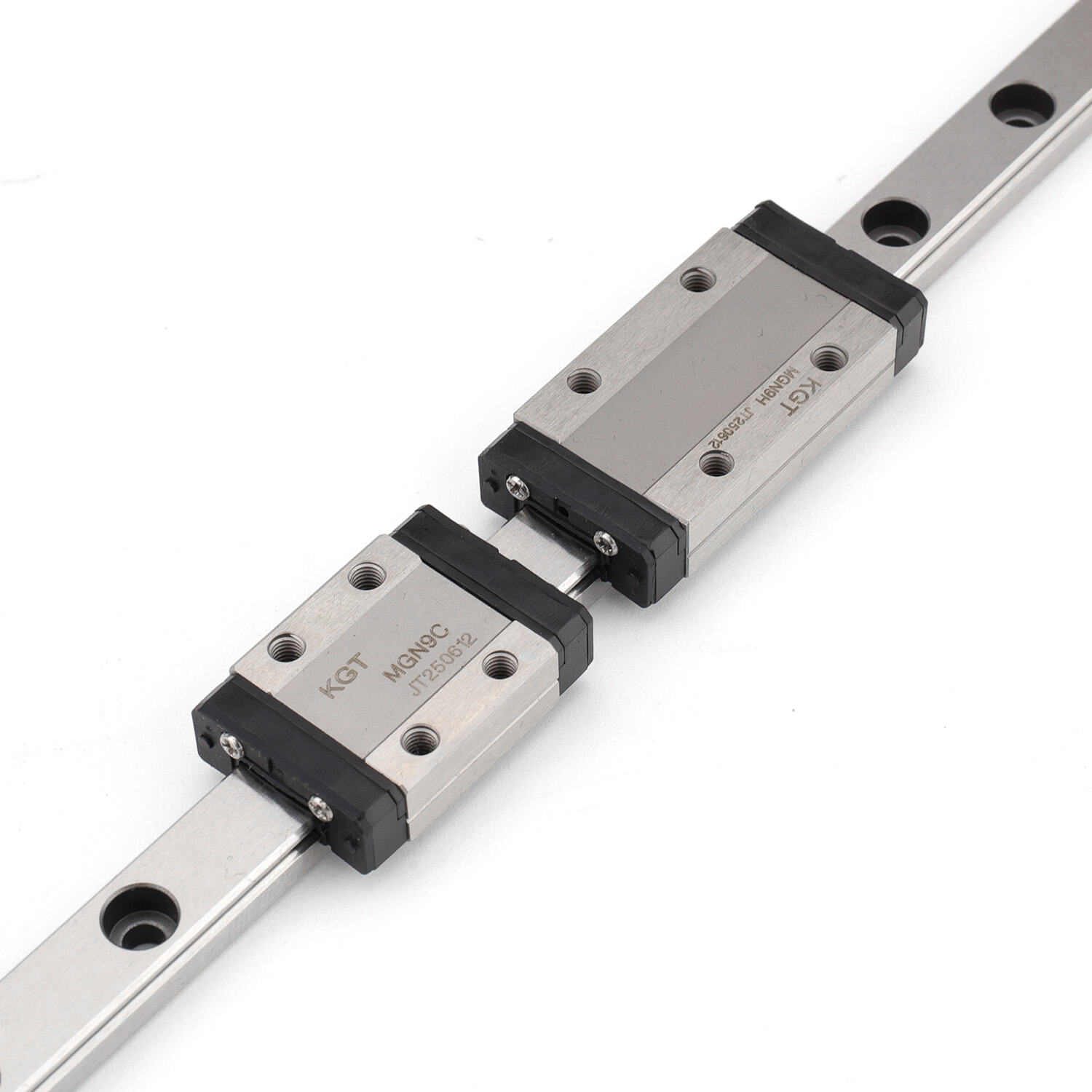
When selecting protective coatings for linear rails, the choice between chrome, nickel, and black oxide can significantly impact the performance, longevity, and cost-effectiveness of your linear motion system. These coatings serve as critical barriers against corrosion, wear, and environmental factors that can compromise the precision and reliability of linear rails in industrial applications. Understanding the distinct advantages and limitations of each coating type enables engineers and procurement specialists to make informed decisions that align with their specific operational requirements and budget constraints.
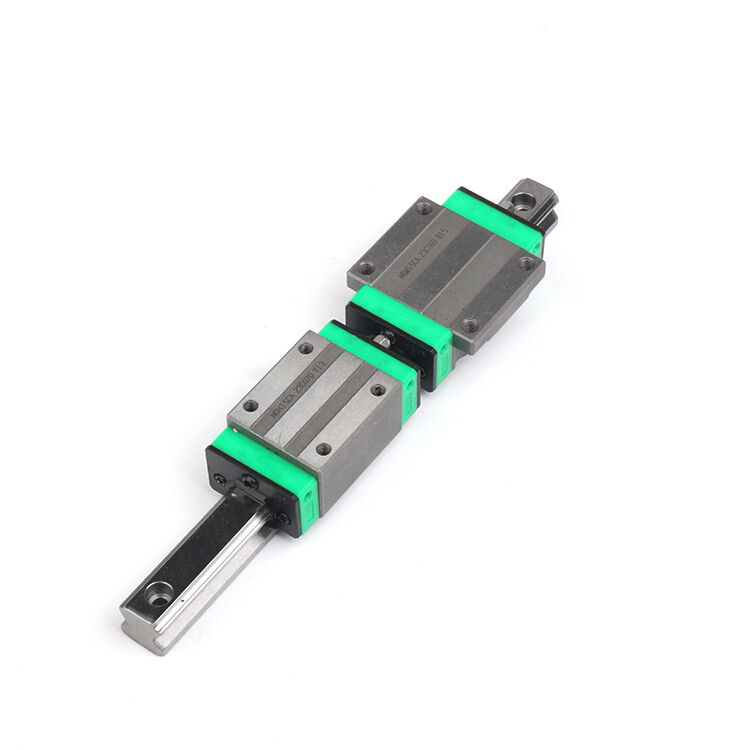
Chrome Plating Technology for Linear Rails
Hard Chrome Electroplating Process
Hard chrome electroplating represents one of the most established and widely adopted coating technologies for linear rails across diverse industrial sectors. The electroplating process involves depositing a thin layer of chromium onto the steel substrate through an electrochemical reaction, creating a surface that exhibits exceptional hardness ratings typically ranging from 68 to 72 HRC. This hardness level significantly exceeds that of most competing coating technologies, making chrome-plated linear rails particularly suitable for high-load applications where surface durability and wear resistance are paramount concerns.
The chrome plating process begins with meticulous surface preparation, including cleaning, degreasing, and sometimes mechanical polishing to ensure optimal adhesion. Linear rails undergo careful masking to protect threaded holes and mounting surfaces from coating buildup. The electroplating bath contains chromic acid and sulfuric acid solutions maintained at specific temperatures and current densities to achieve uniform coating thickness. Quality control measures throughout the process ensure consistent coating properties and dimensional tolerances essential for precision linear motion applications.
Performance Characteristics and Applications
Chrome-plated linear rails deliver superior wear resistance that translates directly into extended service life and reduced maintenance requirements in demanding industrial environments. The low coefficient of friction characteristic of chrome surfaces enhances the smooth operation of linear bearings and reduces energy consumption in automated systems. These properties make chrome-plated linear rails particularly valuable in high-cycle applications such as CNC machining centers, automated assembly lines, and material handling systems where continuous operation is required.
The corrosion resistance provided by chrome plating offers reliable protection against moisture, mild chemicals, and atmospheric contaminants commonly encountered in manufacturing environments. However, the coating can be susceptible to certain aggressive chemicals and may require additional protective measures in highly corrosive environments. Chrome-plated linear rails maintain their dimensional accuracy over extended periods, which is crucial for applications requiring tight positional tolerances and repeatability.
Nickel Coating Solutions and Benefits
Electroless Nickel Plating Technology
Electroless nickel plating has emerged as a sophisticated alternative coating technology for linear rails, offering unique advantages through its chemical deposition process rather than electrochemical methods. This process creates uniform coating thickness across complex geometries and internal surfaces that are difficult to reach with traditional electroplating techniques. Linear rails with electroless nickel coating exhibit excellent conformity to substrate contours, ensuring consistent protection and performance characteristics across the entire rail surface.
The electroless nickel process utilizes a chemical bath containing nickel salts and reducing agents that deposit nickel-phosphorus or nickel-boron alloys onto the substrate surface. The resulting coating typically contains 8-12% phosphorus, which contributes to its amorphous structure and enhanced corrosion resistance properties. Linear rails processed through electroless nickel plating can achieve coating thicknesses ranging from 12 to 75 micrometers, with tight tolerance control that maintains the precision requirements essential for linear motion applications.
Corrosion Resistance and Environmental Protection
Nickel-coated linear rails demonstrate exceptional corrosion resistance that surpasses many alternative coating options, particularly in environments exposed to moisture, salt spray, and mild chemical exposure. The uniform coating coverage achieved through electroless nickel plating eliminates potential weak points where corrosion could initiate, providing comprehensive protection for the underlying steel substrate. This enhanced corrosion resistance makes nickel-coated linear rails ideal for applications in food processing, pharmaceutical, marine, and outdoor industrial environments.
The phosphorus content in electroless nickel coatings contributes to their ability to form a passive layer when exposed to oxidizing conditions, further enhancing long-term corrosion protection. Linear rails with nickel coating maintain their appearance and functional properties even after extended exposure to challenging environmental conditions. The coating's resistance to galvanic corrosion when in contact with dissimilar metals makes it particularly suitable for complex assemblies where multiple material types are present.
Black Oxide Coating Applications
Chemical Conversion Process
Black oxide coating represents a chemical conversion process that transforms the surface layer of steel linear rails into a protective magnetite finish without adding significant thickness to the component dimensions. This process involves immersing the linear rails in an alkaline oxidizing solution at elevated temperatures, typically around 285°F, which creates a controlled oxidation reaction that forms a thin, adherent black oxide layer. The resulting finish integrates with the substrate material rather than forming a separate coating layer, which eliminates concerns about coating adhesion or delamination under stress.
The black oxide process requires careful preparation including thorough cleaning and degreasing to ensure uniform conversion across the entire rail surface. Linear rails undergo multiple process steps including pre-cleaning, activation, conversion, and final sealing treatments that enhance the coating's protective properties. The sealing step typically involves applying oil, wax, or specialized sealers that fill the microporous structure of the oxide layer and significantly improve corrosion resistance and lubricity characteristics.
Cost-Effectiveness and Dimensional Stability
Black oxide coating offers significant cost advantages compared to electroplated alternatives while maintaining dimensional accuracy that is crucial for precision linear rails applications. The minimal thickness of the conversion coating, typically measuring less than 2.5 micrometers, ensures that critical dimensions and tolerances remain unaffected by the coating process. This characteristic eliminates the need for post-coating machining operations that may be required with thicker plated coatings, reducing both processing time and manufacturing costs.
The black oxide finish provides moderate corrosion protection that is suitable for many indoor industrial applications where linear rails are not exposed to severe environmental conditions. When properly sealed, black oxide coated linear rails can provide adequate protection in dry environments and applications with minimal exposure to moisture or corrosive substances. The coating's ability to retain lubricants enhances the operational characteristics of linear motion systems while contributing to extended maintenance intervals.
Comparative Performance Analysis
Wear Resistance and Load Capacity
When comparing wear resistance characteristics across different coating options, chrome-plated linear rails consistently demonstrate superior performance in high-load and high-cycle applications. The exceptional hardness of chrome plating provides resistance to abrasive wear, galling, and surface damage that can occur under heavy loading conditions. Linear rails with chrome coating can withstand higher contact stresses and maintain surface integrity over extended operational periods, making them the preferred choice for demanding industrial applications.
Electroless nickel coating offers moderate wear resistance that is suitable for many standard industrial applications, though it may not match the extreme durability provided by hard chrome plating. The wear characteristics of nickel-coated linear rails depend on the specific alloy composition and heat treatment processes employed during manufacturing. Black oxide coating provides minimal wear resistance enhancement compared to uncoated steel, as the thin conversion layer offers limited protection against mechanical wear and abrasion.
Environmental Compatibility and Service Life
Environmental compatibility varies significantly among coating options, with each type offering distinct advantages in specific application conditions. Nickel-coated linear rails excel in environments with high humidity, chemical exposure, or outdoor installations where corrosion resistance is the primary concern. The uniform coverage and excellent adhesion properties of electroless nickel make it particularly suitable for applications requiring long-term reliability in challenging conditions.
Chrome-plated linear rails perform exceptionally well in controlled industrial environments where mechanical wear is the primary degradation mechanism. However, the coating may be susceptible to certain chemical environments and requires careful material selection for applications involving aggressive substances. Black oxide coated linear rails are best suited for indoor applications with controlled environmental conditions where cost optimization is prioritized over maximum corrosion protection.
Selection Criteria and Decision Framework
Application-Specific Requirements
The selection of appropriate coating technology for linear rails requires careful evaluation of multiple performance criteria including load requirements, environmental conditions, operational cycles, and maintenance accessibility. High-precision applications such as coordinate measuring machines and optical equipment typically benefit from chrome-plated linear rails due to their dimensional stability and low friction characteristics. Heavy-duty industrial applications with extreme loading conditions also favor chrome plating for its superior wear resistance and durability.
Linear rails operating in food processing, pharmaceutical, or marine environments where corrosion resistance is paramount should consider electroless nickel coating as the optimal solution. The uniform coverage and excellent chemical resistance provided by nickel coating ensure reliable performance and compliance with industry hygiene standards. Applications requiring frequent washdown procedures or exposure to cleaning chemicals particularly benefit from the enhanced corrosion protection offered by nickel-coated surfaces.
Economic Considerations and Total Cost Analysis
Economic analysis of coating options must consider both initial costs and long-term operational expenses including maintenance, replacement, and downtime factors. While chrome plating typically involves higher initial costs, the extended service life and reduced maintenance requirements often result in lower total cost of ownership for high-utilization applications. The superior wear resistance translates into longer intervals between replacement and reduced maintenance labor costs over the equipment lifecycle.
Black oxide coating offers the lowest initial cost but may require more frequent maintenance or replacement in demanding applications, potentially increasing long-term operational costs. Electroless nickel coating represents a middle ground option that provides excellent value in applications where corrosion resistance is critical but extreme wear resistance is not required. The decision framework should include consideration of downtime costs, replacement logistics, and the strategic importance of equipment availability to overall production goals.
FAQ
What is the typical service life difference between chrome and nickel coated linear rails?
Chrome-plated linear rails typically provide 2-3 times longer service life compared to nickel-coated alternatives in high-wear applications due to their superior hardness and wear resistance. However, in corrosive environments, nickel-coated linear rails may actually outlast chrome-plated versions due to their enhanced corrosion protection. The actual service life depends heavily on specific operating conditions including load, speed, lubrication, and environmental factors.
Can different coating types be used on the same linear motion system?
Yes, different coating types can be strategically applied within the same linear motion system based on component-specific requirements. For example, linear rails in high-wear zones might use chrome plating while support components in corrosive areas could utilize nickel coating. However, consideration must be given to galvanic compatibility and maintenance procedures to ensure optimal system performance and avoid unexpected interactions between dissimilar materials.
How do coating thickness variations affect linear rail precision?
Coating thickness directly impacts the dimensional accuracy of linear rails, with thicker coatings potentially affecting fit and clearances in precision applications. Chrome plating typically adds 12-25 micrometers to surface dimensions, while electroless nickel can add 12-75 micrometers depending on application requirements. Black oxide coating adds less than 2.5 micrometers, making it the preferred choice when dimensional changes must be minimized. Pre-coating machining adjustments are often necessary for plated linear rails to maintain specified tolerances.
What maintenance procedures are recommended for each coating type?
Chrome-plated linear rails require regular lubrication and protection from chemical exposure, with periodic inspection for coating integrity and wear patterns. Nickel-coated surfaces benefit from gentle cleaning with appropriate solvents and should avoid abrasive cleaning methods that could damage the coating. Black oxide coated linear rails need frequent lubrication to maintain the sealed oxide layer and should be protected from prolonged moisture exposure. All coating types benefit from regular cleaning to remove contaminants that could accelerate wear or corrosion processes.