
 EN
EN
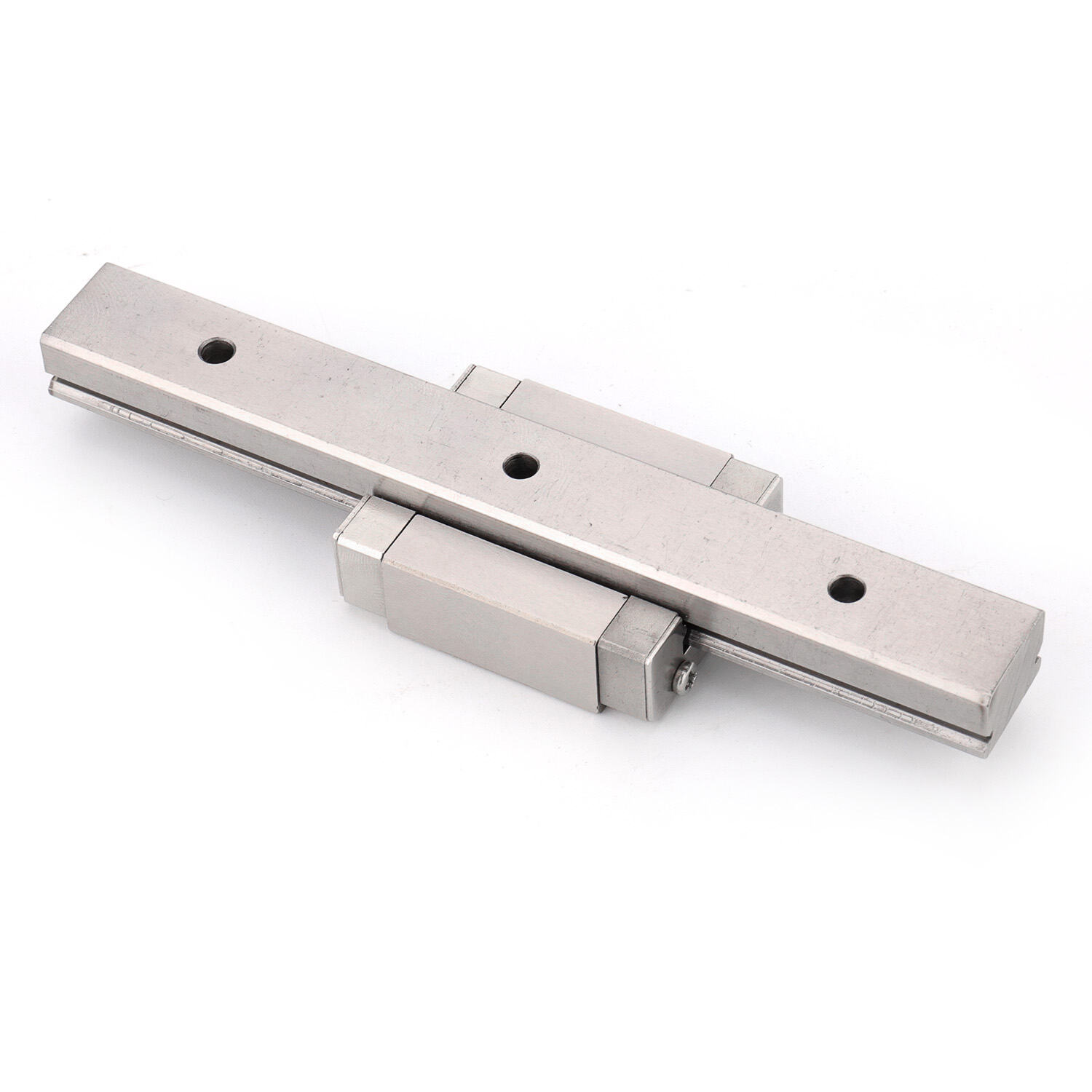
Industrial automation and precision machinery demand exceptional performance from every component, particularly when it comes to motion control systems. A high-quality linear guide serves as the backbone of countless manufacturing applications, providing smooth, accurate movement that directly impacts production efficiency and product quality. Modern manufacturing environments require linear guide systems that can withstand harsh operating conditions while maintaining precise positioning over extended operational periods. The choice of surface finish plays a crucial role in determining the longevity and performance characteristics of these essential components.
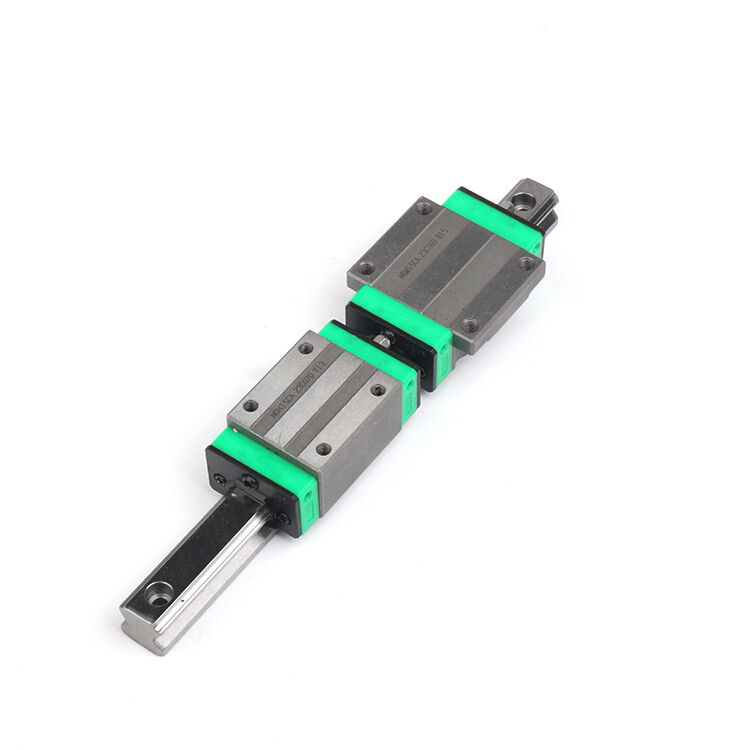
Understanding Linear Guide Surface Treatments
Chrome Plating Technology
Chrome plating represents one of the most established surface treatment methods for linear guide components, offering exceptional hardness and corrosion resistance. This electrochemical process deposits a thin layer of chromium onto the steel substrate, creating a mirror-like finish that significantly enhances wear resistance. Chrome-plated linear guide systems typically exhibit superior performance in environments where moisture and chemical exposure present ongoing challenges. The hardness achieved through chrome plating often exceeds 60 HRC, providing excellent resistance to abrasive wear and scoring.
The smoothness of chrome-plated surfaces contributes to reduced friction coefficients, which translates into lower operating forces and improved energy efficiency. Manufacturing facilities utilizing chrome-plated linear guide systems often report extended maintenance intervals and reduced downtime due to the enhanced durability of these components. The reflective properties of chrome plating also facilitate visual inspection, allowing maintenance personnel to quickly identify potential wear patterns or contamination issues.
Black Oxide Finishing Process
Black oxide treatment offers an alternative approach to surface protection that combines corrosion resistance with improved aesthetics. This chemical conversion process transforms the surface layer of steel into magnetite, creating a black finish that provides moderate corrosion protection while maintaining dimensional accuracy. Black oxide finished linear guide components demonstrate excellent performance in applications where visual appearance and stealth characteristics are important considerations.
The porous nature of black oxide coatings allows for enhanced oil retention, which can improve lubrication characteristics in certain applications. This property makes black oxide treated linear guide systems particularly suitable for applications where consistent lubrication distribution is critical. Manufacturing environments with controlled atmospheres often benefit from the low-maintenance characteristics of black oxide finishes, as the treatment provides adequate protection without the thickness variations that can occur with other coating methods.
Performance Characteristics and Applications
Load Capacity and Durability
The surface treatment selection significantly influences the load-bearing capacity and operational lifespan of linear guide systems. Chrome-plated variants typically demonstrate superior performance under heavy-duty applications, where dynamic and static loads approach the maximum rated capacity. The enhanced hardness provided by chrome plating enables these linear guide systems to maintain accuracy even under challenging loading conditions that would cause premature wear in untreated components.
Black oxide treated linear guide assemblies excel in applications where moderate loads are combined with frequent directional changes or high-cycle operations. The inherent flexibility of the black oxide layer helps accommodate minor surface imperfections without compromising overall performance. Industries such as packaging machinery and automated assembly systems frequently specify black oxide linear guide components due to their balanced performance characteristics and cost-effectiveness.
Environmental Resistance
Environmental factors play a crucial role in determining the appropriate surface treatment for linear guide applications. Chrome plating provides exceptional resistance to moisture, chemicals, and temperature variations, making it the preferred choice for outdoor installations and harsh industrial environments. Food processing facilities and pharmaceutical manufacturing operations often require chrome-plated linear guide systems to meet stringent hygiene and contamination control standards.
Black oxide finishes offer adequate environmental protection for indoor applications where temperature and humidity remain within controlled ranges. The treatment provides effective protection against atmospheric corrosion while maintaining the dimensional stability required for precision applications. Electronics manufacturing and laboratory automation equipment commonly utilize black oxide linear guide systems where environmental conditions are carefully managed and appearance considerations are important.
Installation and Maintenance Considerations
Proper Installation Techniques
Successful linear guide installation requires careful attention to mounting surface preparation and alignment procedures. Chrome-plated linear guide systems demand precise mounting to prevent stress concentrations that could damage the plated surface. The installation process must account for thermal expansion characteristics and ensure proper preload adjustment to maximize operational lifespan. Mounting hardware should be torqued to manufacturer specifications to prevent distortion of the linear guide rail.
Black oxide finished linear guide components typically offer more forgiving installation characteristics due to their inherent surface properties. However, proper handling procedures remain essential to prevent contamination or damage during assembly. Installation teams should utilize clean assembly practices and appropriate lifting equipment to position linear guide assemblies without introducing stress concentrations or surface contamination that could compromise long-term performance.
Maintenance Requirements
Maintenance protocols for linear guide systems vary significantly based on surface treatment and operating conditions. Chrome-plated linear guide assemblies typically require periodic cleaning with appropriate solvents to remove accumulated contaminants without damaging the plated surface. Lubrication intervals should follow manufacturer recommendations, with particular attention to lubricant compatibility with chrome surfaces to prevent chemical interactions that could compromise performance.
Black oxide linear guide systems generally require more frequent lubrication due to the porous nature of the surface treatment. However, this characteristic also enables better lubricant retention, which can extend operational periods between maintenance cycles. Cleaning procedures for black oxide finishes should avoid aggressive chemicals that could compromise the conversion coating integrity. Regular inspection schedules should monitor for signs of wear or corrosion that might indicate the need for component replacement or maintenance adjustment.
Cost-Benefit Analysis and Selection Criteria
Initial Investment Considerations
The selection between chrome-plated and black oxide linear guide systems involves careful evaluation of initial costs versus long-term operational benefits. Chrome plating typically requires higher initial investment due to the complexity of the electroplating process and associated quality control requirements. However, the extended operational lifespan and reduced maintenance requirements often justify the additional upfront expense for demanding applications.
Black oxide treatment represents a more economical surface finish option that provides adequate performance for many industrial applications. The lower processing costs associated with chemical conversion treatments make black oxide linear guide systems attractive for high-volume applications where budget constraints are significant factors. Manufacturing operations with standardized maintenance programs can often achieve excellent cost-effectiveness with properly specified black oxide linear guide components.
Total Cost of Ownership
Long-term cost analysis must consider factors beyond initial purchase price, including maintenance frequency, replacement intervals, and operational downtime costs. Chrome-plated linear guide systems typically demonstrate lower total cost of ownership for applications involving heavy loads, harsh environments, or critical positioning requirements. The extended service life and reduced maintenance requirements often result in significant cost savings over the operational lifespan of manufacturing equipment.
Black oxide linear guide assemblies can provide excellent value for applications where operating conditions remain within moderate parameters and regular maintenance schedules are maintained. The key to achieving optimal cost-effectiveness lies in proper application matching and adherence to recommended maintenance protocols. Organizations with comprehensive preventive maintenance programs often realize substantial cost benefits from strategically specified black oxide linear guide systems.
FAQ
What factors should be considered when choosing between chrome plating and black oxide finishes for linear guide systems
The selection should be based on operating environment conditions, load requirements, maintenance capabilities, and budget constraints. Chrome plating offers superior corrosion resistance and durability for harsh environments and heavy-duty applications, while black oxide provides adequate protection for controlled environments at a lower cost. Consider factors such as exposure to moisture, chemicals, temperature variations, and the availability of regular maintenance resources when making your selection.
How do surface treatments affect the precision and accuracy of linear guide systems
Both chrome plating and black oxide treatments can maintain the precision characteristics of properly manufactured linear guide components when applied correctly. Chrome plating adds minimal thickness while providing a smooth, hard surface that maintains accuracy over extended operational periods. Black oxide treatment involves chemical conversion of the surface layer without significant dimensional changes, preserving original manufacturing tolerances while providing moderate surface protection.
What maintenance procedures are recommended for different surface treatments on linear guide systems
Chrome-plated linear guide systems require gentle cleaning with compatible solvents and lubricants specifically formulated for plated surfaces. Avoid abrasive cleaning methods that could damage the chrome layer. Black oxide finished systems benefit from more frequent lubrication due to the porous surface, but this same characteristic helps retain lubricants longer. Both treatments require regular inspection for wear patterns and appropriate lubrication according to manufacturer specifications.
Can surface treatments be applied to existing linear guide systems or only during manufacturing
Surface treatments are typically applied during the manufacturing process to ensure proper surface preparation, dimensional control, and quality assurance. Retrofitting existing linear guide components with chrome plating or black oxide treatment is generally not recommended due to the precision requirements and potential dimensional changes involved. Replacement with properly treated components is usually the most cost-effective approach when upgrading surface protection levels.
Table of Contents
- Understanding Linear Guide Surface Treatments
- Performance Characteristics and Applications
- Installation and Maintenance Considerations
- Cost-Benefit Analysis and Selection Criteria
-
FAQ
- What factors should be considered when choosing between chrome plating and black oxide finishes for linear guide systems
- How do surface treatments affect the precision and accuracy of linear guide systems
- What maintenance procedures are recommended for different surface treatments on linear guide systems
- Can surface treatments be applied to existing linear guide systems or only during manufacturing