
 EN
EN
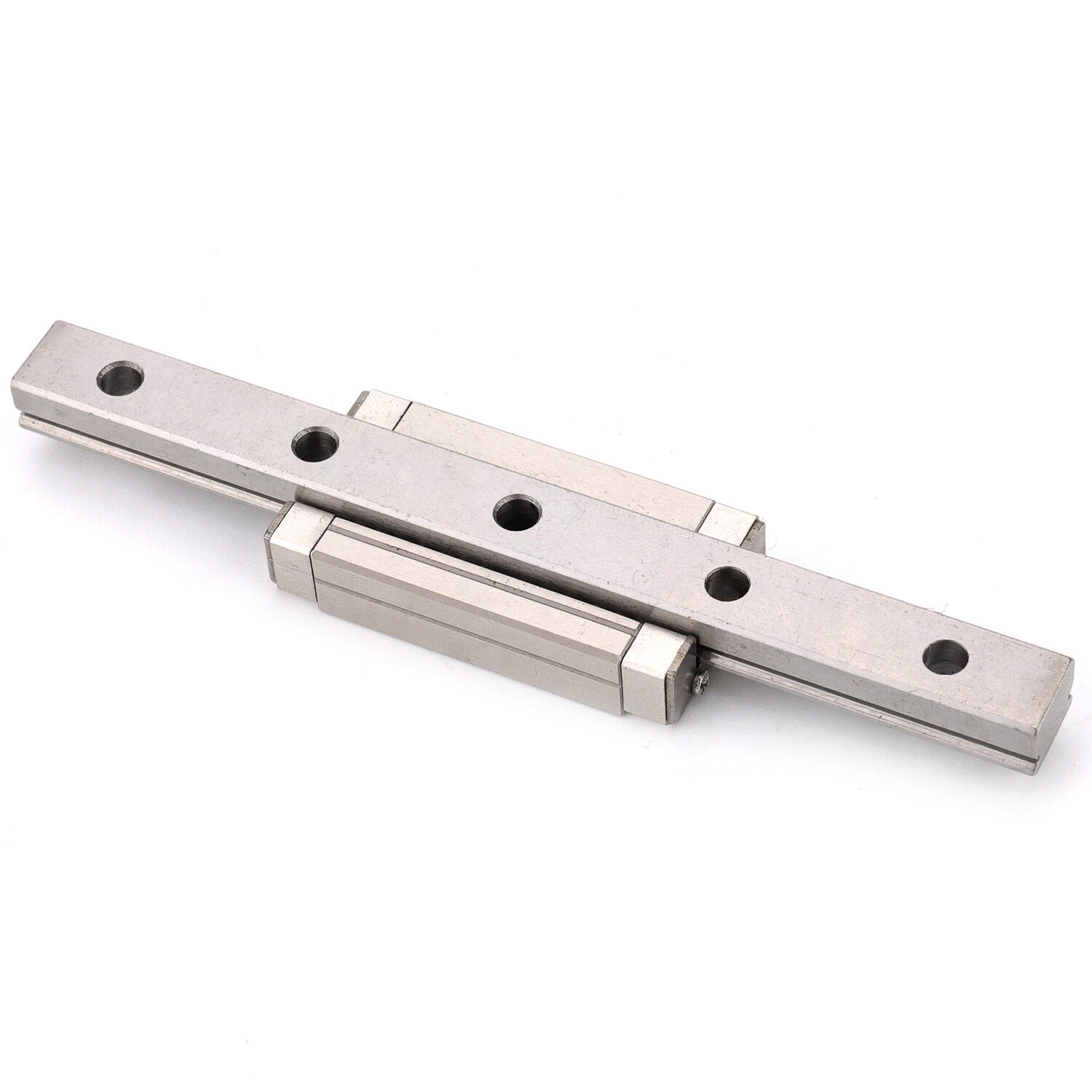
Engineering reliable motion control systems requires precision-crafted slide linear components that meet exacting industrial standards. When manufacturing equipment demands consistent linear motion over millions of cycles, the quality of slide linear systems becomes paramount to operational success. Custom drilling patterns and specialized plating processes transform standard linear guides into application-specific solutions that deliver enhanced performance, extended service life, and reduced maintenance requirements across diverse industrial environments.
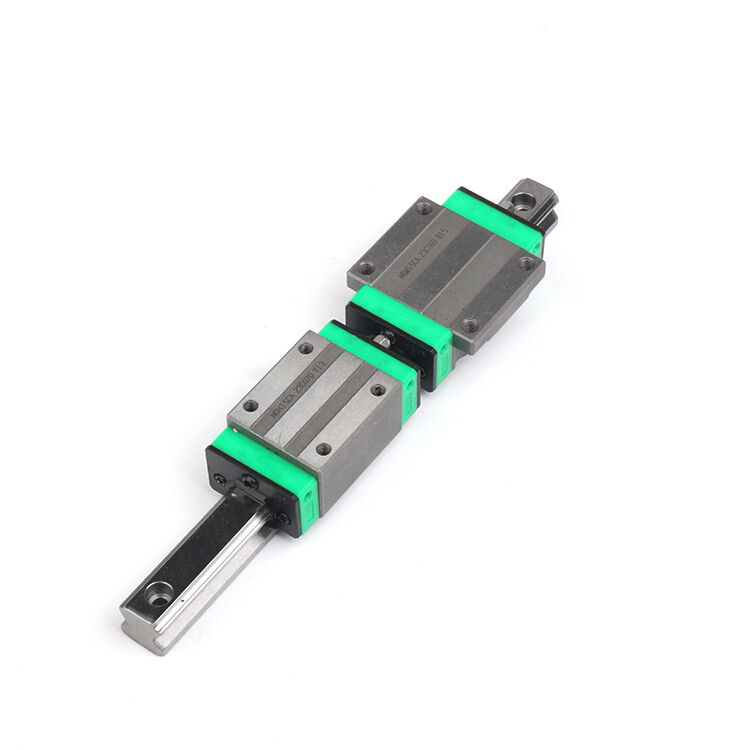
The integration of custom drilling techniques and quality plating finishes elevates slide linear systems beyond conventional off-the-shelf solutions. Modern manufacturing environments demand linear motion components that withstand harsh operating conditions while maintaining precise positioning accuracy. Through specialized engineering processes, manufacturers can create slide linear assemblies that address specific load requirements, environmental challenges, and performance expectations unique to each application.
Precision Manufacturing Fundamentals for Slide Linear Systems
Advanced Machining Tolerances in Linear Guide Production
Precision-crafted slide linear systems begin with advanced machining processes that achieve tolerances measured in micrometers rather than standard manufacturing units. The rail surface undergoes multi-stage grinding operations using diamond-embedded wheels to create surface finishes that minimize friction while maximizing load distribution. Each slide linear component requires specific tolerance ranges that account for thermal expansion, operational loads, and assembly clearances to ensure optimal performance throughout the system's operational life.
Manufacturing precision extends to the carriage block geometry where internal raceways must align perfectly with ball bearing circulation patterns. The slide linear assembly's performance depends heavily on maintaining consistent contact angles between rolling elements and raceway surfaces. Advanced coordinate measuring machines verify dimensional accuracy during production, ensuring each slide linear unit meets specified straightness, parallelism, and surface roughness requirements.
Material Selection for Enhanced Durability
High-grade steel alloys form the foundation of reliable slide linear systems, with material composition specifically engineered for linear motion applications. The carbon content, chromium percentage, and heat treatment processes determine the slide linear component's ability to resist wear, maintain dimensional stability, and withstand dynamic loading conditions. Premium slide linear manufacturers utilize vacuum-degassed steel to eliminate impurities that could compromise bearing performance or create premature failure points.
Material certification processes verify chemical composition, grain structure, and mechanical properties before machining begins. Each slide linear rail undergoes induction hardening to achieve surface hardness levels between 58-62 HRC while maintaining core toughness. The balance between surface hardness and core strength ensures slide linear assemblies can handle shock loads without brittle failure while resisting surface deformation under continuous operation.
Custom Drilling Applications and Engineering Benefits
Mounting Hole Optimization for Specific Applications
Custom drilling patterns in slide linear rails enable precise integration with existing machine structures and specialized mounting requirements. Standard mounting hole configurations may not align with legacy equipment or unique assembly constraints, necessitating custom drilling services that maintain structural integrity while accommodating specific bolt patterns. The slide linear system's performance relies on proper mounting alignment, making custom hole placement critical for achieving specified accuracy and load capacity.
Engineering analysis determines optimal drilling locations that avoid stress concentration points while maintaining the rail's load-bearing capacity. Custom slide linear drilling requires specialized fixtures and programming to ensure hole positioning accuracy within ±0.02mm. The drilling process must account for material removal effects on rail stiffness and consider how modified cross-sections impact the slide linear assembly's dynamic response characteristics.
Lubrication and Sealing Integration Through Custom Features
Custom drilling enables the integration of centralized lubrication systems and enhanced sealing mechanisms within slide linear assemblies. Specialized lubrication ports can be precisely positioned to ensure optimal grease distribution throughout the bearing raceways, extending service intervals and improving reliability. The slide linear system benefits from consistent lubrication delivery that reaches all critical contact points without requiring disassembly for maintenance.
Drainage holes and contamination relief features can be incorporated through custom drilling to protect slide linear components from environmental debris. These features become particularly important in applications involving coolants, metal chips, or abrasive particles that could compromise bearing performance. Strategic placement of relief holes allows contaminants to escape while maintaining the slide linear assembly's structural integrity and sealing effectiveness.
Quality Plating Processes and Surface Enhancement
Corrosion Resistance Through Advanced Coating Systems
Quality plating processes transform slide linear surfaces to withstand corrosive environments while maintaining precise dimensional requirements. Electroless nickel plating provides uniform coverage across complex geometries, creating a barrier layer that protects the base material without affecting the slide linear system's critical tolerances. The plating thickness must be carefully controlled to maintain bearing clearances while providing adequate protection against moisture, chemicals, and atmospheric corrosion.
Chrome plating offers exceptional hardness and wear resistance for slide linear applications requiring extended service life under heavy loading conditions. The plating process includes pre-treatment stages that ensure proper adhesion and uniform thickness distribution across bearing surfaces. Quality control measures verify plating thickness, adhesion strength, and surface finish characteristics to ensure each slide linear component meets specified performance requirements.
Specialized Surface Treatments for Enhanced Performance
Advanced surface treatments extend beyond basic plating to include specialized coatings that reduce friction and improve wear characteristics in slide linear systems. Titanium nitride coatings provide exceptional hardness while maintaining low friction coefficients, making them ideal for high-speed slide linear applications. The coating process occurs at controlled temperatures to prevent dimensional changes that could affect bearing clearances or assembly tolerances.
Phosphate treatments create micro-porous surfaces that enhance lubricant retention while providing temporary corrosion protection during storage and transportation. These treatments are particularly beneficial for slide linear assemblies that operate in intermittent service where lubrication films may be disrupted. The phosphate layer acts as a reservoir for lubricants while providing a base for additional coating systems when required.
Application-Specific Engineering Considerations
Load Capacity Optimization Through Design Integration
Engineering reliable slide linear systems requires careful analysis of load conditions, including static loads, dynamic forces, and moment loads that affect bearing life calculations. The slide linear assembly must accommodate not only primary thrust forces but also side loads and overturning moments that occur during operation. Custom engineering considers the complete force spectrum to optimize bearing arrangement, preload settings, and support structure requirements.
Load distribution analysis ensures that each slide linear bearing operates within its design envelope while accounting for manufacturing tolerances and assembly variations. The system's reliability depends on balanced loading across multiple bearing points, requiring precise control of mounting surfaces and alignment procedures. Engineering calculations verify that maximum loads remain below bearing capacity limits even under worst-case operational scenarios.
Environmental Adaptations for Harsh Operating Conditions
Slide linear systems operating in challenging environments require specialized engineering to address temperature extremes, contamination exposure, and vibration conditions. Material selection considers thermal expansion coefficients to maintain proper bearing clearances across the operational temperature range. Custom sealing arrangements protect slide linear components from ingress while allowing thermal movement and pressure equalization.
Vibration isolation measures prevent resonance conditions that could affect slide linear positioning accuracy or accelerate bearing wear. The system design incorporates damping elements and structural modifications that minimize transmitted vibrations while maintaining rigidity for precise motion control. Environmental testing validates slide linear performance under simulated operational conditions before deployment in critical applications.
Quality Assurance and Performance Validation
Testing Protocols for Precision Verification
Comprehensive testing protocols verify that precision-crafted slide linear systems meet specified performance requirements before delivery. Dimensional inspection confirms that custom drilling maintains positional accuracy while preserving structural integrity of the rail assembly. Load testing validates that each slide linear unit can handle rated capacities with appropriate safety margins across the complete travel range.
Dynamic performance testing evaluates slide linear systems under simulated operational conditions, measuring positioning accuracy, repeatability, and vibration characteristics. Endurance testing subjects slide linear assemblies to accelerated life cycles that simulate years of operation within compressed timeframes. These tests identify potential failure modes and validate expected service life under specified operating conditions.
Certification and Documentation Standards
Quality slide linear manufacturers maintain comprehensive documentation that traces material certifications, manufacturing processes, and inspection results throughout production. Each slide linear assembly receives individual certification documenting dimensional compliance, surface finish measurements, and performance test results. This documentation provides traceability for quality assurance and supports predictive maintenance programs.
Manufacturing records include details of custom drilling operations, plating parameters, and final inspection data that enable troubleshooting and warranty support. The slide linear system's documentation package includes installation guidelines, lubrication specifications, and recommended maintenance intervals based on application requirements. Proper documentation ensures that slide linear assemblies maintain their engineered reliability throughout their operational life.
FAQ
What are the key benefits of custom drilling in slide linear systems?
Custom drilling in slide linear systems enables precise integration with existing equipment while maintaining structural integrity and load capacity. It allows for specialized mounting patterns, lubrication ports, and sealing features that enhance system performance and reliability in specific applications.
How does quality plating affect slide linear system performance?
Quality plating provides corrosion protection, enhanced wear resistance, and improved surface characteristics without compromising dimensional tolerances. Advanced plating processes extend service life while maintaining the precision required for accurate linear motion control in demanding industrial environments.
What testing is performed on precision-crafted slide linear assemblies?
Precision-crafted slide linear assemblies undergo dimensional inspection, load testing, dynamic performance evaluation, and endurance testing. These comprehensive test protocols verify positioning accuracy, load capacity, and expected service life under specified operating conditions.
How do environmental conditions influence slide linear system design?
Environmental conditions such as temperature extremes, contamination exposure, and vibration levels require specialized engineering considerations including material selection, sealing arrangements, and structural modifications. Custom engineering ensures slide linear systems maintain performance and reliability in challenging operating environments.