
 EN
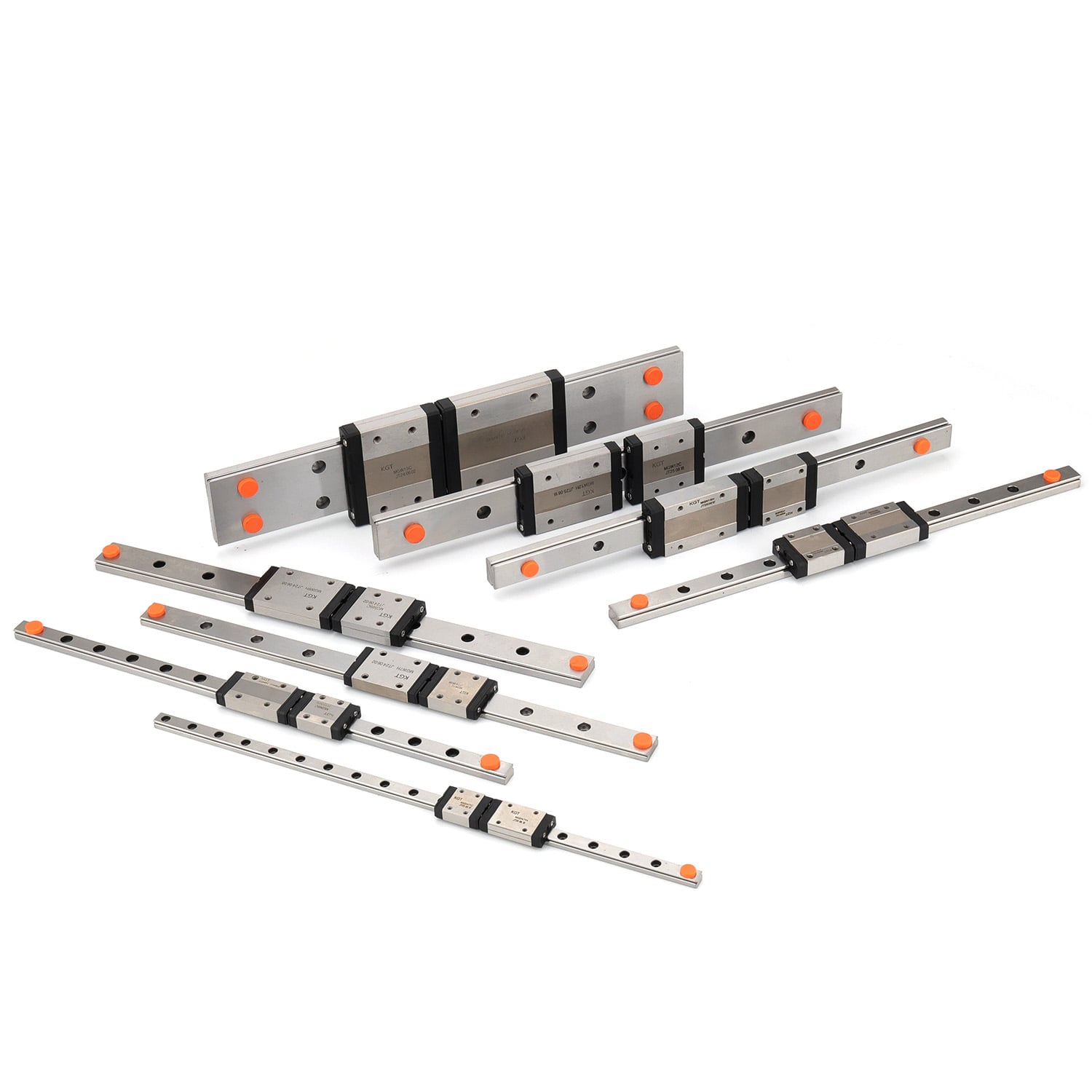
The choice between slide linear motion systems and rotary systems fundamentally shapes how industrial machinery performs. Understanding the distinction between these two approaches is essential for engineers and procurement teams selecting motion solutions for automation applications. While rotary systems have dominated industrial design for decades, slide linear motion technology has evolved to address specific precision and efficiency challenges that rotary alternatives cannot easily match. This comparison explores the practical differences, performance characteristics, and decision factors that separate these two technologies.
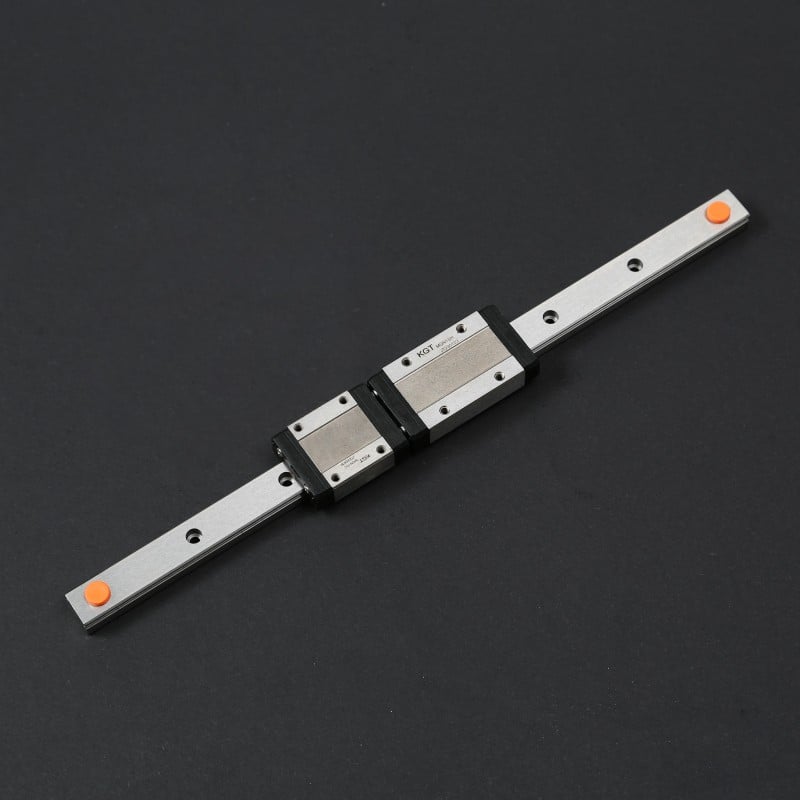
Rotary systems convert motor torque into rotational movement, while slide linear motion delivers force along a straight axis. This fundamental architectural difference cascades into implications for speed, precision, maintenance requirements, and cost structure. Engineers frequently assume rotary mechanisms are universally superior because of their historical prevalence, but industrial applications increasingly favor slide linear configurations for positioning tasks, material handling, and assembly operations where linear travel offers inherent advantages over rotational conversion.
Core Performance Differences Between Systems
Motion Path and Precision Fundamentals
Slide linear motion systems deliver movement along a single axis without mechanical conversion, inherently reducing sources of positional error. A slide linear guideway provides direct contact between the bearing elements and the rail, maintaining dimensional consistency across the full stroke. Rotary systems must employ mechanical conversion mechanisms such as lead screws, belt drives, or rack-and-pinion arrangements to transform rotational energy into linear displacement. Each conversion stage introduces potential play, elasticity, and accumulated geometric tolerance that affects accuracy. In precision manufacturing environments where tolerances measure in micrometers, this architectural distinction becomes critical to system performance and product quality.
The slide linear approach eliminates intermediate mechanical stages, directly translating motor input into predictable linear positioning. Rotary-to-linear conversion mechanisms introduce compliance and backlash that must be compensated through additional calibration, monitoring, or mechanical preloading. For applications requiring repetitive positioning accuracy within tight windows, slide linear motion delivers superior consistency without elaborate compensation strategies. Pharmaceutical packaging, semiconductor wafer positioning, and precision metalworking operations increasingly specify slide linear solutions because conversion losses in rotary systems cannot be fully overcome through software correction alone.
Speed and Acceleration Capability
Slide linear systems achieve higher linear velocities and accelerations than rotary mechanisms operating at equivalent motor speeds. This performance advantage stems from the direct coupling between motor and load, avoiding velocity reduction required in rotary-to-linear conversion gearboxes or screw pitch limitations. A slide linear system can accelerate a payload from rest to operating speed more rapidly than a rotary mechanism producing identical linear distance per revolution. Industrial pick-and-place machines, high-speed assembly lines, and rapid positioning applications benefit substantially from this acceleration advantage. Cycle time reductions directly improve production throughput and system competitiveness in time-sensitive manufacturing environments.
Rotary systems with mechanical conversion experience speed degradation through transmission losses in gearboxes, belt slip, or screw friction. Electric motor efficiency remains high, but conversion efficiency in mechanical systems ranges from 60 to 90 percent depending on configuration and load profile. Slide linear motion avoids these efficiency penalties, directing motor output more directly to useful work. Over operational lifetime, energy consumption differences compound substantially, and high-cycle-rate operations demonstrate cost advantages favoring slide linear architectures.
Mechanical Design and System Integration
Load Capacity and Stiffness Characteristics
Slide linear motion systems distribute loads across multiple bearing points along the full rail length, creating exceptional lateral and moment stiffness relative to payload. A slide linear guideway with multiple rolling element carriages resists deflection far more effectively than rotary screw-based systems where load concentration occurs primarily at the screw bearing points. High-precision applications involving heavy payloads or cantilevered loads benefit from the distributed load path inherent in slide linear design. Machine tool spindle supports, gantry systems, and large-format positioning stages increasingly employ slide linear technology to maintain geometric accuracy under significant operational loads.
Rotary systems concentrate reaction loads at bearing and mounting points along the screw axis, creating potential for deflection and vibration under asymmetric loading. Compensating for these characteristics requires additional structural reinforcement, larger frame dimensions, or acceptance of reduced positional accuracy. Slide linear solutions achieve equivalent load capacity with more compact installations because the distributed bearing arrangement inherently resists distortion. This structural advantage translates to lighter machinery frames, reduced material costs, and improved dynamic stability during acceleration cycles.
Maintenance, Contamination, and Longevity
Slide linear systems employ sealed rolling element bearings that require periodic lubrication but demonstrate predictable wear characteristics and extended service intervals. The sealed guideway design protects internal bearing elements from dust, coolant, and airborne contamination common in industrial workshops. When maintenance occurs, the slide linear modular design permits straightforward component replacement without full system disassembly. Lead screws used in rotary-based linear systems require more frequent cleaning and relubrication because contaminants accumulate in the thread grooves and engage grinding action with nut elements. Slide linear technology exhibits superior contamination resistance, particularly in harsh industrial environments where coolant spray and metal dust threaten mechanical systems.
Rotary conversion mechanisms experience accelerated wear when operating with side loads or thermal cycling because thread pitch consistency degrades gradually under repetitive stress. Slide linear guideways maintain positional accuracy across hundreds of millions of cycles because rolling elements distribute contact stress more uniformly than sliding screw threads. This longevity advantage reduces unplanned downtime, extends maintenance intervals, and decreases total cost of ownership across equipment lifetime. Industrial facilities operating continuously find slide linear systems deliver superior reliability economics compared to rotary alternatives.
Application Selection and Strategic Considerations
Industry-Specific Implementation Patterns
Electronics manufacturing, medical device assembly, and pharmaceutical production predominantly specify slide linear motion systems because precision requirements and product quality standards demand the performance advantages that slide linear technology provides. Rotary systems remain appropriate for general material handling, simple positioning, and applications where tolerance windows exceed slide linear cost justification thresholds. Understanding this segmentation prevents over-specification where rotary systems adequately meet requirements and false economy where inadequate slide linear sizing compromises production quality. Strategic procurement decisions require matching motion technology to actual application demands rather than defaulting to conventional preferences.
Textile machinery, packaging equipment, and food processing traditionally utilize rotary conversion systems because product requirements permit larger tolerance windows and contamination exposure favors cost-optimized designs. As automation accelerates and production volumes increase, more of these industries are transitioning toward slide linear systems to achieve throughput targets and reduce quality variation. Machine designers increasingly incorporate slide linear motion as standard platform components rather than optional upgrades, reflecting market recognition that slide linear performance justifies investment in environments demanding consistent accuracy and reliability.
Economic Framework and Total Cost Analysis
Initial acquisition cost favors rotary systems in simple configurations, but total cost of ownership calculations often demonstrate slide linear advantages across extended operational horizons. Energy consumption differences accumulate over years of continuous operation, generating substantial savings in high-utilization environments. Reduced maintenance frequency and longer service intervals decrease labor costs and unplanned downtime expenses. Improved precision reduces scrap rates and rework cycles, delivering benefits that extend beyond equipment operating costs into overall production economics. Evaluating motion system alternatives requires sophisticated cost modeling that captures energy, maintenance, quality, and throughput impacts rather than isolated equipment purchase price.
Organizations facing rapid production scaling benefit from slide linear architecture because system performance remains consistent across increasing production rates. Rotary systems operating near maximum practical speed or acceleration may require hardware upgrades to achieve throughput targets, necessitating reinvestment. Slide linear platforms accommodate throughput growth through control parameter adjustment and optimization, reducing the need for mechanical replacement. This flexibility creates strategic advantage for growing manufacturers seeking equipment capable of expanding production without major capital expenditure.
FAQ
What performance advantages does slide linear motion deliver compared to rotary systems?
Slide linear motion systems achieve superior precision by eliminating mechanical conversion stages that introduce backlash and accumulated geometric error in rotary configurations. Direct linear travel allows faster acceleration, higher velocities, and more consistent positioning accuracy across operational cycles. Distributed load paths in slide linear designs provide exceptional stiffness and resistance to lateral deflection, enabling more compact machinery frames. These advantages compound in high-precision, high-cycle-rate applications where rotary alternatives struggle to meet performance and reliability standards.
When should manufacturers choose rotary systems instead of slide linear motion?
Rotary systems remain cost-effective for applications with generous tolerance windows, simple positioning requirements, and lower precision demands. General material handling, bulk movement operations, and applications where position accuracy measures in millimeters rather than micrometers often justify rotary architecture. Contaminated environments where sealed slide linear protection cannot be maintained may favor simpler rotary designs. Evaluating actual application requirements prevents unnecessary investment in slide linear precision where rotary capabilities adequately satisfy functional demands.
How does maintenance differ between slide linear and rotary motion systems?
Slide linear systems employ sealed rolling element bearings requiring periodic lubrication but resisting contamination and demonstrating predictable wear over extended service cycles. Rotary screw-based systems need more frequent cleaning and relubrication because contaminants accumulate in thread grooves. Slide linear modular design permits straightforward component replacement without complete system disassembly, reducing maintenance labor. Overall, slide linear technology exhibits lower total maintenance requirements, longer service intervals, and superior reliability in industrial environments subjected to dust, coolant, and thermal cycling.