
 EN
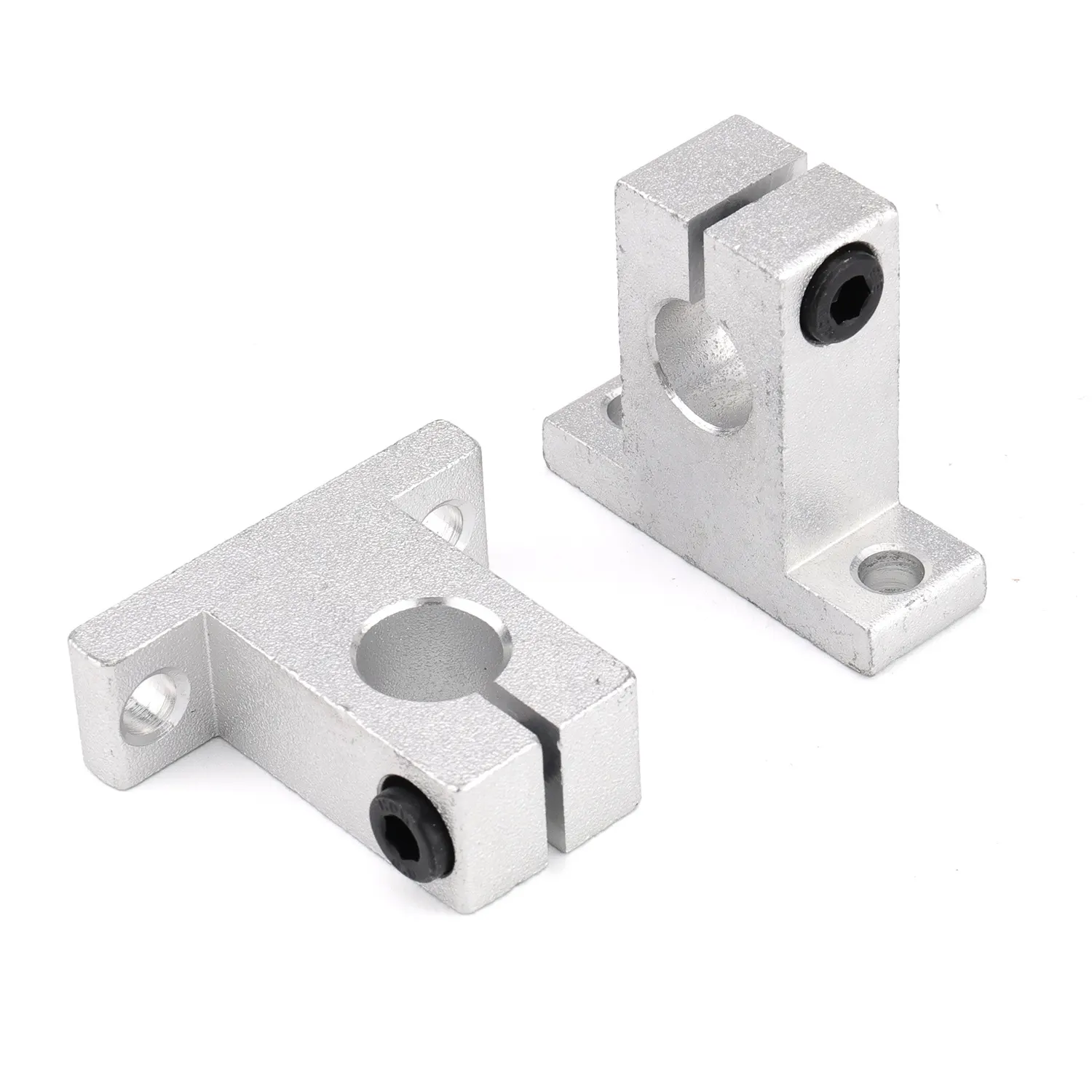
Rail linear systems are fundamental components in modern industrial machinery and automation applications. A slide linear system enables precise, controlled motion along a fixed path using specialized rails and carriages designed to handle heavy loads with minimal friction. These systems form the backbone of countless manufacturing processes, from precision assembly lines to material handling equipment, because they deliver reliable, repeatable accuracy that mechanical systems depend on for consistent performance.
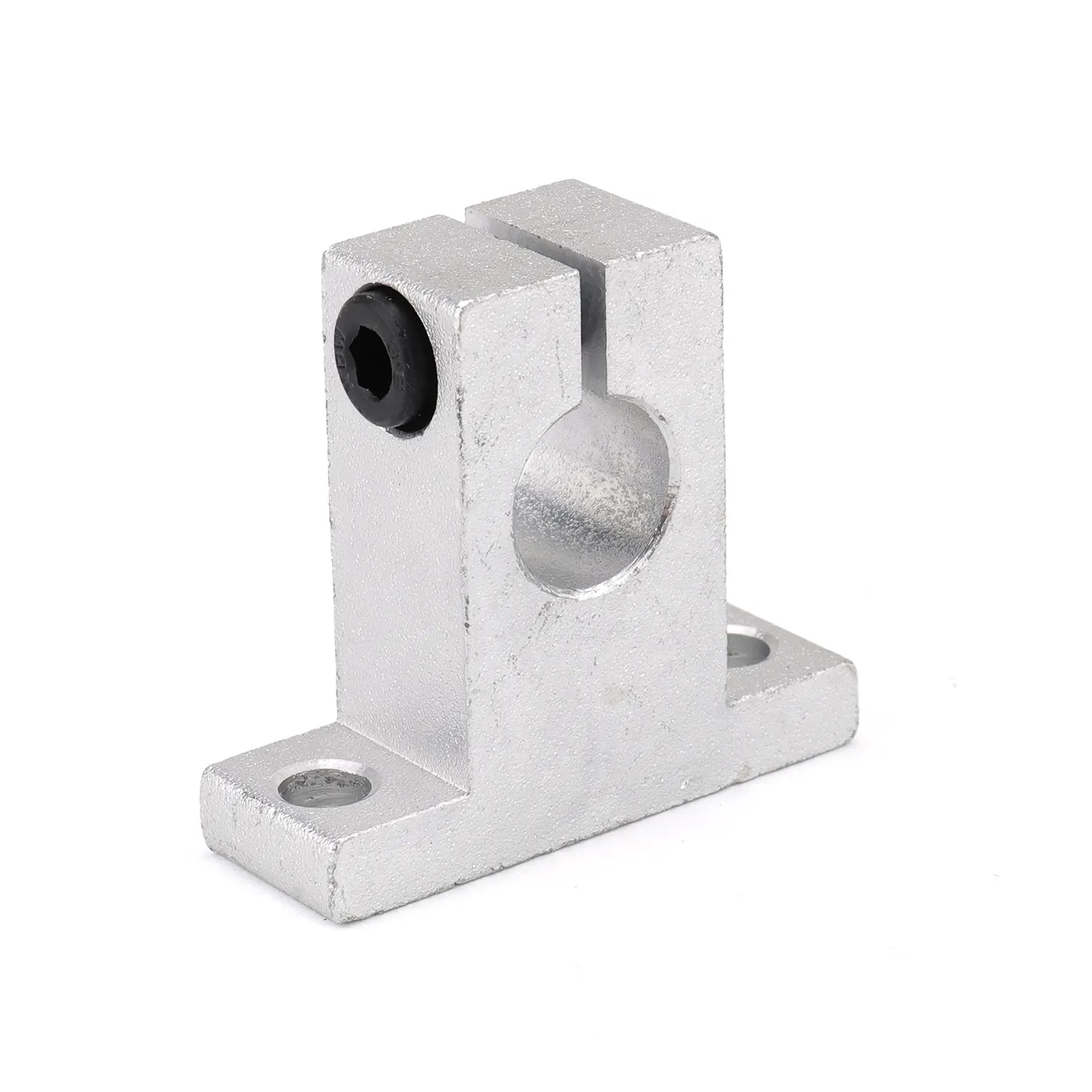
Understanding how slide linear systems operate is essential for engineers, plant managers, and procurement professionals who need to select the right motion solutions for their applications. The technology behind slide linear rails has evolved significantly, combining precision engineering with durable materials to meet demanding industrial requirements. This guide explains the core mechanics, key components, and practical considerations that make slide linear systems an indispensable choice across industries.
Core Components and Mechanical Principles of Slide Linear Technology
Understanding the Slide Linear Rail Structure
A slide linear system consists of several critical components working together to enable smooth, controlled motion. The rail itself is a hardened steel profile that serves as the fixed guide path, while the carriage or slider rides along this rail using precision ball bearings or needle rollers. The slide linear design incorporates a series of recirculating balls or rollers housed within the carriage, which distribute loads evenly and reduce friction during motion. These precision bearings allow the slide linear carriage to move with minimal resistance while maintaining strict dimensional tolerances essential for high-accuracy applications.
Load Distribution and Friction Reduction in Slide Linear Systems
The efficiency of any slide linear system depends on how effectively it manages load distribution. Unlike older sliding solutions that relied on flat surfaces, modern slide linear technology uses rolling elements that concentrate contact points into tiny circular zones. This design principle dramatically reduces the friction coefficient and extends the operational life of the slide linear rail. When a slide linear carriage carries a load, the ball or roller bearings transfer force smoothly to the rail profile, preventing the localized wear that would compromise a non-rolling surface.
Preload tension in slide linear systems is carefully calibrated during manufacturing to maintain optimal contact between rolling elements and raceways. This preload ensures that each slide linear carriage delivers consistent performance and backlash elimination, which is critical for positioning accuracy. Engineers specify preload levels based on the application requirements, with higher preload suited for heavy-duty tasks and lighter preload appropriate for speed-sensitive applications where slide linear motion must occur with minimal resistance.
How Slide Linear Systems Enable Precision Motion Control
Mechanics of Guided Motion in Slide Linear Rails
The slide linear rail guides motion in a specific direction while preventing lateral deviation and rotational movement. This guidance capability defines the performance boundary of any slide linear system and makes it fundamentally different from simple bearings or bushings. The slide linear carriage maintains parallelism to the rail throughout its travel range, ensuring that tooling, sensors, or end-effectors mounted on the carriage remain properly oriented. This positional consistency enables operators and automated systems to depend on repeatable accuracy, which is non-negotiable in precision manufacturing environments where a slide linear system might handle tolerances measured in micrometers.
Speed, Load Capacity, and Reliability Factors in Slide Linear Design
The performance envelope of a slide linear system is defined by three interdependent factors: maximum speed, load-carrying capacity, and operational life expectancy. High-speed slide linear applications demand smooth rail surfaces, proper lubrication, and carefully matched bearing designs to minimize vibration and noise. Heavy-load slide linear systems require more robust rail profiles, larger carriage designs, and higher preload settings to distribute force safely. The relationship between these factors means that a slide linear configuration optimized for speed may sacrifice load capacity, while a slide linear system designed for maximum load may operate at reduced speeds to ensure longevity.
Lubrication plays a crucial role in sustaining performance across the entire lifespan of a slide linear system. Properly lubricated slide linear rails can operate for millions of cycles with minimal wear, while inadequate lubrication degrades performance rapidly. Manufacturers recommend specific lubricant types and relubrication intervals for each slide linear product family, ensuring that end users can predict maintenance costs and operational reliability. Temperature extremes, contamination exposure, and duty cycle intensity all influence the lubrication strategy required for a slide linear system to maintain its design performance characteristics.
Industrial Applications and Selection Criteria for Slide Linear Systems
Common Industries and Use Cases for Slide Linear Technology
Slide linear systems power motion in machine tools, semiconductor processing equipment, pharmaceutical packaging machinery, and automotive assembly robots. In each application, the slide linear system provides the guided motion that transforms rotating motor output into precise linear displacement. Food and beverage processing plants rely on slide linear rails for clean, contamination-resistant motion that meets hygiene standards. Slide linear technology also appears in material handling systems, coordinate measuring machines, and laboratory automation equipment where repeatability and cleanliness are paramount concerns. The versatility of slide linear solutions across diverse industries reflects their fundamental importance to modern manufacturing and process automation.
Selecting the Right Slide Linear System for Your Application
Choosing the correct slide linear configuration requires evaluating application-specific demands systematically. Engineers must determine the slide linear load magnitude, direction, and distribution pattern, then compare these requirements against available product ratings and configurations. The slide linear travel distance influences both the practical size of the rail system and the overall positioning accuracy, since longer rails may experience slightly different performance characteristics than shorter ones. Environmental factors such as temperature fluctuations, moisture, corrosive atmospheres, or abrasive dust exposure shape the material specifications and coating options required for a slide linear system to perform reliably.
Speed requirements and duty cycle frequency impact which slide linear products will deliver adequate operational life for your specific application. A slide linear rail specified for continuous high-speed operation needs different bearing preload and lubrication than an intermittent-duty slide linear system handling infrequent heavy loads. The cost of a slide linear solution extends beyond initial purchase price to include installation, integration, periodic maintenance, and eventual replacement or refurbishment. Experienced procurement teams evaluate the total cost of ownership for slide linear systems over their expected service life, recognizing that the cheapest slide linear option is not always the most economical choice when maintenance, downtime, and replacement cycles are included in the analysis.
FAQ
What is the primary advantage of using slide linear rails over traditional sliding surfaces?
Slide linear systems using rolling elements offer dramatically lower friction, higher accuracy, and significantly longer operational life compared to plain sliding surfaces. The slide linear design enables smooth motion with minimal wear, making these systems ideal for precision applications where repeatability and reliability are critical to success. Rolling-element slide linear technology also generates less heat and consumes less energy than friction-based sliding, contributing to more efficient machinery and lower operating costs over the product lifetime.
How do I determine the correct preload level for a slide linear system in my application?
The proper preload for a slide linear system balances competing objectives: high preload enhances accuracy and stiffness but increases friction and reduces speed potential, while low preload promotes speed but compromises rigidity and accuracy. Manufacturers provide preload guidelines based on application type, and experienced engineers select slide linear configurations with preload ratings that match specific motion requirements. Testing the selected slide linear system under representative operating conditions helps validate that the preload choice delivers adequate performance while maintaining acceptable speed and thermal characteristics for your intended use.
What maintenance schedule should I follow for slide linear systems?
Maintenance requirements for slide linear systems depend on duty cycle intensity, environmental conditions, and the specific product design specified for your application. Regular lubrication according to the manufacturer's recommendations is essential to sustain slide linear performance and prevent premature wear. Periodic inspections for contamination, alignment drift, or physical damage allow maintenance teams to address potential problems before they escalate into equipment failures, ensuring that your slide linear investment continues delivering reliable motion control throughout its operational life.