
 EN
EN
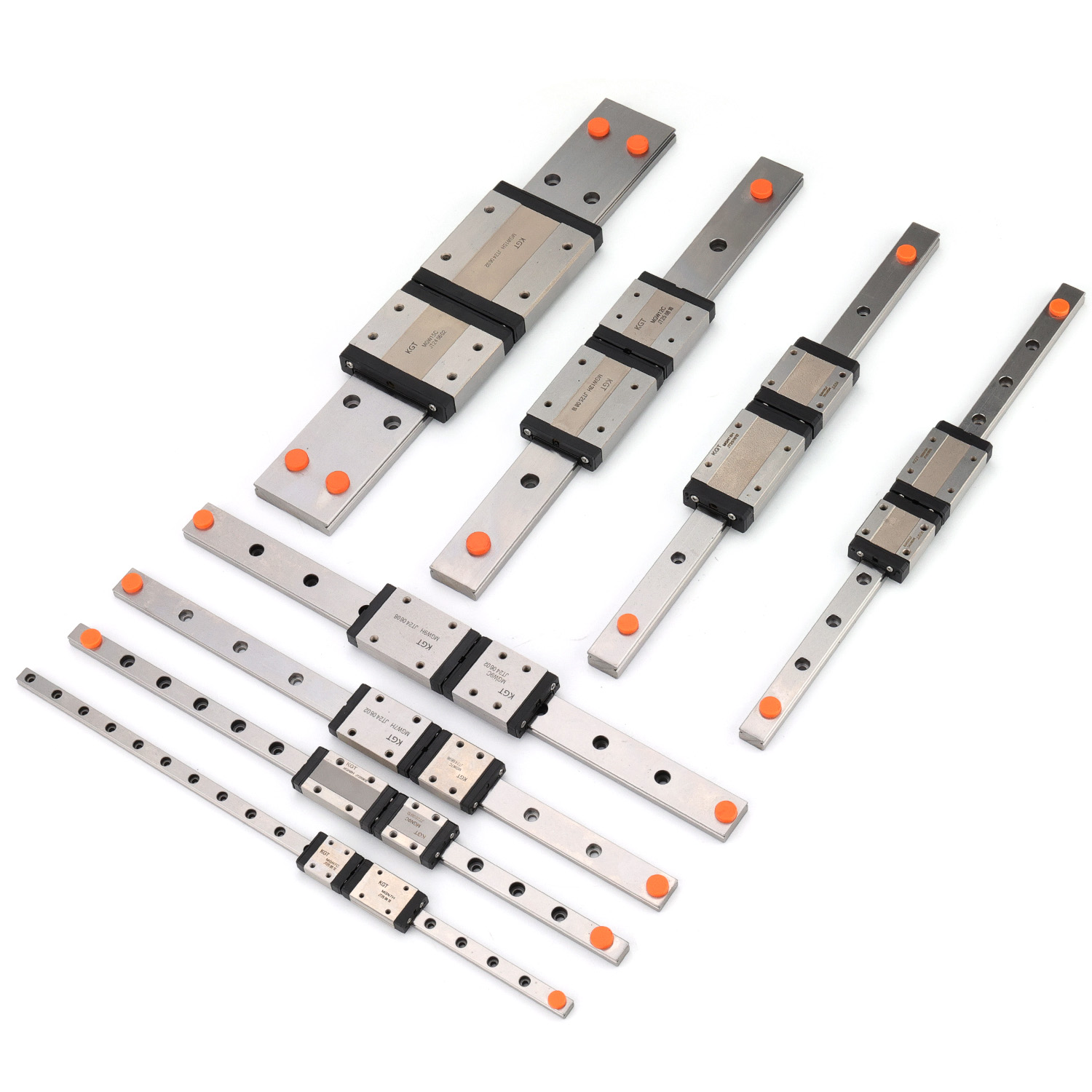
Stainless steel linear rail bearings represent a specialized category of motion components that combine precision engineering with exceptional durability. Unlike standard steel bearings, these components use slide linear technology to enable smooth, controlled movement along predefined axes. Understanding what sets stainless steel linear rail bearings apart requires examining their material composition, mechanical design, and operational characteristics. The slide linear mechanism embedded in these bearings creates distinct advantages for industries demanding corrosion resistance and long-term reliability.
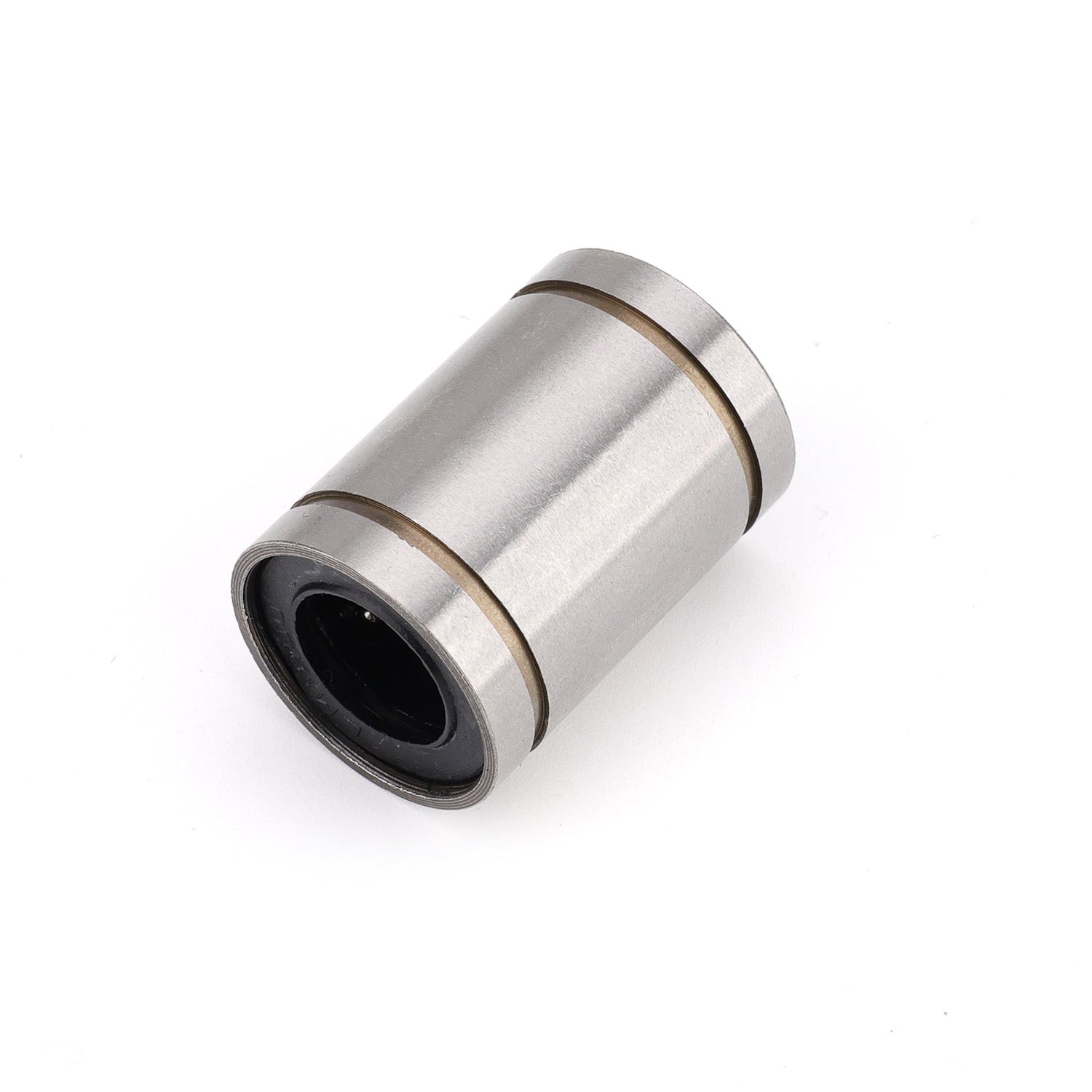
The fundamental difference between stainless steel linear rail bearings and conventional bearings lies in both material science and the slide linear technology that governs their operation. Stainless steel construction provides inherent resistance to rust, corrosion, and chemical degradation, making these bearings ideal for harsh environments including food processing, pharmaceutical manufacturing, and coastal applications. The slide linear design allows for distributed load carrying across a wider contact surface, reducing concentrated stress points and extending component life significantly. This combination of material and mechanical innovation transforms how industries approach precision linear motion.
Material Composition and Corrosion Resistance
Stainless Steel Grade Selection in Slide Linear Bearings
Stainless steel linear rail bearings typically employ grades such as 304 or 316 stainless steel, each offering specific corrosion protection levels. The slide linear mechanism relies on the inherent passivation layer that forms on stainless steel surfaces, preventing oxidation even in wet or chemically aggressive environments. Grade 316 stainless steel contains molybdenum, providing superior resistance to chloride corrosion compared to grade 304. This material selection is critical for slide linear applications operating in marine, pharmaceutical, or food processing industries where standard steel bearings would rapidly deteriorate.
Performance in Hostile Environments
When slide linear bearings operate in saltwater, high-humidity, or chemically treated environments, stainless steel construction delivers measurable advantages over alternative materials. The corrosion-resistant properties of stainless steel ensure that slide linear components maintain dimensional accuracy and load-carrying capacity throughout extended service life. Traditional carbon steel bearings in similar conditions would experience surface pitting, material loss, and premature failure within months. Stainless steel linear rail bearings with slide linear technology maintain consistent performance characteristics across product lifecycles spanning years or decades in challenging conditions.
Mechanical Design and Precision Engineering
How Slide Linear Technology Enables Superior Motion Control
The slide linear design distinguishes itself through a distributed contact pattern rather than concentrated point or line contact found in rolling element bearings. This slide linear arrangement uses precision-machined raceways that guide component movement with minimal friction and exceptional smoothness. Stainless steel linear rail bearings incorporate hardened raceways and precision-ground bearing elements that work in concert with the slide linear mechanism to ensure repeatable motion accuracy. The result is a bearing system capable of delivering sub-micron positioning repeatability, critical for automated manufacturing, medical device assembly, and precision instrumentation applications.
Load Distribution in Slide Linear Systems
Stainless steel linear rail bearings distribute loads across multiple bearing elements moving along slide linear pathways, creating more uniform stress distribution than alternative designs. This load-sharing approach significantly reduces peak stress concentrations that typically cause premature failure in high-duty-cycle applications. The slide linear configuration allows bearings to carry both radial and axial loads efficiently, eliminating the need for separate thrust and radial bearing components in many applications. Industries utilizing stainless steel linear rail bearings with slide linear technology report extended maintenance intervals and reduced total cost of ownership compared to traditional bearing solutions.
Industrial Applications and Operational Advantages
Food Processing and Pharmaceutical Manufacturing
Stainless steel linear rail bearings excel in food processing and pharmaceutical environments where sanitation protocols demand frequent washdowns and exposure to cleaning agents. The slide linear technology integrated into these bearings allows seamless operation even when exposed to moisture, detergents, and corrosive sanitizers. Regulatory compliance in food and pharmaceutical manufacturing requires materials and components that withstand aggressive cleaning without compromising performance or releasing contaminants. Stainless steel linear rail bearings with slide linear mechanisms meet these stringent requirements while maintaining the motion precision essential for high-speed production lines and filling equipment.
Automotive and Aerospace Applications
The automotive and aerospace industries leverage stainless steel linear rail bearings for applications requiring exceptional reliability and predictable performance under demanding conditions. These slide linear bearing systems operate effectively across extreme temperature ranges, vibration environments, and high-duty cycles typical of manufacturing equipment and automated assembly systems. The superior fatigue resistance provided by stainless steel construction combined with the efficient load distribution of slide linear technology ensures these bearings withstand millions of operational cycles without degradation. Components utilizing stainless steel linear rail bearings demonstrate reduced maintenance needs and improved production uptime compared to systems using conventional bearing technologies.
Performance Comparison and Practical Considerations
Slide Linear Bearings Versus Rolling Element Alternatives
Rolling element bearings operate on fundamentally different principles than slide linear technology, creating distinct performance trade-offs for specific applications. Rolling element bearings typically generate more heat and require regular lubrication maintenance, while slide linear bearings operate with lower friction and extended maintenance intervals. Stainless steel linear rail bearings using slide linear design excel in wet environments where water contamination would compromise rolling element bearing performance. However, rolling element designs may offer higher speed capabilities in certain applications, necessitating careful selection based on specific operational requirements and environmental constraints.
Long-Term Value and Cost Implications
Although stainless steel linear rail bearings with slide linear technology typically command higher initial acquisition costs than standard steel bearings, total lifecycle cost analysis frequently favors the stainless steel solution. Extended service life, reduced maintenance frequency, and elimination of corrosion-related downtime create significant economic value across product lifecycles. Industries operating equipment continuously or in harsh environments typically achieve payback on stainless steel bearing investment within twelve to thirty-six months through improved reliability and reduced replacement frequency. The decision to specify stainless steel linear rail bearings should incorporate facility-specific environmental conditions, maintenance resource availability, and production continuity requirements.
FAQ
What materials are used in stainless steel linear rail bearings?
Stainless steel linear rail bearings utilize corrosion-resistant stainless steel grades, typically 304 or 316, for both the bearing elements and raceway surfaces. Grade 316 contains molybdenum for enhanced chloride resistance, making it superior for marine and coastal applications. These materials are selected specifically to resist oxidation and maintain dimensional stability even when exposed to moisture, salt spray, and chemical cleaning agents common in industrial environments.
How does slide linear technology reduce maintenance requirements?
Slide linear mechanisms operate with lower friction and more efficient load distribution than rolling element designs, requiring less frequent relubrication and reducing heat generation. The distributed contact pattern inherent to slide linear systems minimizes wear on individual bearing elements, extending service intervals significantly. Stainless steel's inherent corrosion resistance further reduces maintenance by eliminating rust-related performance degradation common in standard steel bearings operating in wet or chemically aggressive environments.
Which industries benefit most from stainless steel linear rail bearings?
Food processing, pharmaceutical manufacturing, marine industries, and coastal facilities derive the greatest benefit from stainless steel linear rail bearings due to harsh operational environments and stringent sanitation requirements. Automotive and aerospace manufacturers also extensively utilize these bearings for demanding production equipment requiring exceptional reliability and predictable performance. Any industry requiring linear motion precision combined with corrosion resistance and minimal maintenance can benefit from adopting stainless steel linear rail bearing technology.