
 EN
EN
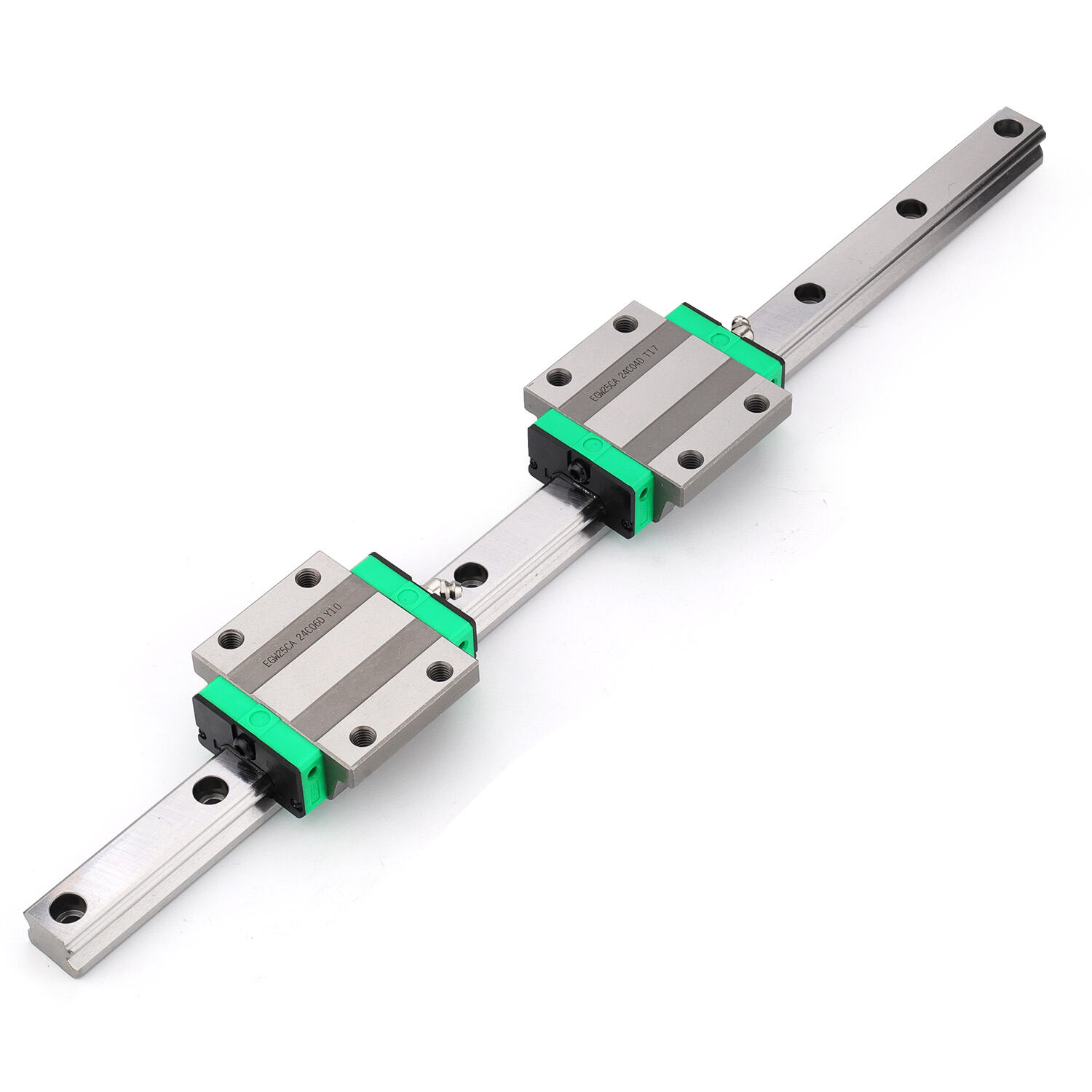
Modern manufacturing demands precision components that deliver consistent performance under challenging operating conditions. Linear rail bearings represent a critical advancement in motion control technology, providing superior accuracy and durability for industrial applications. These sophisticated bearing systems enable smooth linear motion while maintaining exceptional load-bearing capacity and extended service life. Manufacturing facilities worldwide rely on high-quality linear rail bearings to optimize their production processes and achieve superior dimensional accuracy in their finished products.
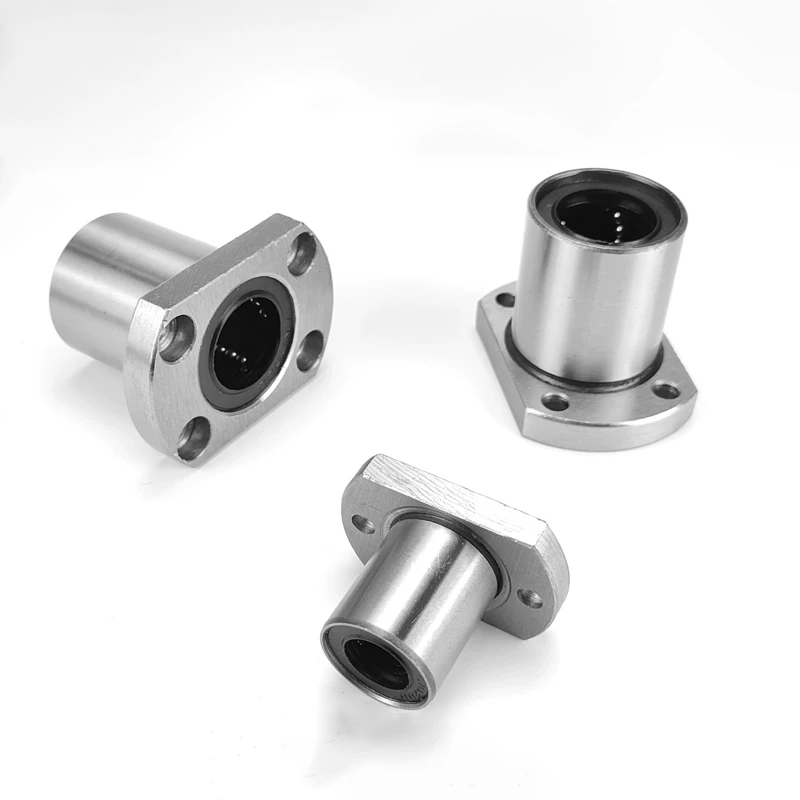
Advanced Engineering of Linear Rail Bearing Systems
Precision Manufacturing Standards
The engineering excellence behind modern linear rail bearings begins with stringent manufacturing tolerances that ensure optimal performance across diverse applications. These precision-engineered components undergo rigorous quality control processes to maintain dimensional accuracy within micron-level specifications. Advanced metallurgical techniques create bearing surfaces with exceptional hardness and wear resistance, enabling consistent operation under high-stress conditions. The integration of sophisticated ball circulation systems maximizes load distribution while minimizing friction coefficients throughout the operational envelope.
Manufacturing facilities utilize state-of-the-art CNC machining centers to produce linear rail bearings with surface finishes that exceed industry standards. Each bearing component receives multiple inspection checkpoints throughout the production process, ensuring compliance with international quality specifications. The implementation of automated assembly systems guarantees consistent preload settings and proper ball spacing within each bearing unit. These exacting manufacturing standards result in linear rail bearings that deliver predictable performance characteristics across extended operational periods.
Material Science and Surface Treatment
The foundation of superior linear rail bearing performance lies in advanced material selection and specialized surface treatments that enhance operational longevity. High-carbon chromium steel provides the optimal combination of hardness and toughness required for demanding industrial applications. Heat treatment processes create uniform material properties throughout the bearing structure, ensuring consistent performance under varying load conditions. The application of precision grinding techniques produces mirror-like surface finishes that minimize friction and wear during operation.
Chrome plating technology represents a significant advancement in bearing surface protection, providing exceptional resistance to corrosion and wear. This specialized coating process creates a protective barrier that maintains bearing performance in harsh environmental conditions. The uniform application of chrome plating ensures consistent thickness across all bearing surfaces, maximizing protection while maintaining critical dimensional tolerances. These advanced surface treatments significantly extend the operational life of linear rail bearings in challenging industrial environments.
Industrial Applications and Performance Advantages
Manufacturing Equipment Integration
Linear rail bearings serve as essential components in numerous manufacturing applications where precision motion control directly impacts product quality. CNC machining centers depend on these bearings to maintain tool path accuracy during complex machining operations. The superior stiffness characteristics of linear rail bearings enable high-speed cutting operations while maintaining dimensional precision throughout the manufacturing process. Automated assembly systems utilize these bearings to achieve consistent positioning accuracy during component placement and joining operations.
Injection molding equipment incorporates linear rail bearings in ejector mechanisms and mold positioning systems to ensure repeatable cycle times and part quality. The smooth operation of these bearings minimizes vibration transmission that could compromise surface finish quality in molded components. Packaging machinery relies on linear rail bearings to maintain precise timing and positioning during high-speed filling and sealing operations. These applications demonstrate the critical role that linear rail bearings play in modern manufacturing efficiency and product quality assurance.
Robotics and Automation Systems
The integration of linear rail bearings in robotic systems enables precise multi-axis positioning required for complex assembly and handling tasks. Industrial robots utilize these bearings in linear actuator systems to achieve accurate end-effector positioning with minimal backlash. The low-friction characteristics of linear rail bearings contribute to energy efficiency in automated systems while reducing maintenance requirements. Pick-and-place operations benefit from the smooth motion characteristics that enable gentle handling of delicate components.
Conveyor systems incorporate linear rail bearings in adjustable guide mechanisms and product positioning devices to maintain consistent material flow. The corrosion resistance provided by chrome plating ensures reliable operation in food processing and pharmaceutical applications where cleanliness is paramount. Automated inspection systems depend on linear rail bearings to maintain camera and sensor positioning accuracy during quality control operations. These diverse applications highlight the versatility and reliability that make linear rail bearings indispensable in modern automation systems.
Technical Specifications and Selection Criteria
Load Capacity and Dynamic Performance
Understanding the load capacity characteristics of linear rail bearings is essential for proper system design and optimal performance. Dynamic load ratings indicate the maximum force that bearings can sustain while maintaining their rated service life under continuous operation. Static load capacity specifications define the maximum permissible load when bearings are stationary or operating at very low speeds. The relationship between load capacity and bearing size enables engineers to select appropriate linear rail bearings for specific application requirements.
Moment load specifications address the bearing's ability to handle forces that create rotational moments about the bearing axis. These moment loads are particularly important in cantilevered applications where external forces create additional stress on bearing components. The stiffness characteristics of linear rail bearings determine system responsiveness and positioning accuracy under varying load conditions. Proper consideration of these technical parameters ensures optimal bearing selection and system performance in demanding applications.
Environmental Considerations and Maintenance
Environmental factors significantly influence the selection and performance of linear rail bearings in industrial applications. Temperature ranges affect bearing clearances and lubrication properties, requiring careful consideration during system design. Contamination levels in the operating environment dictate the need for protective sealing systems and maintenance schedules. Chrome plating provides enhanced protection against corrosive environments commonly encountered in chemical processing and marine applications.
Lubrication requirements vary based on operating conditions and expected service intervals in different applications. High-performance greases maintain proper bearing lubrication across wide temperature ranges while providing long-term stability. Sealed bearing designs minimize contamination ingress while retaining lubricants for extended periods without maintenance. Regular inspection and preventive maintenance programs maximize the service life of linear rail bearings while maintaining optimal system performance.
Quality Standards and Performance Verification
International Certification Requirements
Linear rail bearings must comply with stringent international standards that govern dimensional tolerances, material properties, and performance characteristics. ISO specifications define standardized mounting dimensions and accuracy classes that ensure interchangeability between manufacturers. Quality management systems require comprehensive documentation of manufacturing processes and material certifications for critical applications. Third-party testing laboratories verify bearing performance characteristics under controlled conditions to validate manufacturer specifications.
Certification processes include fatigue life testing under realistic operating conditions to establish reliable service life predictions. Dimensional inspection protocols verify compliance with specified tolerances using precision measurement equipment and statistical analysis methods. Material testing confirms proper heat treatment and surface hardness values that directly impact bearing performance and longevity. These comprehensive quality standards ensure that linear rail bearings meet the demanding requirements of modern industrial applications.
Performance Testing and Validation
Comprehensive performance testing validates the operational characteristics of linear rail bearings under simulated application conditions. Friction coefficient measurements determine the energy requirements and heat generation during operation. Vibration analysis identifies potential resonance frequencies that could affect system stability and positioning accuracy. Load testing verifies the bearing's ability to handle specified forces without premature failure or excessive deformation.
Accelerated life testing subjects linear rail bearings to elevated stress conditions to predict long-term performance and identify potential failure modes. Environmental testing exposes bearings to extreme temperatures, humidity levels, and corrosive atmospheres to validate their suitability for harsh operating conditions. Precision measurement systems monitor bearing performance throughout testing cycles to detect gradual degradation and establish maintenance intervals. These rigorous testing protocols ensure that linear rail bearings deliver consistent performance throughout their intended service life.
Future Developments and Technology Trends
Advanced Materials and Coatings
Ongoing research in materials science continues to advance the performance capabilities of linear rail bearings through innovative alloys and surface treatments. Ceramic bearing elements offer superior wear resistance and reduced weight compared to traditional steel components. Diamond-like carbon coatings provide exceptional hardness and low friction characteristics that extend bearing life in high-speed applications. Nano-structured surface treatments create ultra-smooth bearing surfaces that minimize friction losses and reduce lubrication requirements.
Advanced manufacturing techniques enable the production of hybrid linear rail bearings that combine different materials to optimize performance characteristics. Additive manufacturing processes allow for complex internal geometries that improve load distribution and reduce stress concentrations. Smart materials with self-lubricating properties eliminate the need for external lubrication systems in certain applications. These technological advances continue to expand the performance envelope of linear rail bearings for next-generation industrial equipment.
Integration with Smart Manufacturing
The integration of sensor technology with linear rail bearings enables real-time monitoring of operating conditions and predictive maintenance capabilities. Embedded sensors measure temperature, vibration, and load conditions to provide early warning of potential issues. Wireless communication systems transmit bearing performance data to central monitoring stations for analysis and trending. Machine learning algorithms analyze operational data to optimize maintenance schedules and predict bearing life consumption.
Digital twin technology creates virtual models of linear rail bearing systems that simulate performance under various operating conditions. These digital models enable optimization of bearing selection and system design before physical implementation. Augmented reality systems provide maintenance technicians with real-time information about bearing condition and service requirements. The convergence of linear rail bearings with Industry 4.0 technologies creates new opportunities for improved system efficiency and reduced downtime in manufacturing operations.
FAQ
What factors determine the service life of linear rail bearings
The service life of linear rail bearings depends on several critical factors including applied loads, operating speed, lubrication quality, and environmental conditions. Proper bearing selection based on calculated load requirements ensures optimal performance within design parameters. Regular maintenance schedules that include lubrication and inspection help maximize bearing life. Environmental factors such as temperature extremes, contamination levels, and corrosive atmospheres can significantly impact bearing longevity. Chrome plating provides enhanced protection that extends service life in harsh operating environments.
How do chrome-plated linear rail bearings compare to standard bearings
Chrome-plated linear rail bearings offer superior corrosion resistance and wear protection compared to standard bearing surfaces. The chrome plating process creates a hard, smooth surface that reduces friction and extends operational life. These bearings maintain performance in humid and corrosive environments where standard bearings would deteriorate rapidly. The uniform coating thickness ensures consistent protection across all bearing surfaces while maintaining critical dimensional tolerances. Chrome-plated bearings typically demonstrate 2-3 times longer service life in demanding applications.
What maintenance procedures are recommended for linear rail bearings
Effective maintenance of linear rail bearings involves regular inspection of sealing systems, lubrication levels, and mounting conditions. Visual inspection should check for signs of contamination, wear, or damage to bearing components. Lubrication schedules depend on operating conditions but typically range from monthly to annual intervals. Temperature monitoring helps identify potential issues before they cause bearing failure. Proper cleaning procedures remove contaminants while avoiding damage to sensitive bearing surfaces and seals.
Can linear rail bearings operate in high-temperature applications
Linear rail bearings can operate effectively in elevated temperature environments with proper material selection and lubrication. High-temperature bearing steels maintain hardness and dimensional stability at temperatures up to 200°C in continuous operation. Specialized lubricants formulated for high-temperature applications ensure proper bearing function across extended temperature ranges. Thermal expansion considerations require proper mounting practices to accommodate dimensional changes during temperature cycles. Chrome plating provides additional protection against oxidation and scaling at elevated temperatures.