
 EN
EN
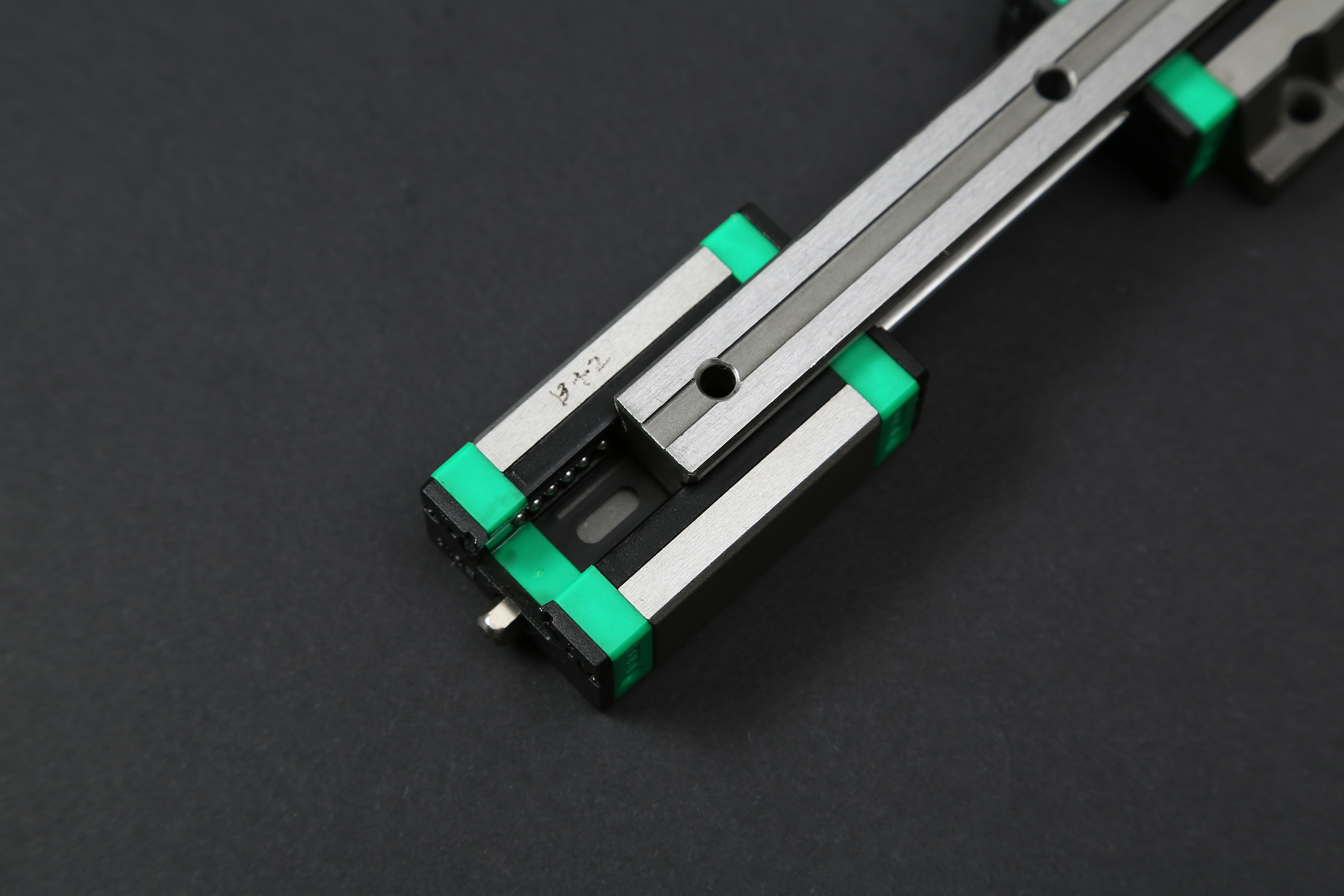
A linear bearing represents one of the most fundamental mechanical components in modern industrial automation and precision machinery. These specialized devices enable smooth, controlled linear motion along a predetermined path, making them indispensable in countless applications ranging from manufacturing equipment to aerospace systems. Understanding how a linear bearing functions and its various applications has become increasingly important as industries continue to advance toward more sophisticated automation solutions in 2026.

The fundamental principle behind a linear bearing involves minimizing friction while maintaining precise positioning and load-bearing capabilities. Unlike rotational bearings that facilitate circular motion, a linear bearing specifically accommodates straight-line movement. This mechanical component consists of rolling elements, typically balls or rollers, that travel within specially designed raceways or guides. The design ensures that moving parts experience minimal resistance while maintaining accuracy and repeatability over extended operational periods.
Modern manufacturing processes demand increasingly precise linear motion control, making the selection and implementation of appropriate linear bearing systems critical for operational success. Engineers must consider multiple factors including load capacity, speed requirements, environmental conditions, and maintenance accessibility when specifying these components. The continuous evolution of materials science and manufacturing techniques has resulted in linear bearing solutions that offer enhanced performance characteristics compared to earlier generations.
Fundamental Design Principles of Linear Bearing Systems
Basic Construction Elements
The core architecture of a linear bearing encompasses several critical components working in harmony to deliver smooth motion. The outer housing, typically manufactured from hardened steel or specialized alloys, provides structural integrity and houses the internal moving elements. Ball bearings or cylindrical rollers serve as the primary load-carrying components, distributing forces across multiple contact points to minimize wear and maintain precision.
Raceways within the linear bearing housing feature precisely machined surfaces that guide the rolling elements along their intended path. These surfaces undergo specialized heat treatment processes to achieve optimal hardness and durability characteristics. The cage or retainer system maintains proper spacing between rolling elements, preventing collision and ensuring uniform load distribution throughout the bearing assembly.
Sealing mechanisms protect internal components from contamination while retaining lubrication within the system. Advanced seal designs incorporate multiple barriers including contact seals, labyrinth seals, and magnetic seals depending on the specific application requirements. The integration of these elements creates a cohesive system capable of delivering reliable performance across diverse operating conditions.
Material Science and Manufacturing Considerations
Contemporary linear bearing manufacturing utilizes advanced metallurgy and precision machining techniques to achieve superior performance characteristics. High-carbon chromium steel remains the standard material for rolling elements due to its exceptional hardness and wear resistance properties. Specialized heat treatment processes, including through-hardening and case-hardening, optimize the material structure for extended service life.
Housing materials vary according to application requirements, with options including stainless steel for corrosive environments, aluminum alloys for weight-sensitive applications, and composite materials for specialized conditions. Surface treatments such as coating applications and specialized plating enhance corrosion resistance while maintaining dimensional stability.
Manufacturing tolerances for modern linear bearing components have reached unprecedented levels of precision, with some applications requiring positional accuracy measured in micrometers. Computer-controlled machining centers and automated quality inspection systems ensure consistent dimensional accuracy across production runs. These manufacturing advances directly translate to improved performance and reliability in field applications.
Operational Mechanisms and Motion Control
Load Distribution and Force Management
The operational effectiveness of a linear bearing system depends heavily on proper load distribution across all rolling elements. When external forces are applied to the moving carriage or shaft, these loads must be transmitted through the rolling elements to the stationary housing without causing excessive stress concentrations. Proper preloading helps eliminate backlash while ensuring optimal load sharing between rolling elements.
Dynamic load ratings define the maximum forces that a linear bearing can sustain during operation while maintaining acceptable service life. These ratings consider both radial and axial load components, as well as moment loads that may occur due to offset mounting or uneven load application. Understanding these load limitations is crucial for proper system design and component selection.
Static load capacity represents the maximum force that can be applied to a stationary linear bearing without causing permanent deformation. This specification becomes particularly important in applications where the bearing may experience high loads during non-operational periods or emergency stop conditions. Proper consideration of both dynamic and static load ratings ensures reliable long-term performance.
Lubrication Systems and Maintenance Requirements
Effective lubrication plays a vital role in linear bearing performance, reducing friction, preventing wear, and protecting against corrosion. Lubricant selection depends on operating conditions including temperature range, speed requirements, and environmental factors. Grease lubrication remains common for many applications due to its convenience and excellent sealing properties, while oil lubrication may be preferred for high-speed or high-temperature applications.
Automatic lubrication systems can extend service intervals and improve reliability in critical applications. These systems deliver precise amounts of lubricant at predetermined intervals, ensuring consistent lubrication without manual intervention. Proper lubrication scheduling prevents premature wear while avoiding over-lubrication that could attract contaminants or create seal problems.
Contamination control represents another critical aspect of linear bearing maintenance. Effective sealing systems combined with proper installation practices minimize the ingress of particles, moisture, and other contaminants that could compromise performance. Regular inspection and cleaning procedures help identify potential problems before they result in system failure.
Applications and Industry Implementation
Manufacturing and Automation Systems
Manufacturing automation has become increasingly dependent on precision linear bearing systems to achieve the accuracy and repeatability required for modern production processes. CNC machining centers utilize linear bearing assemblies to position cutting tools with exceptional precision, enabling the production of complex components with tight dimensional tolerances. The reliability of these bearing systems directly impacts production efficiency and part quality.
Assembly line automation relies heavily on linear bearing technology to move components through various stations with consistent positioning accuracy. Pick and place operations, part inspection systems, and packaging equipment all benefit from the smooth, precise motion that quality linear bearing systems provide. The ability to maintain positional accuracy over millions of cycles makes these components invaluable in high-volume production environments.
Robotic systems increasingly incorporate linear bearing assemblies to extend reach and provide additional degrees of freedom. Linear actuators mounted on robotic arms enable precise positioning for welding, painting, and assembly operations. The integration of linear bearing technology with servo control systems creates highly responsive and accurate motion control solutions.
Aerospace and Defense Applications
The aerospace industry demands linear bearing solutions capable of operating reliably under extreme conditions while maintaining exceptional precision. Aircraft control systems utilize specialized linear bearing assemblies in flight control surfaces, landing gear mechanisms, and engine control systems. These applications require components that can withstand significant vibration, temperature variations, and G-forces while maintaining precise positioning.
Satellite and space vehicle applications present unique challenges for linear bearing design, including operation in vacuum conditions, extreme temperature cycles, and radiation exposure. Specialized materials and lubrication systems have been developed specifically for these demanding environments. The reliability requirements for space applications often exceed those of terrestrial uses by several orders of magnitude.
Ground-based aerospace equipment including radar systems, antenna positioning mechanisms, and test equipment also relies on precision linear bearing technology. These applications often require the ability to position large masses with high accuracy while maintaining smooth operation over extended periods. The demanding nature of aerospace applications has driven many innovations in linear bearing design and manufacturing.
Selection Criteria and Design Considerations
Performance Specifications and Requirements
Selecting the appropriate linear bearing for a specific application requires careful analysis of multiple performance parameters. Load capacity remains the primary consideration, encompassing both dynamic loads during operation and static loads that may occur during maintenance or emergency conditions. Engineers must account for all force components including radial loads, thrust loads, and moment loads that may result from mounting configurations or operational requirements.
Speed capabilities represent another critical selection criterion, as different linear bearing designs offer varying maximum velocity limits and acceleration capabilities. High-speed applications may require specialized cage designs, enhanced lubrication systems, or alternative rolling element configurations to maintain smooth operation. The relationship between speed and load capacity must also be considered, as higher speeds typically reduce allowable load ratings.
Accuracy requirements significantly influence linear bearing selection, particularly in precision applications such as coordinate measuring machines or semiconductor manufacturing equipment. Positional repeatability, straightness tolerance, and parallelism specifications must align with application requirements. Some applications may require preloaded linear bearing assemblies to eliminate backlash and improve positioning accuracy.
Environmental and Operating Conditions
Operating environment significantly impacts linear bearing selection and design requirements. Temperature extremes affect lubricant viscosity, material expansion, and component clearances. High-temperature applications may require specialized materials or cooling systems, while low-temperature environments could necessitate modified lubrication or heating systems to maintain proper operation.
Contamination exposure levels determine sealing requirements and maintenance intervals for linear bearing systems. Clean room environments may allow simplified sealing arrangements, while harsh industrial environments require comprehensive contamination protection. Corrosive atmospheres may necessitate specialized materials or protective coatings to prevent degradation over time.
Duty cycle characteristics including operational frequency, dwell periods, and load variations influence component selection and expected service life. Continuous operation applications require different design considerations compared to intermittent duty applications. Understanding the complete operational profile helps optimize linear bearing selection for maximum reliability and cost-effectiveness.
Installation and Integration Best Practices
Mounting Methods and Alignment Procedures
Proper installation represents a critical factor in achieving optimal linear bearing performance and service life. Mounting surface preparation requires exceptional attention to flatness, parallelism, and surface finish specifications. Deviations from specified tolerances can introduce preloads, binding, or accelerated wear that significantly reduces bearing life. Precision measurement tools and alignment procedures ensure proper geometric relationships between mating components.
Linear bearing installation procedures must account for thermal expansion effects, particularly in applications with significant temperature variations. Proper clearance allowances and mounting methods accommodate dimensional changes without introducing harmful stresses. Fixed and floating mounting arrangements help manage thermal growth while maintaining proper alignment throughout the operating temperature range.
Support structure rigidity plays a crucial role in linear bearing performance, as excessive deflection can cause misalignment and uneven load distribution. Finite element analysis and structural calculations help ensure adequate stiffness for the intended application. Proper foundation design distributes loads effectively while minimizing vibration transmission that could affect precision or accelerate wear.
Integration with Control Systems
Modern linear bearing applications frequently integrate with sophisticated motion control systems that require precise feedback and response characteristics. Position feedback systems including linear encoders, resolvers, or laser interferometry provide the accuracy required for closed-loop control. The mechanical characteristics of the linear bearing system must complement the control system capabilities to achieve optimal performance.
Servo motor integration requires careful consideration of inertia matching, backlash elimination, and dynamic response characteristics. The mass and stiffness properties of the linear bearing assembly directly affect control system tuning and achievable performance. Proper system integration ensures stable operation while maximizing speed and accuracy capabilities.
Safety systems and emergency stop procedures must account for the operational characteristics of linear bearing assemblies. Braking systems, limit switches, and collision detection mechanisms work together to protect equipment and personnel. The integration of these safety features requires understanding of the dynamic behavior and stopping distances associated with the linear motion system.
Future Developments and Technology Trends
Advanced Materials and Manufacturing Techniques
The evolution of linear bearing technology continues to advance through innovations in materials science and manufacturing processes. Ceramic rolling elements offer reduced weight, enhanced corrosion resistance, and improved performance in high-speed applications. Hybrid designs combining ceramic balls with steel races provide optimal performance characteristics for demanding applications while managing cost considerations.
Additive manufacturing techniques are beginning to influence linear bearing design and production, particularly for specialized applications requiring custom geometries or unique material properties. 3D printing enables rapid prototyping of bearing components and may eventually support production of finished parts for specific applications. These manufacturing advances could significantly reduce lead times and enable greater design flexibility.
Smart bearing technology incorporating embedded sensors and monitoring capabilities represents an emerging trend in linear bearing development. These intelligent systems can provide real-time feedback on operating conditions, wear status, and maintenance requirements. Predictive maintenance capabilities enabled by continuous monitoring could significantly improve system reliability while reducing maintenance costs.
Integration with Industry 4.0 and IoT Systems
The integration of linear bearing systems with Industry 4.0 initiatives and Internet of Things platforms creates new opportunities for performance optimization and predictive maintenance. Sensor-equipped linear bearing assemblies can transmit operational data to centralized monitoring systems, enabling advanced analytics and machine learning algorithms to optimize performance and predict maintenance requirements.
Digital twin technology allows virtual modeling of linear bearing performance under various operating conditions, supporting design optimization and maintenance planning. These virtual models can incorporate real-time operational data to provide accurate predictions of remaining service life and optimal replacement timing. The combination of physical sensors and digital modeling creates powerful tools for system optimization.
Artificial intelligence applications in linear bearing systems enable adaptive control algorithms that can optimize performance based on changing operating conditions. Machine learning systems can identify patterns in operational data that indicate developing problems or opportunities for performance improvement. These intelligent systems promise to revolutionize how linear bearing systems are designed, operated, and maintained.
FAQ
What factors determine the service life of a linear bearing system
Service life depends on multiple factors including load conditions, operating speed, lubrication quality, environmental conditions, and installation accuracy. Proper load calculation, appropriate lubrication, contamination control, and precise installation significantly extend bearing life. Operating within specified load and speed limits while maintaining proper lubrication typically provides the longest service life.
How do I select the right linear bearing type for my application
Selection requires analyzing load requirements, speed capabilities, accuracy needs, environmental conditions, and space constraints. Consider both static and dynamic load ratings, maximum velocity limits, precision requirements, and operating environment. Consulting with bearing manufacturers and reviewing application guidelines helps ensure optimal selection for specific requirements.
What maintenance procedures are required for linear bearing systems
Regular maintenance includes lubrication according to manufacturer specifications, contamination monitoring, visual inspection for wear or damage, and verification of mounting alignment. Establish lubrication schedules based on operating conditions, monitor seal condition, and replace worn components promptly. Proper maintenance procedures significantly extend system life and maintain performance.
Can linear bearing systems operate in harsh environmental conditions
Specialized linear bearing designs can accommodate harsh environments including extreme temperatures, corrosive atmospheres, and high contamination levels. Selection of appropriate materials, sealing systems, and lubrication methods enables operation in challenging conditions. Environmental protection measures and regular maintenance become more critical in harsh operating conditions.