
 EN
EN
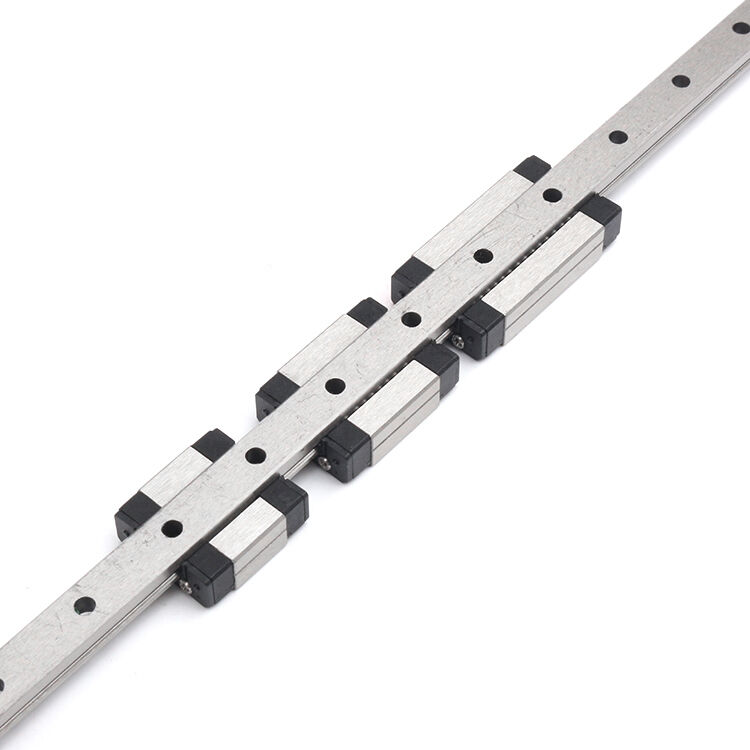
Original Equipment Manufacturers (OEMs) across industries rely on precision motion systems to deliver exceptional performance in their machinery and equipment. The selection of appropriate linear motion components directly impacts product reliability, operational efficiency, and long-term maintenance requirements. Modern manufacturing environments demand linear guide rail systems that can withstand harsh conditions while maintaining tight tolerances and smooth operation. Custom surface treatments and precision machining modifications have emerged as critical factors in optimizing these components for specific industrial applications. Understanding how to leverage specialized treatments like black oxide coating and custom drilling patterns can significantly enhance the performance characteristics of linear guide rail assemblies in demanding operational environments.
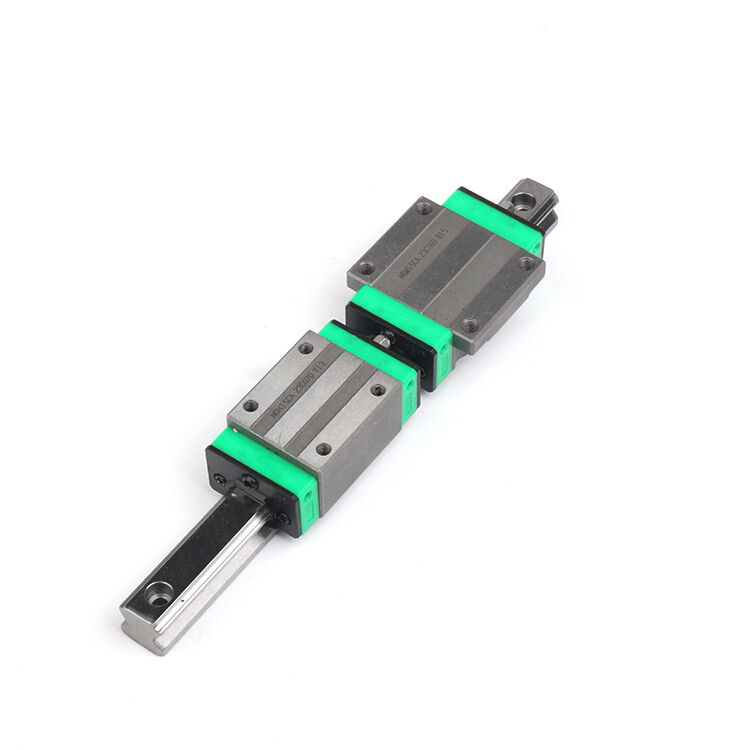
Understanding Linear Guide Rail Performance Requirements
Load Capacity and Dynamic Characteristics
The fundamental performance metrics of any linear guide rail system center on load capacity, precision, and durability under continuous operation. Dynamic load ratings determine the maximum forces a linear guide rail can handle while maintaining smooth motion throughout its operational life. Static load capacity defines the maximum load that can be applied when the system is stationary without causing permanent deformation or damage to the rail and carriage assembly. These specifications directly influence the selection process for OEMs designing equipment for specific industrial applications.
Precision characteristics of a linear guide rail encompass straightness tolerance, parallelism between rails, and repeatability of positioning. High-precision applications such as semiconductor manufacturing, medical device production, and optical equipment assembly require linear guide rail systems with exceptional accuracy specifications. The interaction between the carriage and rail surfaces determines the overall system precision, making surface finish quality and geometric tolerances critical design considerations.
Environmental Resistance and Longevity
Industrial environments present numerous challenges that can compromise linear guide rail performance over time. Exposure to moisture, chemical vapors, temperature fluctuations, and contamination from dust or particles requires careful consideration during component selection. The base material properties and surface treatments applied to the linear guide rail directly impact its ability to resist corrosion and maintain smooth operation under adverse conditions.
Lubrication retention and contamination resistance play crucial roles in extending operational life. Traditional steel surfaces may require frequent maintenance and relubrication, while specially treated surfaces can significantly reduce these requirements. The ability to maintain consistent lubrication films and resist the adhesion of contaminants becomes particularly important in automated systems where access for maintenance is limited.
Black Oxide Coating Technology for Enhanced Performance
Surface Treatment Benefits and Applications
Black oxide coating represents a specialized surface treatment that fundamentally alters the performance characteristics of steel components. This electrochemical process converts the surface layer of steel into a black magnetite finish that provides enhanced corrosion resistance without significantly altering dimensional tolerances. For linear guide rail applications, black oxide coating offers multiple performance advantages while maintaining the precision requirements essential for smooth operation.
The coating process involves immersing the linear guide rail components in a series of chemical baths at elevated temperatures. The resulting surface layer integrates with the base metal, creating a durable finish that resists wear and environmental degradation. Unlike painted or plated surfaces that can chip or peel, black oxide becomes an integral part of the steel surface, ensuring long-term reliability in demanding applications.
Corrosion Protection and Maintenance Reduction
Traditional untreated steel linear guide rail systems often require frequent inspection and maintenance to prevent corrosion-related performance degradation. Black oxide coating significantly reduces these maintenance requirements by providing a barrier against moisture and corrosive substances. The coating also enhances the retention of lubricating oils, creating a more stable lubrication environment that extends service intervals.
The uniform black finish also provides aesthetic benefits for applications where visual appearance matters. Equipment manufacturers can maintain a consistent appearance across their product lines while gaining the functional benefits of enhanced corrosion resistance. This dual benefit makes black oxide coating particularly attractive for OEMs serving markets where both performance and appearance are important considerations.
Custom Drilling Solutions for Specialized Applications
Mounting Flexibility and Integration Options
Standard linear guide rail configurations may not always align with specific mounting requirements or integration constraints faced by OEMs. Custom drilling services provide the flexibility needed to adapt these components to unique application requirements without compromising structural integrity or performance characteristics. Precision drilling operations can create mounting holes, access ports, or integration points that facilitate seamless incorporation into existing machine designs.
The positioning and sizing of custom holes must consider the load paths and stress distribution within the linear guide rail structure. Advanced engineering analysis ensures that modifications do not compromise the load-carrying capacity or introduce stress concentrations that could lead to premature failure. This engineering approach allows OEMs to achieve optimal integration while maintaining the reliability expected from precision linear motion components.
Sensor Integration and Monitoring Capabilities
Modern industrial equipment increasingly incorporates condition monitoring and feedback systems to optimize performance and predict maintenance needs. Custom drilling in linear guide rail systems can accommodate sensors, wiring harnesses, or feedback devices that enable real-time monitoring of system status. These modifications support the implementation of predictive maintenance strategies and automated control systems.
Precise hole placement ensures that sensors maintain proper alignment and clearance requirements while protecting sensitive electronic components from environmental hazards. The integration of monitoring capabilities directly into the linear guide rail structure eliminates the need for external mounting brackets or complicated installation procedures, reducing overall system complexity and potential failure points.
Design Considerations for OEM Applications
Load Analysis and Safety Factor Selection
Proper selection of linear guide rail components requires comprehensive analysis of operating loads, duty cycles, and environmental conditions. OEMs must consider not only the maximum loads expected during normal operation but also potential shock loads, misalignment forces, and thermal expansion effects. Safety factors must account for variations in manufacturing tolerances, installation quality, and long-term wear patterns.
Dynamic load calculations become particularly important for applications involving continuous motion or high-frequency cycling. The relationship between load, speed, and expected operational life determines the appropriate linear guide rail specification for each application. Advanced modeling techniques can predict performance under complex loading scenarios, enabling optimized component selection that balances performance requirements with cost considerations.
Installation and Alignment Requirements
The precision inherent in linear guide rail systems demands careful attention to installation and alignment procedures. Surface flatness, parallelism between multiple rails, and proper preload adjustment directly impact system performance and longevity. OEMs must provide clear installation guidelines and may need to specify special tooling or measurement equipment to ensure proper assembly.
Thermal considerations also play a crucial role in system design. Temperature variations can cause differential expansion between the linear guide rail components and the supporting structure. Proper mounting techniques and material selection help accommodate these effects while maintaining system accuracy. Understanding these thermal effects enables OEMs to design systems that maintain precision across the expected operating temperature range.
Quality Control and Testing Protocols
Manufacturing Standards and Inspection Procedures
Quality assurance in linear guide rail manufacturing involves multiple inspection stages to verify dimensional accuracy, surface finish quality, and functional performance. Coordinate measuring machines verify geometric tolerances, while surface roughness measurements ensure proper finish quality for optimal operation. These quality control measures become even more critical when custom modifications such as black oxide coating or precision drilling are involved.
Testing protocols must verify that custom modifications do not compromise the fundamental performance characteristics of the linear guide rail system. Load testing, endurance testing, and environmental exposure testing provide confidence that modified components will meet or exceed the performance of standard configurations. Documentation of these test results provides OEMs with the technical data needed to validate their design decisions.
Certification and Compliance Requirements
Many industrial applications require compliance with specific industry standards or regulatory requirements. Linear guide rail systems used in medical equipment, aerospace applications, or food processing environments may need to meet specialized certification requirements. Understanding these requirements early in the design process ensures that component selection and customization options support compliance objectives.
Traceability requirements may also influence the documentation and quality control procedures applied to custom linear guide rail components. Some applications require complete material certification, process documentation, and test records that can be traced throughout the component lifecycle. Establishing these documentation requirements early in the design process prevents complications during production and delivery.
Cost Optimization and Value Engineering
Lifecycle Cost Analysis
The initial cost of linear guide rail components represents only one element of the total ownership cost. Maintenance requirements, replacement frequency, and system downtime can significantly impact the overall cost equation. Black oxide coating and custom drilling may increase initial component costs but can provide substantial savings through reduced maintenance requirements and extended service life.
Quantifying these lifecycle benefits requires careful analysis of operating conditions, maintenance costs, and replacement schedules. OEMs that take a comprehensive approach to cost analysis often find that investing in enhanced linear guide rail components provides significant value through improved reliability and reduced total cost of ownership. This analysis becomes particularly important for equipment sold into markets where reliability and low maintenance are key competitive advantages.
Volume Production Considerations
Custom modifications to linear guide rail components may involve setup costs and minimum order quantities that influence production planning and inventory strategies. Working with suppliers who can provide flexible manufacturing options and reasonable minimum orders helps OEMs optimize their production costs while accessing the benefits of customized components.
Standardization opportunities should also be explored to maximize volume benefits while maintaining the flexibility needed for different applications. Developing a family of customized linear guide rail configurations that can serve multiple product lines helps achieve volume pricing while reducing inventory complexity and lead times.
Future Trends and Technology Developments
Advanced Materials and Surface Treatments
Ongoing research in materials science continues to develop new options for enhancing linear guide rail performance. Advanced steel alloys, ceramic coatings, and hybrid material systems offer potential performance advantages for specific applications. These developments may provide alternatives to traditional black oxide coating that offer enhanced performance characteristics or enable operation in more demanding environments.
Nanotechnology applications in surface treatments show promise for creating ultra-smooth surfaces with exceptional wear resistance and lubrication retention properties. These advanced treatments may eventually provide performance levels that justify their higher initial costs through dramatically extended service life and reduced maintenance requirements.
Smart Linear Motion Systems
Integration of sensing and communication technologies directly into linear guide rail components represents a significant trend in motion system development. These smart components can provide real-time feedback on operating conditions, predict maintenance needs, and optimize performance parameters automatically. Custom drilling capabilities become particularly important for accommodating the sensors and wiring required for these advanced systems.
The data generated by smart linear guide rail systems can support predictive maintenance algorithms and performance optimization strategies that reduce operating costs and improve equipment reliability. OEMs who embrace these technologies early can differentiate their products in competitive markets and provide added value to their customers through enhanced system capabilities.
FAQ
What are the main benefits of black oxide coating for linear guide rail applications
Black oxide coating provides enhanced corrosion resistance, improved lubrication retention, and extended service life for linear guide rail systems. The treatment creates a durable surface finish that integrates with the base steel, offering protection against moisture and environmental contaminants while maintaining precise dimensional tolerances required for smooth operation.
How does custom drilling affect the structural integrity of linear guide rail components
When properly engineered, custom drilling can be performed without compromising structural integrity or load-carrying capacity. Advanced engineering analysis ensures that hole placement considers load paths and stress distribution, allowing for modifications that enhance functionality while maintaining the reliability and performance characteristics of the linear guide rail system.
What factors should OEMs consider when specifying custom linear guide rail modifications
OEMs should consider operating loads, environmental conditions, maintenance accessibility, installation requirements, and total cost of ownership when specifying custom modifications. Load analysis, duty cycle evaluation, and alignment requirements must be thoroughly understood to ensure that customizations enhance rather than compromise system performance and reliability.
How do enhanced surface treatments impact the maintenance requirements of linear guide rail systems
Enhanced surface treatments like black oxide coating significantly reduce maintenance requirements by improving corrosion resistance and lubrication retention. These treatments can extend service intervals, reduce the frequency of relubrication, and minimize the need for system inspection and cleaning, resulting in lower total cost of ownership and improved system availability.
Table of Contents
- Understanding Linear Guide Rail Performance Requirements
- Black Oxide Coating Technology for Enhanced Performance
- Custom Drilling Solutions for Specialized Applications
- Design Considerations for OEM Applications
- Quality Control and Testing Protocols
- Cost Optimization and Value Engineering
- Future Trends and Technology Developments
-
FAQ
- What are the main benefits of black oxide coating for linear guide rail applications
- How does custom drilling affect the structural integrity of linear guide rail components
- What factors should OEMs consider when specifying custom linear guide rail modifications
- How do enhanced surface treatments impact the maintenance requirements of linear guide rail systems