
 EN
EN
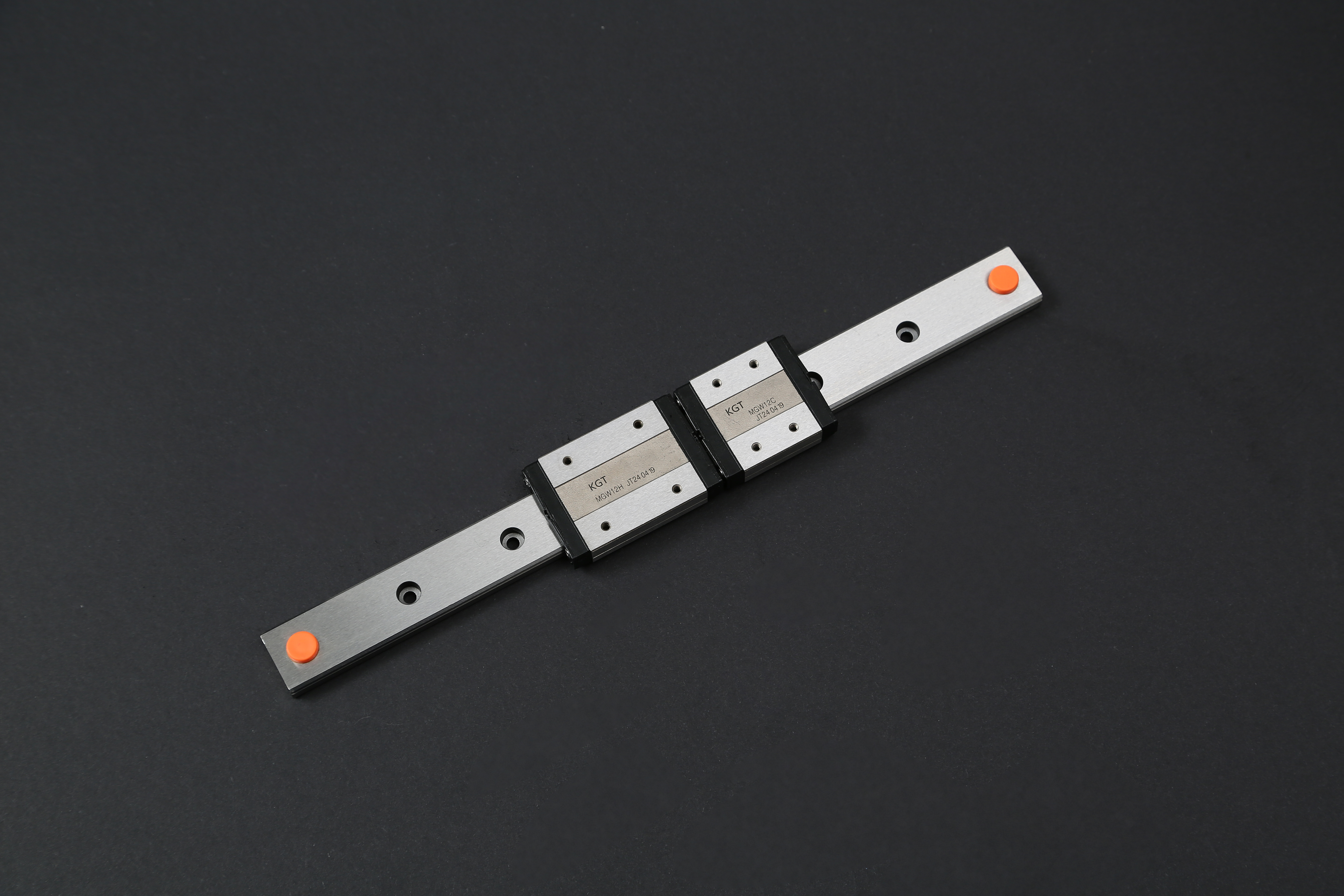
Industrial machinery relies heavily on precision components to maintain operational efficiency and minimize downtime. Among these critical components, the linear bearing stands as a fundamental element that enables smooth, controlled linear motion across countless applications. Modern manufacturing demands have pushed the boundaries of traditional bearing technology, requiring solutions that can withstand extreme conditions while maintaining exceptional accuracy. Chrome plating and precision drilling techniques have emerged as game-changing innovations that address the most challenging wear patterns and performance requirements in heavy-duty environments.
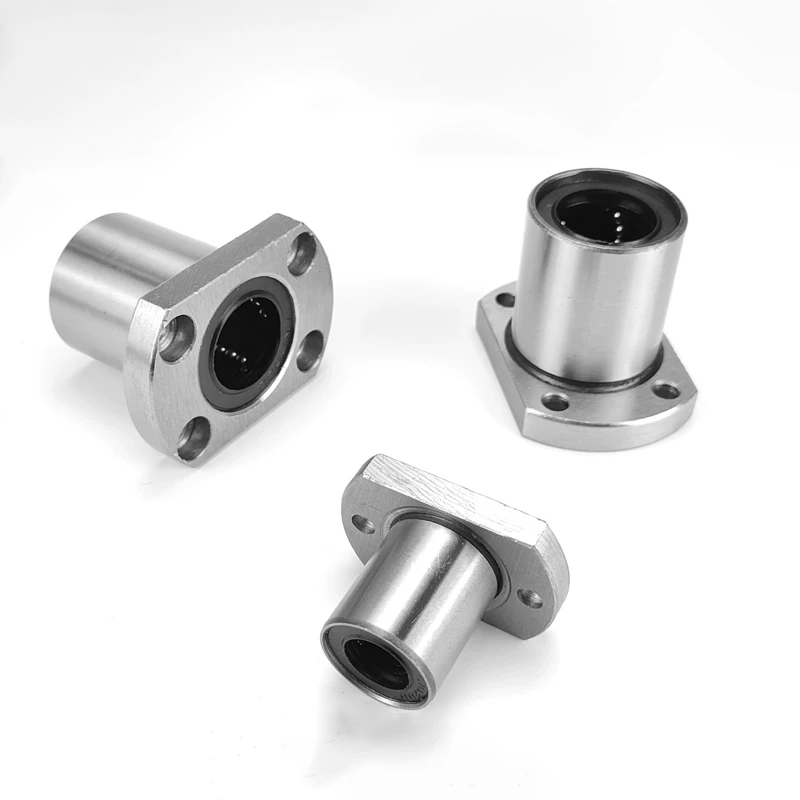
The evolution of linear bearing technology has been driven by increasingly demanding industrial applications that require components capable of handling higher loads, faster speeds, and more aggressive environmental conditions. Traditional linear bearing solutions often fall short when subjected to continuous heavy-duty operations, leading to premature wear, increased maintenance costs, and unexpected production interruptions. Custom-designed linear bearing systems with advanced surface treatments and precision manufacturing techniques offer a comprehensive solution to these persistent challenges.
Manufacturing industries across sectors including automotive, aerospace, packaging, and heavy machinery have recognized the critical importance of investing in superior linear bearing technology. The cost of equipment downtime far exceeds the initial investment in high-quality linear bearing components, making the selection of appropriate bearing solutions a strategic business decision. Advanced linear bearing designs incorporate multiple protective features and performance enhancements that extend operational life while maintaining consistent performance standards.
Understanding Linear Bearing Fundamentals and Performance Requirements
Core Mechanics of Linear Motion Systems
Linear bearing systems facilitate controlled movement along a single axis, converting rotational or applied force into precise linear displacement. The fundamental principle involves minimizing friction between moving components while maintaining accurate positioning and load distribution. Modern linear bearing designs utilize advanced materials and engineering principles to optimize these mechanical interactions, resulting in smoother operation and extended service life.
The internal structure of a high-performance linear bearing typically consists of precision-manufactured races, rolling elements, and retention systems that work together to distribute loads evenly across the contact surfaces. Each component must be manufactured to exacting tolerances to ensure proper fit and function within the overall system. The quality of these individual elements directly impacts the overall performance characteristics of the linear bearing assembly.
Load Capacity and Environmental Considerations
Heavy-duty applications place extraordinary demands on linear bearing components, requiring careful analysis of load capacity, speed requirements, and environmental factors. Dynamic load ratings determine the maximum forces that a linear bearing can handle during operation, while static load ratings establish limits for stationary conditions. Environmental factors such as temperature extremes, contamination exposure, and chemical compatibility must be carefully evaluated when selecting appropriate linear bearing solutions.
Proper linear bearing selection requires comprehensive understanding of the operating environment and performance expectations. Factors such as shock loads, vibration levels, and duty cycles significantly influence bearing life and reliability. Advanced linear bearing designs incorporate features specifically engineered to handle these challenging conditions while maintaining consistent performance throughout their operational life.
Chrome Plating Technology for Enhanced Durability
Surface Treatment Benefits and Applications
Chrome plating represents a significant advancement in linear bearing surface treatment technology, providing exceptional hardness, corrosion resistance, and wear characteristics. The electroplating process deposits a thin layer of chromium onto the bearing surfaces, creating a protective barrier that significantly extends component life. This surface treatment is particularly effective in applications where linear bearing components are exposed to aggressive environments or high-stress operating conditions.
The chrome plating process involves careful preparation of the base material, followed by precise application of the chromium layer under controlled conditions. The resulting surface exhibits superior hardness levels compared to standard steel components, often reaching 60-70 HRC on the Rockwell scale. This increased hardness translates directly into improved wear resistance and extended operational life for linear bearing applications.
Corrosion Resistance and Chemical Compatibility
Chrome-plated linear bearing surfaces demonstrate exceptional resistance to corrosion and chemical attack, making them ideal for applications in harsh industrial environments. The chromium layer acts as a barrier against moisture, chemicals, and other corrosive agents that can compromise bearing performance. This protection is particularly valuable in applications involving exposure to cleaning agents, process chemicals, or high-humidity environments.
The chemical inertness of chrome plating allows linear bearing components to maintain their performance characteristics even when exposed to aggressive substances. This compatibility extends the range of applications where linear bearing technology can be successfully implemented, including food processing, pharmaceutical manufacturing, and chemical processing industries where contamination concerns are paramount.
Precision Drilling Techniques for Optimal Performance
Manufacturing Accuracy and Tolerance Control
Precision drilling techniques play a crucial role in linear bearing manufacturing, ensuring that critical dimensions and geometric relationships are maintained within extremely tight tolerances. Advanced machining centers equipped with computer numerical control systems enable the production of linear bearing components with dimensional accuracies measured in micrometers. This level of precision is essential for achieving smooth operation and extended service life in demanding applications.
The drilling process for linear bearing components requires specialized tooling and carefully controlled parameters to achieve the required surface finish and dimensional accuracy. Cutting speeds, feed rates, and cooling strategies must be optimized for each specific material and application requirement. Modern precision drilling operations utilize advanced monitoring systems to ensure consistent quality throughout the production process.
Surface Finish and Geometric Accuracy
Surface finish quality directly impacts the performance characteristics of linear bearing components, affecting friction levels, wear rates, and noise generation. Precision drilling techniques enable the achievement of extremely smooth surface finishes that minimize friction and optimize rolling element contact patterns. The geometric accuracy achieved through precision manufacturing ensures proper load distribution and eliminates stress concentrations that can lead to premature failure.
Advanced measurement and inspection systems verify that drilled features meet specified requirements for roundness, straightness, and surface roughness. These quality control measures ensure that each linear bearing component will perform as designed throughout its intended service life. The investment in precision manufacturing techniques pays dividends in improved reliability and reduced maintenance requirements.
Custom Design Approaches for Specific Applications
Application-Specific Engineering Solutions
Custom linear bearing designs address unique application requirements that cannot be met by standard catalog products. Engineering teams work closely with customers to understand specific operating conditions, performance requirements, and installation constraints. This collaborative approach ensures that the resulting linear bearing solution is optimized for the intended application and provides maximum value to the end user.
The custom design process typically involves detailed analysis of load patterns, motion profiles, and environmental factors that will affect linear bearing performance. Computer modeling and simulation tools enable engineers to predict performance characteristics and optimize design parameters before manufacturing begins. This approach minimizes development time and ensures that the final product meets all specified requirements.
Integration with Existing Systems
Custom linear bearing solutions must integrate seamlessly with existing machinery and control systems to maximize operational efficiency. Design engineers consider mounting configurations, lubrication requirements, and maintenance accessibility when developing custom solutions. The goal is to create a linear bearing system that enhances overall machine performance while simplifying installation and maintenance procedures.
Compatibility with existing linear bearing mounting systems and accessories is an important consideration in custom design projects. Where possible, standard interface dimensions and mounting patterns are maintained to minimize the need for additional modifications to existing equipment. This approach reduces implementation costs and simplifies future maintenance and replacement activities.
Installation and Maintenance Best Practices
Proper Installation Procedures
Correct installation procedures are critical for achieving optimal linear bearing performance and service life. Installation guidelines must address proper handling techniques, mounting procedures, and initial lubrication requirements. Improper installation can introduce stress concentrations, misalignment, or contamination that significantly reduces bearing life and performance.
Pre-installation inspection of both the linear bearing components and the mounting surfaces helps identify potential issues before they affect system performance. Cleanliness is paramount during installation, as even small particles can cause damage to precision linear bearing surfaces. Proper torque specifications and assembly sequences must be followed to ensure correct preload and alignment conditions.
Preventive Maintenance Strategies
Effective maintenance programs extend linear bearing life and maintain consistent performance throughout the operational period. Regular inspection schedules should include monitoring of operating temperatures, vibration levels, and lubrication condition. Early detection of developing issues allows for corrective action before significant damage occurs.
Lubrication management is a critical aspect of linear bearing maintenance, requiring attention to lubricant type, quantity, and replacement intervals. Chrome-plated linear bearing surfaces may have specific lubrication requirements that differ from standard components. Proper maintenance documentation helps track performance trends and optimize maintenance intervals for specific applications.
Performance Monitoring and Quality Assurance
Testing and Validation Procedures
Comprehensive testing programs validate linear bearing performance under simulated operating conditions before components are released for production use. Test protocols typically include load testing, endurance cycling, and environmental exposure testing to verify that design requirements are met. Advanced test equipment enables precise measurement of friction characteristics, wear rates, and dynamic performance parameters.
Quality assurance programs implement statistical process control techniques to monitor manufacturing consistency and identify potential issues before they affect product quality. Regular auditing of manufacturing processes ensures that quality standards are maintained throughout production runs. Customer feedback and field performance data provide valuable input for continuous improvement activities.
Continuous Improvement Initiatives
Linear bearing technology continues to evolve through ongoing research and development activities focused on improved materials, manufacturing techniques, and design approaches. Customer feedback and field performance data drive innovation efforts that result in enhanced products and expanded application capabilities. Collaboration with material suppliers and equipment manufacturers enables access to the latest technological advances.
Investment in advanced manufacturing equipment and process improvements enables the production of linear bearing components with increasingly demanding performance requirements. Automation and digital manufacturing techniques improve consistency while reducing production costs. These advances benefit customers through improved product quality and competitive pricing.
FAQ
What are the primary benefits of chrome plating on linear bearing components
Chrome plating provides exceptional hardness, typically reaching 60-70 HRC, which significantly improves wear resistance and extends linear bearing service life. The plating also offers superior corrosion resistance, protecting components from moisture, chemicals, and other environmental factors that can compromise performance. Additionally, chrome plating creates a smooth, low-friction surface that reduces operating forces and improves overall system efficiency.
How do precision drilling techniques improve linear bearing performance
Precision drilling enables the achievement of extremely tight tolerances and superior surface finishes that are critical for optimal linear bearing operation. Advanced machining techniques ensure proper geometric relationships between bearing components, resulting in even load distribution and reduced stress concentrations. The improved surface finish reduces friction and wear while minimizing noise generation during operation.
What factors should be considered when selecting custom linear bearing solutions
Key considerations include load capacity requirements, operating speed, environmental conditions, and integration with existing systems. The application's duty cycle, shock loading conditions, and maintenance accessibility must also be evaluated. Custom solutions should address specific performance requirements while maintaining compatibility with standard mounting configurations where possible to minimize implementation costs.
How can proper maintenance extend the life of chrome-plated linear bearings
Regular inspection schedules should monitor operating temperatures, vibration levels, and lubrication condition to detect developing issues early. Proper lubrication management, including selection of compatible lubricants and adherence to replacement intervals, is critical for chrome-plated surfaces. Maintaining clean operating environments and following proper handling procedures during maintenance activities helps preserve the integrity of the chrome plating and extends overall linear bearing life.
Table of Contents
- Understanding Linear Bearing Fundamentals and Performance Requirements
- Chrome Plating Technology for Enhanced Durability
- Precision Drilling Techniques for Optimal Performance
- Custom Design Approaches for Specific Applications
- Installation and Maintenance Best Practices
- Performance Monitoring and Quality Assurance
-
FAQ
- What are the primary benefits of chrome plating on linear bearing components
- How do precision drilling techniques improve linear bearing performance
- What factors should be considered when selecting custom linear bearing solutions
- How can proper maintenance extend the life of chrome-plated linear bearings