
 EN
EN
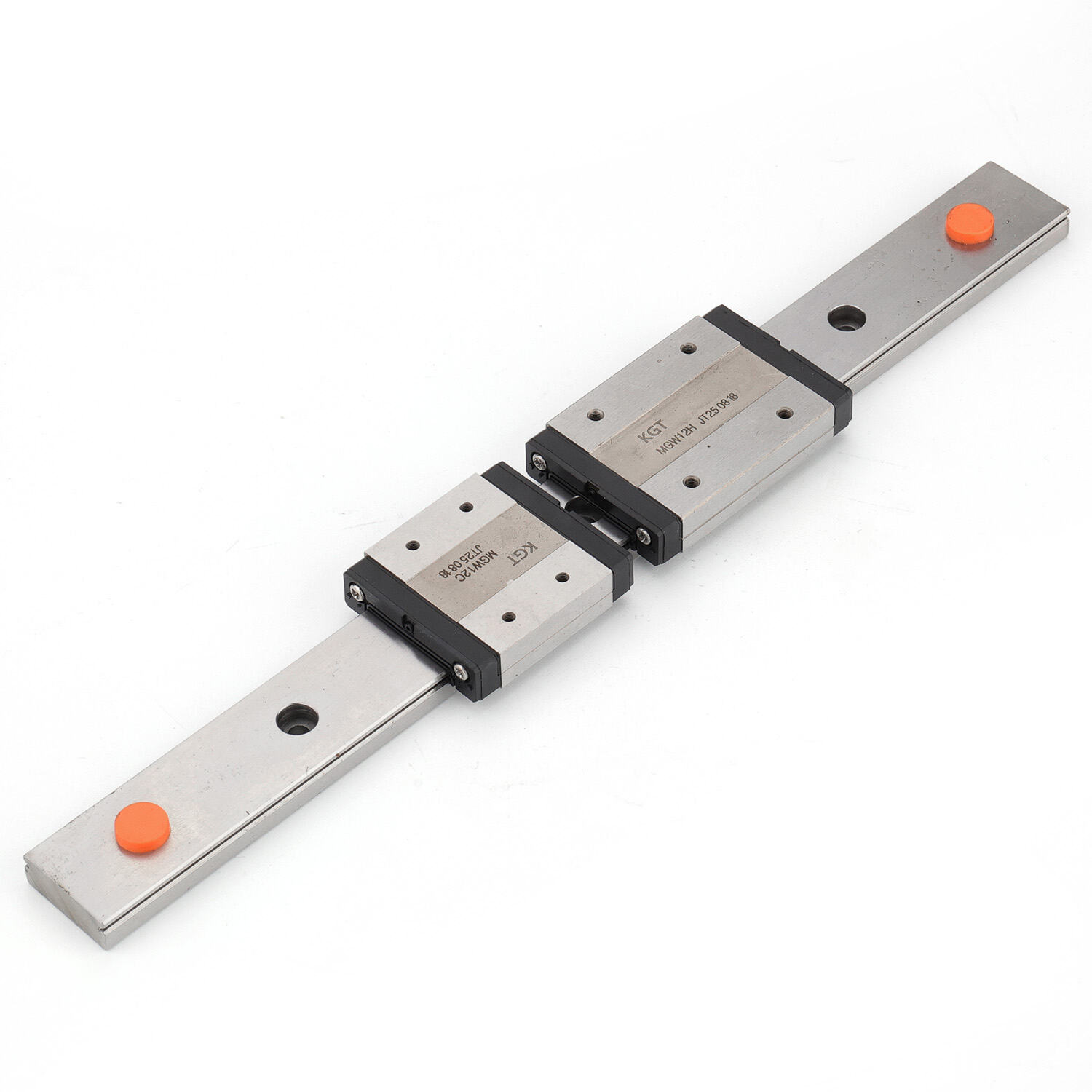
Chemical processing environments present some of the most demanding operational challenges for mechanical components. Industrial facilities handling corrosive chemicals, acids, and caustic substances require precision-engineered solutions that maintain performance while withstanding harsh conditions. Linear bearings serve as critical components in countless chemical processing applications, from automated material handling systems to precision dosing equipment. The selection of appropriate bearing technology directly impacts operational reliability, maintenance costs, and overall system performance in these challenging environments.
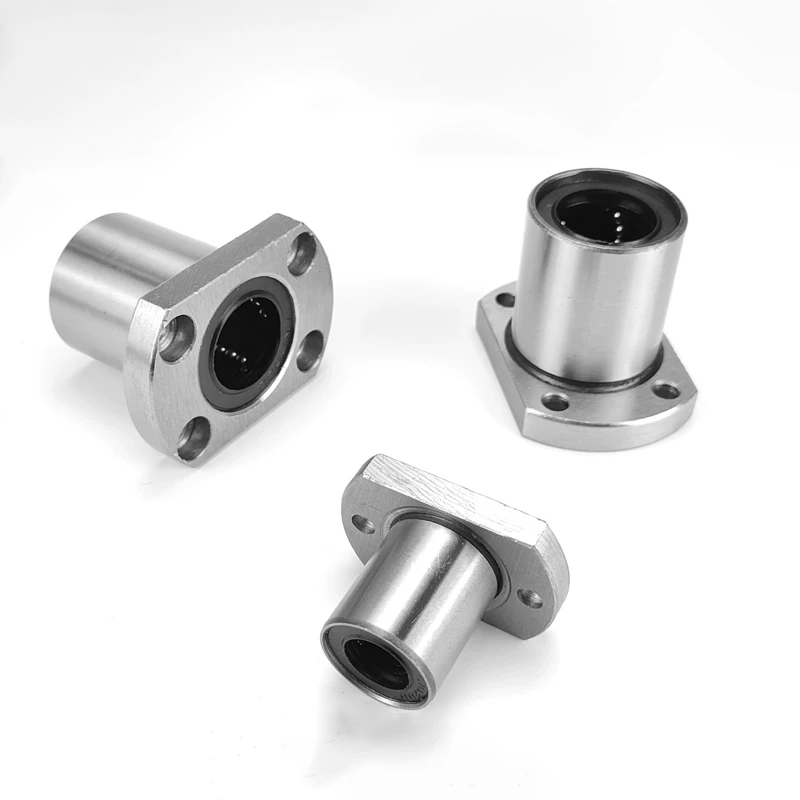
Understanding Corrosion Challenges in Chemical Processing
Chemical Exposure and Material Degradation
Chemical processing facilities expose mechanical components to a wide array of corrosive substances that can rapidly degrade standard bearing materials. Acids, alkalis, solvents, and oxidizing agents create electrochemical reactions that break down metal surfaces at the molecular level. Traditional linear bearings constructed from standard steel materials often fail prematurely when exposed to these harsh chemical environments. The resulting corrosion leads to increased friction, dimensional changes, and ultimately complete bearing failure that can shut down critical production processes.
The economic impact of corrosion-related bearing failures extends far beyond simple component replacement costs. Unplanned downtime in chemical processing operations can result in production losses worth hundreds of thousands of dollars per hour. Additionally, corroded bearings can contaminate chemical products, leading to quality issues and potential safety hazards. Understanding these corrosion mechanisms is essential for selecting appropriate bearing solutions that provide long-term reliability in chemical processing applications.
Temperature and Environmental Factors
Beyond chemical exposure, temperature fluctuations and environmental conditions further complicate bearing selection in chemical processing facilities. Many chemical reactions require elevated temperatures that can accelerate corrosion rates and affect bearing material properties. Thermal cycling causes expansion and contraction of bearing components, potentially creating stress points where corrosion can initiate. Linear bearings must maintain dimensional stability and smooth operation across wide temperature ranges while resisting the combined effects of heat and chemical exposure.
Humidity levels in chemical processing environments often exceed normal industrial standards due to steam generation, cleaning procedures, and the hygroscopic nature of many chemicals. High humidity creates conditions that promote galvanic corrosion and accelerate the degradation of unprotected bearing surfaces. Environmental factors such as airborne chemical vapors and dust further contribute to the challenging operating conditions that linear bearings must withstand in these applications.
Nickel Plating Technology and Corrosion Resistance
Electrochemical Properties of Nickel Coatings
Nickel plating provides exceptional corrosion resistance through its unique electrochemical properties and barrier protection capabilities. The nickel coating creates a uniform, dense layer that physically separates the underlying bearing steel from corrosive chemicals and environmental contaminants. This barrier effect prevents direct contact between aggressive substances and the base material, significantly extending bearing service life. The electrochemical nobility of nickel also provides cathodic protection, where the nickel coating sacrificially protects the underlying steel substrate.
Modern electroplating techniques allow for precise control of nickel coating thickness, hardness, and microstructure. These controlled properties ensure that linear bearings maintain their dimensional accuracy and surface finish while providing superior corrosion resistance. The nickel plating process can be tailored to specific chemical exposure requirements, with different nickel alloys and composite coatings available for extreme environments. Advanced plating techniques such as electroless nickel deposition provide uniform coating thickness even on complex bearing geometries.
Chemical Compatibility and Resistance Mechanisms
Nickel-plated linear bearings demonstrate excellent chemical compatibility with a broad spectrum of substances commonly encountered in chemical processing operations. The nickel coating resists attack from most acids, alkalis, and organic solvents while maintaining its protective properties over extended exposure periods. Unlike organic coatings that can be dissolved or penetrated by chemical solvents, nickel plating provides a metallic barrier that maintains its integrity under chemical attack.
The passive oxide layer that naturally forms on nickel surfaces provides additional corrosion protection by creating an extremely thin but highly effective barrier against chemical penetration. This passive layer self-repairs when damaged, ensuring continued protection even under abrasive conditions. The combination of barrier protection and electrochemical resistance makes nickel-plated linear bearings ideal for applications involving aggressive chemicals that would quickly destroy unprotected bearing surfaces.
Performance Advantages in Chemical Processing Applications
Extended Service Life and Reliability
Nickel-plated linear bearings deliver significantly extended service life compared to standard bearings in chemical processing environments. Real-world testing demonstrates that properly applied nickel plating can increase bearing life by factors of three to five in typical chemical exposure conditions. This extended service life translates directly to reduced maintenance costs, fewer unplanned shutdowns, and improved overall equipment effectiveness. The consistent performance of nickel-plated linear bearings allows process engineers to establish more reliable maintenance schedules and reduce safety stock requirements.
The reliability improvements achieved with nickel-plated linear bearings extend beyond simple corrosion resistance. The smooth, hard surface provided by nickel plating reduces friction and wear, maintaining precise positioning accuracy throughout the bearing's service life. This dimensional stability is critical in chemical processing applications where precise material handling and dosing require consistent mechanical performance. Linear bearings with nickel plating maintain their original specifications longer, ensuring that automated systems continue to operate within design parameters.
Reduced Maintenance Requirements
The corrosion resistance provided by nickel plating significantly reduces maintenance requirements for linear bearing systems in chemical processing facilities. Standard bearing maintenance procedures often include frequent inspection for corrosion, regular lubrication system servicing, and periodic bearing replacement. Nickel-plated linear bearings require less frequent inspection and can operate longer between maintenance intervals. The reduced maintenance burden allows maintenance teams to focus on other critical equipment while improving overall facility reliability.
Cleaning and decontamination procedures are simplified with nickel-plated linear bearings due to their chemical resistance and smooth surface finish. The nickel coating resists chemical staining and buildup, making it easier to remove process residues during routine cleaning. This ease of cleaning is particularly important in pharmaceutical and food-grade chemical processing applications where contamination control is critical. The ability to use stronger cleaning agents without damaging the bearing surface provides additional flexibility in maintenance procedures.
Design Considerations for Custom Nickel-Plated Solutions
Material Selection and Coating Specifications
Developing custom nickel-plated linear bearings for chemical processing applications requires careful consideration of base material selection and coating specifications. The underlying bearing steel must provide adequate strength and dimensional stability while being compatible with the nickel plating process. High-grade bearing steels with appropriate hardness and microstructure ensure that the finished component maintains its mechanical properties under load. The selection of base materials also considers thermal expansion characteristics to maintain proper fits and clearances across operating temperature ranges.
Coating thickness specifications must balance corrosion protection requirements with dimensional tolerances and cost considerations. Thicker nickel coatings provide enhanced corrosion resistance but may require additional machining operations to achieve final dimensions. The coating specification process involves analyzing the specific chemical exposure conditions, expected service life requirements, and operational parameters. Advanced coating techniques such as duplex nickel plating or nickel-phosphorus alloys may be specified for extreme environments requiring maximum corrosion protection.
Geometric Optimization and Surface Finish
Custom linear bearings for chemical processing applications often require geometric modifications to optimize performance in specific environments. Bearing housing designs may incorporate drainage features to prevent chemical accumulation in bearing cavities. Seal configurations must be selected to provide appropriate protection while allowing for thermal expansion and chemical compatibility. The geometric design process considers factors such as chemical flow patterns, cleaning access requirements, and integration with existing process equipment.
Surface finish requirements for nickel-plated linear bearings extend beyond standard industrial specifications to meet the demands of chemical processing environments. Smoother surface finishes reduce chemical adhesion and simplify cleaning procedures while improving corrosion resistance. The nickel plating process can be optimized to achieve specific surface roughness values that balance performance requirements with cost considerations. Post-plating finishing operations such as honing or polishing may be incorporated to achieve optimal surface characteristics for specific applications.
Implementation Strategies and Best Practices
System Integration and Installation
Successful implementation of nickel-plated linear bearings in chemical processing systems requires careful attention to system integration and installation procedures. The bearing mounting system must accommodate thermal expansion while maintaining proper alignment and load distribution. Installation procedures should minimize contamination of the nickel-plated surfaces and ensure proper lubrication system connections. Training for maintenance personnel on handling and installation procedures helps maximize bearing performance and service life.
Integration with existing process control systems may require modifications to monitoring and feedback systems to accommodate the improved performance characteristics of nickel-plated linear bearings. The enhanced reliability and extended service life may allow for reduced monitoring frequency or modified alarm settings. System integration planning should consider the long-term benefits of improved reliability while ensuring compatibility with existing maintenance procedures and spare parts inventory management.
Quality Assurance and Testing Protocols
Quality assurance protocols for custom nickel-plated linear bearings must address both the base bearing performance and coating quality requirements. Testing procedures should verify coating thickness uniformity, adhesion strength, and corrosion resistance properties. Accelerated corrosion testing using relevant chemical exposure conditions helps validate coating performance before field installation. Quality control procedures must ensure that dimensional tolerances are maintained throughout the plating process.
Field testing and performance monitoring provide valuable feedback for optimizing custom linear bearing designs. Installation of monitoring equipment to track bearing performance parameters such as temperature, vibration, and positioning accuracy helps validate design assumptions and identify optimization opportunities. Performance data collection supports continuous improvement efforts and helps establish maintenance schedules based on actual operating conditions rather than conservative estimates.
Cost-Benefit Analysis and Economic Considerations
Initial Investment Versus Long-Term Savings
The initial cost premium for nickel-plated linear bearings is typically recovered through reduced maintenance costs and extended equipment life within the first year of operation in chemical processing environments. The cost-benefit analysis must consider factors such as bearing replacement costs, maintenance labor, production downtime, and safety implications. While nickel-plated linear bearings may cost more initially, the total cost of ownership is significantly lower when operating in corrosive environments.
Economic analysis should include quantification of soft costs such as improved product quality, reduced contamination risks, and enhanced operational reliability. The ability to extend maintenance intervals and reduce emergency repairs provides additional economic benefits that may not be immediately apparent. Linear bearings with enhanced corrosion resistance also reduce the risk of catastrophic failures that could result in safety incidents or environmental releases.
Return on Investment Calculations
Return on investment calculations for nickel-plated linear bearings should incorporate both direct and indirect cost savings over the equipment's expected service life. Direct savings include reduced bearing replacement costs, lower maintenance labor requirements, and decreased lubrication system maintenance. Indirect savings encompass improved production uptime, reduced quality issues, and enhanced safety performance. The calculation methodology should account for the time value of money and consider various scenarios for chemical exposure severity.
The payback period for nickel-plated linear bearings in chemical processing applications typically ranges from six months to two years depending on the severity of the operating environment. Facilities with aggressive chemical exposure conditions generally experience shorter payback periods due to the dramatic improvement in bearing service life. The economic justification becomes stronger when considering the cumulative benefits across multiple bearing locations within a facility.
Industry Applications and Case Studies
Pharmaceutical Manufacturing Systems
Pharmaceutical manufacturing operations present unique challenges for linear bearing applications due to stringent cleanliness requirements and exposure to cleaning chemicals. Nickel-plated linear bearings have proven successful in tablet coating equipment, where they must withstand frequent washdowns with strong cleaning agents while maintaining precise positioning accuracy. The smooth surface finish of nickel plating facilitates thorough cleaning while resisting chemical attack from sanitizing solutions.
Case studies from pharmaceutical packaging equipment demonstrate significant improvements in bearing service life and reduced contamination risks when nickel-plated linear bearings are implemented. The chemical resistance of the nickel coating allows for more aggressive cleaning procedures without compromising bearing integrity. This enhanced cleaning capability is critical for meeting FDA validation requirements and maintaining product quality standards in pharmaceutical manufacturing environments.
Chemical Transfer and Dosing Systems
Automated chemical transfer and dosing systems rely heavily on precise linear motion control provided by high-quality linear bearings. These applications often involve direct contact with concentrated chemicals that would quickly destroy standard bearing materials. Nickel-plated linear bearings in dosing pump systems have demonstrated exceptional performance improvements, with service life increases of 300-500% compared to uncoated alternatives.
Implementation of nickel-plated linear bearings in chemical dosing applications has resulted in improved dosing accuracy and reduced system calibration requirements. The consistent performance characteristics maintained over extended service periods ensure that dosing systems continue to operate within specification longer. This improved consistency is particularly important in applications where precise chemical ratios are critical for product quality or safety considerations.
Future Developments and Advanced Coating Technologies
Emerging Coating Materials and Techniques
Advanced coating technologies continue to evolve, offering enhanced performance characteristics for linear bearings in extreme chemical environments. Composite nickel coatings incorporating ceramic particles or other additives provide improved hardness and wear resistance while maintaining corrosion protection. Electroless nickel-phosphorus alloys offer superior uniformity and can be applied to complex geometries with consistent thickness distribution.
Nanostructured coatings represent the next generation of surface protection technology for linear bearings in chemical processing applications. These advanced materials provide molecular-level protection while maintaining the mechanical properties required for precision bearing applications. Research into self-healing coating materials may eventually provide linear bearings that can repair minor surface damage automatically, further extending service life in harsh environments.
Smart Coating Technologies and Monitoring
Integration of smart technologies into coating systems opens possibilities for real-time monitoring of bearing condition and coating integrity. Embedded sensors within coating layers could provide early warning of chemical attack or mechanical damage before bearing failure occurs. These smart coating technologies would enable predictive maintenance strategies that optimize bearing replacement timing and reduce unexpected failures.
Advanced diagnostic capabilities integrated with nickel-plated linear bearings could provide valuable data on chemical exposure levels, temperature cycling, and mechanical loading. This information would support continuous improvement efforts and help optimize coating specifications for specific applications. The combination of enhanced materials and intelligent monitoring represents the future direction for linear bearing technology in chemical processing environments.
FAQ
How long do nickel-plated linear bearings typically last in chemical processing environments
The service life of nickel-plated linear bearings in chemical processing applications varies significantly based on the specific chemicals involved, concentration levels, and operating conditions. In typical chemical processing environments, nickel-plated linear bearings demonstrate service lives that are three to five times longer than standard uncoated bearings. For moderate chemical exposure conditions, service lives of two to three years are common, while severe environments may still achieve 12-18 months of reliable operation. The key advantage is the predictable degradation pattern that allows for planned maintenance scheduling rather than unexpected failures.
What specific chemicals are most effectively resisted by nickel plating on linear bearings
Nickel plating provides excellent resistance to a wide range of chemicals commonly found in processing facilities. It demonstrates superior performance against most mineral acids including hydrochloric, sulfuric, and phosphoric acids at moderate concentrations. Alkaline solutions, organic solvents, and many industrial cleaning chemicals are also effectively resisted by nickel coatings. However, nickel plating is less effective against oxidizing acids such as nitric acid and certain halogen compounds. A detailed chemical compatibility analysis should be conducted for each specific application to ensure optimal performance.
Can existing linear bearing systems be retrofitted with nickel-plated components
Most existing linear bearing systems can be successfully retrofitted with nickel-plated components, though careful consideration of dimensional tolerances and system compatibility is required. The nickel plating process adds thickness to bearing surfaces, which may require adjustments to mounting systems or clearances. Retrofit projects typically involve replacing existing bearings with new nickel-plated units rather than attempting to plate existing components in place. Professional engineering analysis is recommended to ensure proper fit and function in the existing system architecture.
What maintenance procedures are recommended for nickel-plated linear bearings in chemical environments
Maintenance procedures for nickel-plated linear bearings focus on regular inspection and appropriate cleaning techniques that preserve the coating integrity. Visual inspection should check for any signs of coating damage, chemical buildup, or unusual wear patterns. Cleaning procedures should use compatible solvents that do not attack the nickel coating while effectively removing process residues. Lubrication systems require attention to ensure proper lubricant selection that maintains compatibility with both the nickel coating and process chemicals. Documentation of maintenance activities helps establish optimal service intervals and identify potential improvement opportunities.
Table of Contents
- Understanding Corrosion Challenges in Chemical Processing
- Nickel Plating Technology and Corrosion Resistance
- Performance Advantages in Chemical Processing Applications
- Design Considerations for Custom Nickel-Plated Solutions
- Implementation Strategies and Best Practices
- Cost-Benefit Analysis and Economic Considerations
- Industry Applications and Case Studies
- Future Developments and Advanced Coating Technologies
-
FAQ
- How long do nickel-plated linear bearings typically last in chemical processing environments
- What specific chemicals are most effectively resisted by nickel plating on linear bearings
- Can existing linear bearing systems be retrofitted with nickel-plated components
- What maintenance procedures are recommended for nickel-plated linear bearings in chemical environments