
 EN
EN
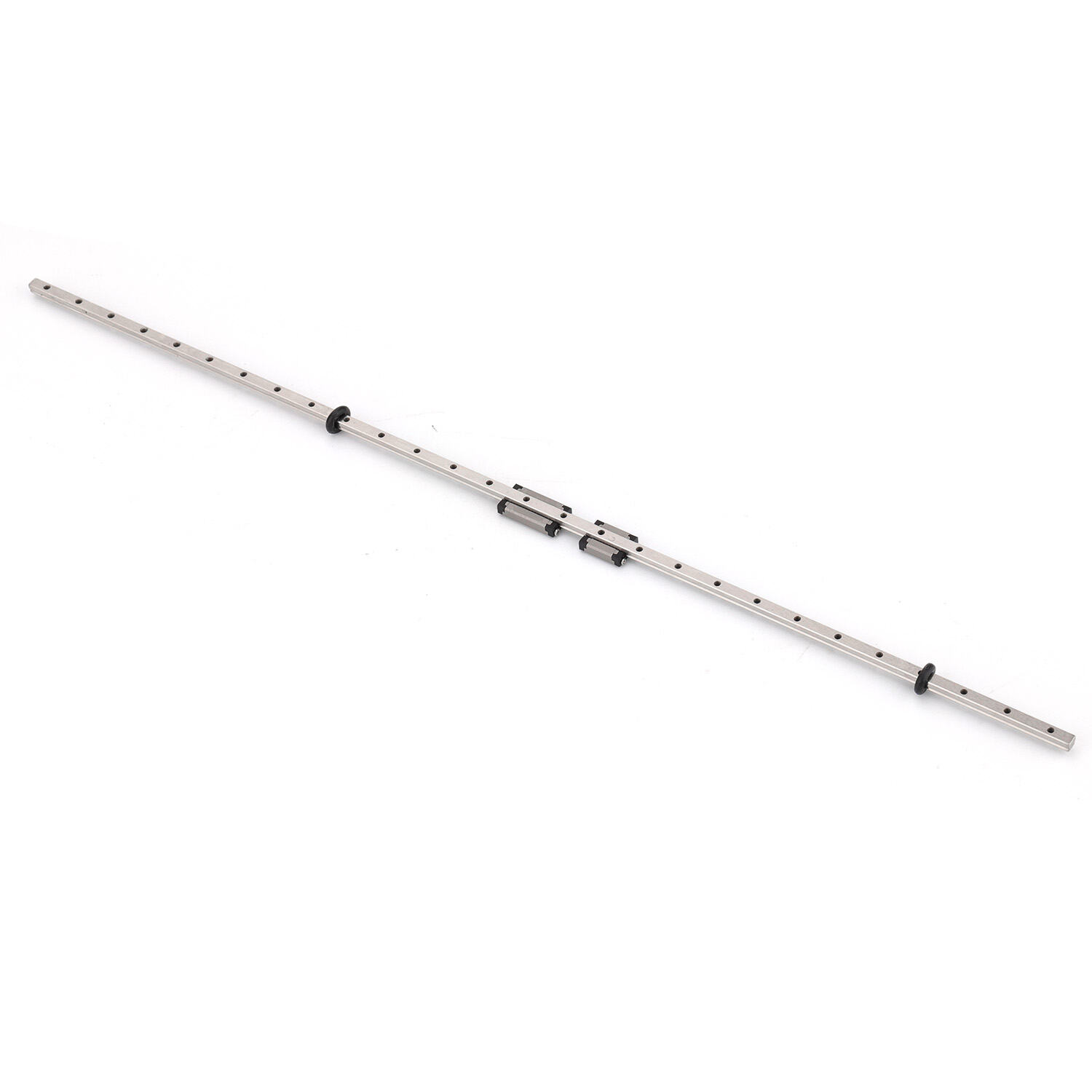
Manufacturing precision components requires exacting standards, especially when standard solutions cannot meet specific application requirements. Custom linear bearings have emerged as critical components for industries demanding non-standard configurations, specialized finishes, and unique mounting patterns. These engineered solutions provide the performance characteristics of traditional linear bearings while accommodating distinctive design specifications that standard products cannot fulfill.
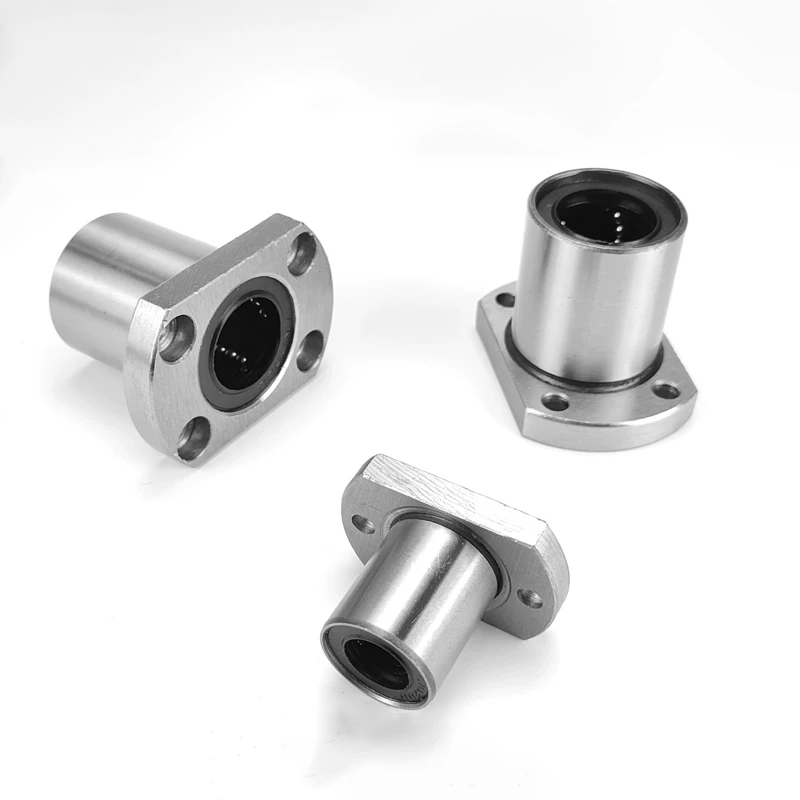
The industrial landscape increasingly demands components that integrate seamlessly into complex mechanical systems. Linear bearings with customized hole patterns and specialized surface treatments represent a significant advancement in addressing these challenges. Engineers across aerospace, semiconductor, medical device, and automation industries rely on these tailored solutions to achieve optimal system performance while maintaining strict operational tolerances.
Understanding Custom Linear Bearing Specifications
Non-Standard Hole Pattern Requirements
Traditional linear bearings feature standardized mounting hole configurations designed for general applications. However, many modern mechanical systems require unique mounting arrangements that accommodate space constraints, load distribution requirements, or integration with existing component geometries. Custom hole patterns allow engineers to specify exact positioning, diameter, and threading requirements that align with their particular design parameters.
These specialized configurations often emerge from retrofit applications where existing machinery must accommodate new linear motion systems without extensive structural modifications. The ability to specify custom hole patterns eliminates the need for adapter plates or mounting brackets, reducing overall system complexity and potential failure points. This approach significantly streamlines installation processes while maintaining structural integrity.
Manufacturing custom hole patterns requires precision machining capabilities and quality control systems that ensure dimensional accuracy across production runs. Advanced CNC machining centers enable the creation of complex hole patterns with tight tolerances, ensuring consistent performance across multiple units. This precision manufacturing approach guarantees that linear bearings will integrate seamlessly into their intended applications without compromising operational reliability.
Black Oxide Surface Treatment Benefits
Black oxide finishing represents a specialized surface treatment that enhances the performance characteristics of linear bearings beyond standard options. This electrochemical conversion process creates a protective layer that improves corrosion resistance while providing distinctive aesthetic qualities. The treatment penetrates the metal surface rather than forming a coating, maintaining dimensional accuracy while enhancing material properties.
The corrosion resistance provided by black oxide treatment proves particularly valuable in applications exposed to moisture, chemical vapors, or harsh environmental conditions. This protection extends component service life and reduces maintenance requirements, contributing to overall system reliability. Additionally, the treatment provides improved oil retention properties, enhancing lubrication effectiveness and reducing friction coefficients.
Beyond functional benefits, black oxide finishing offers aesthetic advantages that matter in visible applications or when maintaining consistent appearance across system components. The uniform black finish provides a professional appearance while hiding minor surface imperfections that might be visible on unfinished surfaces. This combination of functional and aesthetic benefits makes black oxide treatment an attractive option for demanding applications.
Applications Requiring Specialized Linear Bearings
Aerospace and Defense Systems
Aerospace applications demand linear bearings that can withstand extreme environmental conditions while maintaining precise motion control. Custom hole patterns enable integration into aircraft control surfaces, landing gear mechanisms, and satellite positioning systems where standard mounting configurations cannot accommodate design constraints. The weight reduction achieved through optimized mounting arrangements contributes to overall system efficiency.
Black oxide treatment provides essential corrosion protection for components exposed to altitude variations, temperature extremes, and chemical exposure common in aerospace environments. This surface treatment maintains performance characteristics across wide temperature ranges while resisting degradation from hydraulic fluids, fuel vapors, and cleaning solvents used in maintenance operations.
Defense applications often require components that meet specific military standards for durability, reliability, and stealth characteristics. Custom linear bearings can incorporate features that reduce radar signatures while providing the precise motion control required for targeting systems, vehicle stabilization, and weapon platform positioning. These specialized requirements drive the need for highly customized bearing solutions.
Medical Device Integration
Medical device manufacturing requires linear bearings that meet stringent cleanliness standards while providing smooth, precise motion control. Custom hole patterns enable integration into imaging equipment, surgical robots, and patient positioning systems where space constraints and biocompatibility requirements limit design options. The ability to specify exact mounting configurations ensures optimal system performance while maintaining patient safety standards.
Sterilization processes used in medical environments can degrade standard surface finishes, making black oxide treatment valuable for maintaining component integrity. This surface treatment resists chemical cleaning agents and sterilization procedures while maintaining dimensional stability across repeated exposure cycles. The improved corrosion resistance ensures consistent performance throughout the component lifecycle.
Linear bearings used in medical applications must often operate with minimal noise generation to avoid disrupting sensitive procedures or patient comfort. Custom designs can incorporate features that reduce vibration transmission and operational noise while maintaining the precision required for diagnostic or therapeutic equipment. These performance characteristics are essential for maintaining the quality standards expected in medical environments.
Manufacturing Processes for Custom Linear Bearings
Precision Machining Techniques
Creating custom hole patterns requires advanced manufacturing capabilities that ensure dimensional accuracy and surface finish quality. Multi-axis CNC machining centers enable the production of complex geometries while maintaining tight tolerances across multiple features. Programming these machines requires expertise in tooling selection, cutting parameters, and quality control procedures that ensure consistent results.
The machining process begins with detailed engineering drawings that specify all dimensional requirements, surface finish standards, and inspection criteria. Computer-aided manufacturing software translates these specifications into machine instructions that control cutting tool movements, speeds, and feeds throughout the production process. This digital workflow ensures repeatability and accuracy across production quantities.
Quality control during machining involves coordinate measuring machines and optical inspection systems that verify dimensional accuracy at critical stages. These measurement systems ensure that linear bearings meet specified tolerances before proceeding to subsequent manufacturing steps. Early detection of dimensional variations prevents the production of non-conforming parts and maintains overall quality standards.
Surface Treatment Application
Black oxide treatment requires careful preparation of component surfaces to ensure uniform coverage and optimal adhesion. The process begins with thorough cleaning to remove machining oils, contaminants, and surface oxidation that could interfere with treatment effectiveness. Alkaline cleaning solutions and ultrasonic cleaning systems ensure that all surfaces are properly prepared for the chemical conversion process.
The black oxide conversion process involves immersing components in heated chemical solutions that react with the metal surface to form the protective layer. Temperature control, solution concentration, and immersion time must be carefully managed to achieve consistent results across all treated surfaces. Process monitoring equipment ensures that treatment parameters remain within specified ranges throughout production runs.
Post-treatment processes include rinsing, drying, and oil application that enhance corrosion protection and provide the final surface characteristics. Quality control testing verifies coating thickness, adhesion strength, and corrosion resistance properties before components are approved for shipment. These verification procedures ensure that treated linear bearings will meet performance expectations in their intended applications.
Selection Criteria for Custom Linear Bearings
Load Capacity Considerations
Determining appropriate load ratings for custom linear bearings requires analysis of both static and dynamic loading conditions. Custom hole patterns can affect load distribution characteristics, making it essential to evaluate how mounting configuration changes impact bearing capacity. Finite element analysis helps predict stress concentrations around custom holes and ensures adequate safety margins.
Dynamic load ratings must account for operational cycles, speed variations, and acceleration profiles specific to the application. Linear bearings operating in high-frequency applications require careful analysis of fatigue characteristics and expected service life under actual operating conditions. This analysis ensures that custom configurations will provide adequate durability for the intended application lifecycle.
Environmental factors such as temperature variations, contamination exposure, and lubrication conditions influence load capacity calculations. Black oxide treated surfaces may exhibit different friction characteristics compared to standard finishes, requiring adjustment of load calculations to reflect actual operating conditions. These considerations ensure optimal performance throughout the component service life.
Environmental Compatibility
Operating environment characteristics significantly influence material selection and surface treatment requirements for linear bearings. Exposure to chemicals, temperature extremes, or corrosive atmospheres requires careful evaluation of material compatibility and protective coating effectiveness. Black oxide treatment provides enhanced protection against many environmental challenges while maintaining dimensional stability.
Lubrication compatibility becomes critical when linear bearings operate in environments where standard lubricants may not provide adequate protection or may be incompatible with system requirements. Custom surface treatments can improve lubricant retention and effectiveness while extending service intervals. This compatibility ensures consistent performance across varying operational conditions.
Contamination sensitivity varies among different linear bearing designs and applications. Custom configurations may require special sealing arrangements or contamination-resistant materials to maintain performance in challenging environments. Evaluation of contamination sources and mitigation strategies ensures that custom linear bearings will provide reliable service throughout their operational lifecycle.
Installation and Maintenance Considerations
Proper Installation Procedures
Installing linear bearings with custom hole patterns requires careful attention to alignment and mounting torque specifications. Non-standard hole arrangements may create unique stress patterns that require specific installation procedures to ensure optimal performance. Proper tooling and measurement equipment help ensure accurate installation while preventing damage to custom features.
Alignment verification becomes particularly important with custom mounting configurations where standard alignment tools may not be applicable. Custom fixtures or specialized measurement techniques may be required to ensure proper installation geometry. These procedures help prevent premature wear and ensure that linear bearings operate within their design parameters.
Documentation of installation procedures specific to custom configurations ensures consistent installation practices across multiple units. Training personnel on proper installation techniques helps prevent damage during assembly and ensures that performance expectations are met. Proper installation procedures contribute significantly to overall system reliability and component longevity.
Maintenance Requirements
Maintenance procedures for custom linear bearings may differ from standard components due to unique design features or surface treatments. Black oxide treated surfaces require specific cleaning agents and procedures that maintain treatment integrity while removing operational contaminants. Understanding proper maintenance techniques helps preserve component performance and extends service life.
Lubrication schedules and procedures must account for custom design features that may affect lubricant distribution or retention. Modified hole patterns or surface treatments may influence lubrication effectiveness, requiring adjustment of maintenance intervals or lubricant selection. Proper maintenance procedures ensure consistent performance throughout the component lifecycle.
Inspection procedures should address specific features of custom linear bearings that may require special attention during routine maintenance. Custom hole patterns or surface treatments may exhibit wear patterns different from standard components, requiring modified inspection techniques. Regular monitoring helps identify potential issues before they affect system performance.
FAQ
What are the lead times for custom linear bearings with non-standard hole patterns
Lead times for custom linear bearings typically range from 4-8 weeks depending on complexity and quantity requirements. Non-standard hole patterns require additional machining setup time and quality verification procedures that extend standard production schedules. Complex geometries or specialized surface treatments may require additional time for process development and validation. Planning production schedules should account for these extended timelines to ensure project milestones are met.
How does black oxide treatment affect bearing dimensional accuracy
Black oxide treatment adds minimal material thickness, typically 0.0002-0.0005 inches, which generally does not significantly affect bearing fit tolerances. The conversion process penetrates the metal surface rather than building up coating thickness like paint or plating processes. Critical dimensions may require post-treatment machining if extremely tight tolerances are required. Most applications can accommodate the minor dimensional changes without affecting performance characteristics.
Can existing linear bearing systems be retrofitted with custom hole pattern bearings
Retrofit applications often drive the need for custom hole patterns when existing mounting configurations cannot accommodate standard bearing designs. Custom bearings can be designed to match existing hole patterns while providing improved performance characteristics through modern materials and manufacturing techniques. Careful measurement of existing installations ensures proper fit and alignment with new custom components. Engineering analysis helps verify that custom designs will provide adequate performance in retrofit applications.
What quality certifications are available for custom linear bearings
Custom linear bearings can meet various industry quality standards including ISO 9001, AS9100 for aerospace applications, and ISO 13485 for medical devices. Certificate of compliance documentation provides traceability for materials, manufacturing processes, and inspection results. Calibrated measurement equipment and documented quality procedures ensure that custom components meet specified requirements. Industry-specific certifications may be required for regulated applications in aerospace, medical, or defense sectors.
Table of Contents
- Understanding Custom Linear Bearing Specifications
- Applications Requiring Specialized Linear Bearings
- Manufacturing Processes for Custom Linear Bearings
- Selection Criteria for Custom Linear Bearings
- Installation and Maintenance Considerations
-
FAQ
- What are the lead times for custom linear bearings with non-standard hole patterns
- How does black oxide treatment affect bearing dimensional accuracy
- Can existing linear bearing systems be retrofitted with custom hole pattern bearings
- What quality certifications are available for custom linear bearings