
 EN
EN
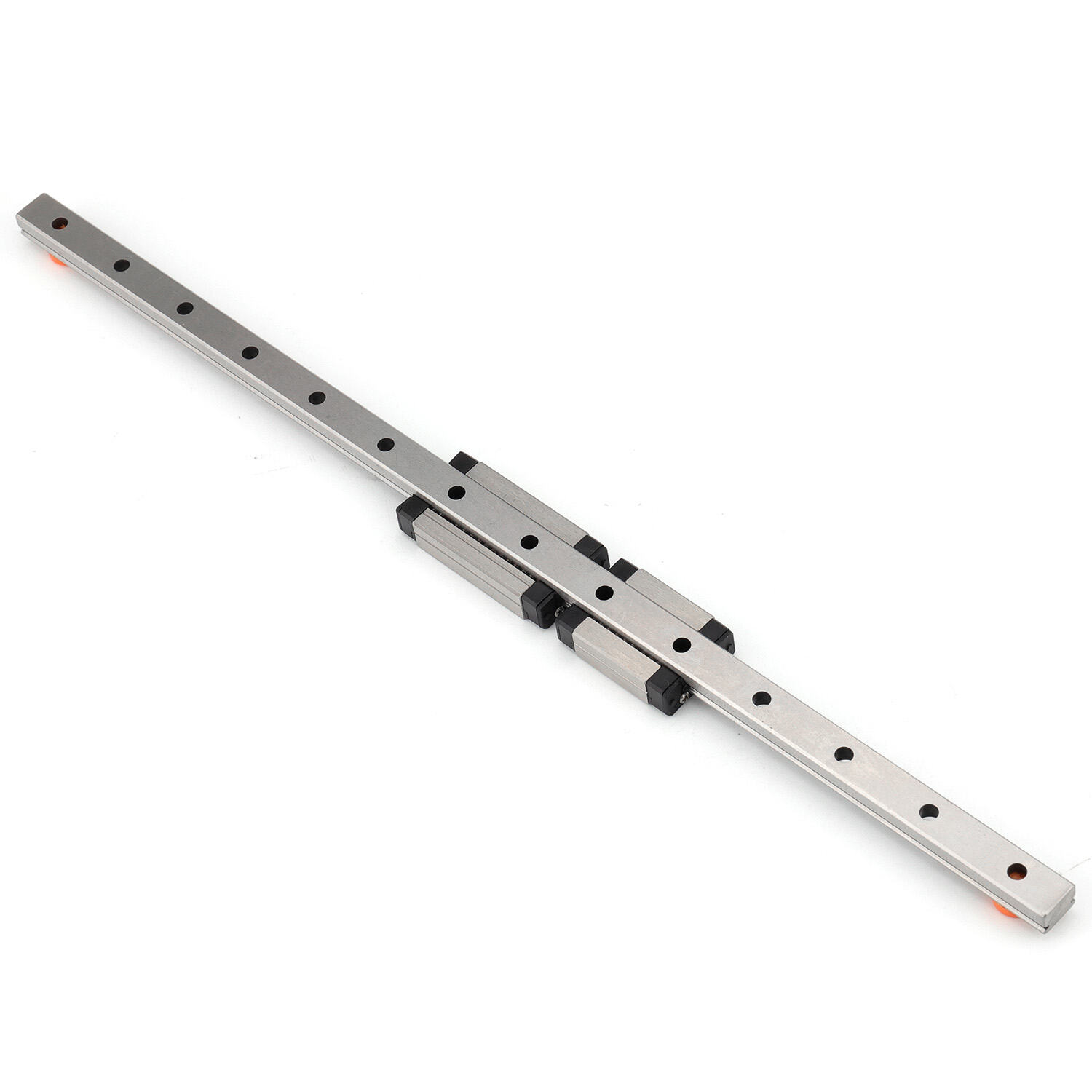
In today's demanding industrial environments, precision machinery requires reliable linear motion solutions that can withstand extreme loads while maintaining smooth operation. A linear bearing rail system serves as the backbone of countless automated manufacturing processes, from heavy-duty CNC machining centers to high-speed packaging equipment. These critical components must deliver consistent performance under challenging conditions while providing the durability needed for continuous operation. Modern industrial applications demand linear bearing rail assemblies that combine exceptional load capacity with superior surface treatments, ensuring long-term reliability even in the harshest working environments.
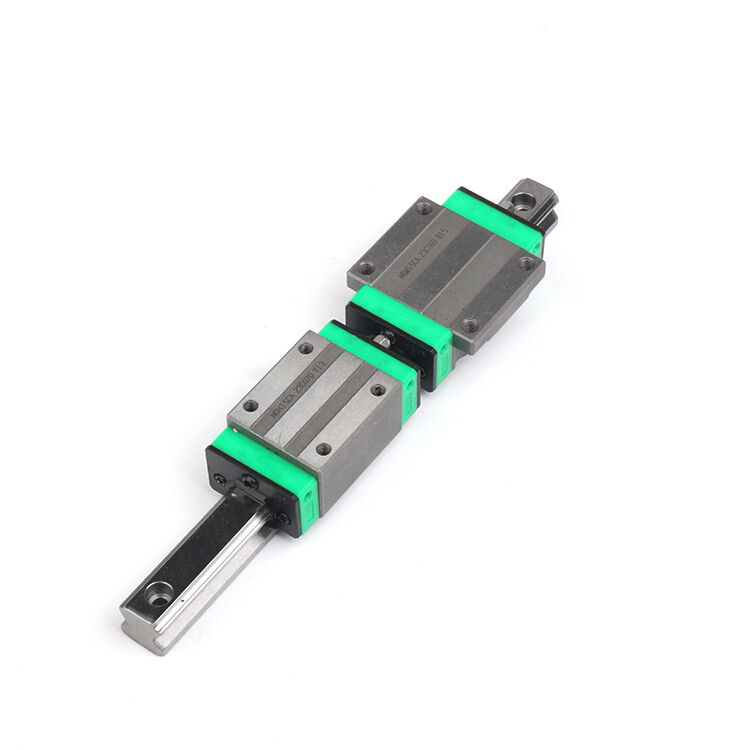
Understanding High-Capacity Linear Motion Systems
Load Requirements in Industrial Applications
Industrial machinery often operates under extreme load conditions that push conventional linear bearing rail systems to their limits. Heavy-duty applications such as steel processing equipment, large-scale automated assembly lines, and precision grinding machines require linear motion solutions capable of handling dynamic loads exceeding several thousand pounds. The linear bearing rail must maintain its precision and smooth operation even when subjected to these demanding forces, making proper sizing and specification critical for system success.
Engineers must carefully evaluate both static and dynamic load ratings when selecting a linear bearing rail system for high-capacity applications. Static loads represent the maximum force the rail can support while stationary, while dynamic loads indicate the maximum force during motion. Understanding these specifications ensures that the selected linear bearing rail will provide reliable service throughout its expected operational life, preventing costly downtime and maintenance issues.
Material Considerations for Extreme Conditions
The choice of materials significantly impacts the performance and longevity of a linear bearing rail system operating under extreme loads. High-grade steel alloys provide the strength necessary to withstand heavy forces while maintaining dimensional stability over extended periods. These materials undergo specialized heat treatment processes that enhance their hardness and wear resistance, ensuring consistent performance even in demanding applications.
Advanced manufacturing techniques allow for precise control of material properties throughout the linear bearing rail structure. This ensures uniform hardness distribution and optimal grain structure, which directly translates to improved load-carrying capacity and extended service life. The selection of appropriate bearing steel grades becomes particularly critical when the system must operate continuously under maximum load conditions.
Chrome Plating Technology for Enhanced Durability
Surface Treatment Benefits
Chrome plating represents one of the most effective surface treatments for enhancing the performance characteristics of a linear bearing rail system. This electrochemical process deposits a thin layer of chromium onto the rail surface, creating a hard, corrosion-resistant barrier that significantly improves wear resistance. The chrome plating process results in a mirror-like finish that reduces friction and provides superior protection against environmental contaminants.
The benefits of chrome plating extend beyond mere surface protection, directly impacting the operational efficiency of the linear bearing rail assembly. The smooth, low-friction surface reduces energy consumption while extending bearing life through decreased wear rates. This becomes particularly important in applications where the linear bearing rail must operate continuously over extended periods, as the reduced friction translates to lower operating temperatures and improved system reliability.
Plating Process and Quality Control
Professional chrome plating of a linear bearing rail involves multiple preparation stages to ensure optimal adhesion and uniform coverage. The rail surface undergoes thorough cleaning and preparation, including mechanical polishing and chemical etching, before the actual plating process begins. This meticulous preparation ensures that the chrome layer bonds effectively with the base material, preventing delamination or premature wear.
Quality control measures during the chrome plating process include precise monitoring of bath chemistry, temperature control, and current density management. These parameters directly influence the final characteristics of the plated linear bearing rail, affecting factors such as hardness, thickness uniformity, and surface roughness. Advanced plating facilities employ sophisticated testing equipment to verify that each linear bearing rail meets stringent quality standards before shipment.
Custom Design Solutions for Specialized Applications
Engineering Consultation and Analysis
Developing custom linear bearing rail solutions requires comprehensive engineering analysis to identify the specific requirements of each application. Professional engineers evaluate factors including load patterns, operating speeds, environmental conditions, and space constraints to determine the optimal rail configuration. This analysis ensures that the final linear bearing rail design will meet or exceed performance expectations while providing cost-effective operation.
Advanced computer modeling techniques enable engineers to simulate the performance of custom linear bearing rail designs under various operating conditions. These simulations help identify potential stress concentrations, predict service life, and optimize the rail geometry for maximum performance. The result is a linear bearing rail solution that precisely matches the unique requirements of the intended application.
Manufacturing Flexibility and Customization Options
Modern manufacturing capabilities enable the production of custom linear bearing rail assemblies in a wide range of sizes, configurations, and specifications. CNC machining technology allows for precise control of rail dimensions and surface finishes, ensuring that each component meets exact specifications. This manufacturing flexibility enables the creation of linear bearing rail solutions for applications that cannot be served by standard catalog products.
Customization options for linear bearing rail systems extend beyond basic dimensional modifications to include specialized mounting configurations, integrated lubrication systems, and application-specific surface treatments. These enhancements allow engineers to optimize the linear bearing rail performance for unique operating conditions while simplifying system integration and maintenance requirements.
Installation and Maintenance Best Practices
Proper Installation Techniques
Correct installation procedures are essential for achieving optimal performance from any linear bearing rail system. The mounting surface must be precisely machined and properly aligned to ensure that the rail operates smoothly without binding or excessive wear. Torque specifications for mounting bolts must be carefully followed to prevent distortion of the linear bearing rail geometry, which could lead to premature failure or reduced accuracy.
Environmental considerations during installation include protection from contamination and proper handling to prevent damage to the chrome-plated surface. The linear bearing rail should be protected from metal chips, cutting fluids, and other contaminants that could compromise its performance. Proper storage and handling procedures ensure that the rail arrives at the installation site in optimal condition.
Maintenance Requirements and Procedures
Regular maintenance is crucial for maximizing the service life of a linear bearing rail system operating under extreme loads. Lubrication schedules must be strictly followed, with the frequency determined by operating conditions, load levels, and environmental factors. The chrome-plated surface requires specific cleaning procedures to maintain its low-friction characteristics while preventing damage to the protective coating.
Preventive maintenance programs for linear bearing rail systems should include regular inspection for signs of wear, contamination, or damage. Early detection of potential issues allows for corrective action before catastrophic failure occurs, minimizing downtime and repair costs. Documentation of maintenance activities helps establish patterns and optimize service intervals for maximum efficiency.
Performance Optimization and Troubleshooting
Load Distribution and System Balance
Proper load distribution is critical for maximizing the performance and longevity of a linear bearing rail system. Uneven loading can cause premature wear, increased friction, and reduced accuracy, particularly in high-capacity applications. Engineers must carefully analyze the load paths and ensure that forces are distributed evenly across all bearing contact points to achieve optimal linear bearing rail performance.
System balance considerations extend beyond simple load distribution to include dynamic effects such as acceleration forces and vibration. These factors can significantly impact the performance of a linear bearing rail system, particularly in high-speed or precision applications. Proper system design accounts for these dynamic effects to ensure stable operation throughout the entire range of operating conditions.
Common Issues and Solutions
Despite careful design and installation, linear bearing rail systems may occasionally experience performance issues that require troubleshooting. Common problems include increased friction, excessive wear, and loss of precision, often caused by contamination, improper lubrication, or overloading. Systematic diagnosis procedures help identify the root cause of these issues and guide appropriate corrective actions.
Addressing linear bearing rail performance issues requires understanding the relationship between symptoms and underlying causes. Increased operating temperatures may indicate inadequate lubrication or excessive loading, while unusual noise patterns could suggest contamination or bearing wear. Professional troubleshooting approaches combine systematic analysis with practical experience to restore optimal system performance.
FAQ
What load capacity can custom linear bearing rail systems handle?
Custom linear bearing rail systems can be designed to handle extremely high loads, with some configurations capable of supporting dynamic loads exceeding 10,000 pounds per rail. The exact load capacity depends on factors such as rail size, bearing configuration, and operating conditions. Professional engineering analysis is essential to determine the appropriate specifications for each specific application.
How does chrome plating improve linear bearing rail performance?
Chrome plating significantly enhances linear bearing rail performance by providing a hard, smooth surface that reduces friction and wear. The chrome layer offers excellent corrosion resistance and maintains its properties under extreme operating conditions. This surface treatment can extend bearing life by 2-3 times compared to unplated rails while reducing maintenance requirements.
What maintenance is required for chrome-plated linear bearing rails?
Chrome-plated linear bearing rail systems require regular cleaning to remove contaminants and periodic lubrication according to manufacturer specifications. The chrome surface should be cleaned with appropriate solvents and inspected for damage or wear. Proper maintenance intervals depend on operating conditions but typically range from weekly to monthly for heavy-duty applications.
Can existing linear bearing rail systems be upgraded with chrome plating?
In many cases, existing linear bearing rail systems can be disassembled and sent for professional chrome plating to improve their performance and extend service life. The feasibility depends on the condition of the original rails and their compatibility with the plating process. Professional evaluation is recommended to determine if retrofitting with chrome plating is cost-effective compared to replacement with new components.