 EN
EN
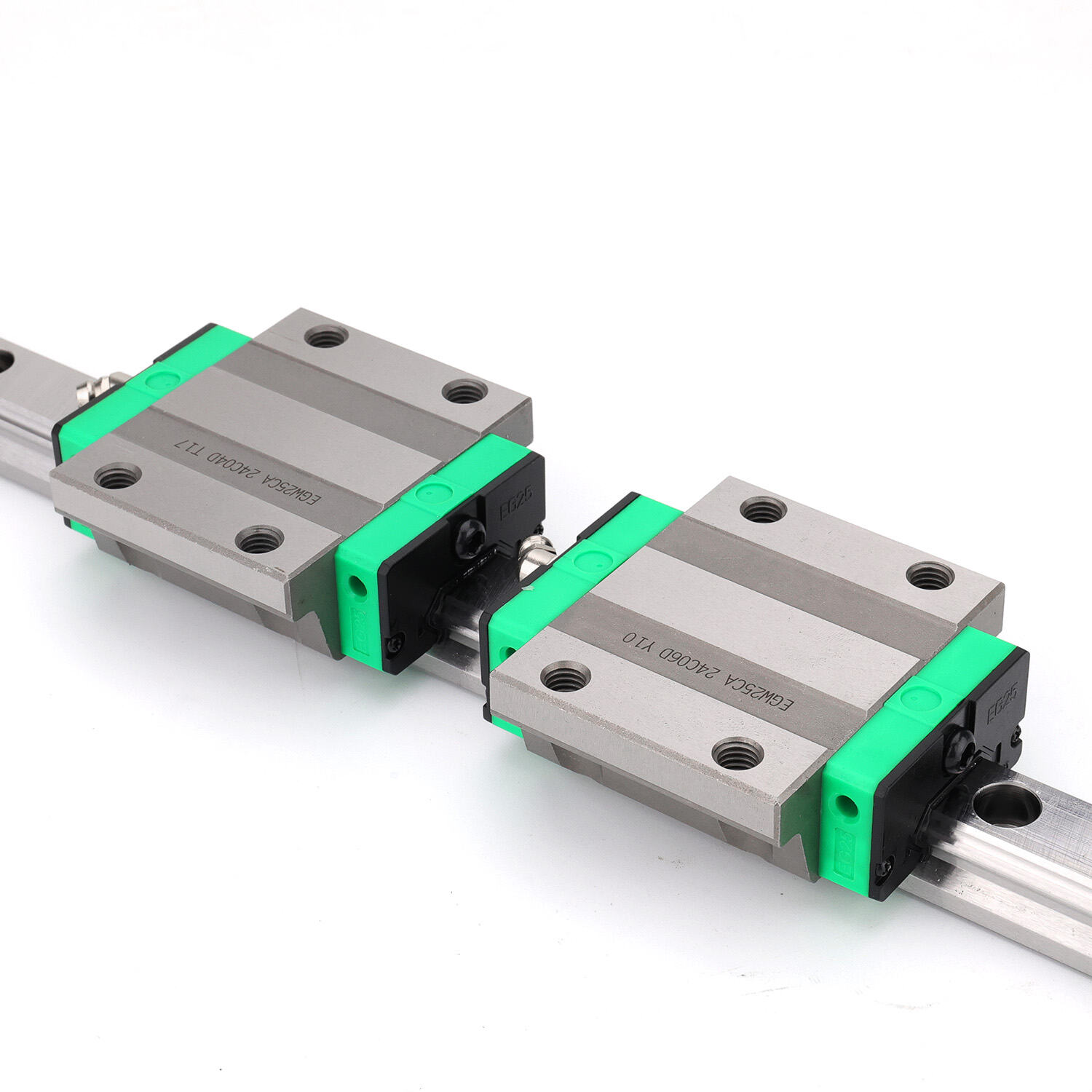
Modern manufacturing environments demand precision components that maximize efficiency while minimizing spatial footprints. Rail linear systems have revolutionized industrial automation by providing smooth, accurate motion control in compact configurations. These sophisticated guidance systems integrate seamlessly into machinery designs, offering manufacturers the flexibility to optimize their production lines without compromising on performance or reliability.
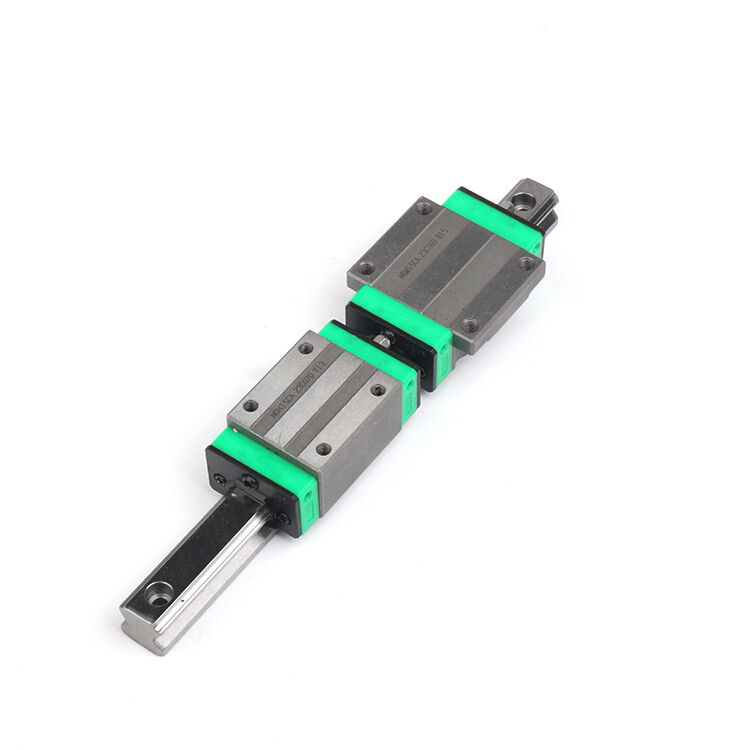
The evolution of rail linear technology has been driven by the increasing need for space optimization in industrial settings. As factory floors become more valuable real estate, engineers must design systems that deliver maximum functionality within minimal dimensions. Rail linear solutions address this challenge by combining multiple mechanical functions into single, integrated assemblies that maintain exceptional precision standards throughout their operational lifecycle.
Advanced Engineering Principles in Rail Linear Systems
Precision Manufacturing Standards
Rail linear components undergo rigorous manufacturing processes that ensure dimensional accuracy and surface finish quality. The precision grinding operations used in producing these systems achieve tolerances measured in micrometers, enabling smooth operation even under high-speed conditions. Surface roughness specifications are carefully controlled to minimize friction and wear, extending the operational lifespan of the entire system.
Quality control measures throughout the production process include coordinate measuring machine verification, surface profilometry, and dynamic testing protocols. These comprehensive inspection procedures guarantee that each rail linear assembly meets strict industrial standards for straightness, parallelism, and surface integrity. The resulting components demonstrate exceptional consistency in performance across extended operational periods.
Material Selection and Heat Treatment
The foundation of reliable rail linear performance lies in strategic material selection and specialized heat treatment processes. High-carbon chromium bearing steels are typically chosen for their superior wear resistance and dimensional stability characteristics. These materials undergo carefully controlled hardening cycles that achieve optimal hardness levels while maintaining core toughness properties.
Induction hardening techniques are employed to create precise hardness gradients across critical contact surfaces. This selective hardening approach ensures maximum wear resistance at load-bearing interfaces while preserving the flexibility needed for mounting and adjustment procedures. The resulting hardness profiles contribute significantly to the extended service life expectations of modern rail linear systems.
Space-Saving Design Innovations
Integrated Mounting Solutions
Contemporary rail linear designs incorporate innovative mounting methodologies that eliminate the need for separate support structures. These integrated approaches reduce overall system height and simplify installation procedures while maintaining structural rigidity requirements. The compact profiles achieved through these design innovations enable engineers to implement linear motion systems in previously impractical applications.
Modular mounting interfaces provide flexibility for various installation scenarios while standardizing connection methods across different system configurations. These standardized interfaces reduce inventory requirements and simplify maintenance procedures, contributing to overall cost-effectiveness in industrial applications. The versatility of modern mounting systems accommodates both horizontal and vertical orientations without performance degradation.
Compact Carriage Configurations
Rail linear carriages have evolved to incorporate multiple ball tracks within minimal envelope dimensions. Advanced raceway geometries optimize load distribution while reducing overall carriage height, enabling integration into space-constrained applications. These compact configurations maintain full load capacity specifications despite their reduced physical dimensions.
The internal seal designs of modern carriages provide effective contamination protection without adding significant bulk to the overall assembly. These sealing systems utilize advanced elastomer compounds that maintain flexibility across wide temperature ranges while providing reliable exclusion of particulate matter and moisture. The resulting protection ensures consistent performance in challenging industrial environments.
Custom Drilling and Precision Machining
Application-Specific Hole Patterns
Custom drilling services for rail linear components enable precise integration with existing machinery designs. Computer-controlled drilling operations produce hole patterns that match specific mounting requirements while maintaining structural integrity of the base rail. These customization capabilities eliminate the need for field modifications and reduce installation time requirements.
Precision drilling protocols ensure that mounting holes maintain exact positioning relative to the guidance surfaces. Advanced fixturing systems hold components during machining operations to prevent distortion and maintain critical dimensional relationships. The resulting hole patterns provide secure mounting connections that resist loosening under dynamic loading conditions.
Threading and Tapping Operations
Specialized tapping operations create threaded connections that integrate seamlessly with standard fastener systems. Thread forming techniques are selected based on material characteristics and load requirements to ensure optimal holding power. These precision threading operations maintain proper engagement lengths while avoiding stress concentrations that could compromise structural integrity.
Quality assurance procedures verify thread pitch accuracy and engagement characteristics through comprehensive testing protocols. Thread gauge inspections ensure compatibility with standard fastener specifications while confirming adequate thread strength for operational loads. The precision achieved in these threading operations contributes to reliable assembly procedures and long-term connection stability.
Black Oxide Treatment Benefits
Corrosion Resistance Enhancement
Black oxide surface treatments provide enhanced corrosion resistance for rail linear components exposed to challenging environmental conditions. This chemical conversion process creates a protective magnetite layer that serves as a barrier against moisture infiltration and oxidation reactions. The resulting surface protection extends component service life while maintaining dimensional accuracy throughout operational periods.
The black oxide treatment process involves controlled chemical reactions that penetrate the surface material to create integrated protection layers. Unlike coating applications, this treatment becomes part of the base material structure, eliminating concerns about delamination or wear-through failures. The chemical stability of the magnetite layer provides consistent protection across wide temperature and humidity ranges.
Improved Lubrication Retention
Black oxide surfaces demonstrate superior lubrication retention characteristics compared to untreated steel components. The micro-porous structure created during the treatment process provides enhanced oil holding capacity, reducing friction and wear rates during operation. This improved lubrication retention contributes to smoother motion characteristics and extended maintenance intervals.
The surface texture modifications achieved through black oxide treatment optimize lubricant film formation under various operating conditions. These modifications promote consistent lubricant distribution across contact surfaces while preventing excessive lubricant migration that could lead to contamination issues. The resulting lubrication performance enhances overall system efficiency and reliability.
Performance Optimization Strategies
Load Capacity Maximization
Rail linear systems achieve optimal load capacity through careful attention to contact geometry and load distribution principles. The four-point contact design utilized in premium systems provides balanced loading across all ball bearing elements while maintaining smooth motion characteristics. This load distribution approach enables higher capacity ratings within compact envelope dimensions.
Dynamic load calculations consider both static and dynamic loading conditions to ensure adequate safety margins throughout operational cycles. The relationship between preload settings and load capacity is carefully optimized to provide maximum stiffness while minimizing internal friction forces. These optimization strategies result in systems that maintain precision performance under varying load conditions.
Speed and Acceleration Capabilities
Modern rail linear designs accommodate high-speed applications through advanced ball circulation systems and optimized raceway profiles. The ball recirculation mechanisms minimize transition impacts while maintaining consistent contact pressure throughout the motion cycle. These design features enable smooth operation at speeds that exceed traditional linear bearing capabilities.
Acceleration performance is enhanced through lightweight carriage designs that reduce moving mass while maintaining structural stiffness requirements. The moment of inertia characteristics of rail linear assemblies are optimized to provide rapid response to motion commands while minimizing settling times. These performance characteristics make rail linear systems ideal for high-throughput manufacturing applications.
Industrial Applications and Implementation
Automated Manufacturing Systems
Rail linear technology forms the backbone of modern automated manufacturing systems where precision and reliability are paramount. Pick-and-place operations benefit from the smooth motion characteristics and positional repeatability that these systems provide. The compact dimensions of rail linear assemblies enable integration into robotic systems where space constraints limit traditional bearing arrangements.
Assembly line applications utilize rail linear systems for conveyor mechanisms that require precise positioning and smooth acceleration profiles. The ability to customize mounting patterns and treatment options ensures compatibility with existing production equipment while providing upgrade paths for enhanced performance. These applications demonstrate the versatility and adaptability of modern rail linear technology.
Medical and Laboratory Equipment
The precision requirements of medical and laboratory equipment demand rail linear systems that provide exceptional accuracy and smooth operation characteristics. Microscopy stages utilize these systems to achieve sub-micron positioning repeatability while maintaining vibration-free motion profiles. The compact design enables integration into sophisticated analytical instruments where space optimization is critical.
Cleanroom compatibility is achieved through specialized seal designs and surface treatments that minimize particle generation during operation. The black oxide treatment provides additional benefits in these applications by reducing surface reflectivity and improving contamination resistance. These features make rail linear systems ideal for sensitive measurement and analysis equipment.
Maintenance and Service Considerations
Preventive Maintenance Protocols
Effective maintenance programs for rail linear systems focus on lubrication monitoring and contamination prevention strategies. Regular inspection procedures identify wear patterns and performance degradation before they impact operational reliability. The extended lubrication intervals possible with black oxide treated components reduce maintenance frequency while maintaining optimal performance levels.
Condition monitoring techniques utilize vibration analysis and performance measurement to assess system health without disassembly requirements. These non-invasive monitoring approaches enable predictive maintenance strategies that optimize component replacement timing while minimizing production disruptions. The data collected through these programs provides valuable insights for system optimization and upgrade planning.
Replacement and Upgrade Procedures
Rail linear system replacement procedures are designed to minimize downtime while ensuring proper installation and alignment. Standardized mounting interfaces enable direct replacement of worn components without modifications to existing machinery. The availability of custom drilling services ensures that replacement components match original specifications exactly.
Upgrade opportunities exist for enhancing system performance through improved materials and treatment options. Black oxide treatments can be applied to existing components during overhaul procedures, extending service life and improving reliability. These upgrade options provide cost-effective methods for enhancing system performance without complete replacement requirements.
FAQ
What are the primary advantages of rail linear systems over traditional linear bearings
Rail linear systems offer superior load capacity, enhanced rigidity, and more precise guidance compared to traditional linear bearings. The integrated design eliminates alignment issues between separate components while providing better moment resistance and overall system stiffness. Additionally, the compact envelope dimensions enable installation in space-constrained applications where traditional bearing arrangements would be impractical.
How does black oxide treatment improve rail linear system performance
Black oxide treatment enhances rail linear performance by providing improved corrosion resistance and better lubrication retention characteristics. The treatment creates a protective magnetite layer that prevents oxidation while the micro-porous surface structure holds lubricants more effectively. This combination results in reduced friction, extended component life, and improved reliability in challenging environmental conditions.
What customization options are available for rail linear mounting configurations
Custom drilling services provide hole patterns that match specific application requirements while maintaining structural integrity. Threading and tapping operations create secure mounting connections compatible with standard fastener systems. These customization capabilities eliminate field modifications and ensure proper integration with existing machinery designs while maintaining full load capacity specifications.
How do you determine the appropriate rail linear system for specific applications
Selection criteria include load capacity requirements, speed and acceleration specifications, environmental conditions, and space constraints. Engineers must consider both static and dynamic loading conditions while accounting for moment loads and misalignment forces. The operating environment determines surface treatment requirements, while space limitations influence carriage configuration and mounting options for optimal system integration.
Table of Contents
- Advanced Engineering Principles in Rail Linear Systems
- Space-Saving Design Innovations
- Custom Drilling and Precision Machining
- Black Oxide Treatment Benefits
- Performance Optimization Strategies
- Industrial Applications and Implementation
- Maintenance and Service Considerations
-
FAQ
- What are the primary advantages of rail linear systems over traditional linear bearings
- How does black oxide treatment improve rail linear system performance
- What customization options are available for rail linear mounting configurations
- How do you determine the appropriate rail linear system for specific applications