
 EN
EN
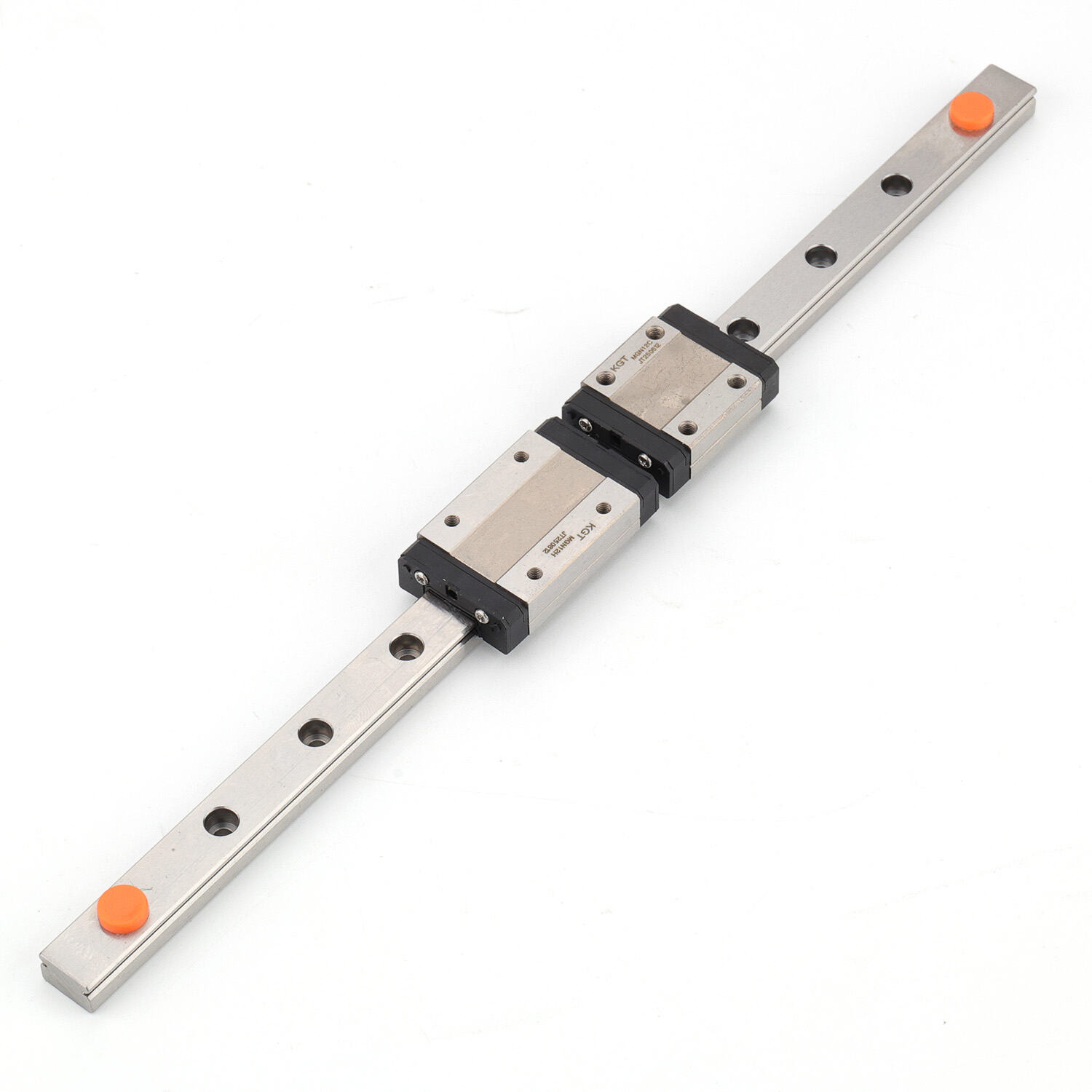
Industrial applications demand precision components that can withstand extreme conditions while maintaining consistent performance over extended periods. Heavy-duty sliding rails represent a critical element in manufacturing equipment, automation systems, and precision machinery where reliability cannot be compromised. These specialized components must endure continuous movement, substantial loads, and harsh environmental conditions while delivering smooth, accurate linear motion. The integration of advanced protective coatings, particularly nickel plating, has revolutionized the durability and longevity of sliding rails in demanding industrial environments.
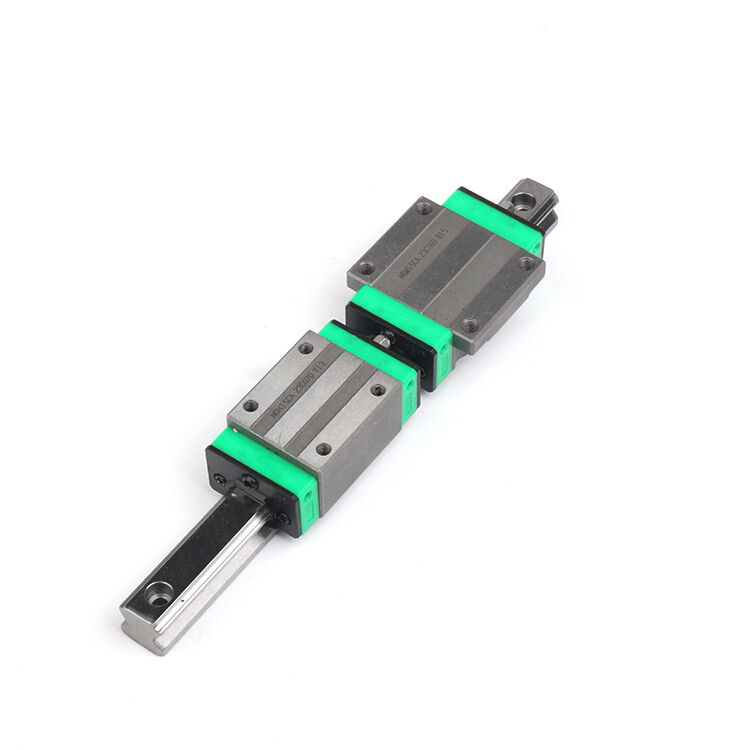
Engineering Excellence in Heavy-Duty Linear Motion Systems
Precision Manufacturing Standards
The foundation of exceptional sliding rails begins with precision manufacturing processes that ensure dimensional accuracy and surface finish quality. Advanced CNC machining techniques create bearing surfaces with tolerances measured in micrometers, establishing the groundwork for smooth linear motion. Material selection plays a crucial role, with high-grade steel alloys providing the structural integrity necessary to support substantial loads while maintaining geometric stability under stress.
Quality control measures throughout the manufacturing process include comprehensive dimensional inspections, surface roughness analysis, and material hardness testing. These rigorous standards ensure that each set of sliding rails meets exacting specifications before receiving protective treatments. The manufacturing process also incorporates stress-relief procedures that eliminate internal tensions, preventing dimensional changes during operational use.
Load Capacity Engineering
Heavy-duty sliding rails must accommodate both static and dynamic loads while maintaining smooth operation throughout their service life. Engineering calculations consider maximum load ratings, safety factors, and dynamic load capabilities to ensure reliable performance under varying operational conditions. The rail profile geometry directly influences load distribution, with optimized designs maximizing contact area between bearing elements.
Dynamic load ratings account for the cyclical nature of industrial applications, where repeated loading and unloading cycles can impact component longevity. Advanced finite element analysis helps optimize rail geometry to minimize stress concentrations while maximizing load-bearing capacity. These engineering considerations ensure that sliding rails can handle demanding applications without premature wear or failure.
Nickel Plating Technology for Enhanced Durability
Electroplating Process Excellence
Nickel plating represents a sophisticated electrochemical process that deposits a uniform protective layer onto the surface of sliding rails. The electroplating bath composition, current density, and processing time are carefully controlled to achieve optimal coating thickness and adhesion characteristics. Multiple plating layers may be applied to build up the desired coating thickness while ensuring excellent bonding between layers.
Surface preparation prior to plating involves thorough cleaning, degreasing, and activation procedures that ensure maximum adhesion between the base material and nickel coating. The plating process creates a dense, uniform coating that provides exceptional corrosion resistance and wear protection. Quality control measures include coating thickness measurement, adhesion testing, and surface finish evaluation to verify coating integrity.
Corrosion Protection Benefits
Nickel plating creates an effective barrier against environmental contaminants that could otherwise compromise the performance of sliding rails. The coating resists moisture, chemical exposure, and atmospheric pollutants that commonly exist in industrial environments. This protection extends component service life significantly while reducing maintenance requirements and operational downtime.
The electrochemical properties of nickel provide active corrosion protection, forming a passive oxide layer that self-heals minor surface damage. This characteristic ensures continued protection even when the coating experiences minor wear or mechanical damage during normal operation. The uniform coating distribution protects complex geometries and hard-to-reach areas that might otherwise be vulnerable to corrosion attack.
Performance Advantages in Industrial Applications
Friction Reduction and Smooth Operation
The smooth, uniform surface created by nickel plating significantly reduces friction coefficients in sliding rail applications. Lower friction translates directly to reduced operating forces, decreased energy consumption, and minimized wear on mating components. The consistent surface finish eliminates microscopic irregularities that could cause stick-slip behavior or uneven motion characteristics.
Reduced friction also contributes to improved positioning accuracy and repeatability in precision applications. The smooth surface finish allows for consistent motion characteristics throughout the entire travel range, enabling precise positioning control in automated systems. This performance advantage becomes particularly important in high-speed applications where motion smoothness directly impacts system productivity.
Extended Service Life
The combination of corrosion protection and wear resistance provided by nickel plating extends the operational life of sliding rails substantially. Field studies demonstrate service life improvements of 300% or more compared to uncoated alternatives in similar operating conditions. This longevity reduces replacement costs and minimizes production interruptions associated with component maintenance.
Extended service life also contributes to improved system reliability and reduced total cost of ownership. The predictable performance characteristics of nickel-plated sliding rails enable more accurate maintenance scheduling and reduce the risk of unexpected failures. This reliability factor becomes critical in continuous production environments where equipment downtime directly impacts profitability.
Application Versatility Across Industries
Manufacturing Automation Systems
Modern manufacturing facilities rely heavily on automated systems that incorporate sliding rails for material handling, positioning, and assembly operations. These applications demand exceptional reliability and precision, making nickel-plated sliding rails an ideal solution. The smooth operation and consistent performance characteristics support high-speed automation while maintaining positional accuracy.
Automation systems often operate continuously for extended periods, placing significant demands on all mechanical components. The durability and low-maintenance characteristics of nickel-plated sliding rails make them particularly suitable for these demanding applications. Reduced maintenance requirements translate to improved system availability and higher production output.
Heavy Machinery Applications
Construction equipment, mining machinery, and other heavy industrial applications present unique challenges for linear motion components. These environments typically involve exposure to dirt, moisture, extreme temperatures, and substantial mechanical loads. Nickel-plated sliding rails provide the durability and reliability necessary to function effectively in these harsh conditions.
The robust construction and protective coating enable sliding rails to maintain performance even when exposed to contaminated environments. Regular cleaning and inspection procedures can further extend service life, but the inherent durability of nickel-plated components provides significant operational advantages over alternative solutions.
Maintenance and Optimization Strategies
Preventive Maintenance Protocols
Implementing proper maintenance procedures maximizes the performance and service life of nickel-plated sliding rails. Regular inspection schedules should include visual examination of coating integrity, measurement of wear patterns, and verification of lubrication effectiveness. Early detection of potential issues enables corrective action before problems impact system performance.
Cleaning procedures should utilize appropriate solvents and techniques that remove contaminants without damaging the nickel coating. Proper lubrication with compatible products ensures continued smooth operation while providing additional protection against wear and corrosion. Documentation of maintenance activities enables trend analysis and optimization of service intervals.
Performance Monitoring
Advanced monitoring techniques can provide early warning of developing problems in sliding rail systems. Vibration analysis, temperature monitoring, and force measurement can detect changes in operating characteristics that indicate wear or other issues. These monitoring approaches enable condition-based maintenance strategies that optimize component utilization.
Regular performance assessment also provides valuable feedback for design improvements and application optimization. Understanding actual operating conditions and performance characteristics enables better component selection for future applications and may identify opportunities for enhanced efficiency or reliability.
Future Developments in Sliding Rail Technology
Advanced Coating Technologies
Research and development efforts continue to advance protective coating technologies for sliding rails applications. Composite coatings that combine nickel with other materials offer enhanced properties such as improved hardness, reduced friction, or specialized corrosion resistance. These advanced coatings may provide superior performance in specific applications while maintaining the proven benefits of traditional nickel plating.
Nanotechnology applications in coating development show promise for creating ultra-smooth surfaces with exceptional wear resistance. These innovations may enable even longer service life and improved performance characteristics while maintaining cost-effectiveness for industrial applications.
Smart Component Integration
The integration of sensors and monitoring capabilities directly into sliding rails represents an emerging technology trend. Embedded sensors can provide real-time feedback on operating conditions, wear status, and performance characteristics. This information enables predictive maintenance strategies and optimization of system performance.
Smart sliding rails may also incorporate adaptive features that adjust operating characteristics based on load conditions or environmental factors. These advanced capabilities could further extend component life while optimizing system performance across varying operational conditions.
FAQ
What makes nickel-plated sliding rails superior to standard alternatives
Nickel-plated sliding rails offer superior corrosion resistance, reduced friction coefficients, and extended service life compared to uncoated alternatives. The protective coating prevents environmental damage while providing a smooth, consistent surface that maintains performance characteristics throughout the component's operational life. Field testing demonstrates service life improvements of 300% or more in typical industrial applications.
How do environmental conditions affect sliding rail performance
Environmental factors such as moisture, temperature extremes, and chemical exposure can significantly impact sliding rail performance. Nickel plating provides effective protection against these conditions, maintaining smooth operation and preventing corrosion damage. Proper selection of coating thickness and composition based on specific environmental conditions ensures optimal performance and longevity.
What maintenance practices optimize sliding rail service life
Regular inspection, proper lubrication, and appropriate cleaning procedures significantly extend sliding rail service life. Preventive maintenance schedules should include visual examination of coating integrity, verification of lubrication effectiveness, and removal of accumulated contaminants. Early detection and correction of potential issues prevent minor problems from developing into major failures.
How do load requirements influence sliding rail selection
Load requirements directly impact sliding rail selection, with both static and dynamic load capacities requiring careful consideration. Heavy-duty applications demand rails with appropriate load ratings and safety factors to ensure reliable operation throughout the service life. Engineering analysis of actual operating conditions enables proper component selection and optimization of system performance.