
 EN
EN
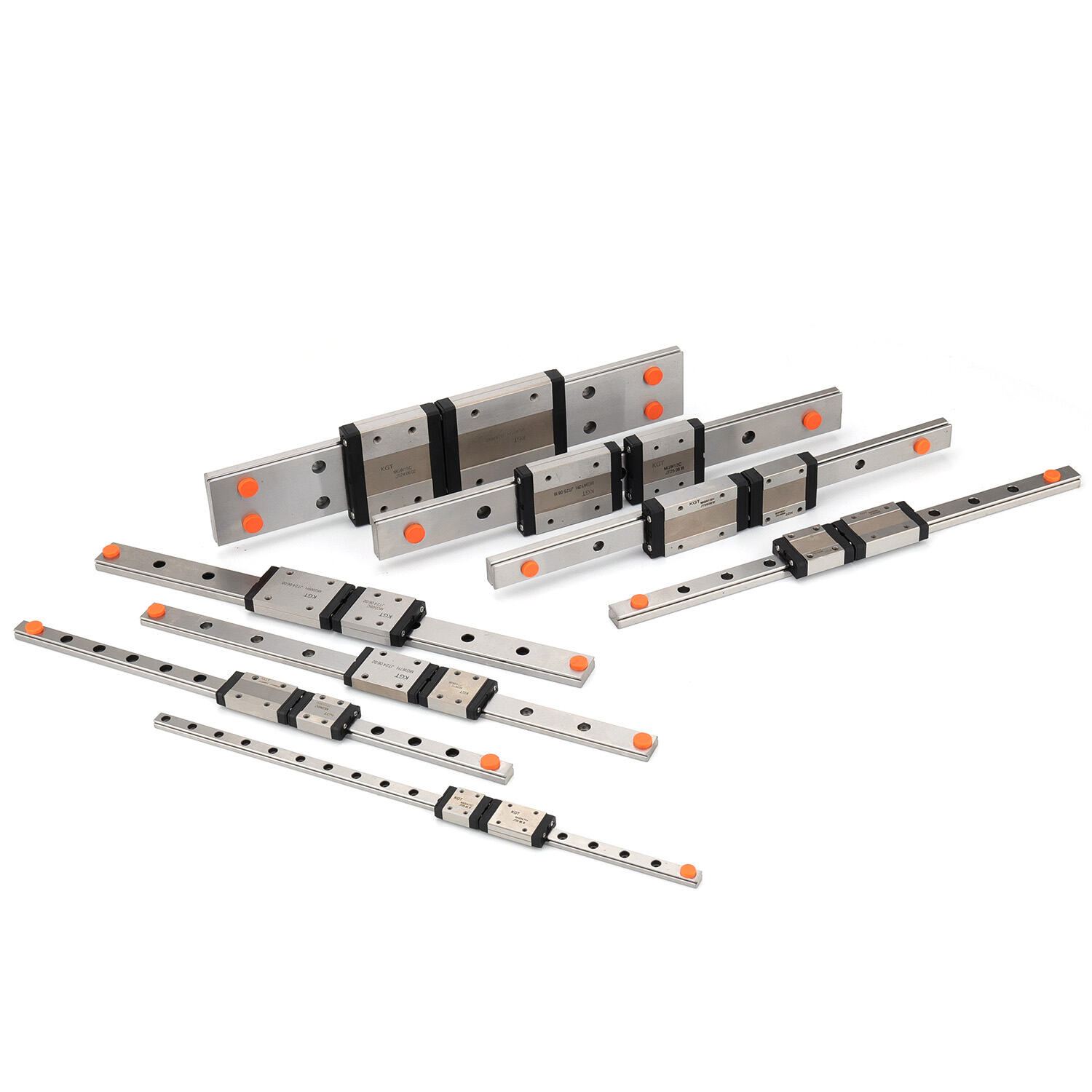
Industrial automation systems operating in humid environments face unique challenges that demand specialized components capable of withstanding moisture, corrosion, and contamination. A linear slide designed for such conditions must incorporate advanced materials and engineering solutions to maintain precision and reliability over extended periods. Stainless steel frames combined with chrome-plated rods represent the gold standard for linear motion applications where environmental resistance is paramount.
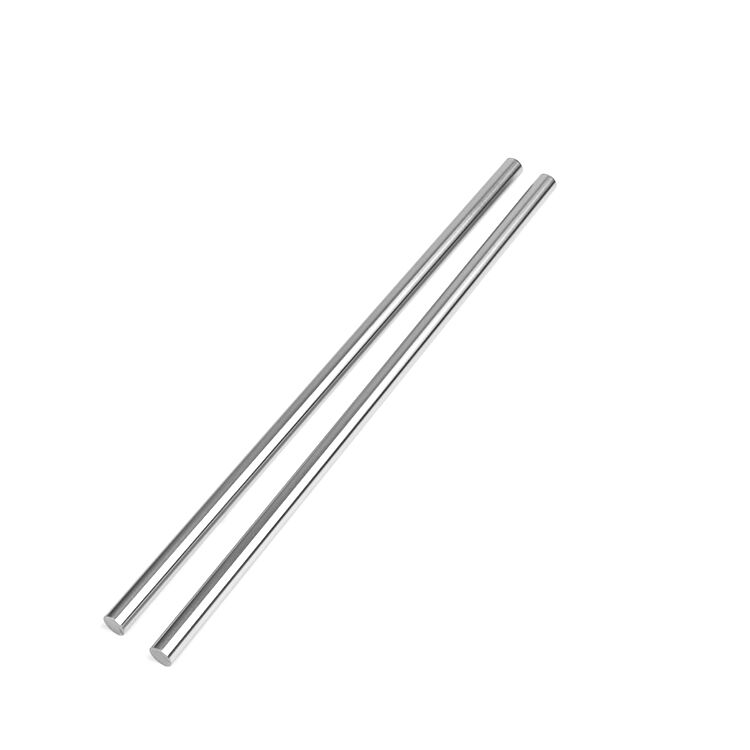
Manufacturing facilities in coastal regions, food processing plants, pharmaceutical production lines, and outdoor automation systems frequently encounter humidity levels that can compromise standard linear motion components. Traditional linear slide assemblies often fail prematurely when exposed to consistent moisture, leading to increased maintenance costs and operational downtime. The integration of corrosion-resistant materials and protective coatings becomes essential for maintaining system performance and extending component lifespan in these demanding applications.
Modern industrial applications require linear slide systems that can operate reliably across diverse environmental conditions while maintaining tight tolerances and smooth motion characteristics. The selection of appropriate materials, surface treatments, and sealing technologies directly impacts the long-term performance and cost-effectiveness of automated systems deployed in challenging environments.
Material Selection for Corrosion Resistance
Stainless Steel Frame Construction
Stainless steel frames provide exceptional corrosion resistance and structural integrity for linear slide applications in humid environments. The chromium content in stainless steel forms a passive oxide layer that naturally protects against moisture infiltration and chemical attack. This inherent protection eliminates the need for additional coatings that may wear or deteriorate over time, ensuring consistent performance throughout the component lifecycle.
Grade 316 stainless steel offers superior corrosion resistance compared to standard 304 grades, particularly in environments containing chlorides or acidic compounds. The molybdenum content in 316 stainless steel enhances its ability to resist pitting and crevice corrosion, making it ideal for marine applications and chemical processing facilities. Linear slide manufacturers often specify 316 stainless steel for critical applications where failure could result in significant safety or economic consequences.
The mechanical properties of stainless steel frames contribute to the overall rigidity and precision of the linear slide assembly. Unlike aluminum or carbon steel alternatives, stainless steel maintains its strength characteristics across temperature variations while providing excellent dimensional stability. This stability ensures that positioning accuracy remains consistent even as environmental conditions fluctuate throughout operational cycles.
Chrome-Plated Rod Technology
Chrome-plated rods represent a critical component in humidity-resistant linear slide design, providing both corrosion protection and superior surface finish quality. The electroplating process deposits a hard, dense chromium layer over the base steel substrate, creating a barrier against moisture penetration while delivering exceptional wear resistance. This combination of properties makes chrome-plated rods ideal for applications requiring precise linear motion in challenging environmental conditions.
The surface hardness achieved through chrome plating typically ranges from 65 to 70 HRC, significantly exceeding the hardness of most bearing materials used in linear slide assemblies. This hardness differential ensures minimal wear on the rod surface while allowing bearing components to conform naturally to any microscopic surface variations. The result is extended component life and maintained positioning accuracy over millions of operational cycles.
Chrome plating also provides excellent chemical resistance to many industrial fluids and cleaning agents commonly encountered in manufacturing environments. The low coefficient of friction between chrome-plated surfaces and polymer bearing materials reduces power consumption and heat generation, contributing to improved energy efficiency in automated systems. These characteristics make chrome-plated rods particularly suitable for applications requiring frequent cleaning or exposure to chemical sanitization processes.
Environmental Protection Systems
Sealing Technologies
Effective sealing systems are essential for protecting internal components of a linear slide from moisture infiltration and contamination. Multiple seal configurations may be employed depending on the specific environmental challenges and performance requirements. Primary seals typically consist of elastomeric materials designed to maintain contact with moving surfaces while accommodating thermal expansion and minor misalignments that occur during operation.
Labyrinth seals provide an additional layer of protection by creating tortuous paths that prevent direct moisture access to critical bearing surfaces. These non-contact sealing systems generate minimal friction while effectively blocking particle ingress and reducing the potential for corrosive contamination. The combination of contact and non-contact sealing technologies creates redundant protection that ensures reliable operation even if individual seal components experience wear or damage.
Advanced sealing materials such as fluorocarbon elastomers offer superior chemical resistance and temperature stability compared to conventional rubber compounds. These materials maintain their sealing effectiveness across wider temperature ranges while resisting degradation from exposure to industrial fluids and cleaning chemicals. The selection of appropriate sealing materials directly impacts maintenance intervals and overall system reliability in humid operating environments.
Drainage and Ventilation Features
Proper drainage design prevents moisture accumulation within the linear slide housing while maintaining protection against external contamination. Strategically positioned drain holes allow condensation to escape without compromising the integrity of internal sealing systems. These drainage features must be carefully engineered to prevent the entry of airborne particles while facilitating moisture removal during temperature cycling conditions.
Breather systems help equalize internal pressure while filtering incoming air to prevent contamination buildup. These systems become particularly important in applications where temperature variations create pressure differentials that could compromise seal effectiveness. Desiccant materials integrated into breather assemblies actively remove moisture from incoming air, further protecting internal components from humidity-related degradation.
The linear slide housing geometry plays a crucial role in moisture management by incorporating features that promote natural drainage and prevent standing water accumulation. Sloped surfaces and rounded corners eliminate potential moisture collection points while maintaining structural integrity and load-bearing capacity. These design elements work in conjunction with sealing and drainage systems to create comprehensive environmental protection.
Performance Characteristics in Humid Conditions
Precision and Accuracy Maintenance
Maintaining positioning accuracy in humid environments requires careful consideration of thermal expansion effects and moisture-induced dimensional changes. Stainless steel frames exhibit predictable thermal expansion characteristics that can be compensated through proper system design and calibration procedures. The coefficient of thermal expansion for stainless steel remains consistent across temperature ranges, allowing for accurate position compensation algorithms in automated control systems.
Chrome-plated rods maintain their dimensional stability even when exposed to temperature and humidity variations that would affect uncoated surfaces. The dense chrome layer resists moisture absorption and provides a stable reference surface for bearing contact. This stability ensures that a linear slide can maintain sub-millimeter positioning accuracy even in environments where humidity levels fluctuate significantly throughout operational cycles.
Bearing materials specifically selected for humid environment applications contribute to overall system precision by maintaining consistent friction characteristics and wear rates. Advanced polymer compounds and specialized lubricants resist moisture absorption while providing smooth motion characteristics. The combination of stable guide surfaces and moisture-resistant bearing materials ensures that positioning repeatability remains within specification limits regardless of environmental conditions.
Load Capacity and Dynamic Performance
The structural properties of stainless steel frames enable linear slide assemblies to maintain full load ratings even in humid operating conditions. Unlike materials that may experience strength reduction due to moisture exposure or corrosion, stainless steel provides consistent mechanical properties throughout the component lifecycle. This reliability allows engineers to specify full design loads without derating factors typically required for components operating in challenging environments.
Dynamic performance characteristics such as acceleration capability and motion smoothness remain stable in humid conditions when proper materials and protective systems are employed. The low friction characteristics of chrome-plated surfaces combined with moisture-resistant lubricants ensure that a linear slide can achieve specified velocities and accelerations without performance degradation. This consistency is particularly important in high-speed packaging applications and precision manufacturing processes where motion profiles must be maintained within tight tolerances.
Vibration resistance and structural damping properties of stainless steel construction contribute to improved dynamic stability in humid environments. The mass and stiffness characteristics of stainless steel frames help minimize resonant frequencies that could affect positioning accuracy during rapid motion sequences. These properties become increasingly important as automation systems operate at higher speeds and require more precise motion control.
Application-Specific Design Considerations
Food and Pharmaceutical Industries
Food processing and pharmaceutical manufacturing environments present unique challenges that require specialized linear slide designs incorporating hygienic construction principles and chemical resistance. Stainless steel frames meeting FDA and 3-A sanitary standards provide the necessary corrosion resistance while enabling thorough cleaning and sanitization procedures. The smooth, crevice-free surfaces achievable with stainless steel construction prevent bacterial accumulation and facilitate compliance with strict hygiene regulations.
Chrome-plated rods in food industry applications must maintain their surface integrity when exposed to aggressive cleaning chemicals and high-temperature sanitization cycles. The dense chrome layer resists chemical attack from chlorine-based sanitizers and acidic cleaning solutions commonly used in food processing facilities. This resistance ensures that the linear slide maintains its precision and cleanliness standards throughout extended operational periods between maintenance intervals.
Specialized sealing systems designed for washdown applications provide additional protection while accommodating the frequent cleaning requirements of food and pharmaceutical environments. These seals must withstand exposure to hot water, steam cleaning, and chemical sanitizers without degrading or compromising their protective function. The selection of appropriate seal materials and designs directly impacts the ability of linear slide systems to maintain regulatory compliance in these critical applications.
Marine and Offshore Applications
Marine environments expose linear slide components to salt spray, high humidity, and temperature variations that can rapidly degrade standard materials and coatings. Stainless steel construction provides inherent resistance to chloride-induced corrosion while maintaining structural integrity under dynamic loading conditions. The passive oxide layer formation characteristic of stainless steel continues to provide protection even if surface scratches or minor damage occur during operation.
Chrome-plated rods specified for marine applications often incorporate additional protective measures such as increased plating thickness and specialized base material selection. The enhanced chrome layer provides extended protection against salt water exposure while maintaining the smooth surface finish required for precise linear motion. Regular maintenance protocols specific to marine environments help ensure that protective systems continue to function effectively throughout the equipment lifecycle.
Electrical isolation considerations become important in marine applications where stray currents from electrical systems can accelerate galvanic corrosion processes. Proper grounding techniques and the use of non-conductive mounting materials help protect the linear slide from electrochemical degradation. These precautions are essential for maintaining long-term reliability in shipboard automation systems and offshore platform applications.
Maintenance and Service Life Optimization
Preventive Maintenance Protocols
Establishing appropriate maintenance intervals for linear slide systems operating in humid environments requires consideration of environmental severity, duty cycle, and performance requirements. Regular inspection schedules should include verification of seal integrity, lubrication condition, and surface wear patterns. Early detection of potential issues allows for corrective action before performance degradation affects production operations or positioning accuracy.
Lubrication maintenance becomes particularly critical in humid environments where moisture contamination can degrade lubricant properties and reduce protection effectiveness. Specialized lubricants formulated for high-humidity applications provide enhanced water resistance while maintaining their lubricating properties over extended periods. The frequency of lubrication renewal may need adjustment based on actual environmental conditions and operational demands.
Surface cleaning procedures for stainless steel and chrome-plated components should utilize appropriate cleaning agents that remove contamination without damaging protective finishes. Mild alkaline cleaners effectively remove organic deposits and salt residues while maintaining the integrity of passive oxide layers. Proper cleaning techniques help ensure that the linear slide continues to provide reliable performance throughout its design life.
Performance Monitoring Systems
Modern linear slide installations often incorporate condition monitoring systems that track performance parameters and environmental conditions in real-time. Temperature and humidity sensors provide data on environmental exposure levels while position feedback systems monitor accuracy and repeatability over time. This monitoring capability enables predictive maintenance strategies that optimize component life while minimizing unexpected downtime.
Vibration analysis and current signature monitoring can detect developing issues in linear slide systems before they result in performance degradation or component failure. Changes in friction characteristics or mechanical clearances often manifest as variations in drive current or vibration signatures. Early detection of these changes allows maintenance teams to schedule interventions during planned downtime rather than responding to emergency failures.
Data logging capabilities integrated with facility management systems provide historical performance records that support optimization of maintenance intervals and operating parameters. Trend analysis of environmental conditions and component performance helps identify patterns that may indicate the need for design modifications or enhanced protective measures. This information becomes valuable for future system designs and component selection decisions.
FAQ
What makes stainless steel frames superior to aluminum for humid environment linear slide applications
Stainless steel frames offer inherent corrosion resistance through the formation of a passive chromium oxide layer that naturally protects against moisture and chemical attack. Unlike aluminum, which relies on anodizing or other surface treatments that can wear over time, stainless steel maintains its protective properties throughout the component lifecycle. The higher strength-to-weight ratio and dimensional stability of stainless steel also contribute to improved precision and load-bearing capacity in demanding applications.
How does chrome plating on rods compare to other surface treatments for humidity resistance
Chrome plating provides superior hardness, wear resistance, and corrosion protection compared to alternatives such as hard anodizing or ceramic coatings. The electroplating process creates a dense, uniform layer that effectively seals the base material from moisture penetration while providing an extremely smooth surface finish. Chrome-plated rods maintain their protective properties even under high contact stresses and frequent motion cycles, making them ideal for precision linear slide applications in humid environments.
What maintenance intervals are recommended for linear slides in high-humidity environments
Maintenance intervals for humid environment linear slide applications typically range from 3 to 6 months depending on environmental severity and duty cycle. Critical inspection points include seal condition, lubrication status, and surface wear patterns on both guide rods and bearing surfaces. Facilities with aggressive cleaning procedures or extreme humidity levels may require more frequent inspection schedules, while controlled indoor environments with moderate humidity may extend intervals to 6-12 months based on performance monitoring data.
Can these linear slides operate reliably in outdoor applications exposed to weather
Linear slides with stainless steel frames and chrome-plated rods can operate reliably in outdoor applications when properly designed with appropriate sealing systems and drainage features. Additional considerations for outdoor installations include protection from direct weather exposure, proper mounting orientation to facilitate drainage, and selection of sealing materials rated for temperature extremes and UV exposure. Regular maintenance becomes more critical in outdoor applications to ensure that protective systems continue to function effectively against environmental challenges.
Table of Contents
- Material Selection for Corrosion Resistance
- Environmental Protection Systems
- Performance Characteristics in Humid Conditions
- Application-Specific Design Considerations
- Maintenance and Service Life Optimization
-
FAQ
- What makes stainless steel frames superior to aluminum for humid environment linear slide applications
- How does chrome plating on rods compare to other surface treatments for humidity resistance
- What maintenance intervals are recommended for linear slides in high-humidity environments
- Can these linear slides operate reliably in outdoor applications exposed to weather