
 EN
EN
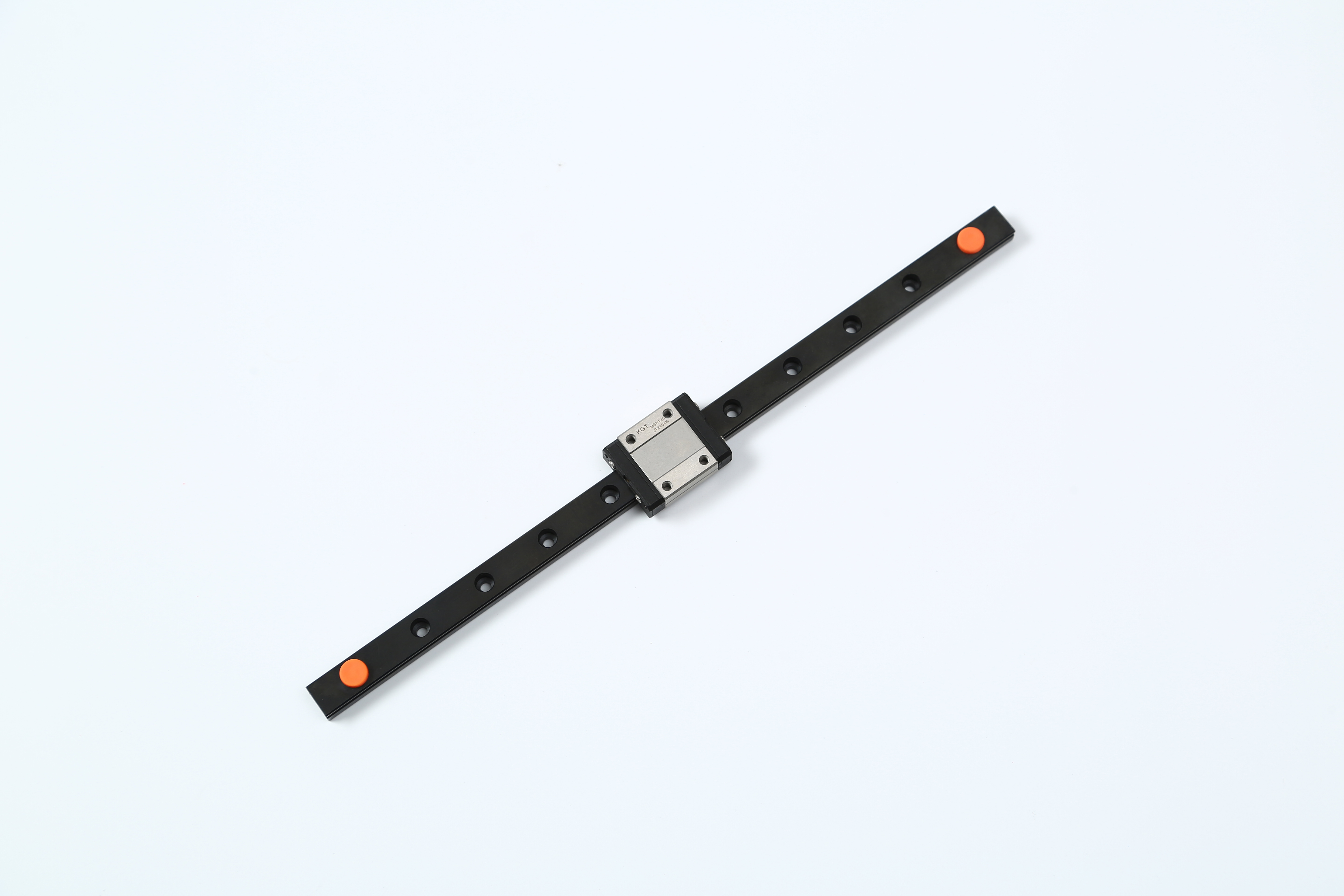
Selecting the right linear rail for your industrial application requires understanding which specifications truly drive performance and longevity. Engineers and procurement professionals often face overwhelming technical datasheets filled with parameters that may seem equally important. However, not all linear rail specifications carry equal weight when it comes to real-world application success. The most critical linear rail specifications determine load capacity, precision accuracy, speed capability, and environmental durability. Understanding which factors matter most empowers you to make informed decisions that align with your specific motion control requirements and budget constraints.
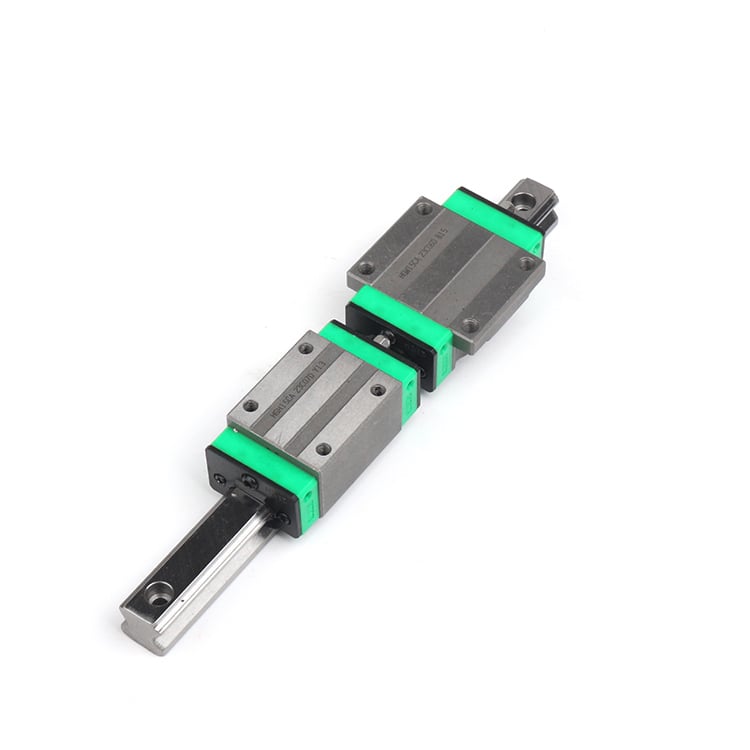
A linear rail system serves as the foundation for precise, repeatable motion in applications ranging from CNC machining to semiconductor assembly. The specifications you prioritize should reflect your application's demands for speed, accuracy, payload capacity, and environmental exposure. This guide breaks down the most consequential linear rail specifications, explains why each matters, and shows how to evaluate them systematically for your own motion control projects.
Load Capacity and Dynamic Performance
Dynamic Load Rating in Linear Rail Selection
The dynamic load rating represents the maximum load a linear rail can sustain during continuous motion while maintaining acceptable wear rates. This specification directly influences how long your linear rail will operate reliably before requiring maintenance or replacement. When selecting a linear rail, understanding dynamic load rating ensures your system won't prematurely fail under operational stress. Most industrial linear rail manufacturers publish dynamic load ratings in kilonewtons or pounds, and this value typically assumes standard operating conditions with proper lubrication. Exceeding the dynamic load rating of your linear rail leads to accelerated bearing wear, increased friction, and potential system failure.
Static Load Capacity and Safety Margins
Static load capacity differs from dynamic load rating and represents the maximum stationary load your linear rail can support without permanent deformation. A robust linear rail design includes safety margins that prevent plastic deformation of rolling elements even under peak static loads. Industrial standards require that your linear rail static capacity exceeds the heaviest anticipated payload by a significant safety factor, typically 1.3 to 1.5 times. Selecting a linear rail with adequate static capacity protects against catastrophic failure during power loss, emergency stops, or peak transient loads. This specification becomes especially critical when your linear rail system must support hanging loads or absorb shock impacts.
Precision and Accuracy Characteristics
Positional Accuracy and Repeatability Standards
Positional accuracy defines how closely a linear rail carriage returns to a specific location across repeated cycles, and this specification fundamentally determines your application's precision ceiling. High-precision applications like medical device manufacturing or optical alignment demand linear rail systems with positional repeatability better than 0.05 millimeters. Standard industrial linear rail options typically offer repeatability between 0.1 and 0.3 millimeters, which suits most automation tasks adequately. Premium linear rail configurations achieve sub-micron repeatability through tighter manufacturing tolerances and superior preload management. When evaluating linear rail accuracy specifications, request independent test data rather than relying solely on manufacturer claims, since real-world performance depends on installation quality and system integration.
Preload and Friction Control in Linear Rail Design
Preload management represents a hidden but critical specification affecting how smoothly your linear rail performs and how much backlash it exhibits. A properly preloaded linear rail eliminates internal gaps while remaining loose enough to minimize friction and heat generation. Different linear rail preload levels suit different applications: light preload for maximum speed, medium preload for balanced performance, and heavy preload for maximum rigidity. The preload specification you choose for your linear rail directly affects carriage smoothness, guideway life, and power consumption. Incorrect preload in your linear rail system causes vibration, reduces accuracy, accelerates wear, and wastes motor energy unnecessarily.
Environmental Resilience and Operating Conditions
Lubrication Requirements and Sealing Effectiveness
The lubrication specification for your linear rail determines maintenance intervals and operational reliability in contaminated environments. High-quality linear rail systems incorporate advanced sealing designs that prevent dust, coolant, and moisture infiltration while retaining internal lubrication. Standard linear rail designs require regular relubrication every few weeks in typical industrial settings, while sealed linear rail options extend maintenance cycles to several months. When selecting a linear rail for wet or dirty environments like food processing or metalworking shops, sealed linear rail configurations substantially reduce downtime and failure risk. The sealing specification of your linear rail directly impacts total cost of ownership through reduced maintenance labor and extended component life.
Speed Capability and Temperature Stability
Maximum speed capability represents the fastest velocity a linear rail carriage can travel safely without heat generation, friction spikes, or premature wear. Most industrial linear rail systems operate reliably at speeds between 1 and 3 meters per second, though specialized linear rail designs achieve higher velocities for rapid assembly or transfer applications. Temperature stability in your linear rail becomes critical when operating in extreme environments or at sustained high speeds. Precision-grade linear rail specifications usually include maximum operating temperature ratings that ensure dimensional stability and bearing material integrity. When your linear rail system operates near temperature limits, thermal expansion affects precision and can degrade seals, making this specification essential for harsh-environment applications.
Dimensional and Interface Specifications
Rail Profile and Carriage Compatibility
The profile specification of your linear rail determines mounting interface compatibility and governs which carriages and accessories fit your system. Standard linear rail profiles like MGN, HGH, and other international designations provide interchangeability across some manufacturers but not all. When specifying a linear rail profile, verify that available carriages, preload options, and length variations match your mechanical design requirements. Incompatible linear rail profile selections force expensive redesign work or require custom manufacturing, so profile standardization within your facility streamlines procurement and reduces spare parts inventory. The profile specification also affects load ratings and precision capabilities available for your particular linear rail application.
Length, Arrangement, and Stiffness Considerations
The overall length and mounting arrangement of your linear rail significantly influence system stiffness and vibration behavior. Longer linear rail spans require thicker profiles or dual-rail configurations to prevent deflection and resonance issues. Double-carriage arrangements on a single linear rail or dual-rail setups distribute loads and substantially increase system stiffness compared to single-rail designs. When your linear rail spans exceed 500 millimeters under significant loading, stiffness becomes a primary specification that affects both accuracy and noise levels. The rail length and carriage spacing specifications determine whether your linear rail system exhibits acceptable deflection for your precision requirements.
FAQ
What makes one linear rail specification more important than another?
The relative importance of each linear rail specification depends entirely on your application's dominant requirement. If you prioritize speed, then maximum velocity and thermal stability become primary specifications for your linear rail selection. For precision positioning tasks, accuracy, repeatability, and preload management rank as the most critical linear rail specifications. In harsh industrial environments, sealing effectiveness and sealed linear rail options take precedence over precision grades. Start by identifying whether your linear rail application demands speed, precision, load capacity, or environmental resilience, then evaluate specifications accordingly.
How do I calculate whether a linear rail meets my load requirements?
Begin by totaling all forces acting on your linear rail carriage, including payload weight, acceleration forces, and any side loads from misalignment. Multiply this total by your desired safety factor, typically 1.3 to 1.5 for static loads and 1.5 to 2.0 for dynamic continuous motion. Compare this required load capacity against the manufacturer's dynamic load rating for your selected linear rail model. If your calculated requirement exceeds available linear rail capacities, consider upgrading to a larger profile or adding a second linear rail in parallel. Always request independent validation of linear rail load ratings rather than relying exclusively on catalog specifications, especially for critical applications.
Can I upgrade linear rail specifications after installation, or must I choose correctly from the start?
Most linear rail upgrades require complete system redesign and mechanical replacement, making correct initial specification essential for cost-effectiveness. Some linear rail profiles offer backward compatibility within a family, allowing carriage upgrades without replacing the rail itself. However, changing linear rail length, profile, or load configuration typically demands new rails, new mounting structures, and system re-validation. Investing time in thorough upfront analysis of your linear rail requirements prevents costly retrofits later. If your application requirements may evolve, specify a linear rail system with some capacity margin rather than operating at the performance ceiling.