
 EN
EN
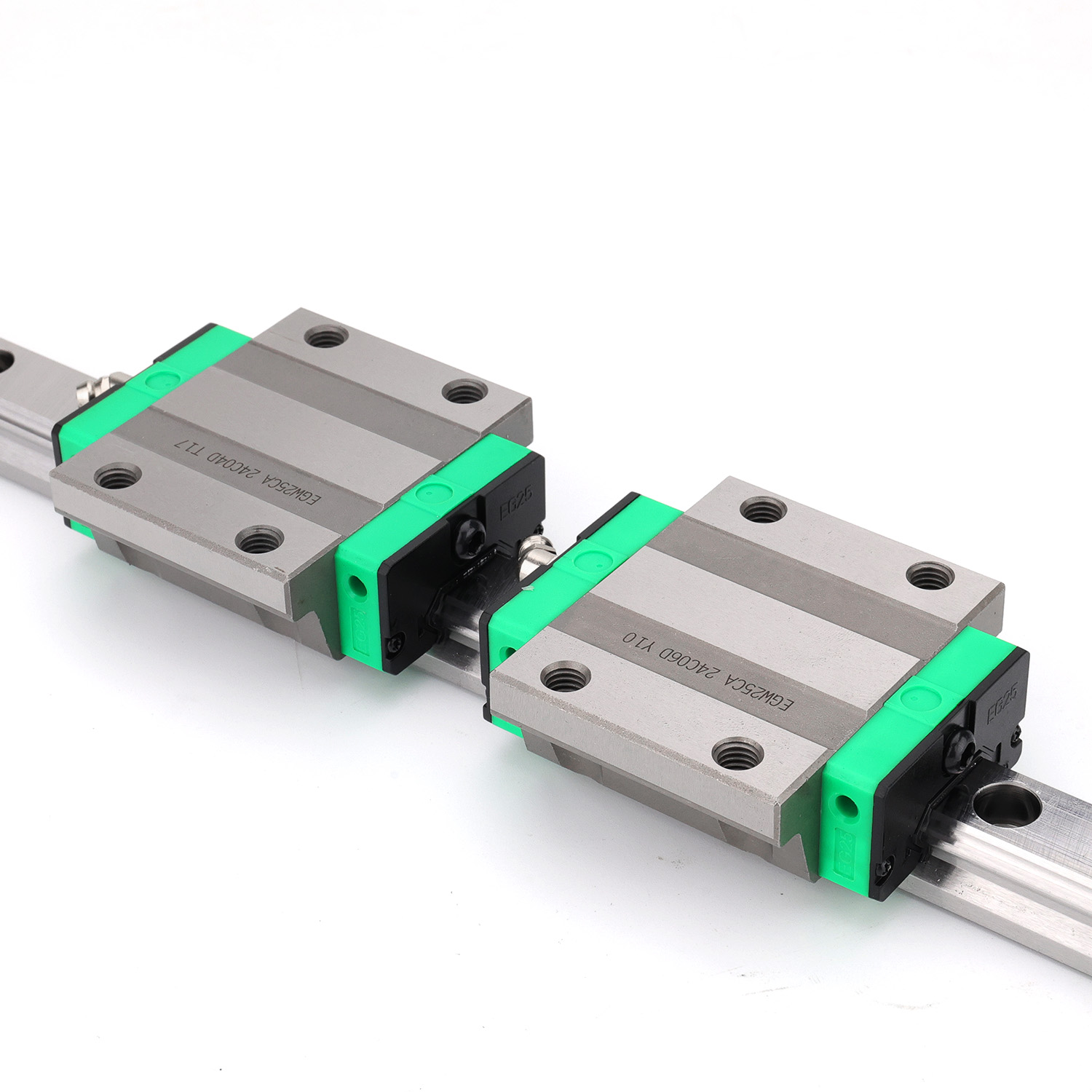
Rail linear technology represents one of the most fundamental yet sophisticated components in modern industrial automation systems. Understanding how rail linear mechanisms operate is essential for engineers, procurement managers, and automation specialists who design and implement precision motion control systems. Rail linear technology enables smooth, accurate, and repeatable movement across countless industrial applications, from manufacturing equipment to medical devices and beyond.
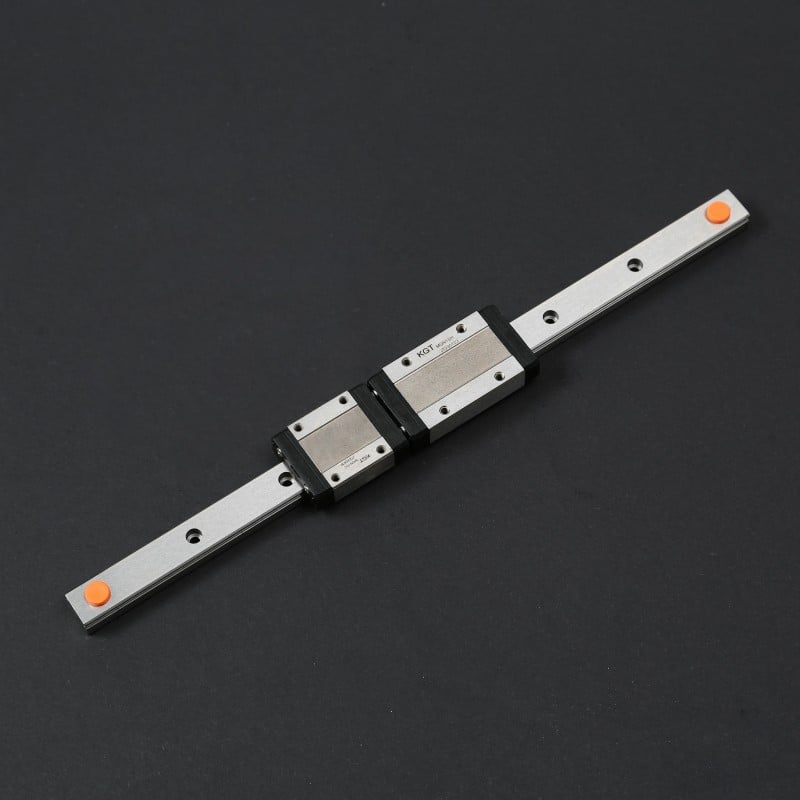
The core principle of rail linear motion involves a carriage or slider that travels along a precisely engineered rail or track, guided by rolling elements such as ball bearings or needle rollers. This rail linear configuration provides the mechanical foundation for controlled, predictable movement in industrial machinery. By examining the mechanics, components, and operational principles of rail linear systems, you can better appreciate why these technologies have become indispensable across automation environments worldwide.
The Core Mechanics of Rail Linear Technology
Understanding the Rail Linear Structure
A rail linear system consists of several key components working in harmony to deliver smooth motion. The primary rail serves as the guideway, typically manufactured from hardened steel or stainless steel to withstand repeated loading and environmental stress. The carriage or block slides along this rail, supported by precision-engineered rolling elements that minimize friction and wear. This rail linear arrangement creates a bearing surface that supports both radial and axial loads while maintaining high accuracy and repeatability. The preload mechanism within rail linear assemblies ensures consistent contact between rolling elements and the rail surfaces, eliminating play and backlash that could compromise motion precision.
How Rolling Elements Enable Smooth Motion
Rolling elements such as ball bearings or cylindrical rollers form the mechanical bridge between the carriage and rail linear track. These components roll along precision-ground raceways on both the rail and the carriage block, distributing loads evenly and reducing friction compared to sliding friction alternatives. The rail linear design uses multiple rows of rolling elements to provide support in multiple directions, ensuring the carriage remains centered and stable throughout its travel length. This multi-directional support capability makes rail linear technology suitable for applications requiring vertical, horizontal, or angled motion with consistent load capacity and positional accuracy.
Precision, Load Capacity, and Performance Characteristics
Achieving High Positional Accuracy
Precision is a defining characteristic of rail linear systems, achieved through tight manufacturing tolerances and advanced assembly processes. The rail linear tracks are ground to extremely close dimensional specifications, often within micrometers, ensuring that carriages maintain accurate positioning throughout their operational life. This precision capability means that machines equipped with rail linear guidance can produce consistent, high-quality outputs without the drift or deviation common to less sophisticated motion systems. Industrial automation applications that demand tolerances measured in fractions of a millimeter depend directly on the accuracy inherent in quality rail linear technology. The repeatability offered by rail linear systems makes them ideal for robotic arms, precision drilling equipment, and semiconductor manufacturing tools.
Load-Carrying Capability and Durability
Rail linear systems are engineered to handle substantial loads while maintaining smooth operation over extended service intervals. The contact between rolling elements and the rail linear raceways distributes forces across multiple points, preventing localized stress concentrations that could cause premature failure. The preload applied during assembly of rail linear carriages ensures constant contact and load distribution, extending the operational lifespan significantly. Manufacturers rate rail linear systems with both static load capacity—maximum instantaneous load—and dynamic load capacity, which reflects the carriage's ability to withstand repeated motion cycles under load. This dual rating system allows engineers to select appropriate rail linear solutions for their specific application demands, whether the requirement is carrying heavy payloads at moderate speeds or executing rapid, light-load movements.
Applications and Integration in Industrial Automation
Versatility Across Industries and Equipment Types
Rail linear technology appears in virtually every industrial automation context where controlled motion is required. Manufacturing equipment uses rail linear guidance systems for tool positioning, workpiece transport, and assembly operations. Pharmaceutical and packaging machinery employ rail linear mechanics to ensure precise, hygienic movement during production. Medical device manufacturers integrate rail linear systems into diagnostic and surgical equipment where positional accuracy directly impacts patient safety and treatment efficacy. The rail linear technology adapts to diverse environments, from food processing facilities requiring washdown resistance to cleanroom manufacturing demanding minimal particle generation. This adaptability explains why rail linear solutions have become the preferred standard across multiple industrial sectors.
Integration with Motion Control Systems
Modern automation systems integrate rail linear guidance with stepper motors, servo motors, or other actuators to create coordinated motion sequences. The accuracy and repeatability of rail linear components make them ideal partners for closed-loop control systems that demand precise feedback and adjustment. The smooth, friction-controlled movement enabled by rail linear technology allows faster acceleration and deceleration profiles, improving overall equipment throughput. As automation systems grow increasingly sophisticated, with multiple axis movements and synchronized operations, the reliability and performance characteristics of rail linear systems become more critical to overall machinery function. Integration of rail linear components with programmable logic controllers and motion controllers transforms basic linear movement into complex, coordinated automated processes.
FAQ
What factors affect the lifespan of rail linear systems?
Rail linear system lifespan depends on load magnitude, motion speed, environmental contamination levels, lubrication quality, and maintenance practices. Proper lubrication is essential because it reduces friction between rolling elements and the rail linear raceways, preventing premature wear. Contamination from dust, metal particles, or corrosive substances significantly shortens rail linear component life. Operating within manufacturer-specified load and speed parameters ensures the rolling elements don't experience stress beyond their design envelope. Regular inspection and maintenance of rail linear systems, including cleaning and relubrication, can extend service life well beyond baseline manufacturer estimates.
How does rail linear technology compare to alternative linear motion solutions?
Rail linear systems offer superior accuracy, load capacity, and repeatability compared to simple sliding friction guides or pneumatic cylinders. While air cylinders provide simple, economical motion for basic applications, rail linear guidance enables precise positioning that pneumatic solutions cannot match. Compared to lead screws or ball screws for linear motion, rail linear systems provide better perpendicular load handling and faster response times. The choice between rail linear and alternative technologies depends on accuracy requirements, load demands, speed considerations, and cost constraints specific to each application. For automation requiring high precision and durability, rail linear technology generally delivers superior value despite higher initial investment.
Can rail linear systems operate in challenging environmental conditions?
Yes, rail linear technology can be adapted for challenging environments through material selection and protective design measures. Stainless steel versions of rail linear components resist corrosion in humid, coastal, or chemical-exposure environments. Sealed or covered rail linear systems minimize dust and contaminant ingress in manufacturing facilities. Temperature-resistant lubricants allow rail linear systems to operate in high-temperature environments without performance degradation. However, operating rail linear systems in extreme conditions requires careful specification and may necessitate more frequent maintenance intervals to ensure continued performance and longevity.