
 EN
EN
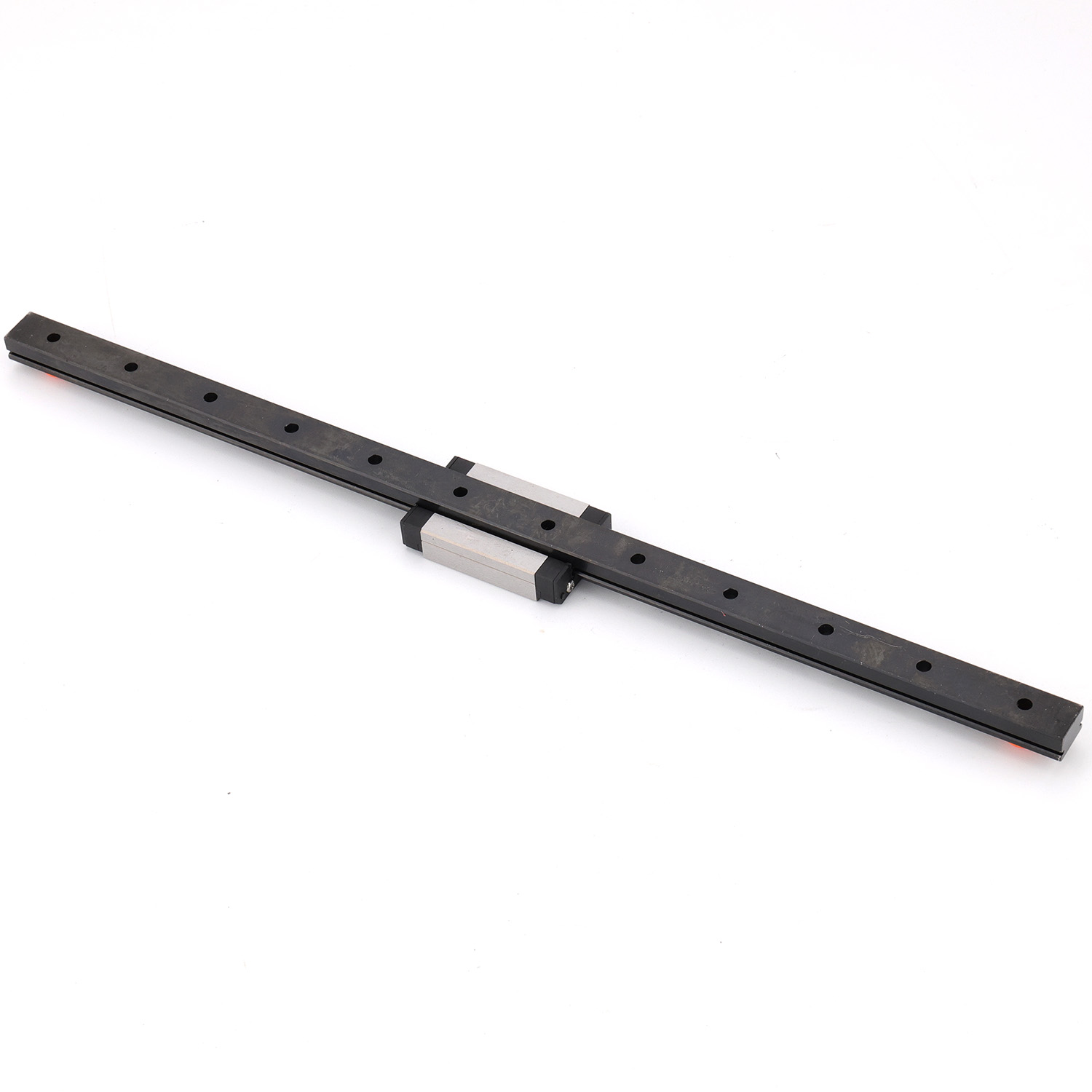
In today's competitive manufacturing landscape, precision and efficiency are no longer optional—they are essential requirements for success. A rail linear system forms the backbone of modern production equipment, enabling smooth, accurate motion that directly impacts output quality and operational costs. Understanding why rail linear technology matters is crucial for manufacturers seeking to optimize their operations and maintain competitive advantage in an increasingly automated world.
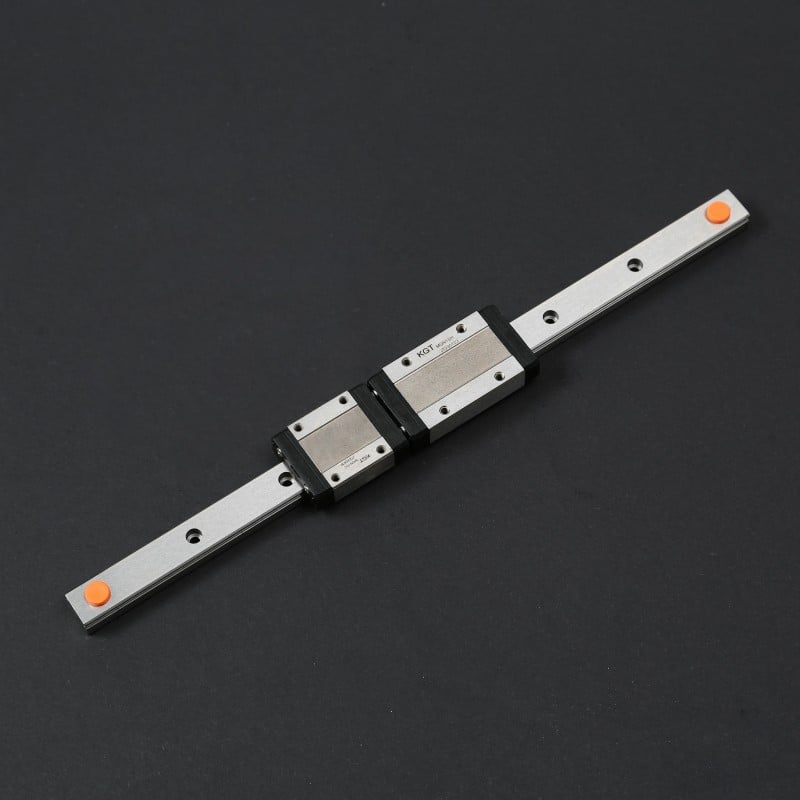
Rail linear components are fundamental to machinery ranging from CNC machines and automated assembly lines to semiconductor fabrication equipment and pharmaceutical production systems. The adoption of rail linear technology has transformed how manufacturers approach precision engineering, enabling tighter tolerances, faster cycle times, and reduced maintenance requirements. This article explores the critical reasons why rail linear systems have become indispensable in modern manufacturing operations.
Precision and Accuracy in Rail Linear Motion Control
Achieving Tight Tolerances with Rail Linear Technology
Precision is the cornerstone of modern manufacturing, and a rail linear system delivers the accuracy required for complex production processes. The rail linear design minimizes lateral play and runout, ensuring that moving components follow exact paths with minimal deviation. This precision enables manufacturers to produce parts that meet strict dimensional specifications, reducing scrap rates and rework costs. Whether in automotive machining, aerospace component fabrication, or electronics assembly, rail linear systems consistently achieve the micro-level tolerances demanded by today's industries.
The geometric consistency of rail linear guides ensures that accuracy is maintained over extended operational periods. Unlike sliding bearings or less sophisticated rail linear alternatives, modern rail linear systems use recirculating ball bearing elements that provide superior geometric stability. This repeatability means that rail linear motion can be relied upon for batch after batch of production without performance degradation, making rail linear solutions ideal for high-volume manufacturing environments where consistency is measured in micrometers.
How Rail Linear Systems Reduce Positional Errors
Positional errors accumulate in machinery that relies on inferior motion control systems, leading to dimensional drift and quality degradation over time. A rail linear system prevents this drift by providing rigid support across the full length of travel. The rail linear structure distributes loads evenly, preventing deflection and ensuring that each cycle produces identical results. This is particularly critical in precision machining, where even minor positional variations can render parts unusable.
Manufacturing facilities that implement rail linear systems often report significant improvements in first-pass yield rates. The rail linear technology's ability to maintain positional accuracy means fewer rejected parts, lower material waste, and improved overall equipment effectiveness. For manufacturers operating on thin margins, the elimination of positional errors through rail linear motion systems directly impacts profitability and competitiveness.
Efficiency and Productivity Gains from Rail Linear Systems
Accelerating Production Cycles with Rail Linear Motion
Speed and efficiency are critical competitive factors in manufacturing, and rail linear systems enable faster machine cycles without sacrificing quality. The smooth, low-friction rail linear design allows for higher acceleration rates and faster cutting speeds, reducing the time required to complete each production cycle. A rail linear system's efficiency means that manufacturers can increase throughput without adding additional equipment or labor, directly improving return on investment.
The rail linear technology's ability to support rapid acceleration is particularly valuable in automated assembly and handling applications. Robotic arms and automated transfer systems equipped with rail linear actuators can move components faster and more reliably than older linear motion technologies. This speed advantage, enabled by rail linear systems, translates into measurable productivity improvements and reduced production lead times, giving manufacturers a competitive edge in fast-moving market segments.
Energy Efficiency and Operating Cost Reduction
Operating costs in manufacturing extend far beyond raw material expenses, and energy consumption represents a significant portion of total production costs. A rail linear system's low-friction design requires less motor power to achieve the same motion compared to less efficient alternatives. The rail linear architecture minimizes drag and resistance, allowing servo motors and actuators to operate more efficiently and consume less electrical energy throughout production cycles.
Manufacturers upgrading to rail linear systems often achieve energy savings of 15 to 30 percent on motion-related power consumption. When multiplied across thousands of production cycles and numerous machines in a facility, the rail linear efficiency advantage accumulates into substantial cost reductions. Additionally, the rail linear system's durability means fewer replacement cycles and lower maintenance energy demands, further contributing to overall operational economy.
Durability and Maintenance Advantages of Rail Linear Components
Extended Service Life and Reliability
Manufacturing equipment must operate reliably over extended periods to justify capital investment and maintain consistent production schedules. A rail linear system is engineered for durability, with sealed ball bearing tracks that resist contamination and maintain performance over millions of cycles. The rail linear design's resistance to wear ensures that machines remain productive with minimal downtime, reducing the frequency of expensive repairs and replacements.
The rail linear technology's sealed construction protects internal bearing elements from dust, coolant, and debris that would otherwise degrade motion performance. This protection means that rail linear systems continue operating within specification even in challenging manufacturing environments with contamination exposure. For food processing, automotive, and heavy industrial applications where environmental conditions are harsh, the rail linear advantage in durability translates directly into uninterrupted production and reduced operational disruption.
Predictable Maintenance Schedules with Rail Linear Systems
Unexpected equipment failures disrupt production schedules, damage customer relationships, and increase overall manufacturing costs beyond simple repair expenses. Rail linear systems enable manufacturers to implement predictable maintenance schedules because the rail linear technology degrades in a predictable, gradual manner rather than failing suddenly. This predictability allows facilities to schedule rail linear maintenance during planned downtime, avoiding urgent repairs that cascade into supply chain problems.
Lubrication requirements for rail linear systems are well-established and straightforward, making maintenance planning efficient and cost-effective. Unlike older linear motion technologies that require complex, unpredictable maintenance routines, a rail linear system's straightforward care protocols mean less specialized skill is required and maintenance costs remain controlled. The rail linear approach to durability transforms maintenance from a reactive cost center into a manageable, predictable business function that enhances overall facility reliability.
FAQ
Why should manufacturers prioritize upgrading to rail linear systems?
Manufacturers should prioritize upgrading to rail linear systems because they deliver measurable improvements in precision, productivity, and cost reduction. A rail linear system enables tighter tolerances, faster production cycles, reduced energy consumption, and extended equipment life. These advantages combine to improve product quality, increase throughput, and lower total cost of ownership, providing strong financial justification for the upgrade investment.
How does a rail linear system perform in contaminated manufacturing environments?
A rail linear system includes sealed bearing tracks and protective covers that shield internal components from dust, coolant, and debris found in typical manufacturing facilities. The rail linear design's sealed construction maintains performance even in harsh operational conditions, ensuring reliability without requiring frequent replacement or special protective measures. This sealed rail linear architecture makes these systems suitable for food processing, automotive machining, and heavy industrial applications.
What industries benefit most from implementing rail linear technology?
Industries that require high precision, fast cycle times, and reliable operation benefit significantly from rail linear systems. These include automotive manufacturing, semiconductor fabrication, aerospace component production, pharmaceutical manufacturing, electronics assembly, and general precision machining. Any industry where motion accuracy directly affects product quality or where production volume justifies equipment investment sees substantial returns from implementing rail linear technology.