
 EN
EN
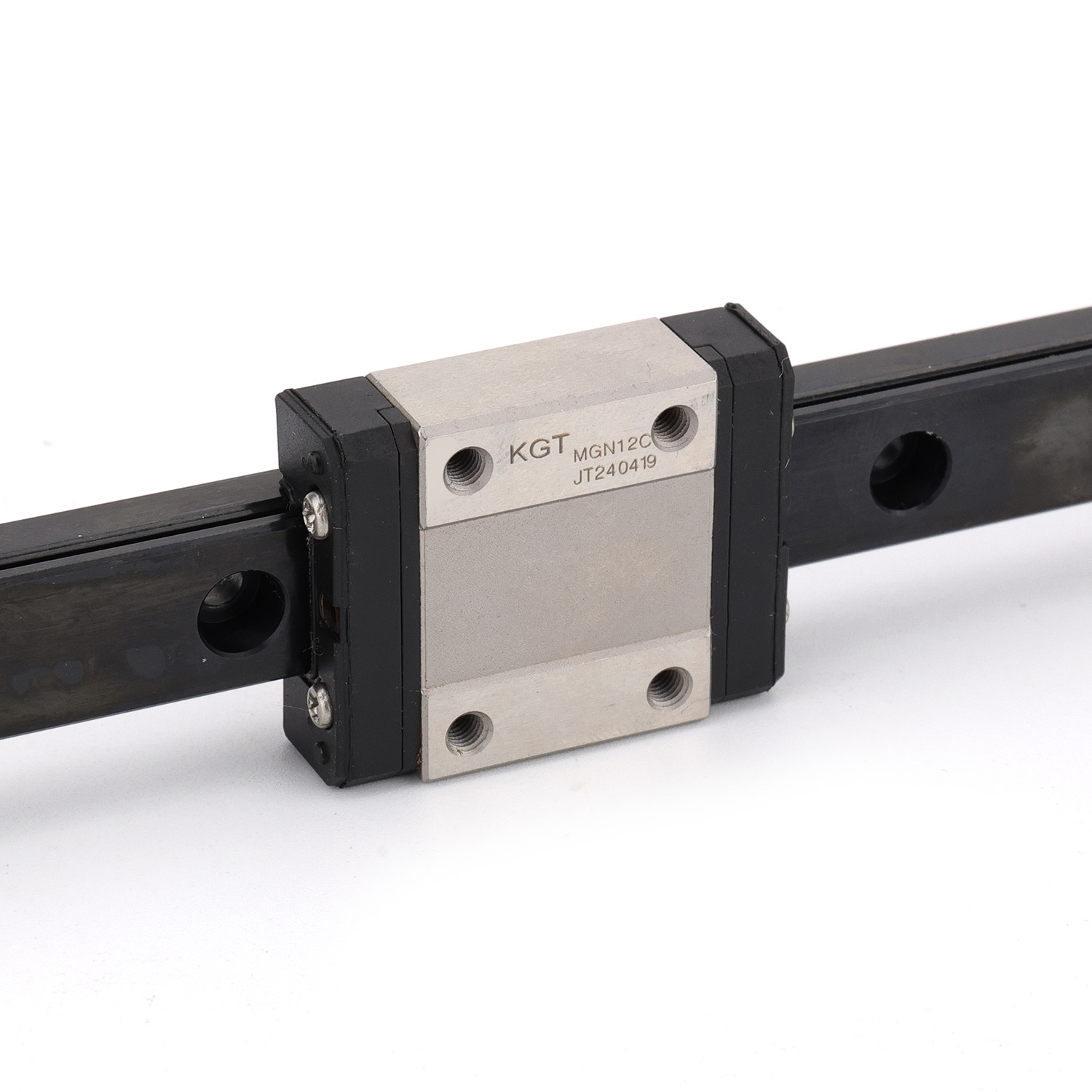
Selecting the right rail linear solution for robotics applications requires understanding how precision motion components directly impact system accuracy, speed, and reliability. Robotics engineers and automation specialists face critical decisions when choosing rail linear systems that must withstand demanding operational conditions while maintaining nanometer-level precision. The performance of your rail linear selection ultimately determines whether your robotic system achieves competitive throughput, product quality, and operational efficiency in manufacturing, assembly, and precision handling environments.
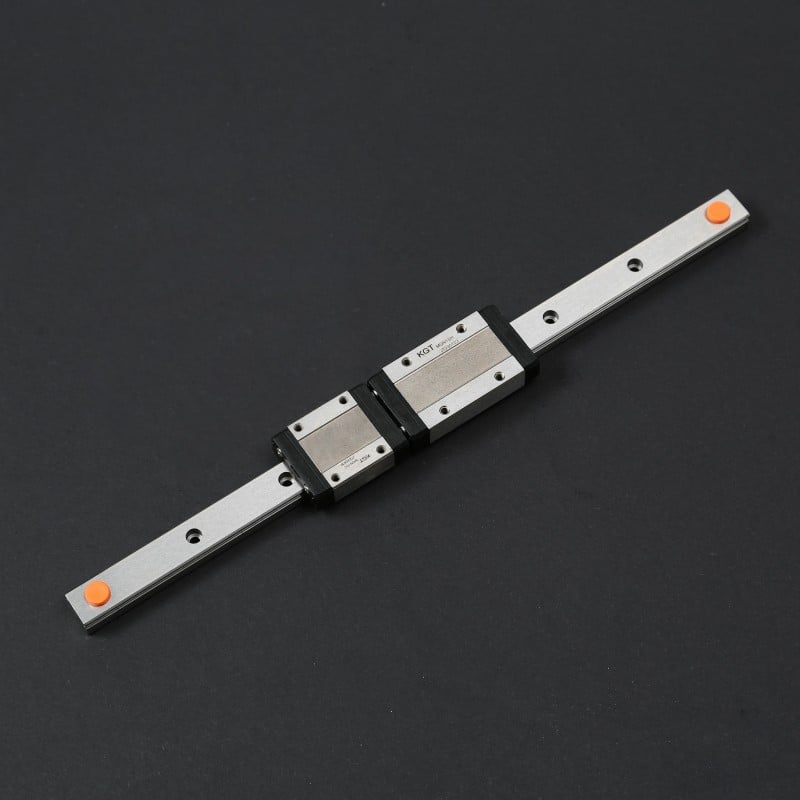
High-performance robotics demands rail linear components that combine rigidity, smooth motion, minimal deflection, and extended service life under continuous operation. Whether your application involves collaborative robot arms, gantry systems, automated pick-and-place units, or precision machining centers, the rail linear infrastructure forms the foundation of repeatable accuracy. Understanding the critical performance attributes of rail linear technology ensures your robotics platform delivers consistent results across thousands or millions of operational cycles.
Critical Performance Factors in Rail Linear Selection
Load Capacity and Rigidity Requirements
The rail linear load capacity directly correlates with the structural rigidity your robotic system requires for dynamic motion control. When a rail linear system carries payloads during acceleration, deceleration, and rapid directional changes, inadequate load capacity creates deflection and vibration that degrades positional accuracy. Premium rail linear designs incorporate optimized carriage geometries and bearing arrangements that distribute loads across multiple rolling elements, enabling higher rigidity without excessive weight. For robotics applications involving heavy payloads or high-speed movements, specifying rail linear components with rated load capacities 1.5 to 2 times your peak operational load ensures structural stability and sustained precision throughout the robot's lifecycle.
Precision Grade and Repeatability Standards
Robotics automation systems require rail linear components manufactured to exacting precision tolerances that maintain consistent carriage positioning across extended service intervals. The rail linear precision grade determines achievable positional repeatability, which directly impacts assembly quality, product consistency, and end-user satisfaction. Industrial-grade rail linear systems typically achieve positional repeatability within 0.05 to 0.1 millimeters, while precision-class rail linear designs deliver repeatability within 0.02 millimeters or better. Selecting appropriate rail linear precision grades prevents cumulative geometric errors that would otherwise compound across linked motion axes in multi-axis robotic systems.
Operational Performance Characteristics
Smooth Motion and Low Friction
Superior rail linear performance in robotics applications depends on maintaining exceptionally low friction coefficients throughout the carriage travel range. When rail linear systems incorporate advanced roller bearing designs with optimized cage materials and lubricant formulations, the resulting smooth motion reduces servo motor energy requirements and enables faster acceleration profiles. Low-friction rail linear components also minimize jerky movements and vibration that would otherwise interfere with vision-guided alignment, delicate component placement, or sensitive measurement operations. The best rail linear solutions implement sealed bearing cartridges that retain lubricant while excluding contamination, preserving friction characteristics and motion smoothness across extended operational periods in industrial environments.
Speed Capability and Acceleration Performance
High-throughput robotics applications demand rail linear systems capable of supporting rapid carriage velocities and aggressive acceleration rates without compromising bearing life or positional accuracy. Premium rail linear designs accommodate operating speeds exceeding 5 meters per second while maintaining smooth, vibration-free motion characteristics. The rail linear carriage mass, bearing preload, and lubrication effectiveness collectively determine maximum achievable acceleration without inducing skidding or excessive wear. Modern manufacturing environments require rail linear components that sustain continuous high-speed operation for extended production runs, making thermal stability and heat dissipation critical performance factors in demanding robotics scenarios.
Durability and Long-Term Reliability
Wear Resistance and Service Life Expectations
Robotics systems operating in continuous production environments require rail linear components engineered for extended service intervals and minimal maintenance requirements. Superior rail linear designs incorporate hardened steel races and precision-ground rolling elements that resist surface spalling and progressive wear mechanisms. The rail linear bearing preload adjustment directly influences service life, as properly balanced preload reduces radial play while avoiding excessive friction that accelerates bearing degradation. Industrial-grade rail linear systems typically deliver service lives ranging from 10,000 to 50,000 operating hours depending on load profiles, speed parameters, and environmental conditions, with premium rail linear solutions extending reliability beyond these benchmarks.
Environmental Protection and Sealing Systems
Rail linear system performance in manufacturing environments deteriorates rapidly when contaminants, moisture, or temperature extremes infiltrate bearing cavities and degraded lubricants. Best-performing rail linear components feature integrated sealing systems utilizing elastomer wipers, labyrinth designs, and sealed cartridge configurations that maintain lubricant integrity under harsh industrial conditions. Some advanced rail linear designs incorporate stainless steel or coated race materials that resist corrosion in chemical-intensive processes, food production facilities, or outdoor robotics applications. Selecting rail linear systems with robust environmental protection extends service intervals, reduces unexpected downtime, and sustains the precision performance advantages that differentiate high-performance robotics platforms from standard automation equipment.
Application-Specific Performance Optimization
Multi-Axis Coordination and System Integration
Complex robotics platforms coordinating multiple rail linear axes simultaneously require components engineered for seamless integration with motion control electronics and mechanical subsystems. When rail linear carriages from different axes exhibit inconsistent friction or varying precision characteristics, the resulting geometric deviations propagate through coordinated motion sequences, degrading overall system accuracy. Premium rail linear solutions offer comprehensive product families with standardized interfaces, modular designs, and consistent performance characteristics across multiple carriage sizes, ensuring predictable behavior when integrated into multi-axis robotic architectures. The most sophisticated robotics applications benefit from rail linear systems featuring integrated guide rail mounting surfaces, standardized carriage bolt patterns, and compatible accessory ecosystems that simplify system design, reduce assembly time, and minimize integration risks.
Temperature Stability and Thermal Compensation
Precision robotics operating in temperature-variable environments experience thermal expansion and contraction of rail linear components that accumulate into significant positional errors across extended work ranges. Superior rail linear designs incorporate materials and bearing preload strategies that minimize thermal effects on carriage positioning and load-carrying capacity. Advanced rail linear systems implement thermal compensation mechanisms through innovative bearing cartridge designs that maintain consistent preload despite temperature fluctuations between 5°C and 50°C typical in many industrial facilities. Understanding how your selected rail linear components respond to thermal stress ensures maintained accuracy throughout production shifts and across seasonal facility temperature variations.
FAQ
How does rail linear precision grade affect robotics system accuracy?
Rail linear precision grades directly determine achievable positional repeatability, which propagates through coordinated multi-axis motion to establish the overall accuracy ceiling for robotic systems. Higher precision rail linear components minimize geometric deviations that would otherwise accumulate across linked movement sequences. When selecting rail linear systems, matching precision grade to your application's geometric tolerance requirements ensures consistent product quality without over-specifying unnecessarily expensive components.
What load rating should I choose for robotics rail linear applications?
Selecting rail linear load capacity requires calculating peak dynamic loads during acceleration and deceleration, then specifying components rated for 1.5 to 2 times those calculated values to ensure structural rigidity and acceptable bearing fatigue life. Under-specifying rail linear load capacity creates deflection and vibration that degrades precision and accelerates bearing wear. Over-specifying rail linear components increases system cost and weight unnecessarily, so accurate load analysis and appropriate safety margins optimize both performance and economics.
How do sealed rail linear systems improve robotics reliability in contaminated environments?
Sealed rail linear designs prevent contamination ingress through integrated wiper seals and labyrinth configurations that maintain lubricant integrity and bearing surface cleanliness. Industrial manufacturing environments expose rail linear components to metal chips, coolant mist, and airborne dust that rapidly degrade unsealed bearing performance. Investing in sealed rail linear systems extends service intervals, reduces unexpected downtime, and sustains precision performance characteristics that depend on clean, well-lubricated bearing surfaces throughout extended operational periods.