
 EN
EN
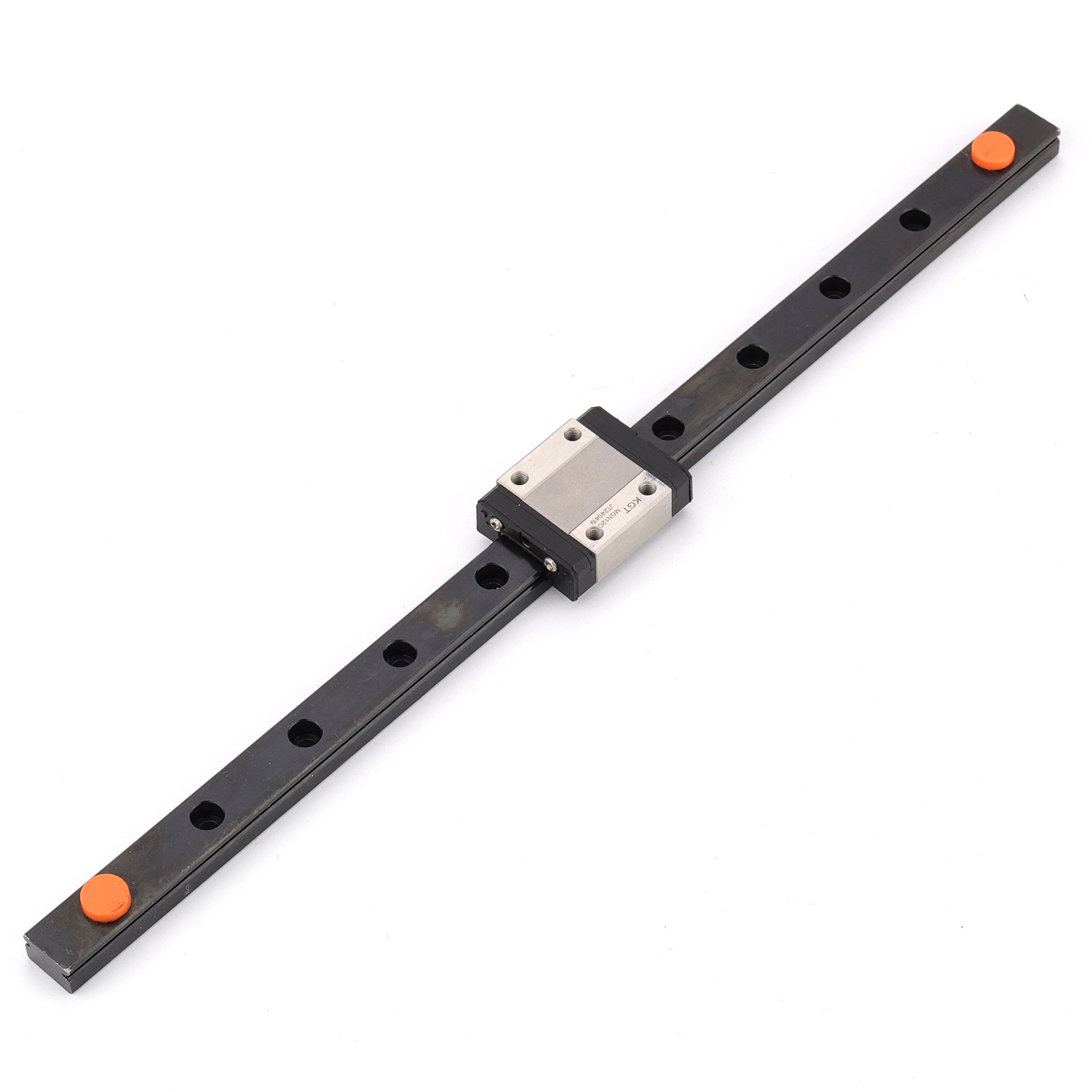
Selecting the right linear rail for your application is one of the most consequential decisions you will make during any machine design or automation project. A linear rail directly governs how smoothly and accurately your moving components travel, how much load the system can bear, and how long the entire assembly will perform without failure. Whether you are designing a CNC router, a pick-and-place robot, a medical imaging table, or an industrial gantry, the quality and suitability of your linear rail determines the overall system outcome more than almost any other single component.
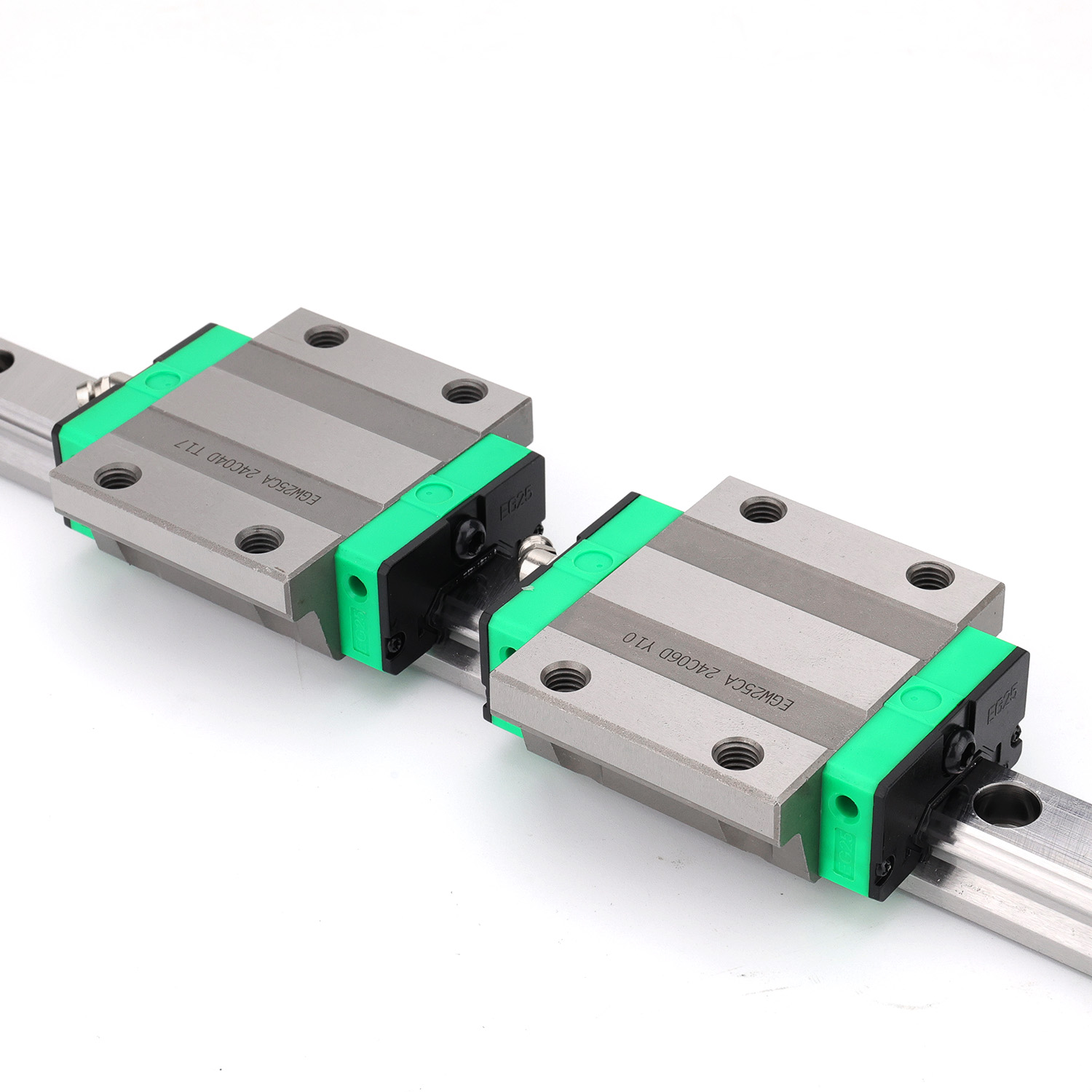
Understanding what separates an excellent linear rail from a merely adequate one requires looking beyond surface specifications. Price, brand recognition, and catalog descriptions only tell part of the story. The factors that truly matter are precision grade, load rating, material quality, carriage design, and compatibility with your specific motion requirements. This article breaks down each of those factors so you can evaluate any linear rail with confidence and choose the one that genuinely fits your project.
Precision Grade and Accuracy in a Linear Rail
Why Precision Grade Defines Motion Quality
Every linear rail is manufactured to a specific precision grade, and that grade defines the permissible deviation in running parallelism, height tolerance, and width tolerance across the entire rail length. A higher precision grade means tighter tolerances, which translates to more accurate and repeatable positioning. For applications such as laser cutting machines, semiconductor handling equipment, or optical inspection systems, a high-precision linear rail is non-negotiable. Even a few microns of deviation per meter can cause cumulative errors that render the final output useless.
Standard precision grades for a linear rail typically range from normal grade through precision, high precision, and ultra-high precision classifications. When evaluating a linear rail for your project, always match the grade to your accuracy requirement rather than defaulting to the highest available grade. Over-specifying costs money; under-specifying costs quality. A practical approach is to define your required positioning repeatability first, then select the linear rail grade that comfortably satisfies that threshold without excessive margin.
Measuring Running Parallelism in Practice
Running parallelism is a critical specification for any linear rail, describing how consistently the carriage travels in a straight line relative to the rail reference surface. When a linear rail has poor running parallelism, the carriage introduces unwanted angular motion that distorts measurements, misaligns tools, or causes premature wear on mating components. Always request parallelism data from your linear rail supplier and verify it against your application's tolerance budget before committing to a purchase.
Load Capacity and Carriage Design
Understanding Static and Dynamic Load Ratings
Every linear rail system is rated for both static and dynamic load capacity. The dynamic load rating of a linear rail indicates how much force the rail can sustain over a standard travel distance before fatigue-related failure occurs. The static load rating describes the maximum force allowable when the linear rail is stationary without causing permanent deformation to the raceway or rolling elements. When sizing a linear rail, engineers must account for the actual payload, acceleration forces, moment loads from offset payloads, and any shock or vibration that the application introduces.
A common mistake in linear rail selection is calculating only the static weight of the load without factoring in dynamic forces during acceleration and deceleration. At high speeds or rapid start-stop cycles, the effective load on a linear rail can be two to four times the static payload. Always apply an appropriate safety factor to your load calculations when selecting a linear rail, and consult load-life equations to estimate the expected service life under actual operating conditions.
Carriage Block Configuration and Contact Geometry
The carriage block is the portion of the linear rail assembly that mounts your payload and travels along the rail. Carriage blocks vary in size, preload class, and internal ball circuit configuration. A wider or longer carriage block on a linear rail increases the moment capacity, which is critical when the load is offset from the rail centerline. Preload class determines the internal clearance between the rolling elements and the raceway groove; higher preload reduces play but also increases friction and heat generation. For most general-purpose linear rail applications, a light preload offers the best balance between rigidity and smooth travel.
Material, Sealing, and Environmental Compatibility
Rail and Carriage Material Choices
A linear rail is most commonly manufactured from high-carbon chromium bearing steel, which provides the hardness necessary to support rolling contact fatigue resistance. In corrosive or hygienic environments, stainless steel linear rail variants offer significant advantages, though usually at slightly lower load ratings compared to standard steel. Some specialized linear rail products are coated or treated with surface hardening processes to extend service life in abrasive or chemically aggressive conditions. Matching the linear rail material to your operating environment is just as important as matching the load rating.
In food processing, pharmaceutical, or outdoor applications, a stainless steel linear rail is often the safest choice. The corrosion resistance of a stainless steel linear rail eliminates the risk of rust contamination and reduces maintenance intervals. When a standard steel linear rail is used in a humid or washdown environment without adequate sealing and lubrication, its service life drops sharply, increasing total cost of ownership far beyond any initial savings from choosing a lower-grade linear rail.
Sealing Systems and Lubrication in Linear Rail Design
The sealing system of a linear rail carriage protects the internal rolling elements from contamination by dust, chips, coolant, and debris. End seals, side seals, and rail wipers all contribute to keeping the linear rail clean and properly lubricated. A well-sealed linear rail in a demanding environment will consistently outperform a higher-rated but poorly sealed linear rail in terms of actual service life. When evaluating linear rail options, always assess the sealing package relative to your shop floor or machine environment.
Lubrication compatibility is another key consideration. Some linear rail designs include integrated lubrication nipples or grease reservoirs that extend re-lubrication intervals. For high-cycle or continuous-duty applications, a linear rail with an efficient lubrication system reduces downtime and maintenance cost significantly. Confirm whether your selected linear rail supports oil or grease lubrication and whether the lubricant type is compatible with adjacent materials such as seals, painted surfaces, or process media in your application.
FAQ
What precision grade of linear rail is right for most CNC applications?
For most CNC routing and milling applications, a precision or high-precision grade linear rail provides an excellent balance between cost and performance. Ultra-high-precision linear rail is typically reserved for semiconductor, optics, or metrology applications where sub-micron accuracy is required.
How do I calculate the correct load rating for a linear rail?
To size a linear rail correctly, calculate the combined static payload plus dynamic forces from acceleration. Multiply by a safety factor of at least 1.5 to 2.0, and then compare the result against the dynamic load rating of the linear rail. Use the load-life equation provided by the linear rail manufacturer to estimate bearing life under expected duty cycles.
Can a standard steel linear rail be used in a washdown environment?
A standard steel linear rail is not recommended for direct washdown or high-humidity environments without additional protection. In such conditions, a stainless steel linear rail or a heavily sealed standard linear rail with frequent re-lubrication is the more appropriate and reliable choice to maintain performance and service life.