
 EN
EN
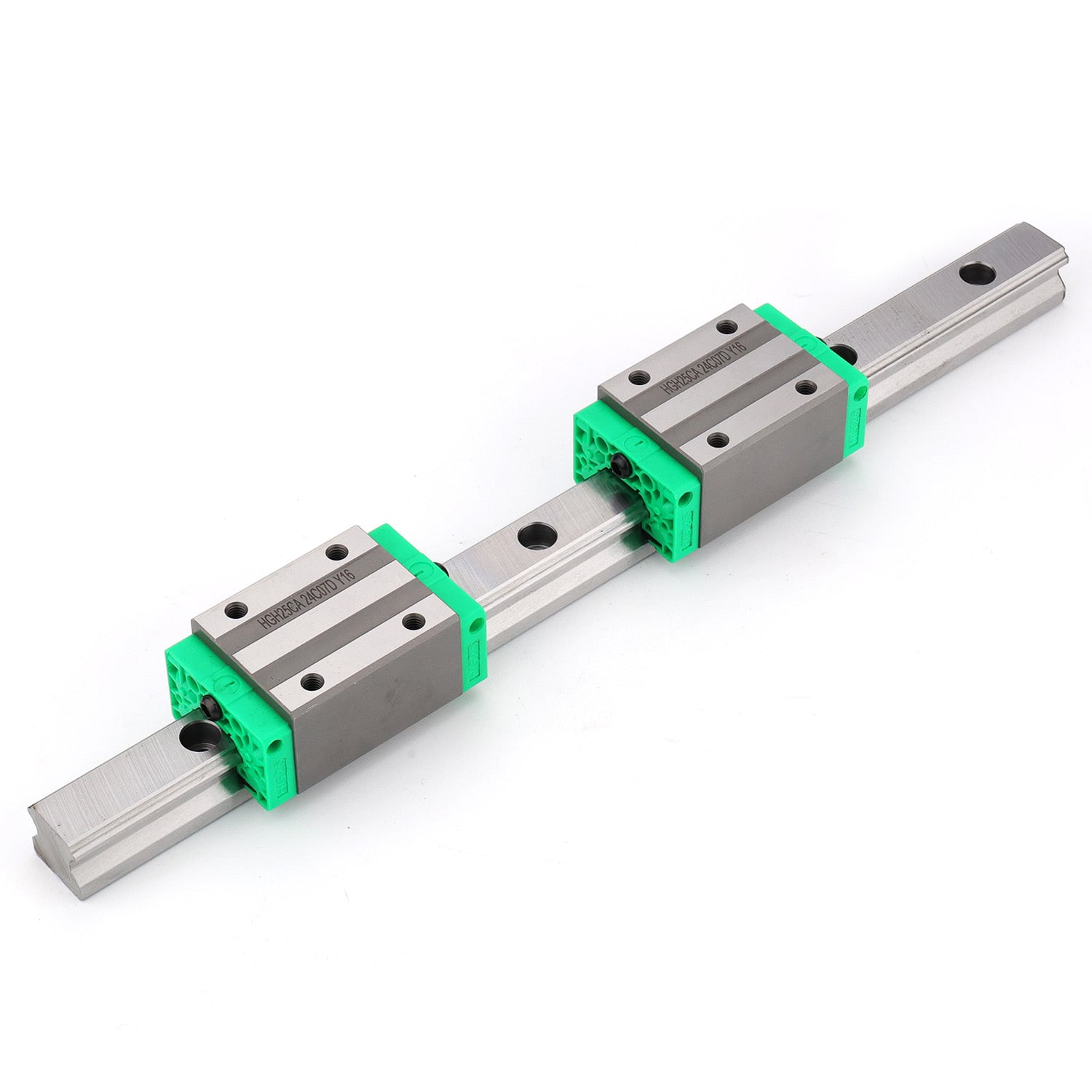
Choosing the right sliding rails for your project is one of the most consequential decisions in any mechanical or industrial design process. Whether you are building automated machinery, precision equipment, or a custom fabrication system, the sliding rails you select will directly affect motion quality, system longevity, and overall performance. Making the wrong choice can lead to premature wear, increased downtime, and costly redesigns. Understanding the key selection criteria before committing to a specific type of sliding rails ensures that your project runs smoothly from the first cycle to the thousandth.
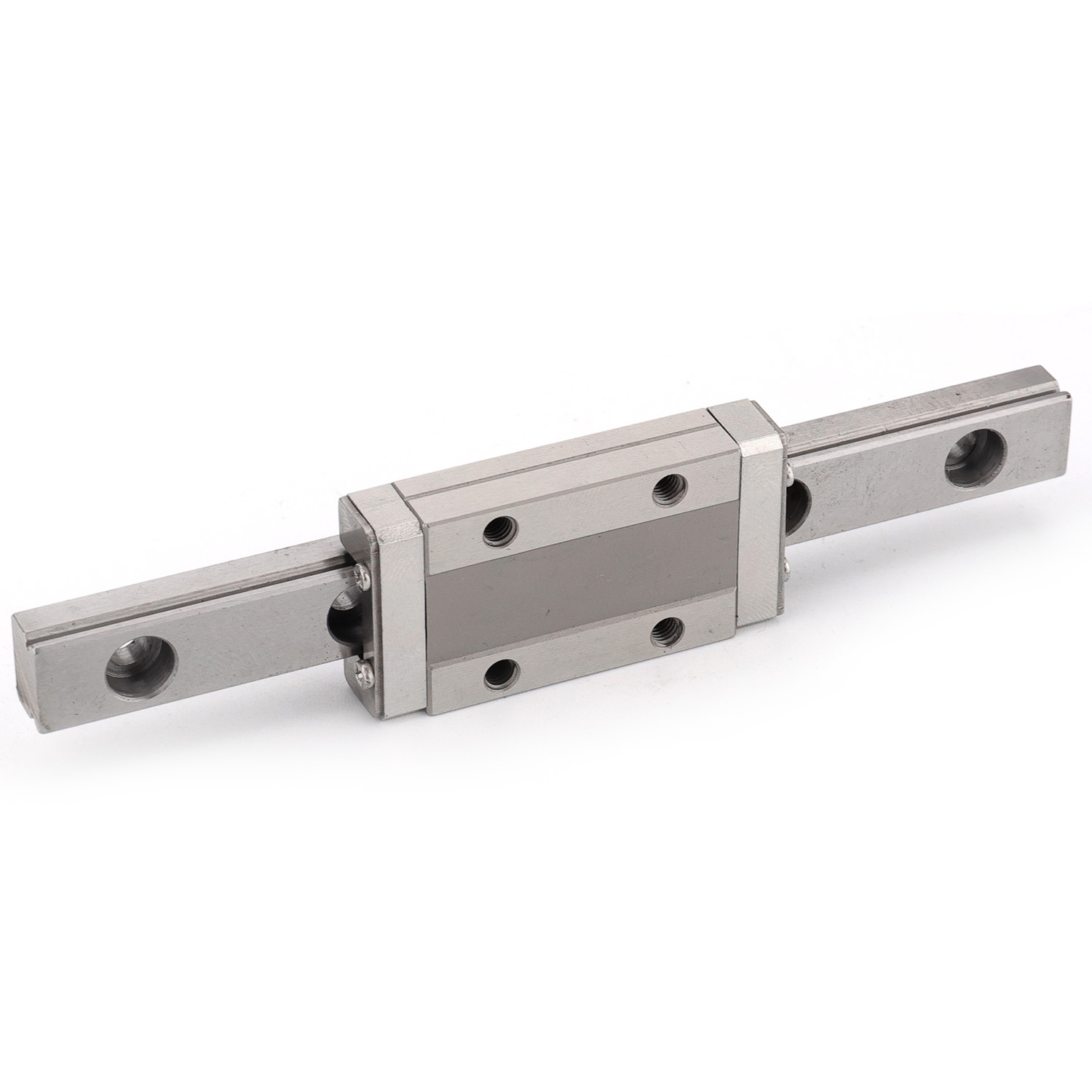
Sliding rails come in a wide variety of configurations, load ratings, materials, and precision grades. This diversity means there is rarely a single universal answer. Instead, the best choice emerges from a structured evaluation of your project's specific demands. This guide walks through the most critical factors — from load and speed requirements to environmental conditions and mounting constraints — so you can make a well-informed decision about which sliding rails best fit your application.
Understanding Load and Motion Requirements
Matching Load Capacity to Your Application
The first step when evaluating sliding rails is to determine the load your system will place on them. Sliding rails are rated for radial loads, moment loads, and dynamic loads, and exceeding these ratings accelerates wear dramatically. You need to account for both the static weight of the moving component and the dynamic forces introduced during acceleration and deceleration. For heavier payloads, wider or higher-rated sliding rails with larger carriage blocks are essential to distribute force evenly and prevent rail deformation over time.
Moment loads are particularly important in cantilevered or asymmetric setups. When the center of gravity of the load sits far from the carriage, sliding rails experience rotational stress in addition to vertical load. In these cases, using two parallel sliding rails with appropriately spaced carriages helps distribute the moment and extend service life significantly. Always apply a suitable safety factor — typically 1.5 to 3 times the calculated load — when specifying sliding rails for industrial use.
Speed and Acceleration Profiles
High-speed applications demand that sliding rails maintain stable contact and minimal friction across the full range of motion. Ball-type sliding rails generally offer lower friction and smoother operation at higher speeds, making them well-suited for pick-and-place systems and fast-cycling automation. Roller-type sliding rails, while better for heavy loads, may introduce more noise and vibration at elevated speeds. Defining your system's maximum travel speed and acceleration profile early in the design process allows you to filter sliding rails options that can meet the dynamic demands without premature fatigue.
Precision Grade and Stiffness Considerations
Selecting the Right Precision Grade
Sliding rails are manufactured in multiple precision grades that define tolerances for height, width, and running parallelism. For general industrial automation, a normal or high grade of sliding rails is usually sufficient. However, for applications in semiconductor equipment, optical systems, or medical devices, ultra-high precision sliding rails are necessary to achieve the sub-micron positioning accuracy those systems require. Choosing a higher precision grade than necessary adds cost without benefit, while choosing too low a grade introduces positioning errors that compromise output quality.
Precision grade also affects the preload specification of sliding rails. Preload eliminates internal clearance between the carriage and rail, improving rigidity and repeatability. Light preload is standard for most applications, while medium or heavy preload is appropriate when rigidity under heavy cutting forces or vibration is critical. Misidentifying the preload requirement is a common source of poor performance when specifying sliding rails for machine tool or milling applications.
Stiffness and Rigidity for Demanding Applications
Stiffness in sliding rails refers to how much the carriage deflects under a given applied load. High-stiffness sliding rails use more recirculating elements or larger-diameter balls to resist deflection. In applications such as grinding machines or laser cutting systems where positional stability under load is critical, selecting sliding rails with adequate stiffness ratings is non-negotiable. Always cross-reference the stiffness data in the manufacturer's specification sheet against your expected cutting or process forces before finalizing your sliding rails selection.
Environmental Conditions and Material Selection
Choosing Materials for Your Operating Environment
The environment where sliding rails will operate plays a large role in material and surface treatment selection. Standard sliding rails are made from hardened carbon steel, which offers excellent load-bearing capacity and rigidity but is susceptible to corrosion in humid or chemically aggressive environments. For food processing, pharmaceutical, or outdoor applications, stainless steel sliding rails or corrosion-resistant coated variants are far more appropriate and will maintain performance over time without rust-related degradation.
In environments with dust, metal chips, or liquid contamination, the sealing design of sliding rails becomes equally important. Most industrial sliding rails come with end seals and sometimes additional wiper seals to keep contaminants away from the recirculating elements. If your application involves significant debris, specifying sliding rails with enhanced sealing or integrating external protective covers will extend maintenance intervals and prevent unexpected failures caused by particle ingression.
Lubrication and Maintenance Planning
All sliding rails require lubrication to reduce friction and prevent metal-to-metal contact. Some sliding rails come with built-in lubrication reservoirs or self-lubricating inserts that extend relubrication intervals, which is a significant advantage in hard-to-access installations. Others require periodic manual or automatic greasing through standard nipples. When planning your project, consider how accessible the sliding rails will be during regular maintenance and choose a lubrication system that fits your maintenance schedule and operational constraints.
FAQ
What is the most important factor when selecting sliding rails?
Load capacity is typically the most critical starting point, but the correct choice of sliding rails depends on a combination of factors including speed, precision grade, environmental conditions, and preload. Evaluating all these factors together gives the most reliable result for your specific project needs.
Can sliding rails be used in corrosive or wet environments?
Yes, sliding rails designed from stainless steel or with specialized corrosion-resistant coatings are well-suited for wet, humid, or chemically exposed environments. Standard carbon steel sliding rails are not recommended in such conditions without protective measures, as corrosion will degrade performance rapidly.
How do I know if I need high-precision sliding rails?
If your application requires positioning accuracy within a few micrometers, or involves sensitive measurement, optical alignment, or semiconductor fabrication, high-precision sliding rails are necessary. For general automation and material handling, standard or high-grade sliding rails provide sufficient accuracy at a more economical cost.