
 EN
EN
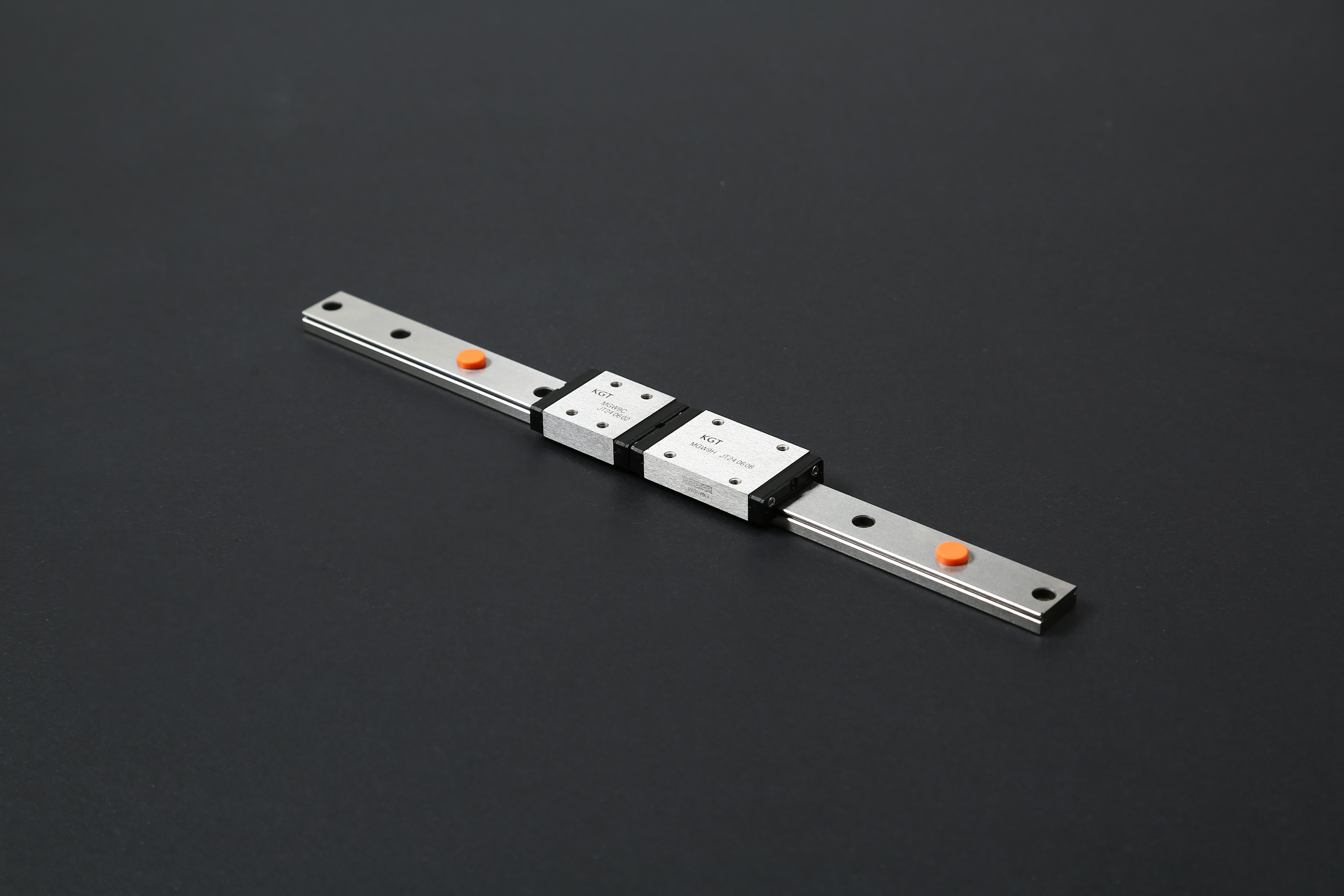
Selecting the right linear rail for a CNC machine is one of the most consequential decisions in machine design. The linear rail you choose directly influences positioning accuracy, load capacity, rigidity, and long-term reliability. With several distinct linear rail types available on the market, understanding which one aligns with your CNC application requirements is essential before committing to a design or retrofit.
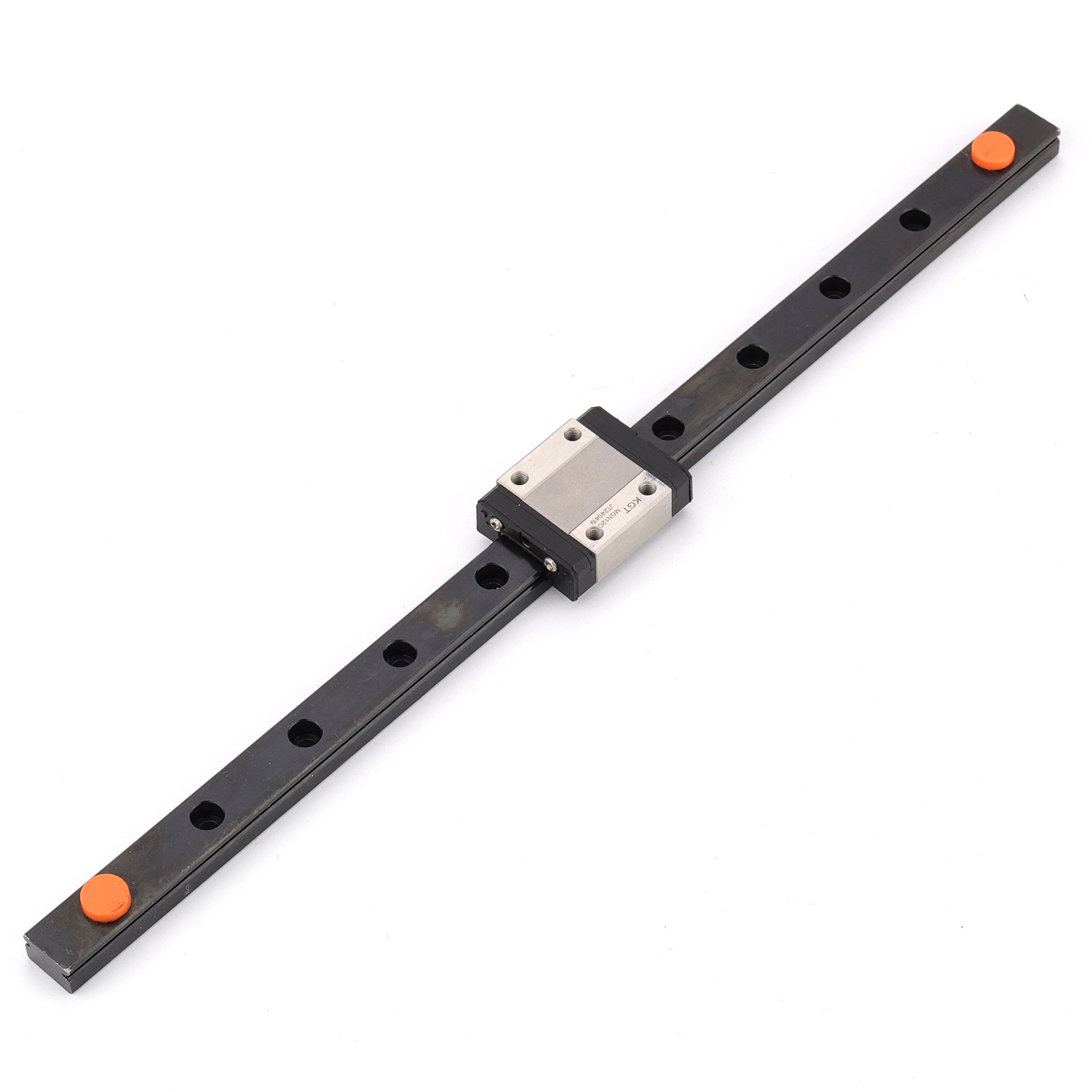
A linear rail provides the guided motion path that allows CNC axes to travel with repeatability and minimal deflection. Whether you are building a high-speed routing machine, a precision milling center, or a multi-axis engraving system, the choice of linear rail type shapes the overall performance envelope. This guide examines the primary linear rail types used in CNC applications and the selection logic that helps engineers make the right call.
Primary Linear Rail Types Used in CNC Machines
Profile Linear Rail and Carriage Systems
The profile linear rail, often called a profiled guideway or square rail, is the most widely adopted linear rail type in precision CNC equipment. This linear rail features a hardened steel rail with precision-ground raceways and a matching carriage block that rides on recirculating ball bearings or roller elements. The profile linear rail delivers high rigidity in all loading directions, making it suitable for milling, drilling, and heavy cutting operations where the linear rail must resist both radial and moment loads simultaneously.
Profile linear rail systems come in various preload classes, allowing designers to tune stiffness versus smooth travel depending on the application. A CNC machining center handling hard metals benefits from a high-preload linear rail carriage, while a plasma cutting table may use a standard preload linear rail to reduce friction and extend service life. The versatility of the profile linear rail makes it the default recommendation for most serious CNC builds.
Round Shaft Linear Rail Systems
The round shaft linear rail is a simpler and more cost-accessible option often seen in lighter CNC routers, laser cutters, and entry-level 3D printing machines. This linear rail type uses a cylindrical hardened rod paired with linear ball bushings or open pillow block bearings. The round shaft linear rail is easier to install and tolerates minor misalignment better than a profile linear rail, but it offers lower rigidity and reduced load capacity per unit length.
For CNC machines that handle light materials like wood, acrylic, or thin aluminum sheets, the round shaft linear rail can be a practical and economical solution. However, when cutting forces increase or when axis travel exceeds 600 mm, the round shaft linear rail begins to show deflection and reduced positional stability compared to the profile linear rail. Engineers evaluating this linear rail type should carefully assess the span-to-diameter ratio of the shaft.
Key Selection Criteria for CNC Linear Rail Applications
Load Capacity and Rigidity Requirements
Every CNC machine imposes specific load profiles on the linear rail system. A linear rail used on a vertical milling spindle axis must handle not only the weight of the spindle assembly but also the dynamic cutting forces transmitted through the tool. Profile linear rail systems with four-row ball contact geometry offer significantly higher moment load ratings than round shaft linear rail options. When the application involves interrupted cuts, aggressive feed rates, or heavy workpieces, the profile linear rail should be selected as the primary motion guide.
Carriage size and rail width also determine the stiffness of the linear rail assembly. A wider linear rail with a longer carriage block distributes loads across more contact points, improving resistance to racking and yaw. Matching the linear rail size to the actual load envelope rather than defaulting to the smallest available size is a key engineering discipline that prevents premature linear rail wear and maintains accuracy over the machine's service life.
Accuracy Class and Positional Repeatability
Linear rail systems are manufactured in multiple accuracy grades, typically ranging from normal grade through high precision and ultra-precision classifications. For CNC machines requiring tight dimensional tolerances, selecting a linear rail in a higher accuracy class ensures that the rail height and width variations remain within acceptable limits across the full travel length. A precision linear rail minimizes accumulated positioning error and supports the machine's ability to hold tight tolerances across repeated cycles.
When selecting a linear rail for a CNC grinding or boring machine, the accuracy class becomes a primary specification rather than a secondary consideration. Even a small variation in linear rail parallelism across two rails on the same axis can introduce angular error that multiplies over longer travels. Precision-ground linear rail rails paired with matched carriages provide the dimensional consistency these applications demand.
Matching Linear Rail Type to CNC Machine Category
Heavy-Duty CNC Machining Centers
Large CNC machining centers benefit most from roller-type linear rail systems, where cylindrical rollers replace ball elements in the carriage. A roller linear rail carries substantially higher loads per unit contact area and offers greater stiffness under heavy cuts. This linear rail type is commonly specified for bridge-type machining centers, gantry mills, and heavy turning lathes where both the static and dynamic load demands on the linear rail exceed what a standard ball-type linear rail can sustain reliably.
Roller linear rail systems do trade some smoothness for stiffness, but on heavy CNC machines this is an acceptable and often preferred characteristic. The linear rail in these machines must function as a structural element, not merely a motion guide, and the roller linear rail is engineered precisely for that role.
High-Speed and Light-Duty CNC Routers
CNC routers designed for rapid traversal and light-material processing favor a ball-type profile linear rail with low preload. This linear rail configuration minimizes friction losses during high-speed moves and reduces heat generation in the carriage. Many production-grade CNC routers use a compact linear rail with miniature carriages on the secondary axes, balancing precision with the need to keep moving mass low. For these machines, the linear rail selection focuses on dynamic load rating and speed rating rather than maximum static capacity.
FAQ
What is the difference between a profile linear rail and a round shaft linear rail?
A profile linear rail uses a precision-ground rectangular steel rail and a matching carriage block with recirculating balls or rollers, offering high rigidity and load capacity in all directions. A round shaft linear rail uses a cylindrical rod with linear bushings, which is easier to install and more forgiving of misalignment but provides lower stiffness and is better suited for lighter CNC applications.
How do I choose the right linear rail size for my CNC machine?
Start by calculating the maximum radial, lateral, and moment loads acting on the linear rail during the worst-case cutting condition. Then select a linear rail size whose dynamic load rating exceeds those values by a safety factor of at least two to three. Also consider the rail span and carriage spacing to control deflection and maintain positional accuracy across the full linear rail travel.
Can a linear rail be retrofitted onto an existing CNC machine?
Yes, a linear rail can often be retrofitted onto an existing CNC machine if the mounting surfaces are flat, parallel, and dimensionally compatible with the chosen linear rail system. Many older CNC machines originally equipped with dovetail or box-way slides are upgraded with profile linear rail systems to improve speed and reduce maintenance. Proper surface preparation and precision alignment during installation are critical to achieving the expected linear rail performance after retrofitting.