
 EN
EN
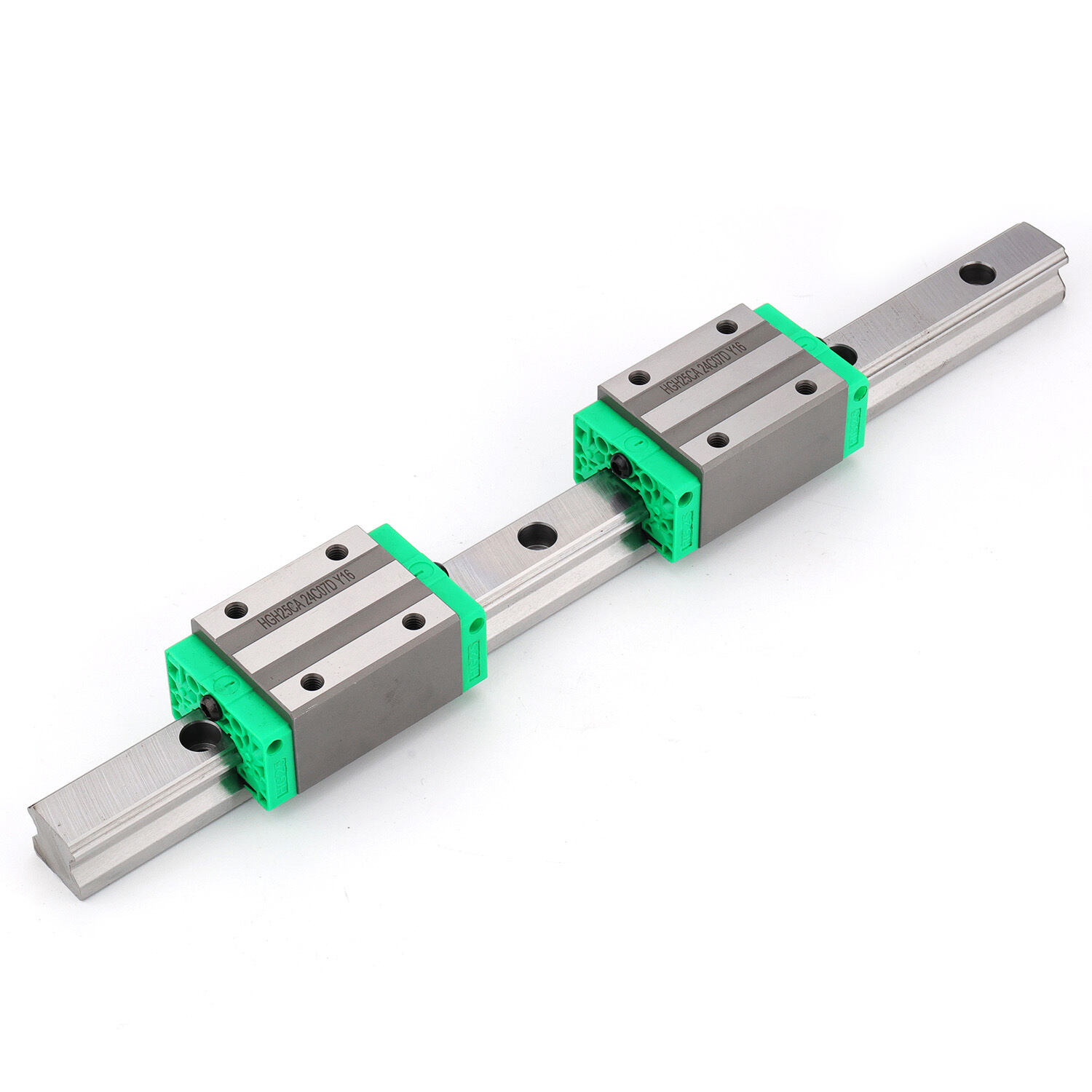
Produktudviklere og ingeniører inden for flere industrier erkender i stigende grad den transformerende virkning, som højtkvalitets glideføringer har på både funktionalitet og æstetisk tiltrækkelighed. Når produktudformningen kræver præcist bevægelse samtidig med opretholdelse af visuel sofistikation, udgør specialfremstillede glideføringer med sort oxidbelægning det perfekte skæringspunkt mellem ingeniørmæssig fremragende kvalitet og designmæssig elegance. Disse specialiserede lineære bevægelseskomponenter leverer ikke kun overordentlige ydeevne, men bidrager også væsentligt til det samlede designudtryk for moderne industrielle og kommercielle produkter.
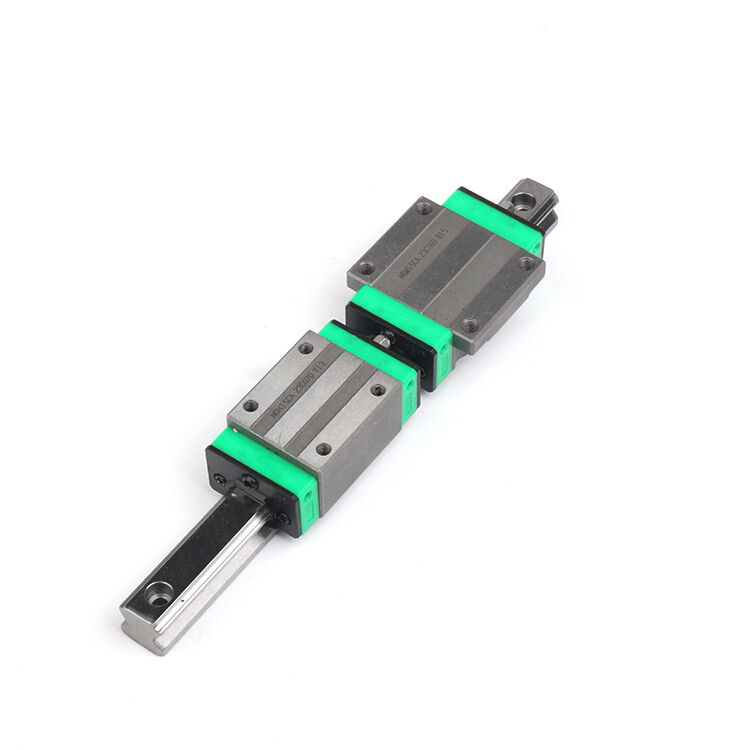
Integrationen af glideskinner med sort oxidoverflade i produktudformningen udgør en strategisk tilgang, der samtidigt løser flere designudfordringer. Ud over deres åbenlyse funktionelle fordele fungerer disse komponenter som designelementer, der forøger produktets sofistikation, mens de opfylder strenge krav til ydeevne. At forstå, hvordan man effektivt integrerer glideskinner med sort oxidoverflade i sin designproces, kan markant forbedre både brugeroplevelsen og markedspositioneringen af sine produkter.
Forståelse af designpåvirkningen fra glideskinner med sort oxidoverflade
Visuel sofistikation gennem overfladebehandling
Den sorte oxidbelægning, der anvendes på glidebaner, skaber en karakteristisk visuel identitet, der straks kommunikerer kvalitet og præcisionskonstruktion. Denne specialiserede overfladebehandling omdanner standardmetaldele til sofistikerede designelementer, der supplerer samtidsprodukters æstetik. Den dybe, ensartede sorte fremtoning giver designere en neutral, men imponerende komponent, der integreres problemfrit i forskellige farveskemaer og materialepaletter, som ofte anvendes i moderne produktudvikling.
Produktudviklere har ofte problemer med mekaniske komponenter, der virker utilitariske eller trækker ned i den samlede designkohærens. Skyderails med sort oxid-overflade løser denne udfordring ved at levere væsentlig lineær bevægelsesfunktion, samtidig med at de positivt bidrager til det visuelle udtryk. Den matte sorte overflade reducerer blænding og refleksioner og skaber et professionelt udseende, der er i overensstemmelse med premium-produktpositioneringsstrategier inden for brancher fra medicinsk udstyr til high-end møbelsystemer.
Den psykologiske effekt af sort oxid-overflader kan ikke undervurderes i produktudviklingskontekster. Forbrugere og endbrugere forbinder ofte dybe sorte overflader med holdbarhed, præcision og premiumkvalitet. Når skyderails er udstyret med denne sofistikerede overfladebehandling, styrkes brand-positioneringen og skabes positive indtryk, der rækker langt ud over ren funktion og omfatter den samlede produktopfattelse samt markedsværdien.
Funktionelle fordele, der forstærker designmæssig intention
Ud over æstetiske overvejelser giver den sorte oxidbelægning på glideføringer funktionelle fordele, der direkte understøtter designmålene. Overfladebehandlingen giver forbedret korrosionsbestandighed, hvilket især er værdifuldt i produkter, der udsættes for skiftende miljøforhold eller hyppig håndtering. Denne holdbarhedsaspekt giver designere mulighed for at specificere disse komponenter med tillid til deres langtidsholdbarhed, hvilket understøtter designstrategier, der fokuserer på produktets levetid og reducerede vedligeholdelseskrav.
De forbedrede slidkarakteristika for sorte oxiderede glidebaner giver konstruktører mulighed for at udvikle produkter med forlænget driftslivscyklus. Denne funktionelle pålidelighed understøtter designfilosofier, der fokuserer på bæredygtighed og brugertilfredshed, da produkterne opretholder konsekvent ydeevne gennem deres forventede levetid. De reducerede gnidningsegenskaber for den sorte oxiderede overflade bidrager også til en mere jævn drift, hvilket forbedrer brugeroplevelsen og understøtter designmål relateret til premiumfornemmelse og ydeevne.
Konstruktionsingeniører sætter særlig pris på den dimensionelle stabilitet, som sorte oxiderede skubbeskinner giver under varierende driftsforhold. Denne konsekvens understøtter præcise konstruktionsberegninger og sikrer, at produktets funktionalitet forbliver inden for de specificerede parametre i forskellige miljøforhold. De forudsigelige ydeevneparametre gør det muligt at optimere designet mere aggressivt, da ingeniørerne med tillid kan angive mindre tolerancer og mere krævende driftskrav.
Strategier for integration af tilpassede skubbeskinner i moderne produkter
Anvendelsesspecifikke tilpassningsmetoder
En vellykket integration af brugerdefinerede glidebaner i produktdesign kræver omhyggelig overvejelse af applikationsspecifikke krav og designbegrænsninger. Tilpassningsprocessen starter med en grundig analyse af lastkrav, bevægelsesafstande, miljømæssige forhold og integrationsbegrænsninger, der definerer det funktionelle område for glidebanesystemet. Denne omfattende vurdering sikrer, at de brugerdefinerede specifikationer passer præcist til designmålet og de funktionelle krav.
Brugerdefinerede glidebaner giver designere en hidtil uset fleksibilitet i forhold til unikke rumlige begrænsninger og krav til ydeevne. Muligheden for at specificere præcise dimensioner, monteringskonfigurationer og ydeegenskaber gør det muligt at optimere designet på en måde, der ville være umulig med standardkomponenter fra lageret. Denne mulighed for tilpasning bliver især værdifuld i kompakte designs, hvor udnyttelsen af plads direkte påvirker den samlede produktmæssige gennemførlighed og markedsposition.
Integrationen af skyderails ind i eksisterende produktarkitekturer kræver omhyggelig overvejelse af monteringssekvenser, vedligeholdelsesadgang og levetidsbetraktninger. Brugerdefinerede specifikationer kan proaktivt løse disse integrationsudfordringer og sikre, at systemet med glidelejer forbedrer frem for komplicerer den samlede produktudformning. Succesfulde tilpassningsprojekter indebærer typisk tæt samarbejde mellem producenter af glidelejer og designhold for at optimere både komponentens specifikationer og integrationsmetodikkerne.
Materialevalg og ydeevneoptimering
Valget af passende basismaterialer til brugerdefinerede glideføringer påvirker betydeligt både ydeevnskarakteristika og designkompatibilitet. Højtkvalitetsstål-legeringer giver ekstraordinær styrke og holdbarhed, hvilket gør dem velegnede til krævende anvendelser, hvor glideføringerne skal kunne bære betydelige laster, samtidig med at de opretholder præcis positionsnøjagtighed. Den sort oxidbelægning, der anvendes på disse premiummaterialer, skaber en synergi mellem ydeevne og æstetik, der opfylder flere designmål samtidigt.
Præcisionskonstruktion inden for fremstilling af tilpassede skyderails gør det muligt for designere at opnå ydeevnespecifikationer, der tæt svarer til de teoretiske konstruktionskrav. Avancerede fremstillingsmetoder sikrer konsekvent dimensional nøjagtighed, overfladekvalitet og mekaniske egenskaber i hele produktionsmængden. Denne fremstillingspræcision understøtter konstruktionsstrategier, der bygger på forudsigelig komponentadfærd, og gør det muligt at optimere omkringliggende systemer og samlinger.
Den termiske stabilitet af korrekt konstruerede skyderails bliver afgørende i applikationer, hvor temperaturvariationer kan påvirke dimensional nøjagtighed eller ydeevneparametre. Tilpassede specifikationer kan imødegå specifikke termiske krav gennem valg af materiale, overfladebehandlinger og geometrisk optimering. Denne fokus på termiske overvejelser sikrer, at skyderails opretholder den ønskede ydeevne inden for hele det forventede driftsområde.
Ydeevnsegenskaber, der understøtter designmæssig fremragende kvalitet
Præcision og nøjagtighed i lineære bevægelsessystemer
De præcise egenskaber ved højkvalitets glideføringer gør direkte det muligt at anvende designstrategier, der kræver nøjagtig positionering og glatte bevægelsesegenskaber. Moderne glideføringer kan opnå positioneringsnøjagtigheder, der måles i mikrometer, og understøtter således applikationer, hvor præcis kontrol over lineær bevægelse er afgørende for produktets funktionalitet. Denne grad af præcision giver designere mulighed for at udvikle produkter med avancerede automationsfunktioner og forbedrede brugergrænseflader, hvilket ville være umuligt med alternativer af lavere præcision.
Gentagelighed repræsenterer en anden kritisk ydelsesdimension, der påvirker designmulighederne og kvaliteten af brugeroplevelsen. Premium glideføringer opretholder konstant positionsnøjagtighed gennem millioner af driftscykler og understøtter designkoncepter, der bygger på langvarig pålidelighed og konsekvent ydeevne. Denne gentagelighed bliver især værdifuld i produkter, hvor brugernes forventninger omfatter en konsekvent følelse og responskarakteristika over længerevarende driftsperioder.
De glatte bevægelsesejendomheder ved veludformede glideføringer bidrager væsentligt til den opfattede produktkvalitet og brertilfredsheden. Eliminering af 'stick-slip'-adfærd, konsekvente hastighedsprofiler og minimal driftsstøj skaber premium brugeroplevelser, der understøtter højere produktplacering og prissætningsstrategier. Disse ydeevneparametre bliver designmuliggørere, der giver ingeniører mulighed for at udvikle produkter med forbedret brugervenlighed og markedsdifferentiering.
Bæreevne og strukturel integration
At forstå bæreevneegenskaberne for glideføringer gør det muligt for designere at optimere den strukturelle integration og minimere den samlede produktvægt og kompleksitet. Højtydende glideføringer kan understøtte betydelige radiale, aksiale og momentbelastninger, mens de opretholder en jævn funktion, hvilket muliggør designstrategier, der konsoliderer flere funktioner i én enkelt montage. Denne bæreevne understøtter kompakte designtilgange, der forbedrer produktets bærbarhed og reducerer materialekravene.
Den strukturelle integration af glidebaner i produktframeworks kræver omhyggelig overvejelse af lastfordeling, monteringsmetoder og monteringssekvenser. En korrekt designet integration maksimerer bæreevnen for glidebaner, samtidig med at strukturelle laster fordeler sig effektivt gennem hele produktstrukturen. Denne integrationsmetode forhindrer spændingskoncentrationer og sikrer langvarig strukturel integritet under driftslaster.
Overvejelser vedrørende dynamiske laster bliver særligt vigtige i anvendelser, hvor glidebaner udsættes for varierende laster under driften. Evnen til at håndtere dynamiske lastforhold uden ydelsesnedgang muliggør designstrategier, der integrerer variable driftstilstande og adaptiv funktionalitet. Denne dynamiske kapacitet understøtter innovative produktkoncepter, der justerer adfærd baseret på brugsmønstre og driftskrav.
Produktions- og kvalitetsovervejelser for designmæssig succes
Produktionsintegration og skalerbarhed
En vellykket produktudformning, der integrerer brugerdefinerede glidebaner, kræver omhyggelig overvejelse af kravene til produktionsskalerbarhed og produktionsintegration. Evnen til at sikre konsekvente mængder af brugerdefinerede glidebaner i produktionsmængder bliver afgørende for kommerciel succes og opfyldelse af markedsintroduceringsmål. Ved at etablere pålidelige leverandørforhold og forstå fremstillingens gennemførelsestider kan designhold udvikle realistiske projekttidsplaner og strategier for markedsintroducering.
Kvalitetskonsekvensen over hele produktionsmængden påvirker direkte produktets pålidelighed og mærkets ry i konkurrencedygtige markeder. Fremstillere af premium glideføringer anvender strenge kvalitetskontrolprocesser, der sikrer, at dimensionel nøjagtighed, overfladekvalitet og ydeevnskarakteristika forbliver konsekvente fra én produktionsparti til den næste. Denne kvalitetskonsekvens gør det muligt for designere at specificere stramme tolerancer og krævende ydeevnskrav med tillid til leveringskædens pålidelighed.
Strategier for omkostningsoptimering ved integration af glideføringer skal afveje ydeevnskravene op mod markedsprisningsmålene og målene for konkurrencemæssig positionering. At forstå forholdet mellem specifikationskravene og fremstillingsomkostningerne giver designere mulighed for at træffe velovervejede beslutninger om ydeevnskompromiser og prioritering af funktioner. Denne omkostningsbevidsthed understøtter designstrategier, der maksimerer værdileveringen, samtidig med at der opretholdes konkurrencedygtige prisstrukturer.
Test- og valideringsmetodikker
Udførlige testprotokoller for glideføringer sikrer, at ydeevneegenskaberne opfylder designspecifikationerne og de driftsmæssige krav gennem hele produktets levetid. Accelereret levetidstestning, miljøpåvirkningstestning og ydeevnevalidering under ekstreme forhold giver tillid til langtidspålidelighed og brugertilfredshed. Disse testmetoder understøtter designstrategier, der lægger vægt på holdbarhed og konsekvent ydeevne over forlængede driftsperioder.
Feltvalidering af glideføringers ydeevne i faktiske anvendelsesmiljøer giver værdifuld feedback til designoptimering og fremtidige produktudviklingsinitiativer. Ydeevnedata fra den virkelige verden giver designere mulighed for at forfine specifikationer, optimere integrationsmetoder og identificere muligheder for ydeevneforbedring. Denne valideringsproces understøtter strategier for løbende forbedring, som sikrer konkurrencemæssig fordel og markedsledende positioner.
Dokumentations- og certificeringskrav til glideføringer bliver i stigende grad vigtige inden for regulerede industrier og anvendelser, hvor sikkerheds- og pålidelighedsstandarder skal overholdes. Omfattende dokumentationspakker, der omfatter ydelsesspecifikationer, testresultater og certificeringsmæssig overensstemmelse, muliggør en problemfri godkendelsesproces og overholdelse af reguleringer. Denne dokumentationsstøtte faciliterer markedsindtræden og reducerer projektrisikoen forbundet med reguleringens godkendelsesprocesser.
Ofte stillede spørgsmål
Hvad gør svart oxid-belægning særligt velegnet til glideføringer i premiumproduktanvendelser?
Overfladebehandling med sort oxid giver både æstetiske og funktionelle fordele, der passer perfekt til en premium produktplacering. Den dybe, ensartede sorte fremtoning skaber visuel sofistikation, mens overfladebehandlingen forbedrer korrosionsbestandigheden og slidkarakteristika. Denne kombination af forbedret holdbarhed og premium udseende gør sliding rails med sort oxid-overflade ideelle til produkter, hvor både ydeevne og visuel tiltalingskraft bidrager til markedsplaceringen og brugertilfredsheden.
Hvordan påvirker specifikationer for tilpassede sliding rails den samlede designfleksibilitet for produktet?
Brugerdefinerede specifikationer for skyderails giver designere en hidtil uset fleksibilitet til at optimere ydeevnskarakteristika for specifikke anvendelser, samtidig med at de tager højde for unikke rumlige begrænsninger og integrationskrav. Muligheden for at angive præcise dimensioner, lastkapaciteter og ydeevnsparametre gør det muligt at optimere designet på en måde, der ville være umulig med standardkomponenter. Denne tilpasselsesmulighed giver designere mulighed for at skabe produkter med forbedret funktionalitet, mere effektiv udnyttelse af plads og differentierede ydeevnskarakteristika, hvilket understøtter konkurrencemæssige fordele og markedspositioneringsmål.
Hvilke faktorer bør designere overveje, når de integrerer skyderails i eksisterende produktarkitekturer?
En vellykket integration kræver en omhyggelig analyse af monteringssekvenser, vedligeholdelsesadgang, lastfordeling og overvejelser vedrørende levetid. Designere skal vurdere monteringsmetoder, strukturelle integrationsmetoder og miljøkrav for at sikre optimal ydelse og langvarig pålidelighed. Desuden sikrer overvejelser om fremstillingsskalerbarhed, forsyningskædens pålidelighed og strategier til omkostningsoptimering, at integrationen af glidebaner understøtter både tekniske mål og kommercielle succeskriterier gennem hele produktets levetid.
Hvordan påvirker præcisionsegenskaberne for glidebaner mulighederne for produktudformning?
De ekstraordinære præcisionsmuligheder for moderne glideføringer gør det muligt at anvende designstrategier, der bygger på præcis positionering og konsekvente bevægelsesegenskaber. Positioneringsnøjagtigheder målt i mikrometer og gentagelighed over millioner af cyklusser understøtter avancerede automationsfunktioner og forbedrede brugergrænseflader. Denne præcision giver designere mulighed for at udvikle produkter med avanceret funktionalitet, forbedret brugeroplevelse og differentierede ydeevnegenskaber, som ville være umulige med mindre præcise alternativer – og støtter dermed en premium-markedspositionering samt strategier for konkurrencemæssig differentiering.
Indholdsfortegnelse
- Forståelse af designpåvirkningen fra glideskinner med sort oxidoverflade
- Strategier for integration af tilpassede skubbeskinner i moderne produkter
- Ydeevnsegenskaber, der understøtter designmæssig fremragende kvalitet
- Produktions- og kvalitetsovervejelser for designmæssig succes
-
Ofte stillede spørgsmål
- Hvad gør svart oxid-belægning særligt velegnet til glideføringer i premiumproduktanvendelser?
- Hvordan påvirker specifikationer for tilpassede sliding rails den samlede designfleksibilitet for produktet?
- Hvilke faktorer bør designere overveje, når de integrerer skyderails i eksisterende produktarkitekturer?
- Hvordan påvirker præcisionsegenskaberne for glidebaner mulighederne for produktudformning?