
 EN
EN
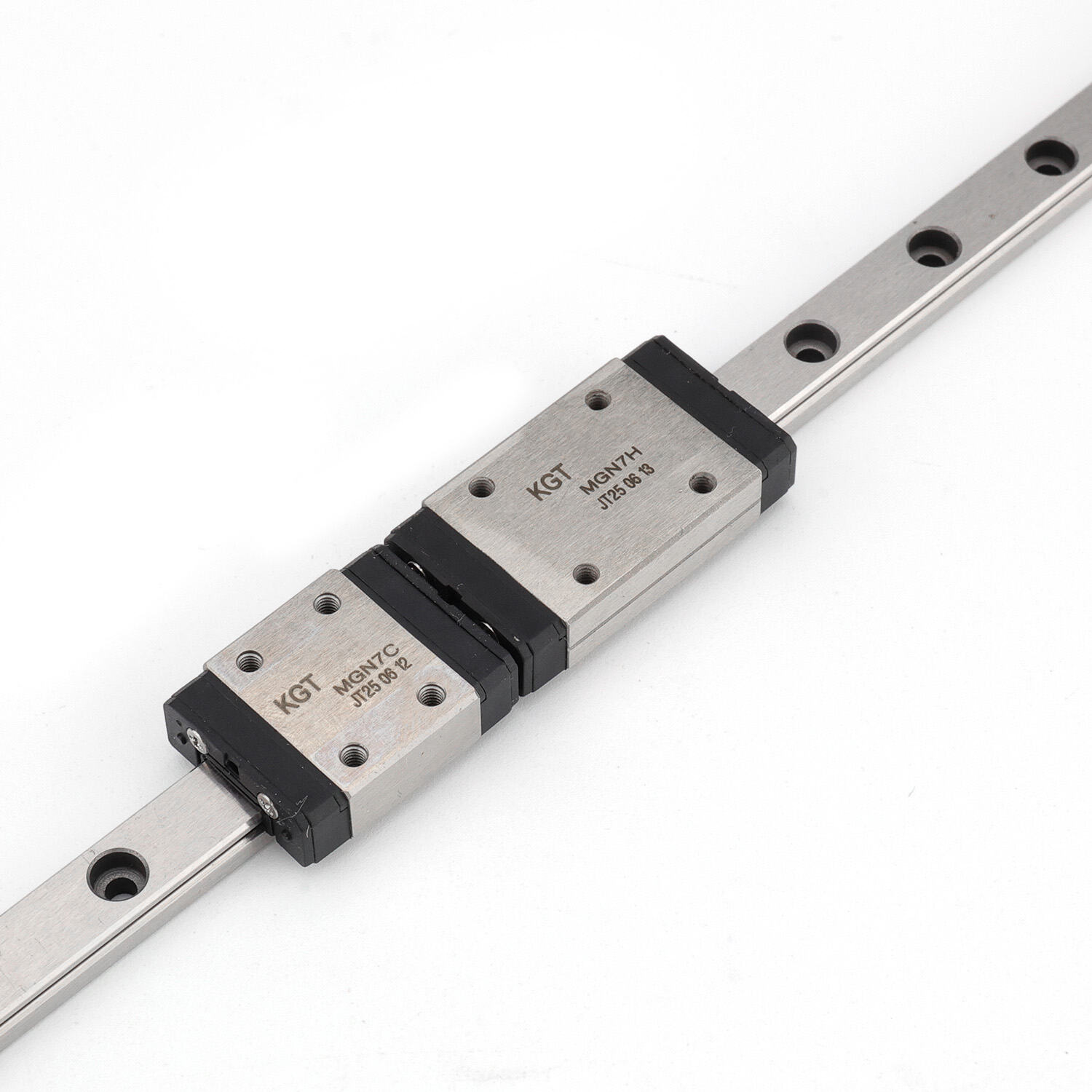
Lineaariset ohjausraudat edustavat tarkkuusmekaanisia järjestelmiä, jotka mahdollistavat sileän ja hallitun lineaariliikkeen lukemattomissa teollisuussovelluksissa. Nämä kehittyneet komponentit koostuvat raiteesta ja kulkukappaleesta, jotka tarjoavat tarkan sijoittelun samalla kun ne kestävät raskaita kuormia toistuvien liikekierrosten aikana. Perusperiaatteiden ymmärtäminen lineaariraillo auttaa insinöörejä valitsemaan sopivat järjestelmät valmistus-, automaatio- ja tarkkuuskoneistussovelluksiin.
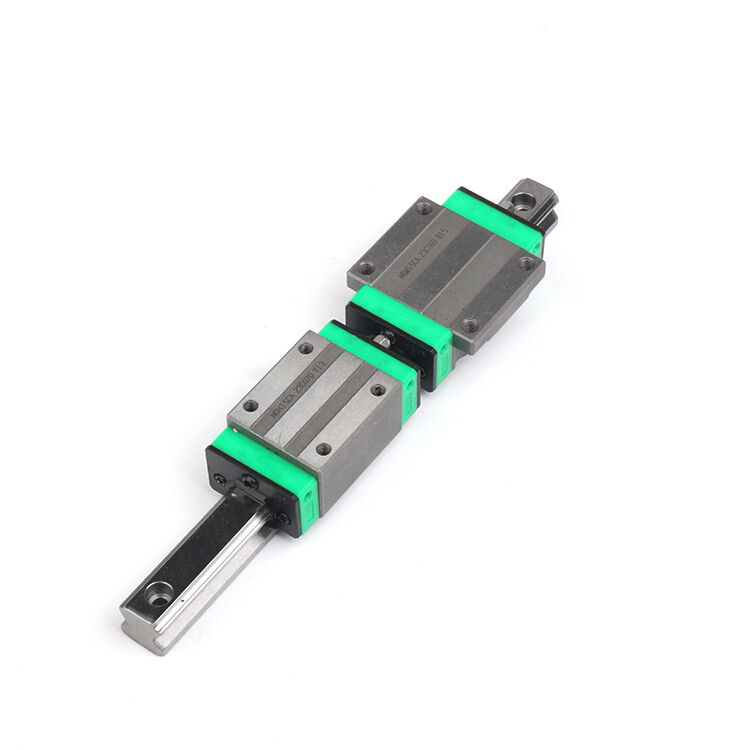
Lineaarisien ohjausrautojen suoraviivaiset ohjaussarit toimintamekaniikka perustuu tarkkoihin kuulalaakeri- tai rullalaakerijärjestelmiin, jotka poistavat kitkan samalla kun ne säilyttävät erinomaisen jäykkyyden. Tämä kitkaton liike ja korkea kuormankesto tekevät lineaarisista ohjausraudoista välttämättömiä komponentteja CNC-koneissa, robottijärjestelmissä, puolijohdevarusteissa ja lääkintälaitteissa. Näiden järjestelmien suunnittelu takaa johdonmukaisen suorituskyvyn miljoonien käyttökertojen ajan samalla kun sijoittelutarkkuus pysyy mikrometreissä mitattavissa.
Lineaarisen ohjausraudan komponenttien ja rakenteen ymmärtäminen
Ydinrakenteelliset elementit
Lineaarinen ohjausrauta koostuu useista keskeisistä komponenteista, jotka toimivat yhdessä tarkkaa lineaariliikettä varten. Rauta muodostaa paikallaan pysyvän perustan, joka valmistetaan yleensä kovennetusta teräksestä ja jonka tarkasti hiottu pinta toimii kuljetusurana laakerielementeille. Kuljetuslohko liikkuu raudan pitkin ja sisältää integroidut laakerijärjestelmät, jotka kantavat kuormia ja mahdollistavat sileän liikkeen.
Lineaarisen ohjausraudan laakerielementit käyttävät joko kuulalaakeria tai rullalaakeria riippuen kuorman vaatimuksista ja tarkkuusvaatimuksista. Kuulalaakerijärjestelmät ovat erinomaisia sovelluksissa, joissa vaaditaan korkeaa nopeutta ja kohtalaista kuormaa, kun taas rullalaakerijärjestelmät kestävät suurempia kuormia ja tarjoavat lisättyä jäykkyyttä. Nämä laakerielementit kiertävät tarkasti suunnitelluissa reiteissä kuljetuslohkossa, mikä varmistaa jatkuvan kosketuksen raudan pinnan kanssa.
Tiivistysjärjestelmät suojavat sisäisiä laakerimekanismeja saastumiselta samalla kun ne säilyttävät voitelun. Edistyneet lineaariset ohjausraudat sisältävät useita tiivistystasoja, kuten kosketustiivistimiä, labürintti-tiivistimiä ja magneettitiivistimiä, riippuen ympäristöolosuhteista. Nämä suojaelementit pidentävät käyttöikää samalla kun ne varmistavat johdonmukaisen suorituskyvyn vaativissa teollisuusympäristöissä.
Tarkkuvaatimuksista valmistuksessa
Lineaarisien ohjausrautojen valmistaminen edellyttää erinomaista tarkkuutta kaikissa tuotantovaiheissa. Raiteen suoruus pysyy yleensä toleranssien sisällä 0,05 millimetriä metriä kohden, ja pinnanlaatuvaatimukset varmistavat optimaalisen laakerikosketuksen. Raiteiden pintojen muodostamiseen käytetyt hiomaproessit saavuttavat karheusarvoja alle 0,2 mikrometriä, mikä on välttämätöntä sileälle laakeritoiminnalle ja komponenttien käyttöiän pidentämiselle.
Lämmönkäsittelyprosessit varmistavat optimaaliset kovuusominaisuudet koko kiskorakenteen yli. Pinnan kovuus vaihtelee tyypillisesti välillä 58–62 HRC, mikä tarjoaa kulumisvastusta samalla kun ytimen sitkeys säilyy. Tämä tarkasti ohjattu kovennusprosessi estää ennenaikaista kulumista ja mahdollistaa kiskon kestää merkittäviä kuormia ilman muodonmuutoksia.
Laatutarkastusmenettelyt varmistavat mittojen tarkkuuden, pinnanlaadun ja kovuusominaisuudet ennen kuin lineaariset ohjauskiskot saavuttavat asiakkaat. Koordinaattimittakoneet tarkistavat kriittiset mitat, kun taas profiilimittarit vahvistavat pinnanlaatua koskevat vaatimukset. Nämä tiukat laatuvaatimukset varmistavat yhtenäisen suorituskyvyn eri tuotantoerien välillä.
Toimintaperiaatteet ja liikemekaniikka
Laakerin kosketus ja kuorman jakautuminen
Lineaaristen ohjausrautojen perustoiminta perustuu optimoituun laakerikosketukseen liikkuvien osien ja raiteen pinnan välillä. Pyörivässä kotelossa olevat kuulalaakerit säilyttävät kosketuksen tarkkaan hiottujen kulkuurien kanssa, jolloin kuorma jakautuu useisiin kosketuspisteisiin. Tämä jakautuminen estää jännityskeskittymän syntyminen ja mahdollistaa sileän liikkeen erilaisissa kuormitustilanteissa.
Neljän kosketuspisteen suunnittelu maksimoi kuormituskyvyn siten, että laakerit koskettavat sekä vaakasuoraa että pystysuoraa raiteen pintaa samanaikaisesti. Tämä asetelma mahdollistaa suoraviivaiset ohjaussarit monimutkaisten kuormitustilanteiden käsittelyn, mukaan lukien säteittäiset, aksiaaliset ja momenttikuormat yhdessä kokoonpanossa. Kosketuspisteiden tarkka geometria varmistaa tasaisen jännitysjakautuman kaikkien laakerielementtien yli.
Esijännitysmekanismit lineaarisissa ohjausraudoissa poistavat välykset laakerielementtien ja juoksuratojen välillä, mikä parantaa järjestelmän jäykkyyttä ja sijoitustarkkuutta. Hallitut esijännitystasot optimoivat suorituskykyä tasapainottamalla lisättyä jäykkyyttä korkeamman sisäisen kitkan kanssa. Tämä insinöörinen tasapaino varmistaa optimaalisen suorituskyvyn eri sovellusvaatimuksissa.
Kierrätettävät laakerijärjestelmät
Lineaariset ohjausraudat käyttävät kierrätettäviä laakerijärjestelmiä, jotka mahdollistavat rajattoman matkan pituuden säilyttäen samalla yhtenäiset suorituskykyominaisuudet. Kun kuljetinkappale liikkuu raudoilla, laakerielementit seuraavat ennaltamääriteltyjä reittejä, jotka palauttavat ne lähtöasentoon. Tämä jatkuva kiertoprosessi estää laakerien kertymisen matkan ääripäihin.
Kierrätyspolut kuljetuslohkoissa käyttävät tarkasti muotoiltuja kanavia, jotka ohjaavat laakerit sujuvasti kuormitettavan ja paluualueen välillä. Nämä polut vähentävät laakerien kiihtyvyyttä ja hidastuvuutta, mikä vähentää kulumista ja säilyttää hiljaisen toiminnan. Edistyneissä suunnitteluratkaisuissa käytetään kaarevia siirtymäalueita, jotka poistavat terävät suunnanmuutokset.
Laakerien pitimet tai kotelot varmistavat oikean välimatkan yksittäisten laakerielementtien välillä kierrätysprosessin aikana. Nämä komponentit estävät laakerien törmäykset samalla kun ne varmistavat tasaisen kuorman jakautumisen aktiivisten kosketuspisteiden kesken. Nykyaikaiset lineaariset ohjausraudat käyttävät suunniteltuja muovipitimiä, jotka tarjoavat kestävyyttä ja vähentävät käyttöäikaisia melutasoja.
Kuormituskyky ja suoritusominaisuudet
Staattiset ja dynaamiset kuormituskapasiteetit
Lineaariset ohjausraudat sisältävät kattavat kuormitusluokat, jotka määrittelevät turvalliset käyttöparametrit eri olosuhteissa. Staattiset kuormitusluokat ilmoittavat suurimmat kuormat, jotka voidaan kohdistaa ilman pysyvää muodonmuutosta, kun järjestelmä pysyy paikoillaan. Nämä luokat huomioivat sekä säteelliset että aksiaaliset kuormitustilanteet ja tarjoavat insinööreille selkeät valintakriteerit.
Dynaamiset kuormitusluokat määrittelevät suurimmat kuormat, joita lineaariset ohjausraudat voivat kestää jatkuvassa käytössä saavuttaakseen määritellyn käyttöikän. Nämä luokat ottavat huomioon laakerien väsymisominaisuudet, voitelutarpeet ja käyttönopeudet. Dynaamiset luokat mahdollistavat insinöörien laskemaan odotetun käyttöiän todellisissa käyttöolosuhteissa.
Momenttikuormien kantokyky määrittelee lineaaristen ohjausrautojen kyvyn kestää pyörivävoimia eri akselien ympäri. Nämä ominaisuudet ovat ratkaisevan tärkeitä sovelluksissa, joissa esiintyy kääntömomentteja tai virheellistä kohdistumista aiheuttavia voimia. Oikea momenttikuorman huomioiminen estää ennenaikaisen vaurioitumisen ja säilyttää sijaintitarkkuuden.
Tarkkuus- ja toistettavuusmäärittelyt
Sijaintitarkkuus on lineaaristen ohjausrautojen perusominaisuus, joka ilmoitetaan yleensä suoruuden, yhdensuuntaisuuden ja korkeusvaihtelujen avulla. Korkealaatuiset lineaariset ohjausrailot saavuttavat suoruustoleranssit 5 mikrometrin sisällä 300 millimetrin matkalla. Nämä tiukat toleranssit mahdollistavat tarkkuussovellukset puolijohteiden valmistuksessa ja koordinaattimittalaitteissa.
Toistettavuusmäärittelyt ilmaisevat lineaaristen ohjausrailojen kykyä palata samaan paikkaan useiden liikekierrosten jälkeen. Edistyneet järjestelmät saavuttavat toistettavuuden 1 mikrometrin sisällä, mikä on välttämätöntä sovelluksissa, joissa vaaditaan johdonmukaista osien sijoittelua tai mittatarkkuutta. Tämä ominaisuus riippuu laakerien esikuormituksesta, voitelun tasaisuudesta ja lämpötilan vakauden.
Kulkuyleensäparallelisuus varmistaa, että kulkuvarret säilyttävät vakion suunnan suhteessa railiin koko matkansa ajan. Kulkuyleensäparallelisuuden vaihtelut voivat aiheuttaa sijaintivirheitä moniakselisissa järjestelmissä. Korkealaatuiset lineaariset ohjausrailat säilyttävät kulkuyleensäparallelisuuden 10 mikrometrin sisällä standardimittaisilla matkoilla.
Sovellusympäristöt ja valintaharkinnat
Teollisuussovellusten vaatimukset
Lineaariset ohjausrailot soveltuvat monipuolisesti teollisiin käyttökohteisiin, jotka vaihtelevat korkean nopeuden valmistuslaitteista tarkkoihin tieteellisiin mittalaitteisiin. CNC-koneistuskeskukset luottavat näihin järjestelmiin työkalujen tarkkaan sijoittamiseen samalla kun ne säilyttävät korkeat kulku- eli siirtynopeudet. Tarkkuuden ja nopeuden yhdistelmä tekee lineaarisista ohjausraidoista välttämättömiä nykyaikaisen valmistuksen tuottavuudelle.
Puolijohdevalmistuslaitteet vaativat lineaarisilta ohjausraidoilta poikkeuksellista puhtautta ja tarkkuutta. Nämä käyttötavat edellyttävät erityisiä tiivistysjärjestelmiä, yhteensopivia voiteluaineita ja materiaaleja, jotka vähentävät hiukkasten muodostumista. Puhtaiden tilojen tiukat ympäristövaatimukset edellyttävät huolellista lineaarinen opasraita valintaa ja huoltotoimenpiteitä.
Lääkintälaitteiden sovelluksissa käytetään lineaarisia ohjainraudoja diagnostiikkalaitteissa, leikkausrobotteissa ja laboratoriot automaatiojärjestelmissä. Nämä sovellukset edellyttävät sileää toimintaa, tarkkaa sijoittelua ja pitkäaikaista luotettavuutta. Vaativat suorituskyvyn vaatimukset lääketieteellisissä ympäristöissä edistävät jatkuvaa innovaatiota lineaaristen ohjainrautojen teknologiassa.
Ympäristötekijät ja suojaus
Ympäristöolosuhteet vaikuttavat merkittävästi lineaaristen ohjainrautojen suorituskykyyn ja käyttöikään. Lämpötilan vaihtelut vaikuttavat mitallisesti vakauden, voitelun viskositeetin ja lämpölaajenemisen ominaisuuksiin. Insinöörien on otettava huomioon käyttölämpötila-alueet, kun valitaan lineaarisia ohjainrautoja tiettyihin sovelluksiin.
Saastumissuojauksesta tulee kriittinen tekijä ankaroissa teollisuusympäristöissä, joissa hiukkaset, nesteet tai kemikaalit voivat heikentää laakerien suorituskykyä. Edistyneet tiivistysjärjestelmät estävät saastumisen pääsyn sisään, kun taas erityisesti kehitetyt pinnoitteet vastustavat korroosiota ja kulumista. Nämä suojaavat ominaisuudet pidentävät käyttöikää vaativissa olosuhteissa.
Värähtelyjen ja iskukuormitusten huomioiminen vaatii huolellista harkintaa lineaaristen ohjausrautojen valinnassa. Korkeataajuuiset värähtelyt voivat aiheuttaa laakerien hankaumista, kun taas iskukuormitukset voivat ylittää dynaamiset kuormitusratkaisut. Oikeat kiinnitystavat ja järjestelmän suunnittelu vähentävät näiden haitallisien vaikutusten vaikutusta lineaaristen ohjausrautojen suorituskykyyn.
UKK
Mitä materiaaleja käytetään yleisesti lineaaristen ohjausrautojen valmistukseen?
Lineaariset ohjausraudat käyttävät yleensä korkean hiilipitoisuuden kromi-terästä raiteille ja kuljetuslohkoihin, mikä tarjoaa optimaalisen kovuuden ja kulumisvastuksen. Laakerielementit käyttävät samankaltaisia teräksisiä koostumuksia erityisellä lämpökäsittelyllä väsymisvastuksen parantamiseksi. Joissakin sovelluksissa käytetään ruostumatonta terästä korrosiovastuksen parantamiseksi, kun taas edistyneitä keraamisia materiaaleja voidaan käyttää erityissovelluksissa, joissa vaaditaan korkeaa lämpötilavastusta tai ei-magneettisia ominaisuuksia.
Miten määritetään lineaaristen ohjausrautojen sopiva esikuormitus?
Esikuormituksen valinta riippuu sovelluksen vaatimuksista, jolloin tasapainotetaan jäykkyyttä kitkan ja käyttöikän suhteen. Kepeä esikuormitus soveltuu korkean nopeuden sovelluksiin, joissa tarkkuusvaatimukset ovat kohtalaiset, kun taas voimakas esikuormitus tarjoaa maksimaalisen jäykkyyden tarkkuusjyrsintäsovelluksiin. Keskitasoisen esikuormituksen valinta tarjoaa kompromissin, joka soveltuu useimpiin yleisiin teollisuussovelluksiin, tarjoaen hyvän jäykkyyden ilman liiallista kitkaa.
Mitkä huoltotoimenpiteet pidentävät lineaaristen ohjausrautojen käyttöikää?
Säännöllinen voitelu valmistajan suosittelemilla voiteluaineilla säilyttää optimaalisen suorituskyvyn ja estää ennenaikaisen kulumisen. Tiukkojen tiivistysjärjestelmien säännöllinen tarkastus varmistaa saastumissuojan ja mahdollisten kulumis- tai vauriomerkkien seurannan. Oikeat puhdistusmenetelmät poistavat kertyneen lika-aineksen ilman, että tiivistyselementtejä vahingoitetaan, ja oikea kiinnityksen tasaus estää ennenaikaisen vaurioitumisen epätasaisista kuormituksista.
Voivatko lineaariset ohjausraudat toimia tyhjiö- tai puhtaussaliympäristöissä?
Tyhjiösovelluksiin tarkoitetut erikoislineaariset ohjausraudat käyttävät yhteensopivia materiaaleja ja voiteluaineita, jotka säilyttävät suorituskykynsä alhaisen paineen olosuhteissa. Puhtaussali-versiot sisältävät edistyneitä tiivistysjärjestelmiä ja vähän kaasua vapauttavia materiaaleja hiukkasten muodostumisen minimoimiseksi. Nämä erikoissuunnittelut vaativat huolellista valintaa tiivistysjärjestelmistä, voiteluaineista ja pinnankäsittelyistä, jotta voidaan täyttää tiukat ympäristövaatimukset samalla kun toimintasuorituskyky säilyy.
Sisällysluettelo
- Lineaarisen ohjausraudan komponenttien ja rakenteen ymmärtäminen
- Toimintaperiaatteet ja liikemekaniikka
- Kuormituskyky ja suoritusominaisuudet
- Sovellusympäristöt ja valintaharkinnat
-
UKK
- Mitä materiaaleja käytetään yleisesti lineaaristen ohjausrautojen valmistukseen?
- Miten määritetään lineaaristen ohjausrautojen sopiva esikuormitus?
- Mitkä huoltotoimenpiteet pidentävät lineaaristen ohjausrautojen käyttöikää?
- Voivatko lineaariset ohjausraudat toimia tyhjiö- tai puhtaussaliympäristöissä?