
 EN
EN
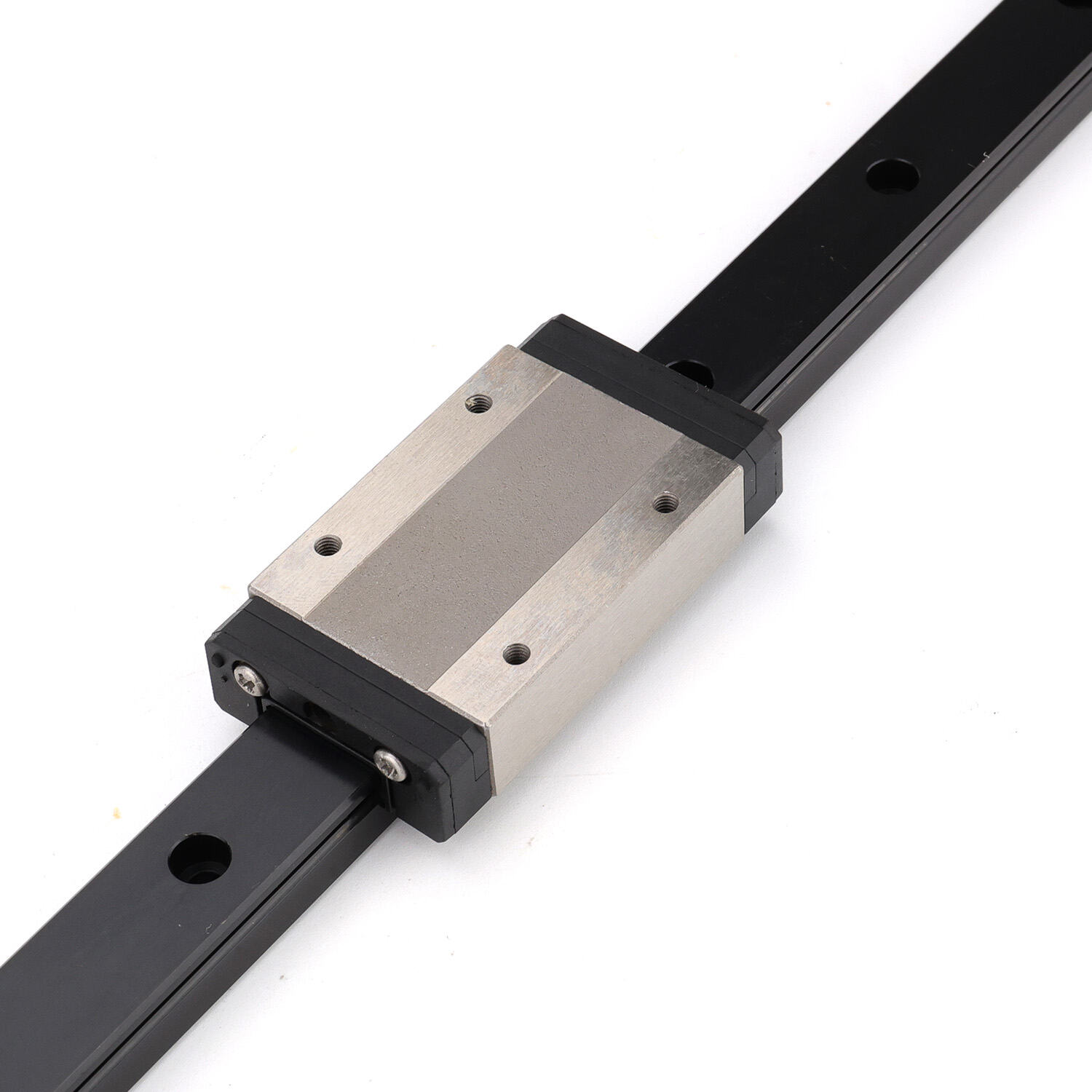
High-temperature industrial environments pose significant challenges for mechanical components, particularly when precision linear motion is required. Custom linear guide bearings engineered from specialized bearing steel and protected with high-temperature electroplating represent a critical solution for applications where standard components fail under extreme heat conditions. These advanced linear guide bearings maintain dimensional stability, reduce friction, and preserve operational accuracy even when exposed to temperatures that would compromise conventional bearing systems.
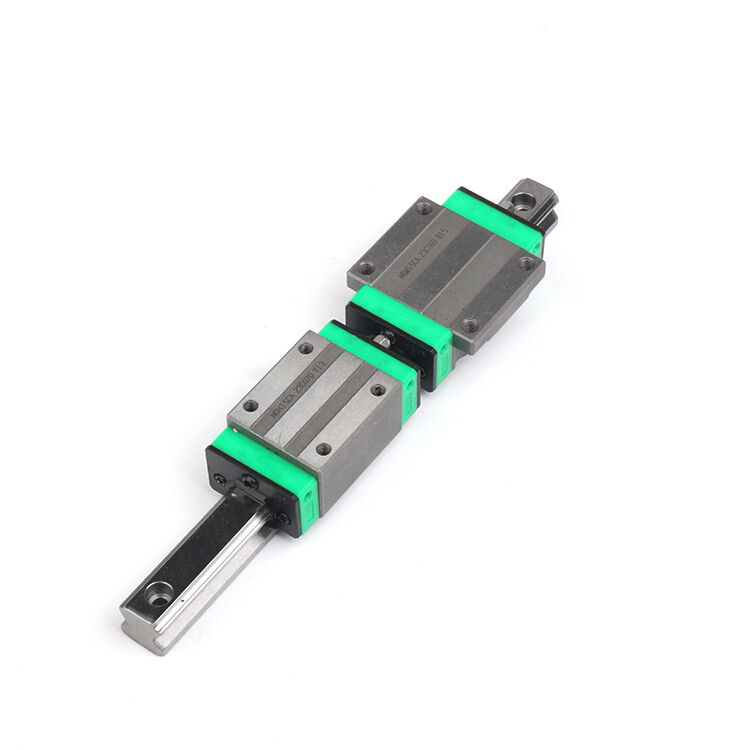
The development of heat-resistant linear guide bearings addresses a fundamental limitation in industrial automation and precision machinery. When operating temperatures exceed 150°C, standard bearing materials begin to experience thermal expansion, lubricant breakdown, and surface degradation that directly impacts performance. Custom bearing steel formulations combined with specialized high-temperature electroplating create linear guide bearings capable of maintaining consistent operation in environments where thermal stress would otherwise cause premature failure and costly downtime.
Understanding Heat Challenges in Linear Guide Bearing Applications
Thermal Expansion Effects on Precision
Thermal expansion represents one of the most critical challenges facing linear guide bearings in high-temperature environments. As temperatures rise, both the bearing components and the mounting surfaces expand at different rates, potentially creating misalignment and increased friction. Standard linear guide bearings typically experience dimensional changes that can compromise the tight tolerances required for precision positioning systems. This thermal growth affects not only the bearing race dimensions but also the ball or roller element spacing, leading to uneven load distribution and accelerated wear patterns.
The coefficient of thermal expansion varies significantly between different bearing materials, creating additional complexity when designing systems for high-temperature operation. Linear guide bearings constructed from conventional bearing steels may expand differently than the aluminum or steel mounting surfaces, resulting in preload changes that affect both performance and service life. Understanding these thermal dynamics becomes essential when specifying linear guide bearings for applications such as industrial ovens, metalworking equipment, and automotive manufacturing processes where elevated temperatures are unavoidable.
Material Degradation Under Heat Stress
Heat exposure accelerates material degradation processes that compromise the structural integrity of linear guide bearings over time. Standard bearing steels begin to experience changes in their metallurgical structure when subjected to sustained temperatures above their design limits. This thermal degradation manifests as reduced hardness, decreased fatigue resistance, and altered surface properties that directly impact bearing performance. The rolling elements within linear guide bearings become particularly susceptible to these heat-induced changes, as they experience continuous stress cycling under elevated temperatures.
Oxidation represents another significant concern for linear guide bearings operating in high-temperature environments. When bearing surfaces are exposed to oxygen at elevated temperatures, oxide formation can create surface roughness and dimensional changes that affect smooth linear motion. This oxidation process becomes more aggressive as temperatures increase, potentially leading to pitting, spalling, and other forms of surface damage that compromise the precision capabilities of linear guide bearings. The combination of thermal stress and oxidation creates a challenging environment that requires specialized material solutions.
Specialized Bearing Steel Compositions for High-Temperature Performance
Metallurgical Properties for Heat Resistance
Custom bearing steel formulations designed for high-temperature applications incorporate specific alloying elements that enhance thermal stability and maintain mechanical properties under heat stress. These specialized linear guide bearings utilize steel compositions with elevated chromium content, which provides improved oxidation resistance and maintains hardness at higher temperatures. The addition of elements such as molybdenum and vanadium further enhances the high-temperature strength characteristics, allowing linear guide bearings to maintain their load-carrying capacity and dimensional stability even when exposed to sustained heat.
The heat treatment processes applied to these specialized bearing steels are carefully controlled to optimize the microstructure for high-temperature performance. Through precise control of heating and cooling cycles, manufacturers can develop linear guide bearings with fine-grained structures that resist coarsening under thermal exposure. This metallurgical engineering approach ensures that the bearing steel retains its fatigue resistance and wear characteristics throughout the operational temperature range, providing reliable performance in demanding thermal environments.
Carbide Distribution and Thermal Stability
The carbide structure within specialized bearing steels plays a crucial role in maintaining the performance of linear guide bearings under high-temperature conditions. Advanced steel compositions feature uniformly distributed carbides that provide thermal stability and resist dissolution at elevated temperatures. These carbide phases help maintain the hardness and wear resistance of linear guide bearings by preventing grain growth and maintaining the fine microstructure even during extended exposure to heat. The careful control of carbide size and distribution during steel production ensures consistent performance across the entire bearing surface.
Thermal cycling resistance becomes particularly important for linear guide bearings that experience repeated heating and cooling cycles during operation. The carbide structure in specialized bearing steels must withstand these thermal fluctuations without developing micro-cracks or dimensional instability. Advanced metallurgical techniques ensure that the carbide network remains intact throughout thermal cycling, preventing the formation of stress concentrations that could lead to premature bearing failure. This thermal cycling resistance extends the service life of linear guide bearings in applications with variable temperature conditions.
High-Temperature Electroplating Technologies and Benefits
Advanced Coating Systems for Thermal Protection
High-temperature electroplating technologies provide essential surface protection for linear guide bearings operating in extreme thermal environments. These specialized coating systems utilize advanced materials such as nickel-phosphorus alloys, chromium compositions, and ceramic-enhanced platings that maintain their protective properties at elevated temperatures. The electroplating process creates a uniform, dense coating that serves as a barrier against oxidation, corrosion, and wear while maintaining the dimensional precision required for smooth linear motion. These coatings are specifically engineered to have thermal expansion coefficients that closely match the underlying bearing steel, preventing coating delamination under thermal stress.
The application of high-temperature electroplating to linear guide bearings requires precise control of processing parameters to ensure optimal adhesion and coating properties. The electroplating bath chemistry, current density, and temperature profiles are carefully managed to produce coatings with the necessary hardness, thickness uniformity, and thermal stability. This controlled process ensures that the electroplated surface enhances rather than compromises the performance characteristics of linear guide bearings, providing improved surface finish and reduced friction coefficients even under high-temperature operating conditions.
Tribological Performance Enhancement
High-temperature electroplating significantly improves the tribological performance of linear guide bearings by creating surfaces with superior wear resistance and reduced friction characteristics. The specialized coating compositions are designed to maintain their lubricating properties and surface integrity even when conventional lubricants begin to break down under heat exposure. This enhanced tribological performance translates to extended service intervals and improved system reliability for linear guide bearings operating in high-temperature applications. The coating's ability to reduce adhesive wear and prevent galling becomes particularly important when thermal conditions compromise traditional lubrication systems.
The micro-hardness and surface texture achieved through high-temperature electroplating contribute to improved load distribution and reduced contact stresses in linear guide bearings. These surface enhancements help prevent the formation of wear particles that could contaminate the bearing system and cause accelerated degradation. The electroplated surface also provides improved corrosion resistance, protecting linear guide bearings from the aggressive environments often associated with high-temperature applications. This comprehensive surface protection ensures consistent performance throughout the operational life of the bearing system.
Industrial Applications and Performance Advantages
Manufacturing Process Integration
Heat-resistant linear guide bearings find critical applications in manufacturing processes where elevated temperatures are inherent to the operation. Steel production facilities, glass manufacturing plants, and ceramic processing equipment rely on linear guide bearings that can maintain precision positioning accuracy despite exposure to radiant heat and high ambient temperatures. These specialized bearings enable automated handling systems, positioning equipment, and quality control machinery to function reliably in environments where standard linear guide bearings would experience rapid degradation and require frequent replacement.
The automotive industry presents numerous applications where high-temperature linear guide bearings provide essential performance advantages. Paint booth conveyors, engine testing equipment, and heat treatment systems require linear motion components that can withstand the thermal conditions while maintaining the precision necessary for quality production outcomes. These linear guide bearings enable continuous operation in environments with temperatures exceeding 200°C, reducing maintenance requirements and improving overall equipment effectiveness. The ability to maintain dimensional stability under thermal stress ensures consistent product quality and reduces the risk of costly production interruptions.
Equipment Reliability and Maintenance Reduction
The implementation of custom high-temperature linear guide bearings significantly reduces maintenance requirements and improves equipment reliability in thermal environments. Standard bearing systems often require frequent lubrication, replacement, and adjustment when exposed to elevated temperatures, leading to increased downtime and maintenance costs. Heat-resistant linear guide bearings with specialized electroplating maintain their performance characteristics for extended periods, reducing the frequency of maintenance interventions and improving overall system availability. This reliability advantage becomes particularly valuable in continuous process industries where unplanned shutdowns result in significant economic losses.
The extended service life of high-temperature linear guide bearings translates to improved total cost of ownership for industrial equipment. While the initial investment in specialized bearing technology may be higher than standard components, the reduced replacement frequency, decreased maintenance requirements, and improved system reliability provide substantial long-term value. The ability of these linear guide bearings to maintain consistent performance under thermal stress also contributes to improved product quality and reduced waste, further enhancing the economic benefits of this specialized bearing technology.
FAQ
What temperature range can high-temperature linear guide bearings withstand?
Custom linear guide bearings made from specialized bearing steel with high-temperature electroplating can typically operate continuously at temperatures up to 250°C, with some specialized formulations capable of intermittent operation at temperatures exceeding 300°C. The exact temperature capability depends on the specific steel composition, electroplating system, and application requirements. These bearings maintain their dimensional stability and performance characteristics throughout their rated temperature range, providing reliable operation where standard bearings would fail.
How does high-temperature electroplating differ from standard bearing coatings?
High-temperature electroplating utilizes specialized coating materials and application processes designed to maintain their protective properties under thermal stress. Unlike standard electroplating systems that may soften, oxidize, or delaminate at elevated temperatures, high-temperature coatings maintain their hardness, corrosion resistance, and dimensional stability. These coatings also have thermal expansion coefficients matched to the bearing substrate, preventing coating failure due to thermal cycling and ensuring long-term performance in heat-intensive applications.
What maintenance considerations apply to high-temperature linear guide bearings?
High-temperature linear guide bearings require specialized maintenance approaches that account for thermal conditions and coating preservation. Lubrication systems must utilize high-temperature lubricants that maintain their properties under heat exposure, and lubrication intervals may need adjustment based on operating temperature and duration. Regular inspection for coating integrity, dimensional changes, and wear patterns becomes important to ensure continued performance. However, these specialized bearings typically require less frequent maintenance than standard components in high-temperature applications.
Can existing equipment be upgraded with high-temperature linear guide bearings?
Many existing systems can be upgraded with high-temperature linear guide bearings, though careful evaluation of mounting interfaces, clearances, and system compatibility is required. The dimensional characteristics of high-temperature bearings are typically maintained to match standard specifications, allowing for direct replacement in many applications. However, consideration must be given to thermal expansion effects on mounting surfaces and the compatibility of existing lubrication systems with high-temperature bearing requirements. Professional evaluation helps ensure successful integration and optimal performance.
Table of Contents
- Understanding Heat Challenges in Linear Guide Bearing Applications
- Specialized Bearing Steel Compositions for High-Temperature Performance
- High-Temperature Electroplating Technologies and Benefits
- Industrial Applications and Performance Advantages
-
FAQ
- What temperature range can high-temperature linear guide bearings withstand?
- How does high-temperature electroplating differ from standard bearing coatings?
- What maintenance considerations apply to high-temperature linear guide bearings?
- Can existing equipment be upgraded with high-temperature linear guide bearings?