
 EN
EN
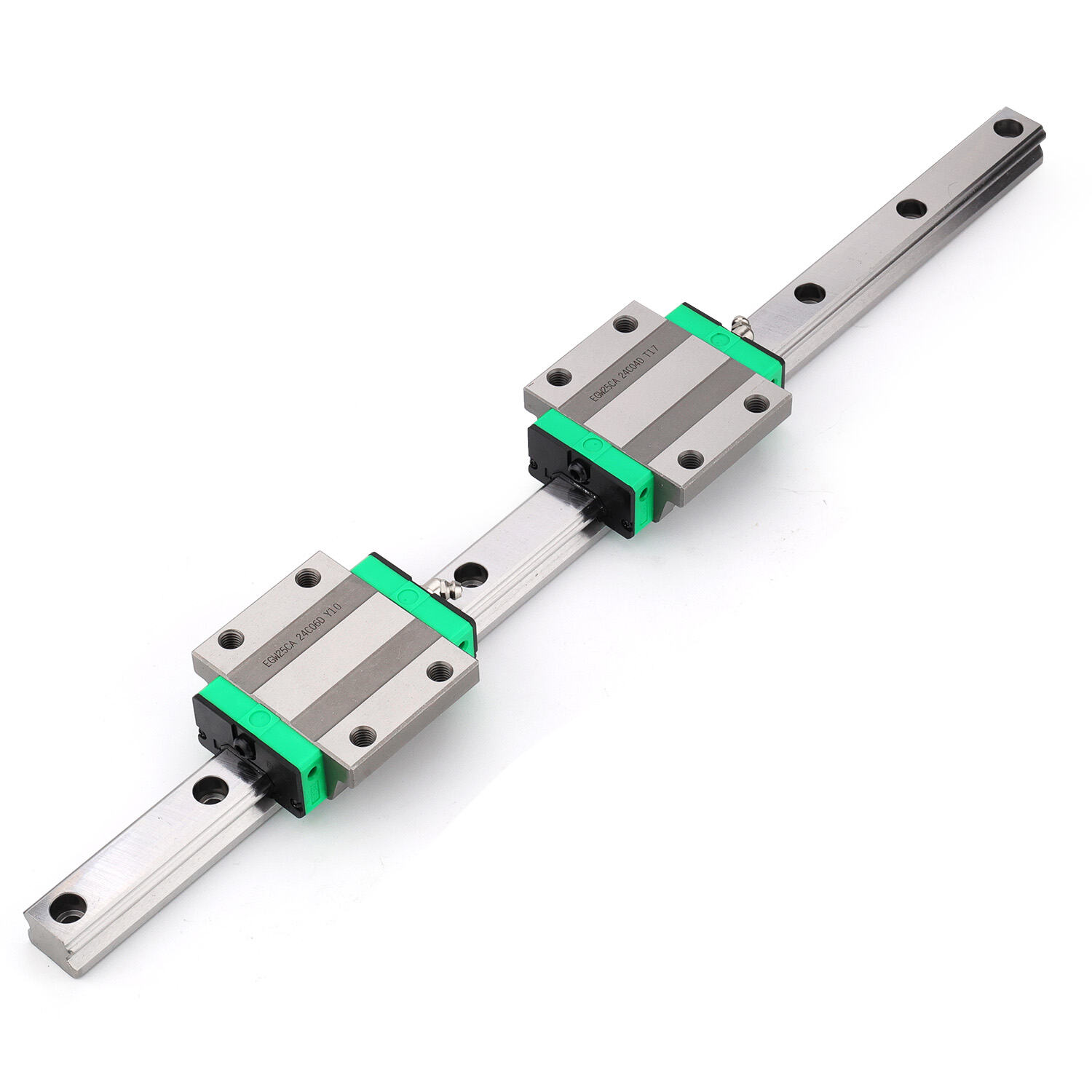
Determining the optimal replacement timing for a worn linear bearing assembly is crucial for maintaining operational efficiency, preventing catastrophic equipment failure, and controlling maintenance costs. While linear bearing systems are engineered for durability and extended service life, they inevitably experience wear through continuous operation, and recognizing the precise moment when replacement becomes necessary requires understanding both technical indicators and operational context. Industrial facilities that delay linear bearing replacement risk secondary damage to precision machinery, production downtime, and compromised product quality, while premature replacement wastes capital resources and increases unnecessary maintenance overhead.
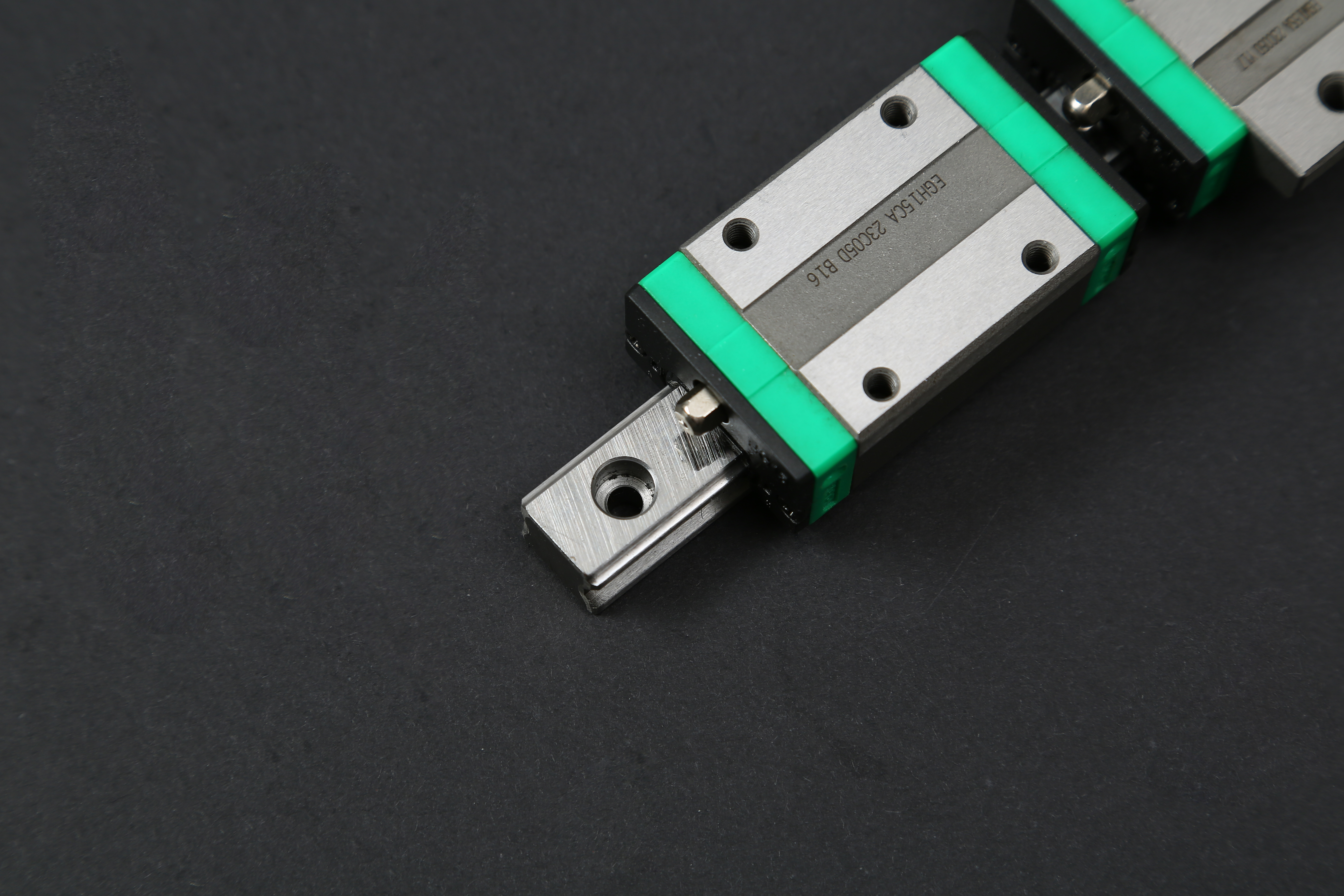
The decision to replace a linear bearing assembly should be guided by systematic condition monitoring, measurable performance degradation indicators, and operational risk assessment rather than arbitrary time intervals or reactive emergency responses. Modern maintenance strategies emphasize predictive and condition-based replacement approaches that balance component life extension with reliability requirements, recognizing that different applications impose varying stress levels on linear bearing systems and consequently demand customized replacement criteria tailored to specific operational environments and precision requirements.
Understanding Linear Bearing Wear Progression and Failure Mechanisms
Normal Wear Patterns Versus Accelerated Degradation
Linear bearing assemblies typically exhibit predictable wear patterns during normal operation, characterized by gradual surface fatigue, microscopic material removal, and incremental clearance increases that develop over extended operational periods. The wear progression follows distinct phases beginning with a brief run-in period where initial surface asperities are smoothed, followed by a prolonged steady-state phase where wear rates remain relatively constant and predictable, and eventually transitioning to an accelerated wear phase where degradation rates increase exponentially as protective surface treatments erode and substrate materials become exposed. Understanding this progression enables maintenance teams to distinguish between acceptable operational wear that requires monitoring and critical degradation that necessitates immediate linear bearing replacement.
Accelerated degradation patterns indicate premature failure mechanisms such as inadequate lubrication, contamination ingress, misalignment issues, or excessive loading conditions that exceed design specifications. These abnormal wear patterns manifest through distinct physical signatures including localized pitting, scoring marks, corrosion evidence, or asymmetric wear distribution across the bearing contact surfaces. When inspecting a linear bearing assembly, maintenance personnel should carefully differentiate between uniform wear consistent with normal service life consumption and irregular damage patterns suggesting underlying system problems that may persist even after component replacement unless root causes are identified and corrected.
Critical Performance Thresholds and Tolerance Boundaries
Every linear bearing system operates within specified tolerance boundaries for clearance, positioning accuracy, and load capacity that define acceptable performance ranges. As wear accumulates, these parameters gradually drift from nominal specifications toward critical thresholds where functional performance becomes compromised. Manufacturers typically establish maximum allowable clearance limits, minimum load capacity thresholds, and positioning accuracy boundaries that signal when replacement becomes technically necessary regardless of remaining bearing material, since exceeding these limits results in operational deficiencies that impact downstream processes and product quality.
The relationship between wear severity and performance degradation is not strictly linear, particularly as bearing clearances approach critical thresholds where dynamic behavior changes significantly. Small additional clearance increases near tolerance limits produce disproportionately large impacts on positioning repeatability, vibration levels, and load distribution characteristics. Maintenance planning should therefore incorporate these non-linear relationships by establishing replacement triggers well before absolute failure thresholds, providing adequate lead time for procurement, scheduling, and installation while maintaining operational stability throughout the replacement process.
Environmental and Operational Factors Influencing Wear Rates
Linear bearing wear rates vary substantially based on environmental conditions and operational parameters specific to each installation. Factors such as ambient temperature extremes, humidity levels, airborne contaminants, chemical exposure, and vibration transmission from adjacent equipment all influence degradation velocity and failure mode probability. High-temperature environments accelerate lubricant degradation and promote oxidation, while corrosive atmospheres attack bearing surfaces directly, and contaminated environments introduce abrasive particles that dramatically increase material removal rates through three-body wear mechanisms.
Operational parameters including cycle frequency, stroke length, velocity profiles, load magnitude and direction, and duty cycle characteristics determine the mechanical stress imposed on linear bearing components. Continuous high-speed operation generates different wear patterns compared to intermittent low-speed positioning applications, while impact loading creates subsurface fatigue damage distinct from steady-state load wear mechanisms. Maintenance personnel must account for these application-specific factors when establishing replacement criteria, recognizing that generic service life estimates often require substantial adjustment based on actual operating conditions observed in specific installations.
Measurable Indicators Signaling Replacement Necessity
Quantitative Clearance and Play Measurements
Systematic clearance measurement provides the most objective indicator for determining linear bearing replacement timing, offering quantifiable data that can be tracked over time and compared against manufacturer specifications. Radial play measurement techniques using dial indicators or precision gauges enable maintenance teams to document clearance increases resulting from wear, establishing trend data that supports predictive replacement planning rather than reactive emergency responses. When measured clearances exceed manufacturer-specified maximum limits, replacement becomes technically necessary regardless of other factors, since excessive clearance directly compromises positioning accuracy, load capacity, and dynamic performance characteristics essential for precision applications.
Axial play measurements complement radial clearance data by revealing wear patterns along the linear bearing travel axis, particularly important for applications involving thrust loads or bidirectional motion profiles. Combined radial and axial clearance data provides comprehensive insight into overall bearing condition and wear distribution patterns, enabling more informed replacement decisions based on actual component degradation rather than speculative estimates. Establishing baseline measurements during installation or early operational phases creates reference data essential for meaningful wear progression analysis and accurate remaining service life projections.
Vibration Analysis and Acoustic Monitoring Techniques
Vibration signature changes provide early warning indicators of linear bearing degradation well before clearances reach critical thresholds, enabling proactive replacement planning that prevents unexpected failures. Accelerometers mounted near bearing housings detect amplitude increases and frequency spectrum changes characteristic of wear progression, with specific vibration patterns corresponding to particular degradation modes such as surface spalling, contamination, or lubrication failure. Regular vibration monitoring establishes trend data revealing gradual degradation patterns, while sudden signature changes indicate acute problems requiring immediate investigation and potentially urgent replacement action.
Acoustic emission monitoring complements vibration analysis by detecting high-frequency stress waves generated by crack propagation, surface fractures, and impact events within linear bearing assemblies. This technique proves particularly valuable for detecting early-stage fatigue damage before visible surface deterioration appears, providing maximum advance warning for replacement planning. Combined vibration and acoustic monitoring creates a comprehensive condition assessment capability supporting optimized replacement timing that balances component life extension with operational reliability requirements specific to each application's criticality level and downtime cost implications.
Temperature Profile Changes and Thermal Imaging
Operating temperature increases often signal developing problems within linear bearing assemblies, reflecting increased friction from wear, lubrication degradation, or contamination issues that elevate heat generation rates. Baseline temperature measurements during normal operation establish reference values against which subsequent readings can be compared, with sustained temperature increases exceeding ten to fifteen degrees typically indicating significant condition changes warranting detailed investigation. Infrared thermal imaging enables non-contact temperature profiling across entire bearing assemblies, revealing localized hot spots indicating concentrated wear zones, inadequate lubrication distribution, or alignment problems requiring corrective action.
Temperature monitoring proves especially valuable in continuous operation environments where visual inspection opportunities are limited and bearing condition must be assessed remotely. Integrating temperature sensors into critical linear bearing installations enables continuous automated monitoring with alarm thresholds triggering maintenance response protocols when temperatures exceed acceptable ranges. This approach supports condition-based replacement strategies that optimize bearing life while maintaining operational reliability, avoiding both premature replacement waste and catastrophic failure risks associated with excessive life extension beyond reasonable service limits.
Operational Performance Degradation Symptoms
Positioning Accuracy and Repeatability Deterioration
Progressive positioning accuracy loss represents a critical functional indicator that linear bearing replacement has become necessary, particularly in precision manufacturing, assembly, and measurement applications where dimensional control directly impacts product quality. As bearing clearances increase through wear, carriage positioning becomes less repeatable, with variability increasing substantially once clearances exceed optimal ranges. Applications requiring submicron positioning accuracy may necessitate bearing replacement when clearances increase by only minimal amounts, while less demanding applications tolerate greater wear before replacement becomes functionally necessary, highlighting the importance of application-specific replacement criteria rather than generic guidelines.
Quantifying positioning degradation requires systematic measurement using precision indicators or laser interferometry to document actual positioning errors compared to commanded positions. Tracking this data over time reveals wear progression rates and enables data-driven replacement timing decisions based on projected accuracy trends rather than reactive responses to unacceptable quality outcomes. When positioning repeatability degrades beyond application tolerance requirements, linear bearing replacement becomes operationally mandatory regardless of remaining bearing material or other condition indicators, since functional performance rather than physical condition ultimately determines component suitability for continued service in precision applications.
Increased Friction and Drive Force Requirements
Friction coefficient increases within aging linear bearing assemblies manifest as higher drive force requirements, increased motor current draw, and reduced velocity capabilities compared to normal operational baselines. These changes result from lubricant degradation, contamination accumulation, surface roughness increases, or corrosion development that elevates resistance to motion. Systematic monitoring of drive system current, velocity profiles, and acceleration capabilities reveals these degradation trends, providing quantifiable indicators supporting replacement timing decisions based on mechanical efficiency rather than subjective assessments.
Applications approaching drive system capacity limits become particularly vulnerable when linear bearing friction increases, potentially causing motion control problems, velocity limitations, or drive system overload failures if bearing replacement is deferred excessively. Preventive replacement before friction levels exhaust available drive capacity maintains operational margins ensuring reliable performance despite bearing wear accumulation. This approach proves especially important in high-duty-cycle applications where drive system reliability depends on maintaining linear bearing friction within design parameters throughout operational life cycles.
Noise Level Changes and Unusual Operating Sounds
Audible noise changes provide readily detectable indicators of developing linear bearing problems, with characteristic sounds corresponding to specific degradation modes. Grinding or scraping noises indicate abrasive contamination or advanced surface wear, rumbling sounds suggest uneven load distribution or clearance irregularities, and clicking or snapping sounds may indicate cage damage, ball or roller impact, or surface spalling. Experienced maintenance personnel learn to recognize these acoustic signatures, enabling quick problem identification and appropriate response decisions including replacement timing assessments based on noise severity and progression rates.
Noise monitoring proves particularly valuable in applications where access limitations prevent regular visual inspection but acoustic characteristics remain readily observable during operation. Establishing baseline noise characteristics during commissioning creates reference standards supporting meaningful comparison with subsequent operational sounds, distinguishing normal operating noise from abnormal sounds indicating developing problems. When unusual noises persist or intensify despite lubrication service or contamination removal efforts, linear bearing replacement typically becomes necessary to restore normal operating characteristics and prevent progressive degradation that may cause secondary damage to precision guide rails, carriages, or mounting structures.
Application-Specific Replacement Timing Considerations
High-Precision Manufacturing and Measurement Systems
Precision manufacturing environments including CNC machining centers, coordinate measuring machines, semiconductor fabrication equipment, and optical assembly systems impose stringent linear bearing performance requirements where minimal wear accumulation necessitates relatively frequent replacement compared to less demanding applications. These systems typically specify positioning accuracies measured in micrometers or even nanometers, requiring bearing assemblies that maintain extremely tight clearance tolerances throughout their service life. Replacement decisions in precision applications must prioritize dimensional control and repeatability rather than maximizing bearing life, often implementing planned replacement intervals based on operational hours, cycle counts, or periodic accuracy verification results rather than waiting for obvious wear symptoms to develop.
Cost-benefit analysis in precision applications typically favors proactive replacement strategies since the economic impact of quality defects, scrap generation, or measurement errors far exceeds bearing replacement costs. Many precision equipment manufacturers specify mandatory bearing replacement intervals regardless of apparent condition, recognizing that performance degradation below critical thresholds may produce expensive consequences difficult to detect until quality problems become evident. Maintenance programs for precision systems should therefore establish conservative replacement criteria that preserve specification compliance throughout operational periods between scheduled replacements, treating linear bearing assemblies as predictable consumables requiring periodic renewal rather than components maintained to absolute failure.
Heavy Industrial and Material Handling Applications
Heavy industrial environments including steel mills, foundries, mining equipment, and bulk material handling systems subject linear bearing assemblies to extreme loading, contamination exposure, and harsh operating conditions that accelerate wear and often necessitate robust bearing designs with higher tolerance ranges compared to precision applications. Replacement timing in these environments balances component life extension against failure risk, recognizing that operational demands make frequent replacement impractical while bearing failures can cause extended downtime and expensive secondary damage. Heavy industrial applications typically employ condition monitoring programs combining clearance measurements, visual inspection, and operational performance tracking to optimize replacement timing based on actual degradation rather than predetermined schedules.
The economic calculus for heavy industrial bearing replacement differs substantially from precision applications, with downtime costs and replacement labor often exceeding component costs, favoring life extension strategies that defer replacement until clear necessity emerges. However, this approach requires robust monitoring capabilities ensuring adequate warning before catastrophic failure occurs, preventing unplanned downtime that disrupts production schedules and potentially causes damage to expensive associated equipment. Successful heavy industrial maintenance programs establish multiple replacement triggers including maximum clearance thresholds, minimum load capacity limits, and critical operational performance indicators, replacing linear bearing assemblies when any trigger threshold is reached regardless of other condition factors.
Continuous Operation and Critical Infrastructure Systems
Continuous operation environments such as automated warehousing, pharmaceutical production, food processing, and utility infrastructure systems require extremely high reliability where bearing failures cause immediate production interruption and potentially significant revenue loss. These applications typically implement predictive maintenance programs with comprehensive condition monitoring, planned replacement during scheduled maintenance windows, and strategic spare parts inventory ensuring rapid replacement capability when monitoring indicates approaching failure thresholds. Replacement timing decisions balance life extension benefits against failure risk consequences, often implementing conservative replacement criteria that accept shorter bearing life in exchange for enhanced operational reliability.
Critical infrastructure applications may implement dual-threshold replacement strategies where initial warning thresholds trigger replacement planning and procurement while secondary critical thresholds mandate immediate replacement regardless of operational impact. This approach provides maximum advance notice for scheduled maintenance while maintaining safety margins that prevent unexpected failures during continuous operation periods. Linear bearing assemblies in continuous operation systems may require replacement based primarily on operational hours or cycle counts rather than condition indicators, recognizing that the consequences of unexpected failure justify conservative replacement timing even when condition monitoring suggests remaining life potential exists.
Cost Optimization and Replacement Planning Strategies
Life Cycle Cost Analysis and Replacement Economics
Comprehensive life cycle cost analysis incorporates bearing acquisition costs, installation labor, downtime expenses, secondary damage risks, energy consumption impacts, and quality consequences to determine optimal replacement timing that minimizes total operational costs rather than simply extending component life. This analysis reveals that premature replacement wastes capital resources while excessive life extension risks catastrophic failures with expensive consequences, suggesting an optimal replacement window that balances these competing factors. Quantitative modeling using application-specific cost data, reliability statistics, and operational parameters enables data-driven replacement decisions superior to generic rule-based approaches or reactive emergency responses.
Different applications produce dramatically different life cycle cost profiles, with precision manufacturing environments favoring relatively frequent planned replacement to maintain quality standards while heavy industrial applications often justify extended operation until clear performance degradation emerges, accepting higher failure risk in exchange for reduced replacement frequency. Understanding these economic trade-offs enables customized replacement strategies aligned with business priorities, operational constraints, and risk tolerance specific to each application. Regular life cycle cost analysis updates incorporating actual performance data, failure history, and maintenance costs refine replacement timing recommendations over time, continuously improving maintenance efficiency through evidence-based decision making rather than static predetermined schedules.
Planned Replacement Versus Emergency Replacement Costs
Planned linear bearing replacement during scheduled maintenance windows typically costs substantially less than emergency replacement following unexpected failure, with cost differentials often reaching three to five times planned replacement expenses when accounting for unplanned downtime, expedited parts procurement, premium labor rates, and potential secondary damage. This economic reality strongly favors proactive replacement strategies that identify developing problems through condition monitoring and schedule replacement during convenient maintenance periods rather than waiting for operational failures that force reactive emergency responses. Calculating the probability-weighted cost of emergency replacement versus planned replacement investment supports quantitative decision making about optimal replacement timing that minimizes expected total costs over equipment operational lifecycles.
Emergency replacement scenarios often involve additional expenses including production schedule disruption, customer delivery delays, quality holds, and potential safety incidents that extend economic consequences far beyond direct maintenance costs. Comprehensive cost analysis incorporating these broader operational impacts reveals that conservative replacement criteria accepting shorter bearing life often produce superior economic outcomes compared to aggressive life extension strategies that increase failure probability. Maintenance organizations should therefore establish replacement decision frameworks that explicitly account for failure consequence costs when determining acceptable wear limits, adjusting replacement timing based on application criticality, downtime costs, and operational flexibility rather than applying uniform replacement standards across diverse applications.
Inventory Management and Replacement Parts Availability
Effective linear bearing replacement planning requires coordinated inventory management ensuring critical replacement parts remain available when condition monitoring indicates replacement necessity, avoiding extended downtime waiting for component delivery. Strategic spare parts inventory decisions balance carrying costs against stockout risks, typically maintaining on-site inventory for high-criticality applications while accepting procurement lead times for less critical systems. Inventory planning should consider bearing obsolescence risks, supplier reliability, procurement lead times, and application-specific failure probabilities to optimize stock levels that support timely replacement without excessive capital investment in spare parts inventory.
Long-term availability considerations become particularly important for specialized bearing configurations or equipment using discontinued bearing models where replacement options may become limited over equipment operational lifecycles. Proactive identification of potential obsolescence issues enables strategic spare parts procurement before availability becomes problematic, while also informing equipment modification decisions that may involve converting to currently manufactured standard bearing configurations with assured long-term availability. Maintenance planning should regularly assess bearing supply chain stability, particularly for critical applications where extended replacement delays would cause unacceptable operational disruption or expensive emergency retrofit projects necessitated by parts unavailability.
FAQ
How often should linear bearings be replaced in normal industrial applications?
Linear bearing replacement frequency varies dramatically based on application demands, operating conditions, and precision requirements rather than following universal time intervals. Precision manufacturing systems may require replacement every twelve to eighteen months to maintain tight tolerances, while heavy industrial applications often achieve three to five years of service life or longer depending on loading conditions and maintenance quality. Optimal replacement timing should be determined through condition monitoring that tracks clearance increases, positioning accuracy, and operational performance rather than arbitrary calendar schedules, replacing bearings when measurable degradation reaches application-specific thresholds that indicate functional performance can no longer be assured.
Can visual inspection alone determine if a linear bearing needs replacement?
Visual inspection provides valuable information about bearing condition including contamination, corrosion, obvious damage, and lubrication status, but cannot reliably assess critical parameters such as internal clearance, positioning accuracy, or load capacity that ultimately determine replacement necessity. Comprehensive replacement decisions should combine visual inspection with quantitative measurements including clearance gauging, positioning tests, and operational performance monitoring that reveal functional degradation not visible through surface examination alone. Visible damage such as scoring, pitting, or corrosion typically indicates that replacement is already overdue, while bearings requiring replacement due to excessive clearance or accuracy loss may appear visually acceptable, highlighting the limitations of inspection-only assessment approaches.
What are the risks of delaying linear bearing replacement too long?
Excessive bearing life extension beyond reasonable service limits creates multiple risks including catastrophic failure causing unplanned downtime, secondary damage to precision guide rails and mounting structures, compromised product quality from positioning errors, increased energy consumption from elevated friction, and potential safety hazards if bearing seizure causes unexpected motion system behavior. The cost consequences of bearing failure typically far exceed proactive replacement expenses, particularly when accounting for emergency repair labor, expedited parts procurement, production schedule disruption, and potential damage to expensive associated equipment. Conservative replacement timing that accepts somewhat shorter bearing life provides insurance against these failure risks while maintaining operational reliability and quality consistency throughout production cycles.
Should all linear bearings in a multi-axis system be replaced simultaneously?
Simultaneous replacement of all bearings within a multi-axis system during single maintenance events often proves economically advantageous by consolidating downtime, reducing labor costs through batch replacement efficiency, and ensuring uniform performance characteristics across all motion axes. However, this approach may result in premature replacement of bearings showing minimal wear if replacement timing is driven by the most degraded bearing in the system. The optimal strategy depends on bearing criticality, condition variation across different axes, downtime costs, and maintenance scheduling flexibility, with high-value precision systems often favoring complete bearing set replacement to eliminate performance inconsistencies while heavy industrial applications may accept individual bearing replacement as wear necessitates, minimizing replacement costs at the expense of more frequent maintenance interventions.
Table of Contents
- Understanding Linear Bearing Wear Progression and Failure Mechanisms
- Measurable Indicators Signaling Replacement Necessity
- Operational Performance Degradation Symptoms
- Application-Specific Replacement Timing Considerations
- Cost Optimization and Replacement Planning Strategies
-
FAQ
- How often should linear bearings be replaced in normal industrial applications?
- Can visual inspection alone determine if a linear bearing needs replacement?
- What are the risks of delaying linear bearing replacement too long?
- Should all linear bearings in a multi-axis system be replaced simultaneously?