EN
EN
Quick Links

Home > Products > Linear Guideway > Heavy Linear Guideway > HG Series
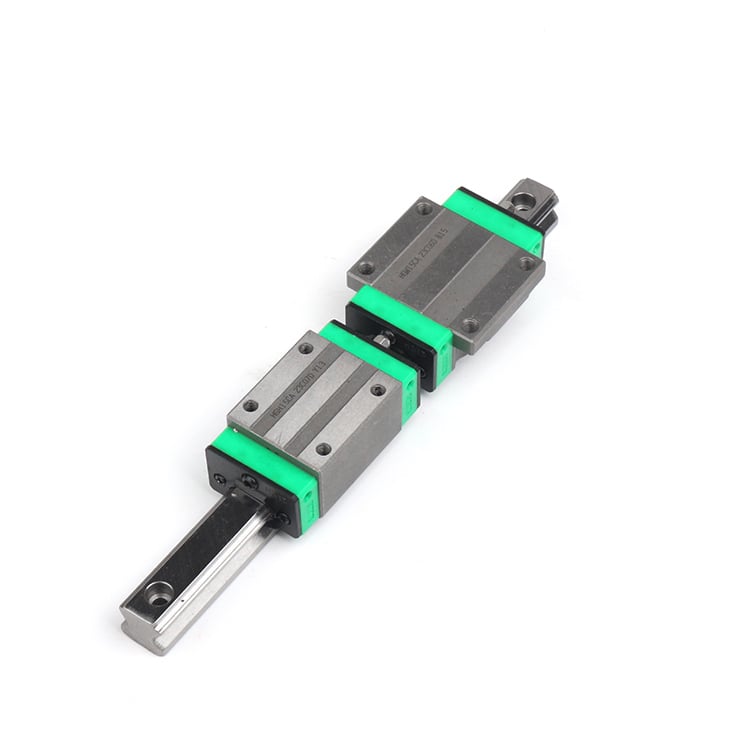
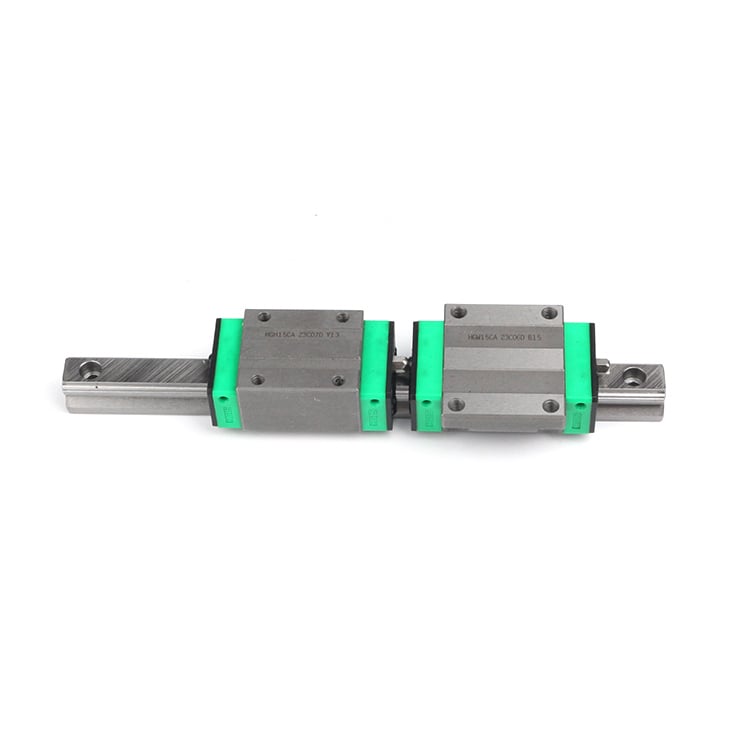
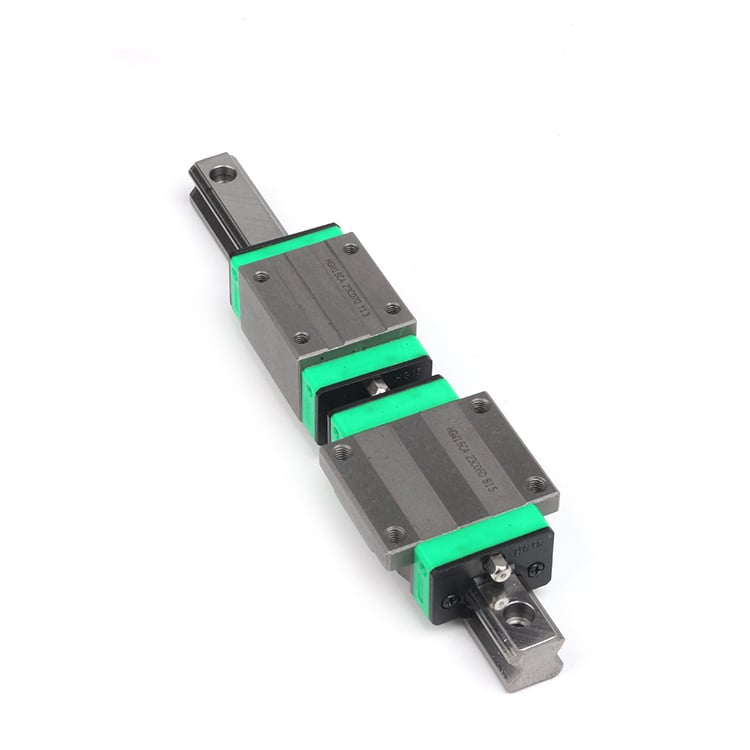
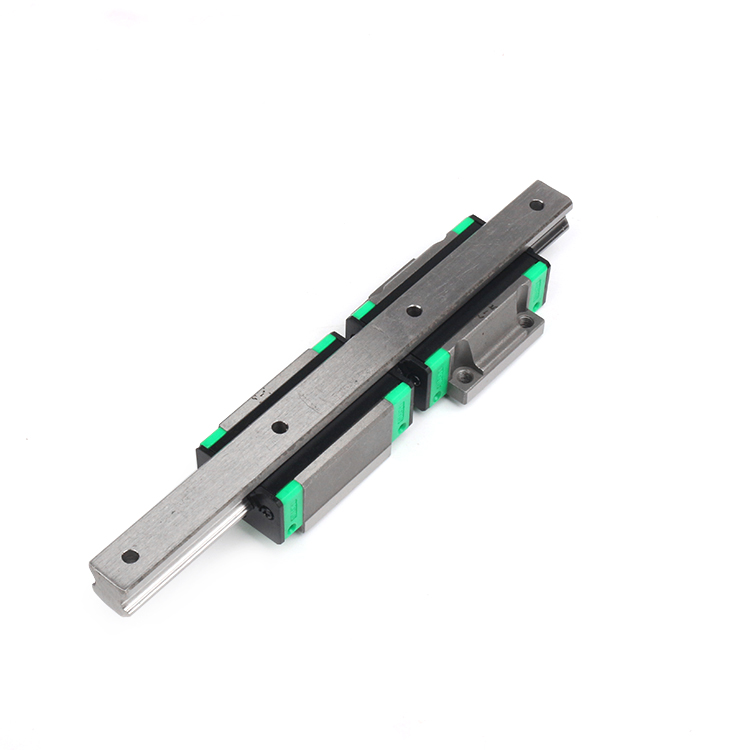
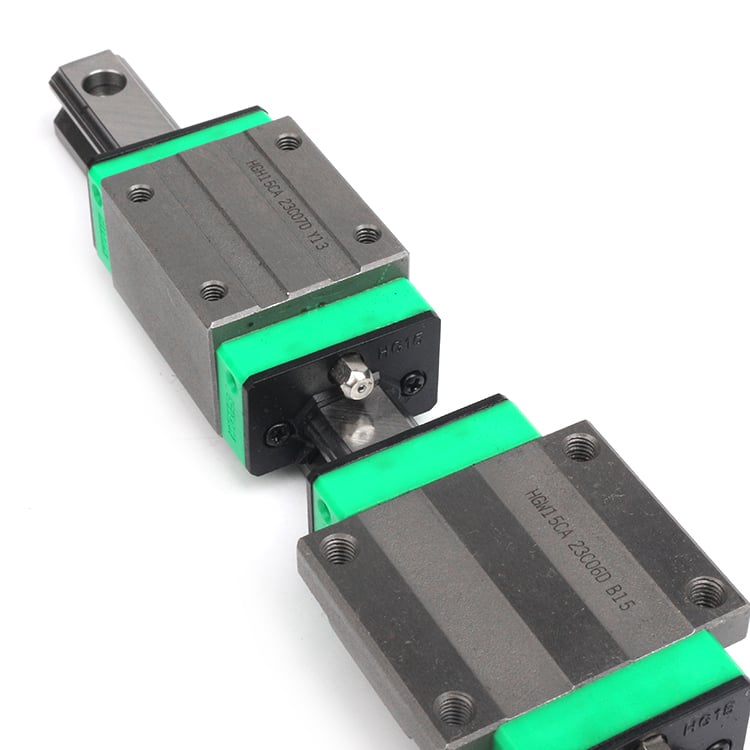
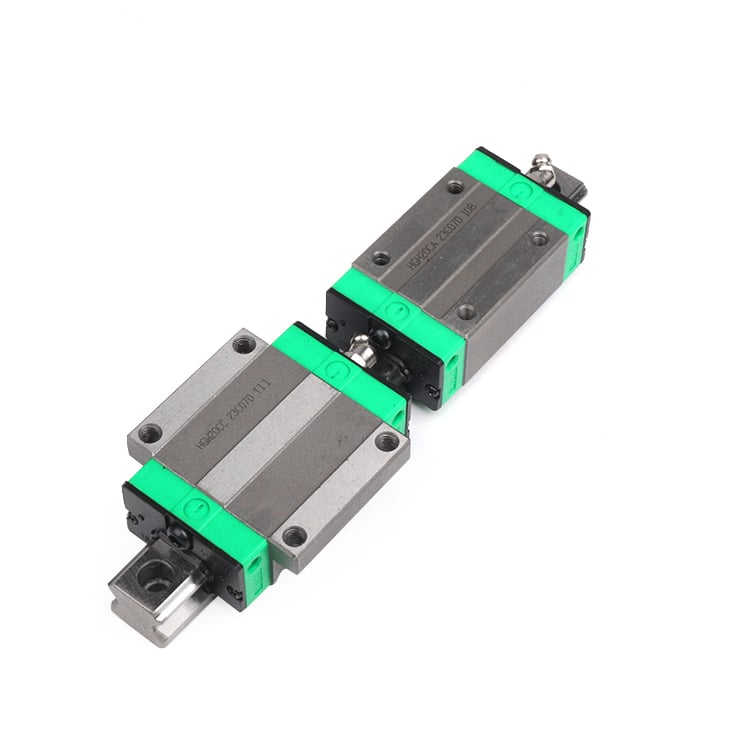
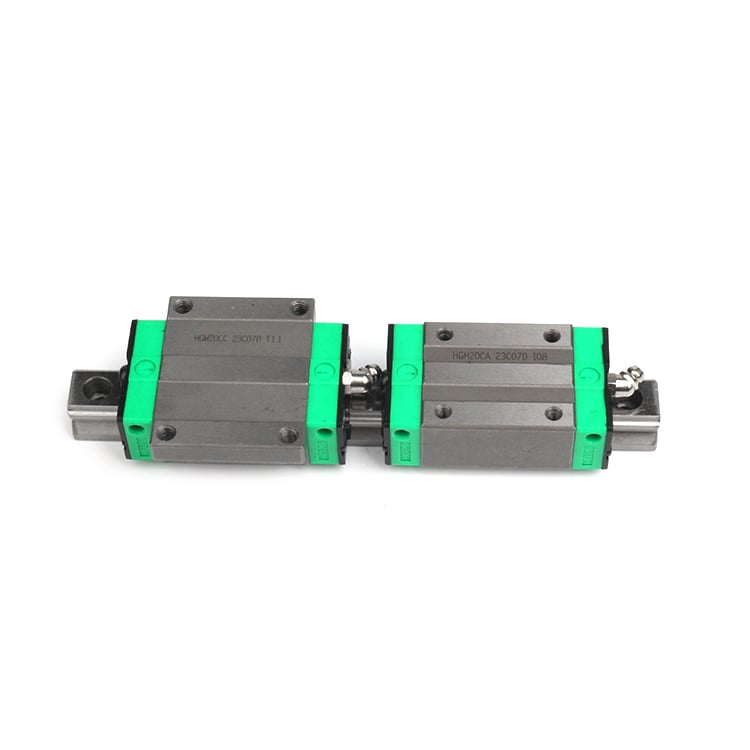
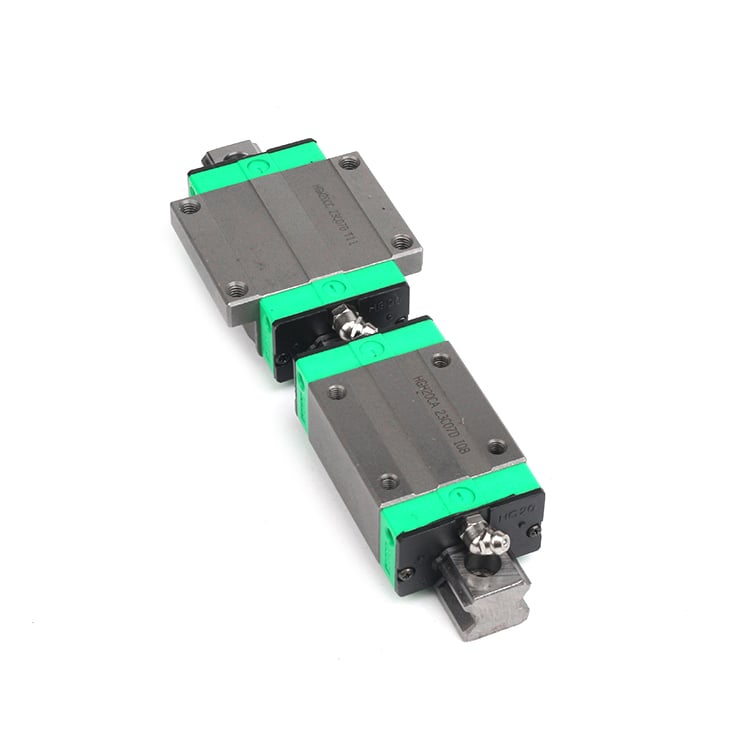
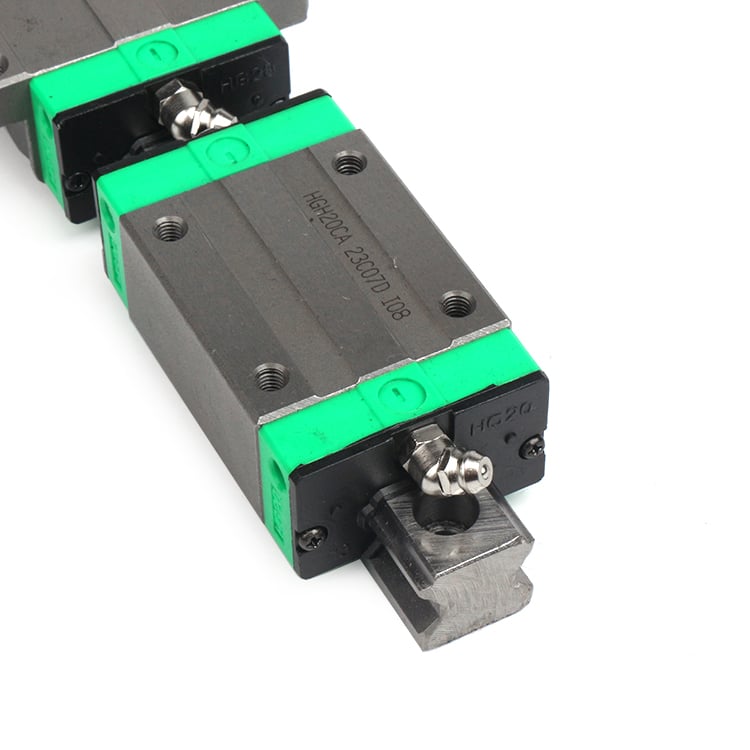
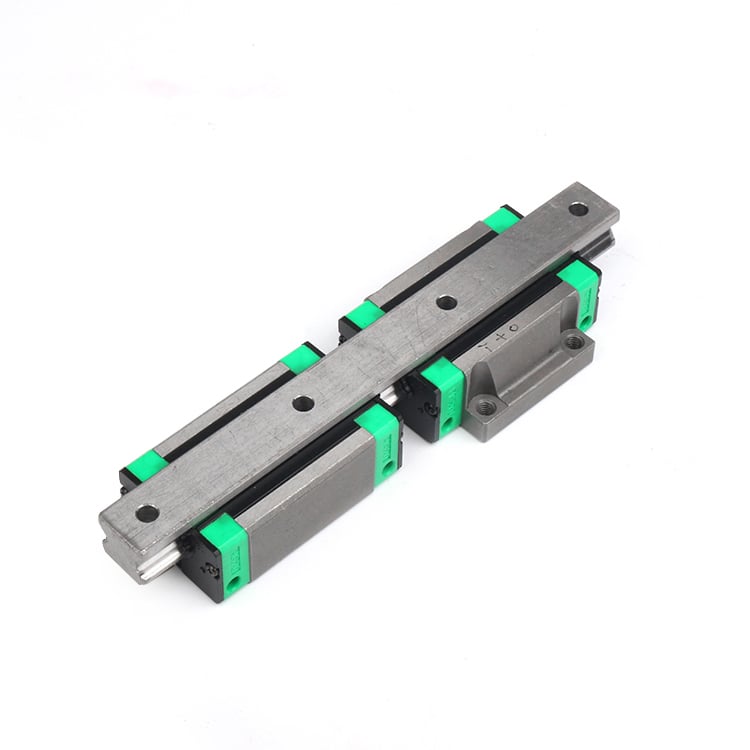
As a direct extension of the HGH series, HGW is also a standard-sized, heavy-duty ball linear guide, with the letter "W" being its most critical feature, representing "Wide."
In simple terms, HGW can be understood as the "enhanced wide-body version" of HGH. While retaining all the high-performance characteristics of the HGH series, HGW achieves a further leap in rigidity and load capacity by significantly increasing the width of the slider.
Positioning: Ultra-heavy-duty, ultra-high-rigidity, wide-type industrial ball linear guide. It is the solution for addressing the most stringent load and moment challenges.
Naming Interpretation:
Specification Identification: Also identified by rail width, such as HGW15, HGW20, HGW25, HGW30, HGW45, etc. Note: Compared to HGH with the same numerical specification, HGW features a larger slider width, length, and overall dimensions.
Wide-Body Slider Design:
- The slider is significantly widened in the width direction (perpendicular to the direction of motion), making its cross-section closer to a rectangle rather than a square.
- This design directly increases the center distance between the ball rows, thereby enhancing the lever arm for resisting moments.
Enhanced Ball Recirculation System:
Reinforced Sealing and Lubrication:
Unparalleled Moment Resistance (Core Advantage):
- This is the fundamental reason for the existence of HGW. The widened slider greatly enhances resistance to pitch, yaw, and roll moments.
- In applications with severe eccentric loads, center of gravity shifts, or high acceleration/deceleration impacts, HGW demonstrates stability and precision retention far exceeding that of HGH.
Ultimate Load Capacity:
- Higher rated static/dynamic loads. For applications requiring extremely heavy weight bearing or heavy cutting forces, HGW is a more reliable choice.
Exceptional Rigidity:
- The widened design and reinforced internal structure elevate the overall rigidity of the guide assembly to its peak. It maximizes the suppression of force-induced deformation and vibration, which is crucial for ensuring ultra-precision machining or positioning accuracy under high-speed and heavy-load conditions.
Higher Operational Stability and Precision Longevity:
- Stronger resistance to moments and vibrations means slower precision degradation and smoother operation over long-term use.
- Particularly suitable for large gantry structures (e.g., gantry machining centers, gantry milling machines), where the overhang of the ram or spindle head creates significant overturning moments.
Excellent Heavy-Duty Durability:
- All components are reinforced for heavy-duty applications, offering longer fatigue life and making HGW the preferred choice for heavy and high-load equipment.
Characteristic |
HGW (Wide Heavy Load) |
HGH (Standard Heavy Load) |
Carriage Block Profile |
Significantly wider and longer, rectangular cross-section, larger volume and weight. |
Relatively balanced width-to-height ratio, standard square-block type. |
Moment Resistance |
Ultimate. Specifically designed to overcome massive overturning moments. |
Excellent. Meets the moment requirements of the vast majority of standard industrial applications. |
Load Capacity |
Extreme. Highest nominal load rating among comparable specifications. |
Very high. The benchmark for industrial applications. |
Rigidity |
Peak. The strongest overall rigidity, with minimal deformation. |
Very high. Adequate for most high-rigidity requirements. |
Space Occupation |
Very large. Requires ample lateral mounting space and stronger support structure on the equipment. |
Standard. General industrial design with reasonable space requirements. |
Cost |
Higher. More material used, potentially requiring higher manufacturing precision. |
Standard. High cost-performance ratio, making it the mainstream choice. |
Application Philosophy |
“Absolute performance priority.” Used in the most extreme load and moment conditions with the highest demands for rigidity. |
“Balance between performance and cost.” Covers the broadest range of industrial heavy-load applications as the general-purpose mainstay. |
Selection Rule of Thumb: When calculations for HGH show that rigidity or moment resistance is approaching critical limits, or when the equipment structure inherently generates massive moments (e.g., gantry frames, long cantilevers), HGW should be prioritized.
HGW is specifically designed for "heavyweight" equipment with extreme demands for rigidity, stability, and load capacity:
- Necessity Analysis: Not all heavy-load applications require HGW. Rigorous mechanical calculations (especially moment calculations) must demonstrate that HGH cannot meet the requirements, justifying the selection of the more expensive HGW.
- System Compatibility: HGW places extremely stringent demands on the installation foundation. It must be paired with highly rigid bed frames or support structures and matched with equally high-specification ball screws (e.g., large roller screws) and bearings. Otherwise, the advantages of HGW cannot be realized.
- Installation Precision: Requirements for flatness, parallelism, and levelness of mounting surfaces are even higher than for HGH. Installation and alignment require more specialized skills and tools.
- Lubrication and Maintenance: Due to its extreme load capacity, regular, adequate lubrication with specified high-performance grease is critical. Any lubrication deficiency can lead to rapid wear.
HGW linear guides represent the ultimate response of ball linear guide technology to the demands for "extreme rigidity" and "extreme moment resistance." It embodies the most robust and reliable motion component foundation engineers can rely on when equipment design faces the most severe mechanical challenges. Choosing HGW means prioritizing absolute structural stability and motion precision from the outset, accepting greater space occupation and higher costs to ensure peak performance and extended service life under the harshest operating conditions. It is the "stabilizing anchor" in the field of heavy-duty, high-precision equipment.
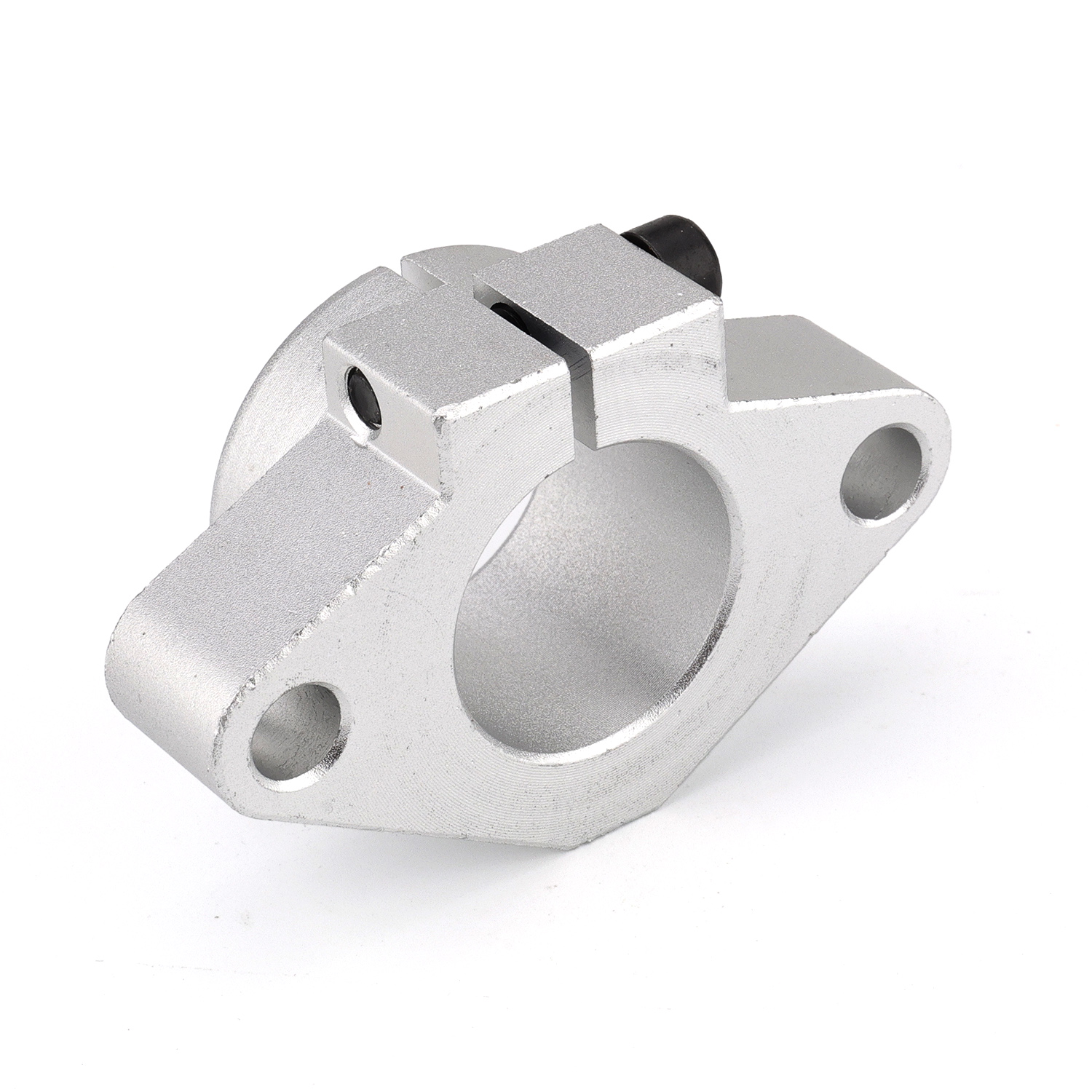
SHF series linear shaft
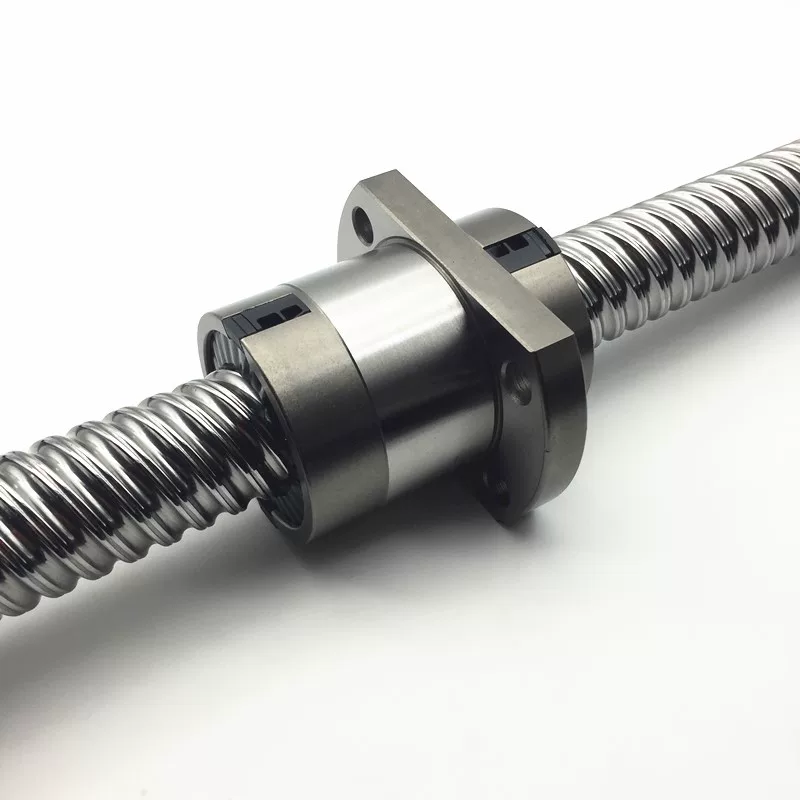
SFY series ball screw
LM series linear shaft bearing
MGW series linear guideway