
 EN
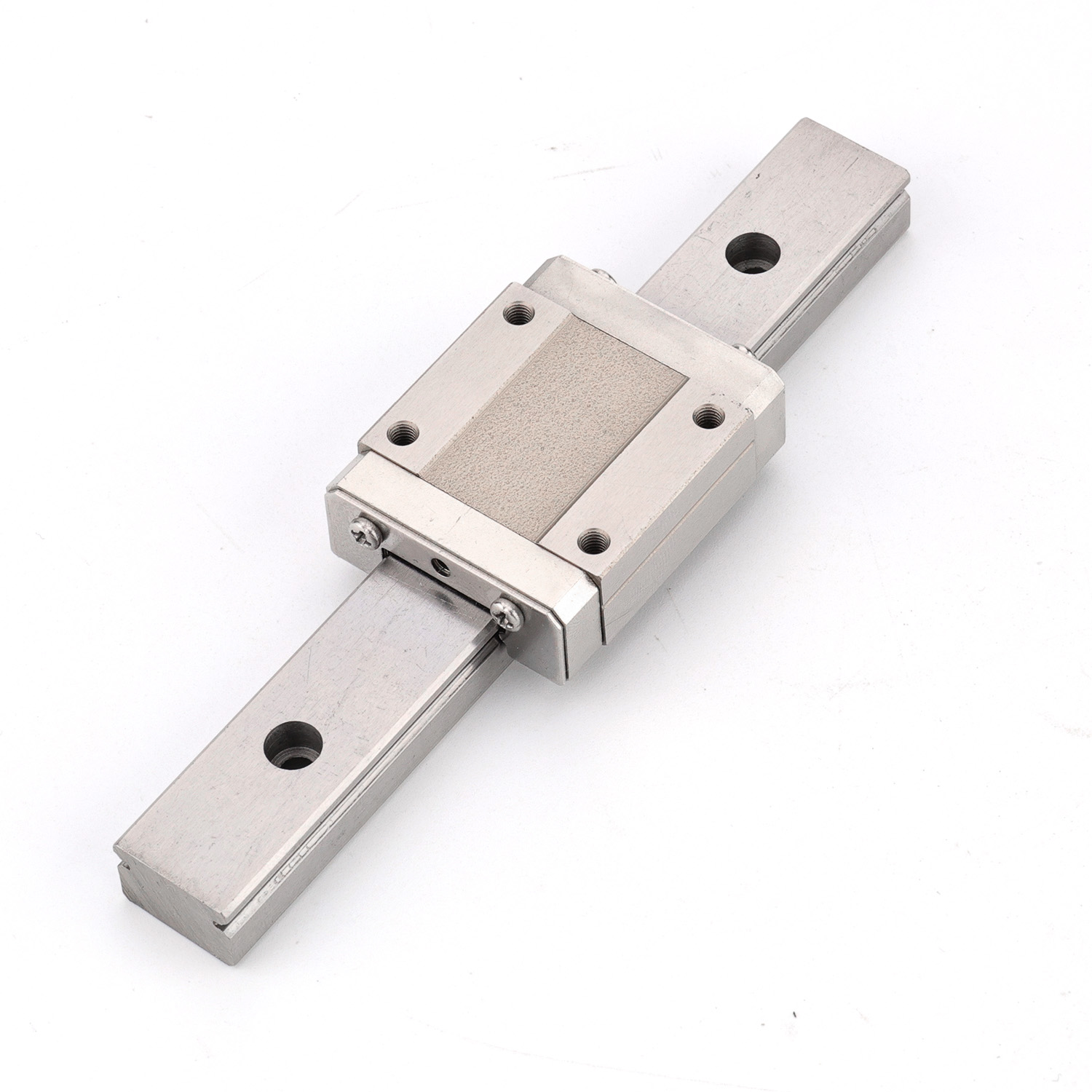
When planning an industrial project, selecting the right components can determine whether your operation succeeds or faces costly downtime. Slide rails are fundamental precision components that directly impact machine performance, product quality, and long-term reliability. Heavy duty slide rails, in particular, have become indispensable in manufacturing environments where load capacity, accuracy, and durability are non-negotiable. Understanding why slide rails matter and how they contribute to project success is essential before making your purchasing decision.
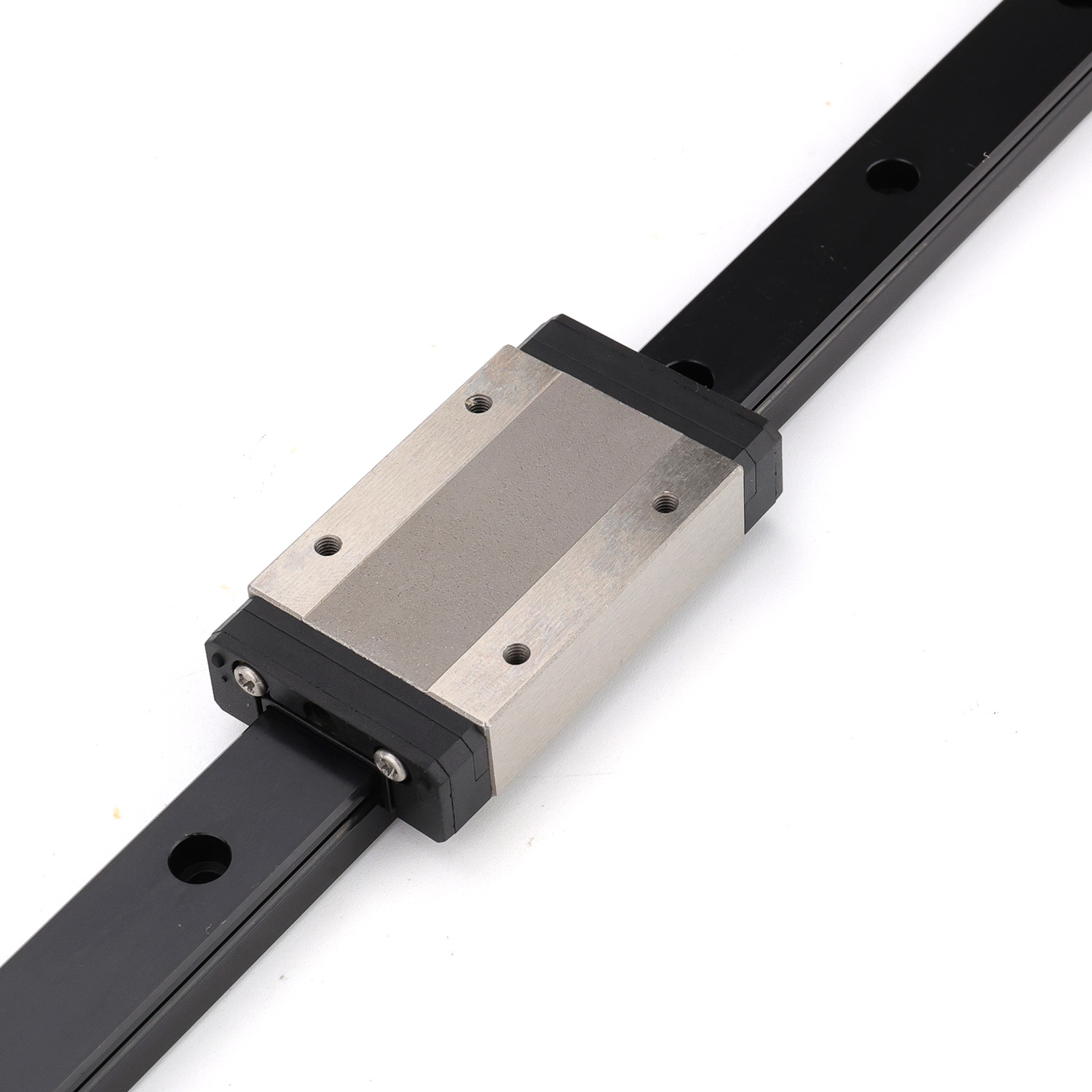
Heavy duty slide rails serve as the backbone of linear motion systems across industries including aerospace, automotive, metalworking, and packaging. These precision components guide moving parts along a fixed path with minimal friction and maximum stability. The performance of your slide rails directly affects machine uptime, product accuracy, and operational costs. Choosing the right slide rails involves understanding load requirements, speed specifications, environmental conditions, and cost efficiency over the equipment lifecycle.
Load Capacity and Structural Reliability
Meeting Demanding Weight Requirements
Industrial machinery often operates under extreme loads that require components engineered for durability. Slide rails must support not just static weight but also dynamic forces generated during acceleration, deceleration, and lateral stress. Heavy duty slide rails are specifically designed with reinforced structures and high-grade materials to handle sustained loads without degradation or wear. This reliability ensures that your production line maintains consistent output without unexpected failures that could halt operations for hours or days.
The engineering behind quality slide rails includes precision-matched rolling elements, hardened steel components, and advanced lubrication systems. Each slide rail system undergoes rigorous testing to verify load ratings and cycle life expectations. When you invest in heavy duty slide rails from a reputable manufacturer, you gain confidence that your equipment will perform under pressure. This structural reliability translates directly into predictable production schedules and reduced maintenance emergencies.
Long-Cycle Performance and Durability
Slide rails are subjected to thousands or millions of cycles during their operational lifetime, making durability a critical selection factor. Heavy duty slide rails are engineered with extended bearing life, fatigue-resistant materials, and protective sealing systems. Unlike standard components, slide rails built for heavy industrial use maintain dimensional accuracy across extended operating periods. This durability reduces unplanned replacements, lowers spare parts inventory costs, and minimizes emergency maintenance calls that disrupt production.
Precision and Positional Accuracy
Consistent Motion and Repeatability
Modern manufacturing demands exceptional accuracy in component positioning and movement. Slide rails provide the foundation for repeatable, precise motion in automated systems. When you select quality slide rails, you ensure that machinery operates with tight tolerances batch after batch. This consistency is particularly important in sectors like semiconductor manufacturing, medical device production, and precision metalworking where even microscopic deviations cause product failure or waste.
Heavy duty slide rails maintain their straightness and alignment even under sustained operational stress. The precision engineering in these components minimizes runout, backlash, and lateral deflection that could compromise product quality. By choosing slide rails designed for precision performance, you reduce scrap rates and rework cycles. The accuracy delivered by properly selected slide rails often pays for itself through improved first-pass yields within the first production quarter.
Thermal Stability and Environmental Consistency
Manufacturing environments vary widely in temperature, humidity, and contamination levels. Slide rails must maintain consistent performance whether operating in heated industrial foundries or temperature-controlled clean rooms. Heavy duty slide rails employ materials and designs that resist thermal expansion and contraction, preserving accuracy across temperature ranges. This environmental stability is essential for maintaining product consistency regardless of season or facility conditions.
Cost Efficiency and Lifecycle Value
Reduced Maintenance Requirements
The cost of ownership for slide rails extends far beyond the initial purchase price. Heavy duty slide rails engineered with advanced sealing systems, self-lubricating elements, and corrosion-resistant coatings require significantly less maintenance than economy alternatives. Reduced lubrication intervals, fewer component replacements, and lower seal maintenance costs accumulate into substantial savings over years of operation. When evaluating slide rails for your project, calculate the total cost of ownership including labor for maintenance and lost production during service visits.
Investing in quality slide rails means spending less time troubleshooting and more time producing. Machine operators spend fewer hours cleaning debris from guide rails or replacing worn seals. Maintenance technicians spend less time on emergency repairs and more time on preventive upkeep. This shift in maintenance dynamics improves overall equipment effectiveness and allows your workforce to focus on production rather than firefighting equipment failures.
Operational Efficiency and Production Output
Slide rails with lower friction coefficients and optimized surface finishes allow machinery to operate at higher speeds with greater efficiency. This performance advantage translates into increased production capacity without additional equipment investment. Heavy duty slide rails often enable faster cycle times while maintaining accuracy, directly boosting output metrics. Many manufacturers report 5 to 15 percent increases in hourly production rates after upgrading to premium slide rails optimized for their specific applications.
Beyond raw speed, quality slide rails reduce energy consumption through minimized friction and improved mechanical efficiency. This energy savings compounds across thousands of operating hours each year. Some advanced slide rails incorporate innovative bearing arrangements that further reduce power requirements while extending service life. The combination of faster cycles, lower energy use, and reduced maintenance creates a compelling business case for equipment upgrades.
Application Versatility and Scalability
Suitable Across Multiple Industries and Machine Types
Heavy duty slide rails serve diverse industrial applications from precision CNC machining to heavy material handling. This versatility means you can standardize on proven slide rail systems across multiple production lines and equipment types. Standardization simplifies spare parts management, reduces training complexity, and enables consolidated procurement negotiations. Whether you operate automotive assembly equipment, food processing machinery, or packaging systems, compatible slide rails streamline your supply chain and reduce operational complexity.
The scalability of modern slide rail systems allows you to start with standard configurations and later customize installations as production needs evolve. Heavy duty slide rails accommodate future production expansions without requiring complete equipment redesigns. This flexibility makes slide rails a smart choice for growing manufacturers who anticipate production increases without knowing exact timing or volume targets.
Integration with Modern Automation Systems
Contemporary manufacturing incorporates extensive automation, requiring slide rails that interface seamlessly with electronic control systems and sensors. Heavy duty slide rails designed for modern integration include features that support position feedback, vibration monitoring, and predictive maintenance analytics. These intelligent slide rails provide real-time performance data that optimizes production scheduling and enables condition-based maintenance strategies. By selecting slide rails compatible with Industry 4.0 concepts, you future-proof your equipment investment and maintain competitiveness as technology standards evolve.
FAQ
What factors should determine my slide rails selection for a specific project?
Key selection factors for slide rails include maximum load requirements, operating speed specifications, required accuracy tolerance, available mounting space, environmental conditions such as temperature and contamination levels, and lifecycle cost targets. Heavy duty slide rails must be matched carefully to application requirements—oversizing drives unnecessary costs while undersizing risks premature failure and downtime. Consulting with application engineers helps ensure slide rails selected align precisely with project demands.
How do heavy duty slide rails compare to standard alternatives in terms of performance?
Heavy duty slide rails offer substantially higher load ratings, extended service life, improved accuracy maintenance, and superior durability compared to standard components. While initial costs exceed economy alternatives, the total cost of ownership typically favors heavy duty slide rails through reduced maintenance, fewer replacements, higher uptime, and improved production efficiency. Many industrial applications cannot function reliably with standard slide rails, making heavy duty options mandatory rather than optional.
How frequently should slide rails undergo maintenance or replacement?
Quality heavy duty slide rails engineered with modern sealing and lubrication systems operate for years with minimal maintenance. Scheduled maintenance typically involves inspections at 500 to 1000 operating hours, periodic lubrication top-ups, and seal condition checks. Replacement timing depends on actual operating cycles, environmental conditions, and maintenance quality. Most industrial slide rails perform reliably for 5 to 10 years before requiring replacement, though some applications achieve longer service life under optimal conditions.