
 EN
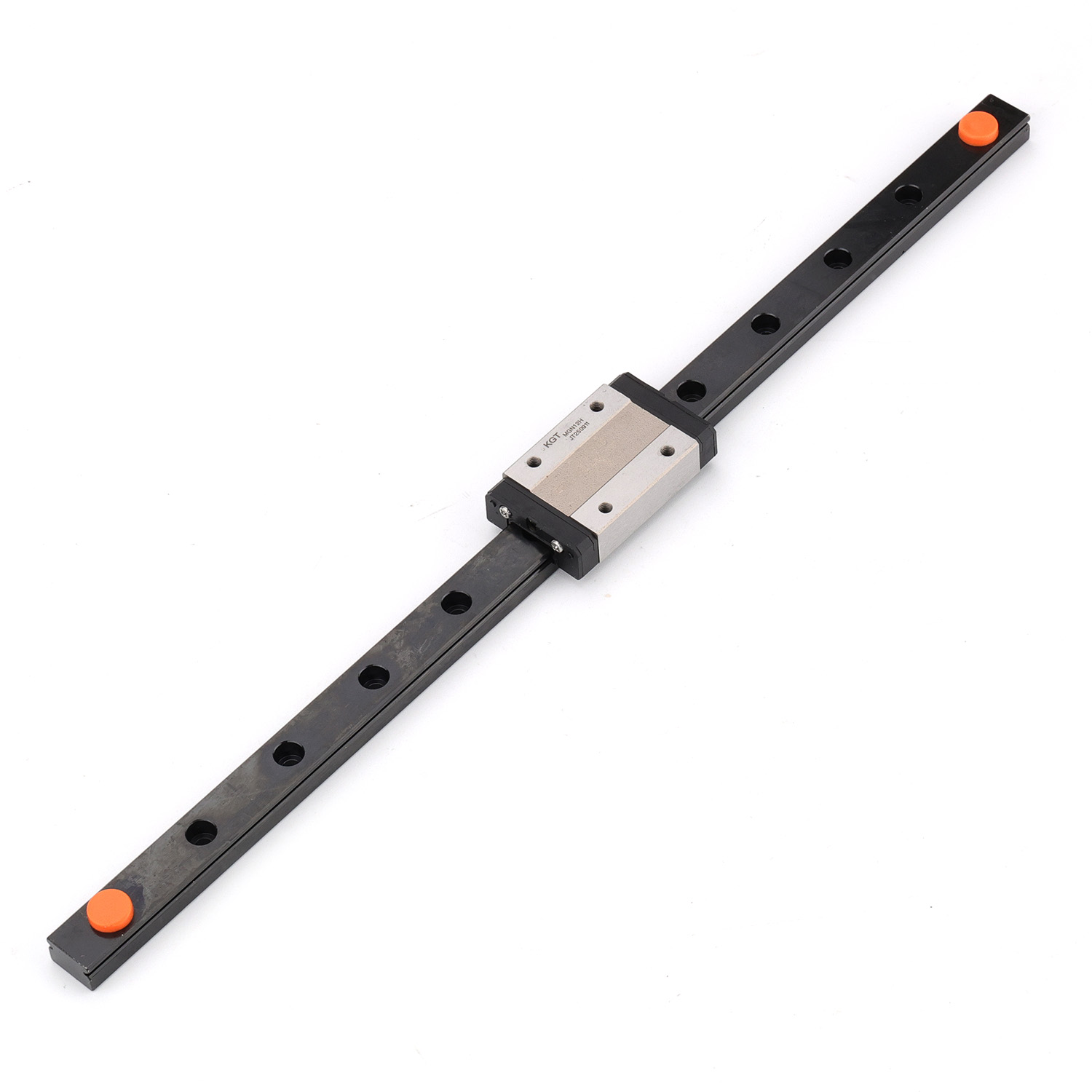
Modern manufacturing and automation depend on components that deliver precision, reliability, and consistent performance under demanding conditions. The slide rail technology has become indispensable in industrial automation because it enables controlled linear motion with exceptional accuracy and minimal maintenance requirements. Without proper linear guidance systems, automated machinery cannot achieve the repeatability and speed that modern production environments demand. Understanding why slide rail systems matter helps manufacturers and system integrators make informed decisions about equipment selection and process optimization.
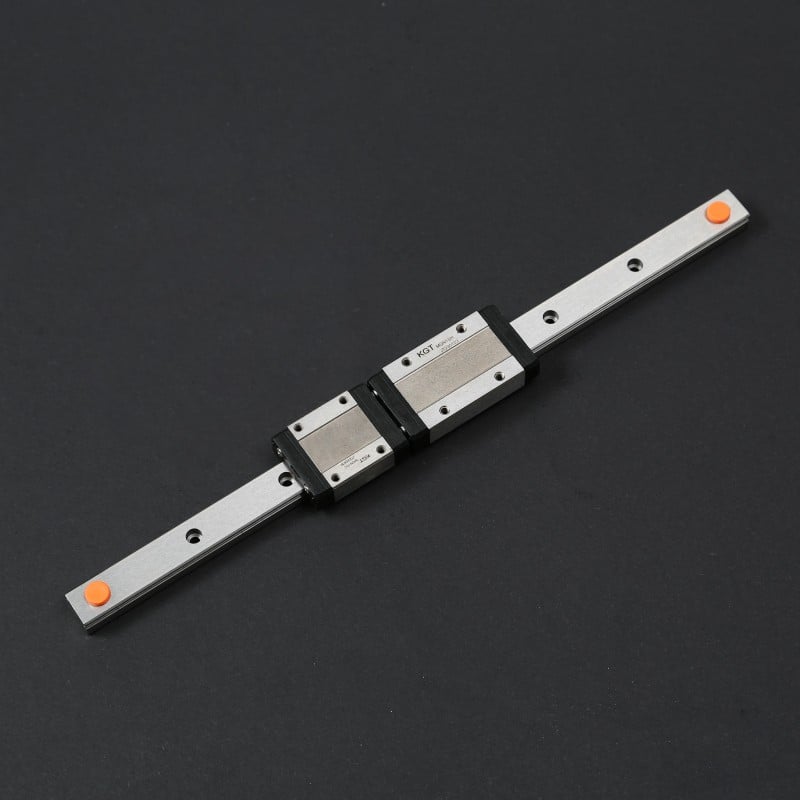
The slide rail operates as the backbone of precision automation, guiding moving components along a fixed axis with minimal friction and maximum stability. Industrial facilities worldwide rely on slide rail systems to support packaging machinery, material handling equipment, CNC machines, and robotic arms. The technology ensures that repetitive motions remain consistent across thousands of cycles, which directly impacts product quality and manufacturing throughput. When slide rail systems perform optimally, production costs decrease while output quality and equipment longevity increase significantly.
Precision and Accuracy Requirements in Modern Automation
How Slide Rail Delivers Consistent Positioning
Automation systems require positioning accuracy measured in fractions of a millimeter to maintain product specifications and avoid defects. A properly engineered slide rail system maintains this precision through high-quality bearing elements that distribute loads evenly across contact points. The slide rail design minimizes runout and eliminates binding, allowing moving components to reach target positions reliably with minimal deviation. This consistency proves especially critical in electronics assembly, pharmaceutical packaging, and automotive component manufacturing where tolerance margins are extremely tight. Without a dependable slide rail solution, even minor variations accumulate over thousands of production cycles, resulting in quality issues and customer returns.
Impact on Product Quality and Output Volume
Production efficiency depends directly on the accuracy that slide rail systems provide. When linear motion components maintain precise alignment and smooth travel, machinery can operate at higher speeds without compromising part quality. The slide rail enables faster cycle times while maintaining consistent dimensional accuracy, which translates to higher output volumes per shift. Advanced automation facilities implementing quality slide rail systems report significant improvements in first-pass yield rates and reduced scrap material. The investment in superior linear guidance technology pays dividends through improved productivity metrics and reduced waste across manufacturing operations.
Reliability and Maintenance Benefits of Slide Rail Systems
Durability Under Continuous Operation
Industrial automation equipment operates continuously in challenging environments where equipment failure disrupts entire production schedules. A robust slide rail system designed for heavy-duty applications withstands millions of cycles while maintaining performance standards. The slide rail technology incorporates sealed bearing elements that protect against contaminants, moisture, and temperature fluctuations common in factory environments. Sealed slide rail designs eliminate the need for frequent lubrication and inspection, reducing maintenance labor and downtime costs. The durability of quality linear guidance systems means manufacturers can plan predictable maintenance intervals rather than dealing with unexpected equipment failures.
Total Cost of Ownership and System Longevity
Although initial investment in premium slide rail systems may exceed budget-tier alternatives, the total cost of ownership strongly favors higher-quality linear guidance solutions. A slide rail system that operates reliably for ten years outperforms cheaper alternatives that require replacement or costly repairs after two or three years. Industrial facilities calculate maintenance expenses, production losses from equipment downtime, and replacement costs when evaluating slide rail investments. The slide rail systems that provide extended service life, minimal maintenance requirements, and consistent performance deliver superior economic value over their operational lifespan. Forward-thinking manufacturers prioritize slide rail quality as a strategic investment in operational stability and profitability.
Application Versatility and Automation Flexibility
Diverse Industrial Applications for Slide Rail
The versatility of slide rail technology enables implementation across virtually every industrial automation scenario. Packaging machinery uses slide rail systems for precise product positioning during wrapping, labeling, and boxing operations. Semiconductor manufacturing facilities depend on slide rail guidance for wafer handling equipment that must maintain nanometer-level precision. Food processing and beverage production lines utilize slide rail systems in filling, capping, and sorting machinery that operates continuously. Automotive assembly plants integrate slide rail components into robotic welding systems, part feeders, and inspection equipment. The slide rail adaptability to different load requirements, speed specifications, and environmental conditions makes it essential for meeting diverse automation demands.
Customization and System Integration Capabilities
Modern automation projects often require customized linear motion solutions that standard components cannot provide. Manufacturers can configure slide rail systems with various bearing preloads, lengths, and load ratings to match specific application requirements. The slide rail technology integrates seamlessly with servo motors, pneumatic actuators, and programmable controllers used in contemporary automation systems. Engineers can combine multiple slide rail guides in parallel or perpendicular arrangements to create multidimensional motion systems. The flexibility to adapt slide rail configurations to unique application requirements enables system integrators to design innovative automation solutions that provide competitive advantages for their customers.
FAQ
What makes slide rail systems different from simpler linear motion alternatives?
Slide rail systems provide superior precision, repeatability, and load capacity compared to basic linear motion solutions like simple rails or bushings. A quality slide rail uses recirculating ball bearing elements that maintain tight tolerances and minimize friction throughout millions of operating cycles. The slide rail design distributes loads across multiple contact points, enabling equipment to operate at higher speeds while maintaining accuracy. Superior bearing design also reduces maintenance requirements and extends service intervals significantly beyond what simpler linear guidance methods can achieve.
How does slide rail technology improve automation system reliability?
Sealed slide rail systems eliminate contaminant ingress and reduce wear rates dramatically, which translates to predictable equipment performance and fewer unexpected failures. The slide rail components engineered for industrial use withstand thermal expansion, vibration, and shock loads that degrade lesser-quality linear guidance systems. Enhanced reliability means production managers can schedule preventive maintenance during planned downtime rather than dealing with emergency repairs. The slide rail investment in quality directly reduces unplanned equipment downtime and the associated production losses and expedited repair expenses.
Can slide rail systems accommodate high-speed automation requirements?
Modern slide rail designs specifically engineered for high-speed applications enable rapid acceleration and smooth travel at velocities that exceed speeds achievable with conventional linear guidance. The slide rail bearing preload and cage design can be optimized to reduce friction and maintain stability during rapid motion cycles. High-performance slide rail systems support faster cycle times without sacrificing positioning accuracy, which directly increases production output. Selecting slide rail components rated for target operating speeds ensures automation equipment can achieve desired productivity levels safely and reliably.