
 EN
EN
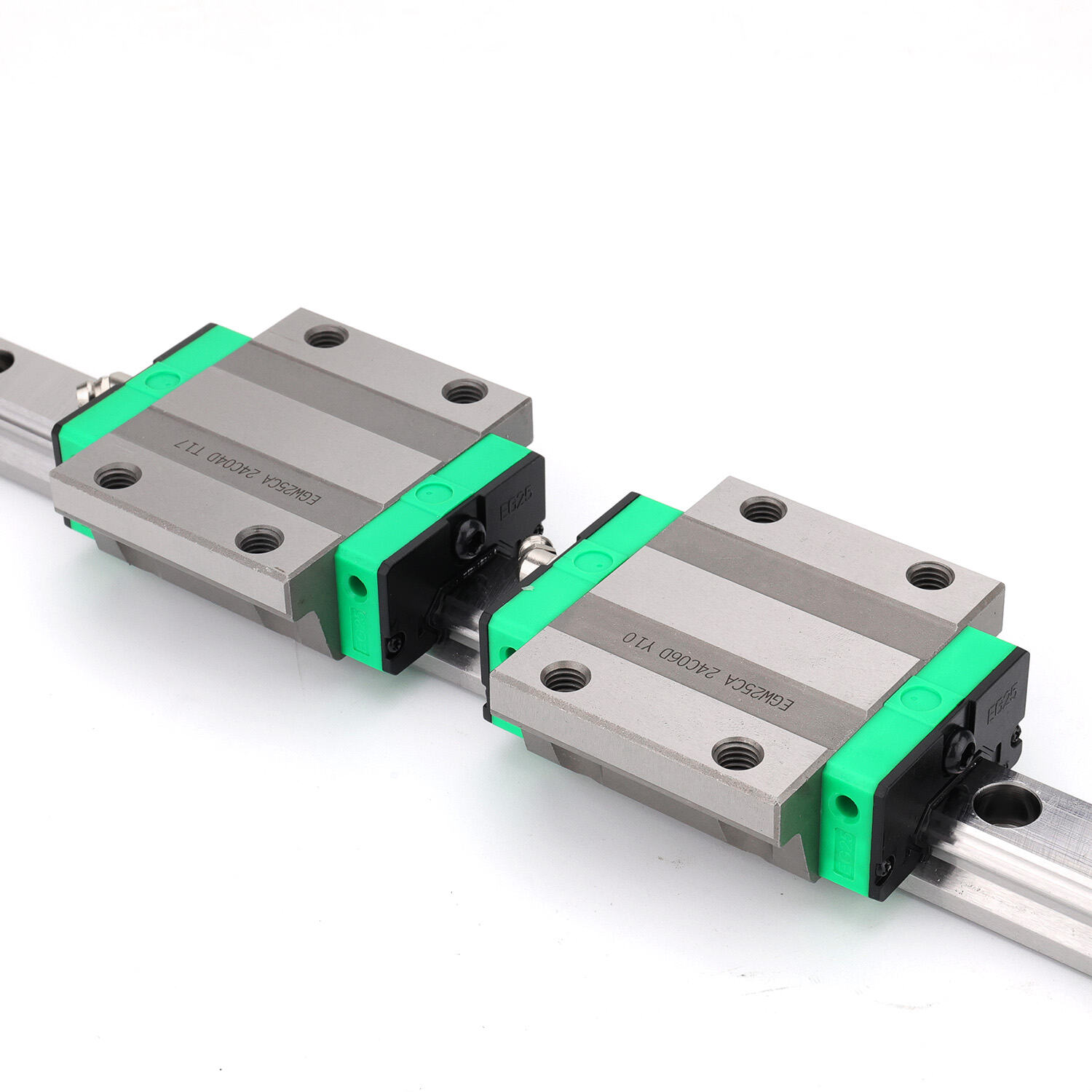
Modern üretim ortamları, her bileşen seçimi için hassasiyet, güvenilirlik ve maliyet etkinliğini gerektirir. Doğrusal hareket sistemleri söz konusu olduğunda, kaydırma rayları, üretim verimliliğini, ekipman ömrünü ve genel işletme maliyetlerini doğrudan etkileyen kritik bir altyapı unsuru temsil eder. OEM üreticileri, özelleştirilebilir kaplama seçenekleriyle yüksek kaliteli kaydırma rayları tedarik etmenin, katı bütçe sınırlarını korurken rekabet avantajlarını önemli ölçüde artırabileceğini giderek daha iyi kavramaktadır. Krom veya nikel kaplamalı kaydırma raylarının stratejik seçilmesi, üreticilere performans özellikleri ile ekonomik uygulanabilirlik arasında optimum denge sunar ve bu nedenle akıllı satın alma kararları açısından temel bir değerlendirme unsuru haline gelir.
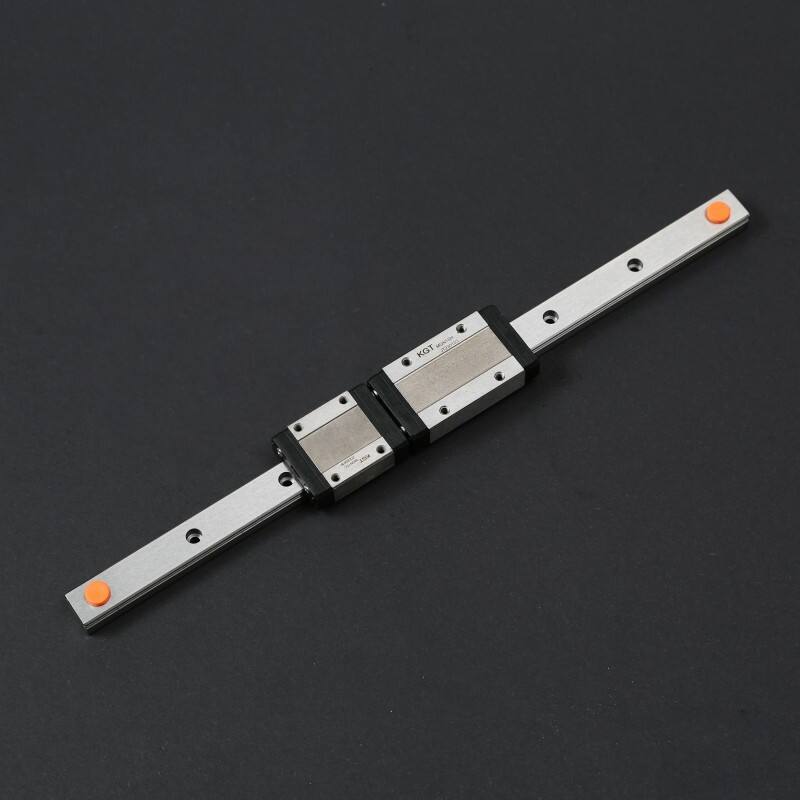
Üretim Uygulamalarında Kaydırma Rayı Teknolojisinin Anlaşılması
Temel Tasarım İlkeleri ve Mekaniği
Kayar rayların arkasındaki mühendislik, çeşitli yük koşulları altında pürüzsüz ve hassas doğrusal hareketi sağlayan karmaşık mekanik prensiplerden oluşur. Bu sistemler genellikle sürtünmeyi en aza indirirken taşıma kapasitesini maksimize eden, hassas işlenmiş yüzeylere sahip sertleştirilmiş çelikten üretilir. Temel tasarım, uygulanan kuvvetleri birden fazla temas noktasına eşit şekilde dağıtmaya odaklanır; bu da aşınma desenlerini azaltarak işletme ömrünü uzatır. Gelişmiş kayar raylar, zorlu endüstriyel ortamlarda bile tutarlı performansı koruyan entegre yağlama sistemleri ve mühürlü rulman gruplarına sahiptir.
Malzeme bilimi, kaydırma raylarının performansında kritik bir rol oynar; üreticiler, optimal sertlik-esneklik oranları sağlayan özel çelik alaşımları kullanır. Temel malzeme, kesin sertlik özelliklerini elde etmek için titiz ısı işlemi süreçlerine tabi tutulur ve bu da sıcaklık değişimleri boyunca tutarlı bir performans sağlar. Taşlama ve parlatma işlemleri gibi yüzey hazırlama teknikleri, sürtünme katsayısını azaltırken eşit temas desenlerini destekleyen ayna parlaklığında yüzeyler oluşturur. Bu üretim süreçleri, sonraki kaplama işlemlerinin etkinliğini doğrudan etkiler.
Yük Kapasitesi ve Performans Özellikleri
Kayar raylar için yük taşıma kapasitesi hesaplamaları, hem statik hem de dinamik yükleme koşullarını dikkate alan karmaşık mühendislik analizlerini içerir. Mühendisler, uygun boyutlandırma ve konfigürasyon gereksinimlerini belirlemek amacıyla radyal yükleri, moment yüklerini ve itme kuvvetlerini değerlendirmelidir. Dinamik yük derecelendirmeleri genellikle sürekli çalışma altında sürdürülebilen maksimum yükü temsil ederken, statik derecelendirmeler duraklama koşullarında ulaşılabilen tepe yük kapasitesini gösterir. Bu özellikler, belirli uygulamalar için seçim kriterlerini doğrudan etkiler ve uzun vadeli güvenilirlik beklentilerini belirler.
Performans özellikleri, basit yük derecelendirmelerini aşarak doğruluk sınıflandırmalarını, ön yükleme seçeneklerini ve çevre direnci özelliklerini de kapsar. Hassas kaydırma rayları, standart endüstriyel sınıflardan alt mikron düzeyinde konumlandırma doğruluğu gerektiren ultra-hassas uygulamalara kadar değişen doğruluk sınıflandırmaları sunar. Ön yükleme seçimi, sistemin rijitliğini etkiler ve bileşenler arasındaki boşluğu ortadan kaldırır; buna karşılık çevre sınıfı değerlendirmeleri, sıcaklık uç değerleri, kimyasallara maruziyet ve kirlenme direnci gibi zorlu çalışma koşulları için uygunluğu belirler.
Endüstriyel Kaydırma Rayları İçin Krom Kaplama Avantajları
Korozyon Direnci ve Çevresel Koruma
Krom kaplama, zorlu endüstriyel ortamlarda kayar rayların hizmet ömrünü önemli ölçüde uzatan olağanüstü korozyon direnci sağlar. Krom katmanı, nem penetrasyonunu ve kimyasal saldırıyı önleyen pasif bir oksit bariyeri oluşturur; bu nedenle krom kaplı kayar raylar, nem, tuz sisine veya hafif kimyasal etkilere maruz kalınan uygulamalar için idealdir. Bu koruyucu özellik, bakım gereksinimlerini azaltır ve korozyona bağlı arızalardan kaynaklanan beklenmedik duruş sürelerini en aza indirir. Krom kaplamanın dayanıklılığı, yaşam döngüsü maliyetlerindeki azalma yoluyla genellikle daha yüksek başlangıç yatırım maliyetlerini haklı çıkarır.
Çevre koruma, genellikle üretim ortamlarında biriken partikül kirliliğine ve aşınma kalıntılarına karşı direnç içerir. Krom yüzeyler, endüstriyel çözücüler ve deterjanlar kullanılarak tekrarlayan temizleme döngülerinden sonra bile koruyucu özelliklerini korur. Sert krom katmanı, alttaki çelik alt tabakayı zarara uğratabilecek çizilmelere ve kazımalara karşı dirençlidir. Bu çevre dayanıklılığı, kirlilik kontrolünün kritik olduğu gıda işleme, ilaç üretimi ve temiz oda uygulamaları gibi alanlarda krom kaplı kaydırma raylarının özellikle uygun olmasını sağlar.
Yüzey Sertliği ve Aşınma Özellikleri
Krom kaplamanın üstün yüzey sertliği, kaplanmamış çelik yüzeylere kıyasla aşınmaya dayanıklılığı önemli ölçüde artırır. Sert krom genellikle 800–1000 HV aralığında sertlik değerlerine ulaşır ve bu değer, standart rulman çeliklerinin sertliğini önemli ölçüde geçer. Bu artmış sertlik, yüksek çevrim sayısına maruz kalan uygulamalarda aşınma oranlarının azalmasını sağlar ve uzun süreli işletme süreçleri boyunca hassas boyutsal toleransların korunmasını sağlar. Krom kaplamanın aşınmaya dayanıklılık özellikleri, kaydırma raylarının talepkar çalışma döngüleri altında bile sorunsuz çalışmasını sağlar.
Aşınma deseni analizi, krom kaplı yüzeylerin alternatif yüzey işlemlerine kıyasla daha homojen aşınma karakteristikleri geliştirdiğini göstermektedir. Tutarlı sertlik dağılımı, kritik uygulamalarda genellikle erken arızaya yol açan yerel aşınma yoğunlaşmalarını önler. Krom kaplama, uygun yatak malzemeleriyle birlikte kullanıldığında ayrıca mükemmel yapışma direnci gösterir ve felaket sonuçlu arızalara neden olabilen yapışkan aşınma mekanizmalarının oluşum eğilimini azaltır. Bu aşınma özellikleri, öngörülebilir bakım programları ve güvenilir performans tahminleri sağlar.
Nikel Kaplamanın Avantajları ve Maliyet Değerlendirmesi
Yüksek Hacimli Üretimde Ekonomik Avantajlar
Nikel kaplama, temel performans özelliklerini korumakta bir eksiklik yaratmaksızın büyük miktarlarda kaydırma rayı gerektiren OEM üreticileri için önemli ekonomik avantajlar sunar. Nikelin elektrokaplama işlemi, genellikle krom kaplamadan daha maliyet etkin olup aynı zamanda kaplanmamış yüzeylere kıyasla önemli iyileştirmeler sağlar. Son aşamada korozyon direnci ana gereksinim değilse, üreticiler nikel kaplı kaydırma raylarını tercih ederek üretim tesislerinde önemli ölçüde maliyet tasarrufu sağlayabilirler. Hacim bazlı satın alma anlaşmaları, tutarlı nikel kaplama spesifikasyonlarına bağlı kalan üreticilere ek maliyet avantajları da sunar.
Nikel kaplama işleminin verimliliği, alternatif yüzey işlemlerine kıyasla daha kısa teslim süreleri ve daha esnek üretim planlaması sağlar. Nikel elektrokaplama hatları genellikle daha yüksek üretim kapasitesiyle çalışır ve sert krom işlemlerine göre daha az karmaşık süreç kontrolü gerektirir. Bu verimlilik, OEM müşterilere aktarılabilecek şekilde üretim maliyetlerinin azalmasını sağlar; bu durum kabul edilebilir kar marjlarının korunmasını da mümkün kılar. Ekonomik avantajlar, birim maliyetin kritik bir rekabet unsuru olduğu yüksek hacimli üretim senaryolarında özellikle belirgin hale gelir.
Performans Dengesi ve Uygulama Uygunluğu
Nikel kaplama, aşırı çevre koşullarıyla karşılaşılmayan birçok endüstriyel uygulama için optimal bir performans dengesi sağlar. Nikel kaplamanın koruyucu özellikleri, iç mekânlardaki üretim ortamları için yeterli korozyon direnci sunarken aynı zamanda çıplak çelikle kıyaslandığında geliştirilmiş yüzey özelliklerine de sahip olur. Bu denge, nikel kaplı kaydırma rayları ürünleri, yüksek fiyat ödemeden performans artışı arayan maliyet bilincine sahip üreticiler için özellikle çekici hale getirir.
Uygulama uygunluk analizi, nikel kaplamanın otomasyon ekipmanları, malzeme taşıma sistemleri ve genel endüstriyel makinalar gibi orta düzey yük altında çalışan uygulamalarda olağanüstü performans gösterdiğini göstermektedir. Nikel kaplamanın yüzey özellikleri, tipik endüstriyel çalışma döngüleri için yeterli aşınma direnci sağlarken etkili yağlama tutunumunu destekler. Üreticiler, standart sıcaklık aralıkları, orta düzey yükleme koşulları ve kontrollü çevresel maruziyet içeren uygulamalar için nikel kaplı kaydırma raylarını güvenle belirtebilir.
Özel Üretim ve OEM Entegrasyon Stratejileri
Spesifikasyon Geliştirme ve Gereksinim Analizi
Özel kayar raylar için kapsamlı teknik özelliklerin geliştirilmesi, uygulama gereksinimlerinin, çevresel koşulların ve performans beklentilerinin titizlikle analiz edilmesini gerektirir. OEM mühendisleri, optimal kayar ray konfigürasyonlarını belirlemek amacıyla yük profillerini, çalışma döngülerini, doğruluk gereksinimlerini ve çevresel etkilere maruz kalma durumunu değerlendirmelidir. Özel teknik özellikler, hedeflenen uygulamaya özel olarak montaj gereksinimlerini, arayüz boyutlarını ve entegrasyon kısıtlarını ele almalıdır. Bu analiz aşaması, maliyetli yeniden tasarım çabalarını önler ve nihai uygulamada optimum performansın sağlanmasını garanti eder.
Gereksinim analizi, başlangıçta yapılan satın alma maliyetleri, bakım harcamaları ve değiştirme aralıkları da dahil olmak üzere yaşam döngüsü maliyeti değerlendirmelerini içermelidir. Mühendisler, işlevsel gereksinimleri karşılayan ve aynı zamanda rekabetçi fiyatlandırma hedeflerini destekleyen teknik şartnameler geliştirebilmek için performans gereksinimleri ile maliyet kısıtlamaları arasında denge kurmak zorundadır. Özel kayar ray teknik şartnameleri, üretim uzmanlığını değerlendirmek ve potansiyel maliyet optimizasyonu fırsatlarını belirlemek amacıyla tedarikçilerin erken dönem katılımından yararlanmalıdır. Bu iş birlikçi yaklaşım, genellikle performansı korurken toplam maliyetleri azaltan alternatif tasarım yaklaşımlarını ortaya çıkarır.
Kalite Kontrolü ve Test Protokolleri
Güçlü kalite kontrol protokollerinin uygulanması, özel kayar ray üretim partileri boyunca tutarlı performansı sağlar. Test protokolleri, boyutsal doğruluk, yüzey işleyiş kalitesi, yük taşıma kapasitesi sınıflandırmaları ve kaplama kalınlığı spesifikasyonlarını doğrulamalıdır. İstatistiksel süreç kontrol yöntemleri, üretim programlarını etkilemeden önce kalite düşüşlerini tespit etmeye ve bunları önlemeye yardımcı olur. Kalite belgeleri, izlenebilirlik sağlar ve uzun vadeli tedarikçi ilişkilerini güçlendiren sürekli iyileştirme girişimlerini destekler.
Gelişmiş test protokolleri, hızlandırılmış yaşam testleri, çevresel simülasyon ve benzetilmiş işletme koşulları altında performans doğrulamasını içerebilir. Bu kapsamlı test yaklaşımları, kayar rayların kritik üretim sistemlerine entegre edilmesinden önce performanslarına dair güven sağlar. Kalite kontrol prosedürleri ayrıca, kayar rayların tedarik zinciri boyunca durumunu korumak için ambalajlama, taşıma ve depolama gereksinimlerini de ele almalıdır. Uygun kalite yönetimi, garanti taleplerini azaltır ve güvenilir OEM üretim programlarını destekler.
Tedarik Zinciri Optimizasyonu ve Tedarik Stratejileri
Tedarikçi Seçimi ve İlişki Yönetimi
Özel kaydırma rayları için uygun tedarikçilerin seçilmesi, üretim yeteneklerinin, kalite sistemlerinin ve teknik uzmanlığın değerlendirilmesini gerektirir. Tedarikçiler, benzer uygulamalara yönelik deneyime sahip olmalı ve kalite yönetimi ile çevresel uyumluluk açısından gerekli sertifikalara sahip olmalıdır. Teknik yeteneklerin değerlendirilmesi, üretim ekipmanlarının, süreç kontrol sistemlerinin ve mühendislik destek kaynaklarının analizini içermelidir. Uzun vadeli tedarikçi ilişkileri, açık iletişim kanalları ve iş birliğine dayalı sorun çözme yaklaşımlarından fayda sağlar.
İlişki yönetimi stratejileri, karşılıklı faydaya ve sürekli iyileştirme girişimlerine vurgu yapmalıdır. Düzenli tedarikçi denetimleri, kalite standartlarının korunmasına yardımcı olur ve maliyet azaltma veya performans artırma fırsatlarını belirlemeyi sağlar. Süreç iyileştirmelerine ve teknoloji güncellemelerine yatırım yapan tedarikçiler, yalnızca fiyat rekabetine odaklananlara kıyasla genellikle daha iyi uzun vadeli değer sunar. Nitelikli tedarikçilerle kurulan stratejik ortaklıklar, öncelikli tahsis, teknik destek ve iş birliğine dayalı ürün geliştirme yoluyla rekabet avantajı sağlayabilir.
Stok Yönetimi ve Teslim Süresi Optimizasyonu
Kayar raylar için etkili envanter yönetimi, taşıma maliyetleri ile stokta tükenme riskleri ve üretim kesintileri arasındaki dengeyi sağlamayı gerektirir. Talep tahmini, kayar ray tüketim modellerini etkileyen mevsimsel dalgalanmaları, piyasa trendlerini ve üretim programı değişikliklerini dikkate almalıdır. Emniyet stoku hesaplamaları, tedarikçi teslimat sürelerini, kalite varyasyonlarını ve taşıma belirsizliklerini göz önünde bulundurmalıdır. Gelişmiş envanter yönetim sistemleri, toplam envanter maliyetlerini en aza indirirken stok seviyelerini optimize edebilir.
Teslimat süresi optimizasyonu stratejileri arasında tedarikçi geliştirme programları, alternatif tedarik düzenleme yöntemleri ve karmaşıklığı azaltan standartlaştırma girişimleri yer alır. Uygun ham madde stoklarını sürdüren ve esnek üretim planlaması gösteren tedarikçiler, dinamik piyasa koşullarında önemli avantajlar sağlar. Teslimat süresi kısaltma çabaları, malzeme temini, üretim süreçleri, kalite kontrolü ve lojistik koordinasyonu da dahil olmak üzere tüm tedarik zincirini dikkate almalıdır. Optimize edilmiş teslimat süreleri, zayıf (lean) üretim hedeflerini destekler ve müşteriye yanıt verme kapasitesini artırır.
Kurulum ve Bakım En İyi Uygulamalar
Doğru Montaj Teknikleri ve Hizalama Prosedürleri
Kayar rayların optimal performans göstermesi için doğru kurulum prosedürleri, kaplama özelliklerinden bağımsız olarak kritik öneme sahiptir. Hizalama doğruluğu, kullanım ömrü boyunca yük dağılımını, aşınma desenlerini ve işlevsel pürüzsüzlüğü doğrudan etkiler. Kurulum ekipleri, spesifikasyonların karşılandığından emin olmak için saatli ölçüm aletleri, lazer hizalama araçları ve kalibre edilmiş tork anahtarları gibi hassas ölçüm ekipmanlarını kullanmalıdır. Uygun kurulum teknikleri, erken aşınmayı önler ve kayar raylar ile ilgili bileşenlerin hem kendilerinin hem de ilişkili parçalarının garanti kapsamını korur.
Kayar ray montaj yüzeyleri için yüzey hazırlama gereksinimleri, doğru hizalamayı destekleyen temizlik, düzgünlük ve uygun yüzey işleyişini içerir. Montaj cıvataları ile ilgili teknik özellikler, doğru tork değerlerini, dişli temas uzunluğunu ve yük dağılımı hususlarını ele almalıdır. Montaj belgeleri, hizalama ölçümlerini, tork değerlerini ve standart prosedürlerden herhangi bir sapmayı kaydetmelidir. Bu belgeler, sorun giderme çabalarını destekler ve gelecekteki montajlar için değerli geri bildirim sağlar.
Önleyici Bakım Programları ve Yağlama Gereksinimleri
Kayar raylar için önleyici bakım programları, uygulama gereksinimlerine ve çevresel koşullara bağlı olarak yağlama programlarını, muayene aralıklarını ve değiştirme kriterlerini ele almalıdır. Yağlama malzemesi seçimi, kaplama malzemeleriyle uyumluluk, çalışma sıcaklıkları ve kirlenme maruziyeti dikkate alınarak yapılmalıdır. Krom ve nikel kaplı yüzeyler, yüzey bozulmasına neden olmadan etkinliğini koruyan özel yağlayıcı formülasyonları gerektirebilir. Düzenli bakım programları, üretim operasyonlarını etkilemeden önce olası sorunların tespit edilmesine yardımcı olur.
Titreşim analizi, sıcaklık izleme ve görsel muayene gibi durum izleme teknikleri, gelişmekte olan sorunlara erken uyarı sağlar. Bakım ekipleri bulguları belgelendirmeli ve performans eğilimlerini takip etmeli; böylece bakım aralıklarını ve prosedürlerini optimize edebilirler. Uygun bakım uygulamaları, kaydırma raylarının hizmet ömrünü uzatır ve işletme süresi boyunca performans özelliklerini korur. İyi bakımlı kaydırma rayları genellikle tasarım ömrü beklentilerini aşar ve üstün bir yatırım getirisi sağlar.
SSS
Kaydırma rayları için krom kaplama ile nikel kaplama arasındaki temel farklar nelerdir?
Krom kaplama, nikel kaplamaya kıyasla üstün sertlik ve korozyon direnci sunar; bu da onu zorlu ortamlar ve yüksek aşınma uygulamaları için ideal hale getirir. Krom genellikle 800–1000 HV sertlik seviyeleri ve olağanüstü kimyasal direnç sağlar. Nikel kaplama ise daha ekonomik bir maliyetle iyi korozyon koruması ve aşınma direnci sunar; bu nedenle iç mekân uygulamaları ve orta düzey yük çevrimleri için uygundur. Krom ile nikel arasındaki seçim, belirli uygulama gereksinimlerine ve maliyet unsurlarına bağlıdır.
Kayar ray uygulamam için uygun yük kapasitesini nasıl belirlerim?
Yük taşıma kapasitesinin belirlenmesi, radyal yükler, moment yükleri ve itme kuvvetleri de dahil olmak üzere statik ve dinamik yükleme koşullarının analizini gerektirir. Mühendisler, beklenen maksimum yükleri hesaplamalı ve uygulamanın kritikliğine göre uygun güvenlik katsayılarını uygulamalıdır. Dinamik yük derecelendirmeleri, sürekli çalışma altında sürdürülebilir yükleri temsil ederken, statik derecelendirmeler maksimum anlık yükleri gösterir. Kritik uygulamalar veya karmaşık yükleme senaryoları için profesyonel mühendislik danışmanlığı önerilir.
Endüstriyel ortamlarda kaplama yapılmış kaydırma raylarının ömrünü etkileyen faktörler nelerdir
Sıcaklık aşırılıkları, nem, kimyasallara maruz kalma ve kirlenme gibi çevresel faktörler, raylı kaydırma sistemlerinin ömrünü önemli ölçüde etkiler. Uygun yağlama, düzenli bakım ve doğru montaj da bu ömrü etkiler. Yük koşulları, çalışma döngüleri ve çalışma hızları aşınma oranlarını ve genel kullanım ömrünü etkiler. Krom kaplı kaydırma rayları, zorlu ortamlarda genellikle daha uzun kullanım ömrü sunarken nikel kaplı seçenekler orta düzey koşullar için yeterli ömür sağlar.
Özelleştirilmiş kaydırma rayları, ilk üretimden sonra farklı uygulamalar için değiştirilebilir mi?
Sınırlı değişiklikler, gerekli olan belirli değişikliklere ve orijinal kaydırma rayı tasarımına bağlı olarak mümkün olabilir. Ek montaj delikleri açmak veya uzunlukları ayarlamak gibi basit değişiklikler uygulanabilirken, yük yollarını veya kritik boyutları etkileyen değişiklikler genellikle yeni üretim gerektirir. Kalite ve garanti hususları nedeniyle kaplama değişiklikleri, başlangıçtaki üretimden sonra genellikle önerilmez. Üretim sonrası değişiklik ihtiyacını önlemek için erken spesifikasyon geliştirilmesi yardımcı olur.
İçindekiler
- Üretim Uygulamalarında Kaydırma Rayı Teknolojisinin Anlaşılması
- Endüstriyel Kaydırma Rayları İçin Krom Kaplama Avantajları
- Nikel Kaplamanın Avantajları ve Maliyet Değerlendirmesi
- Özel Üretim ve OEM Entegrasyon Stratejileri
- Tedarik Zinciri Optimizasyonu ve Tedarik Stratejileri
- Kurulum ve Bakım En İyi Uygulamalar
-
SSS
- Kaydırma rayları için krom kaplama ile nikel kaplama arasındaki temel farklar nelerdir?
- Kayar ray uygulamam için uygun yük kapasitesini nasıl belirlerim?
- Endüstriyel ortamlarda kaplama yapılmış kaydırma raylarının ömrünü etkileyen faktörler nelerdir
- Özelleştirilmiş kaydırma rayları, ilk üretimden sonra farklı uygulamalar için değiştirilebilir mi?