
 EN
EN
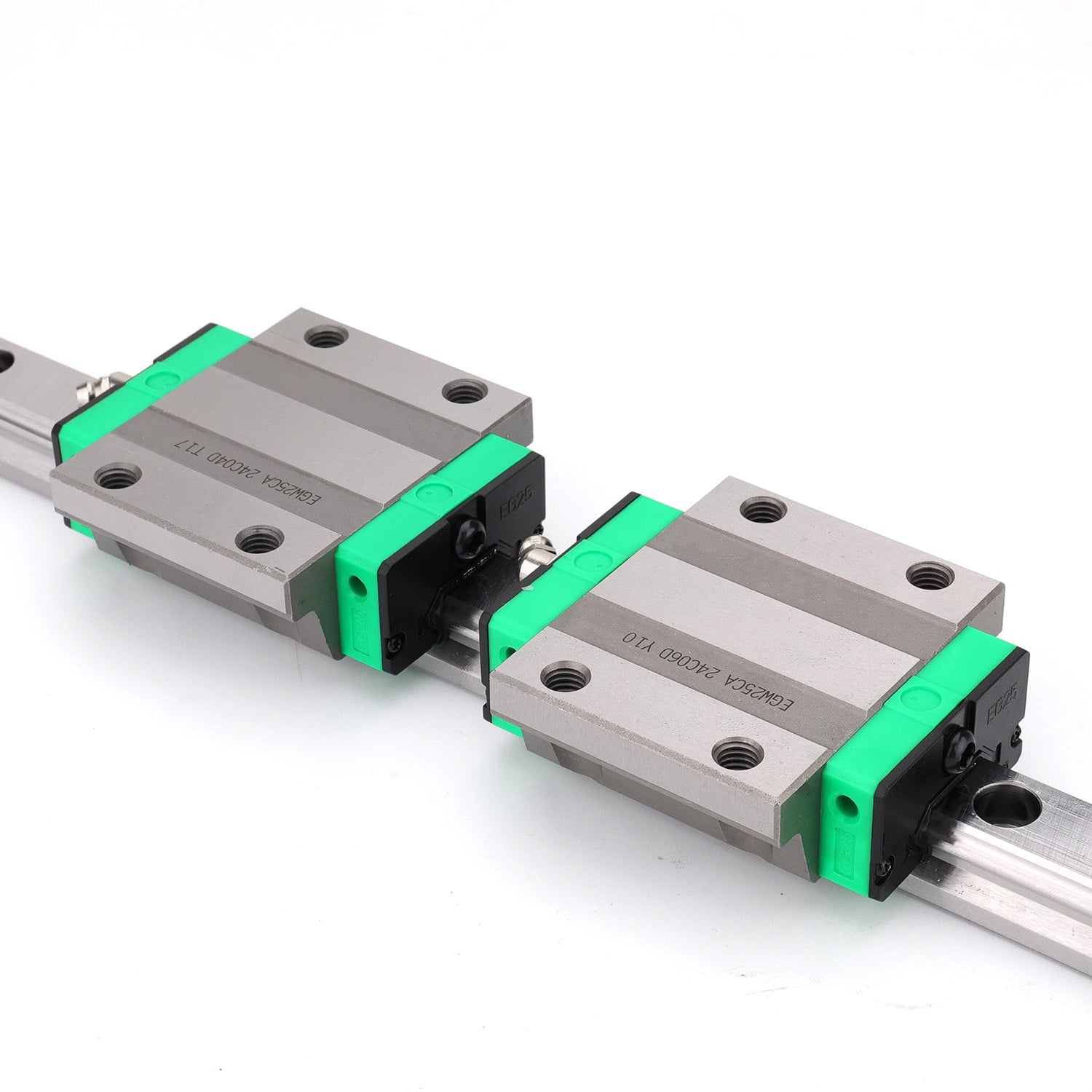
Modern automation depends on components that deliver precise, repeatable motion across thousands or millions of cycles. Among these components, sliding rails stand out as one of the most foundational elements in any automated machine or production line. Without reliable sliding rails, even the most advanced servo motors and control systems cannot translate electrical commands into accurate physical movement. Understanding what makes sliding rails essential helps engineers, procurement managers, and system integrators make better design and sourcing decisions.
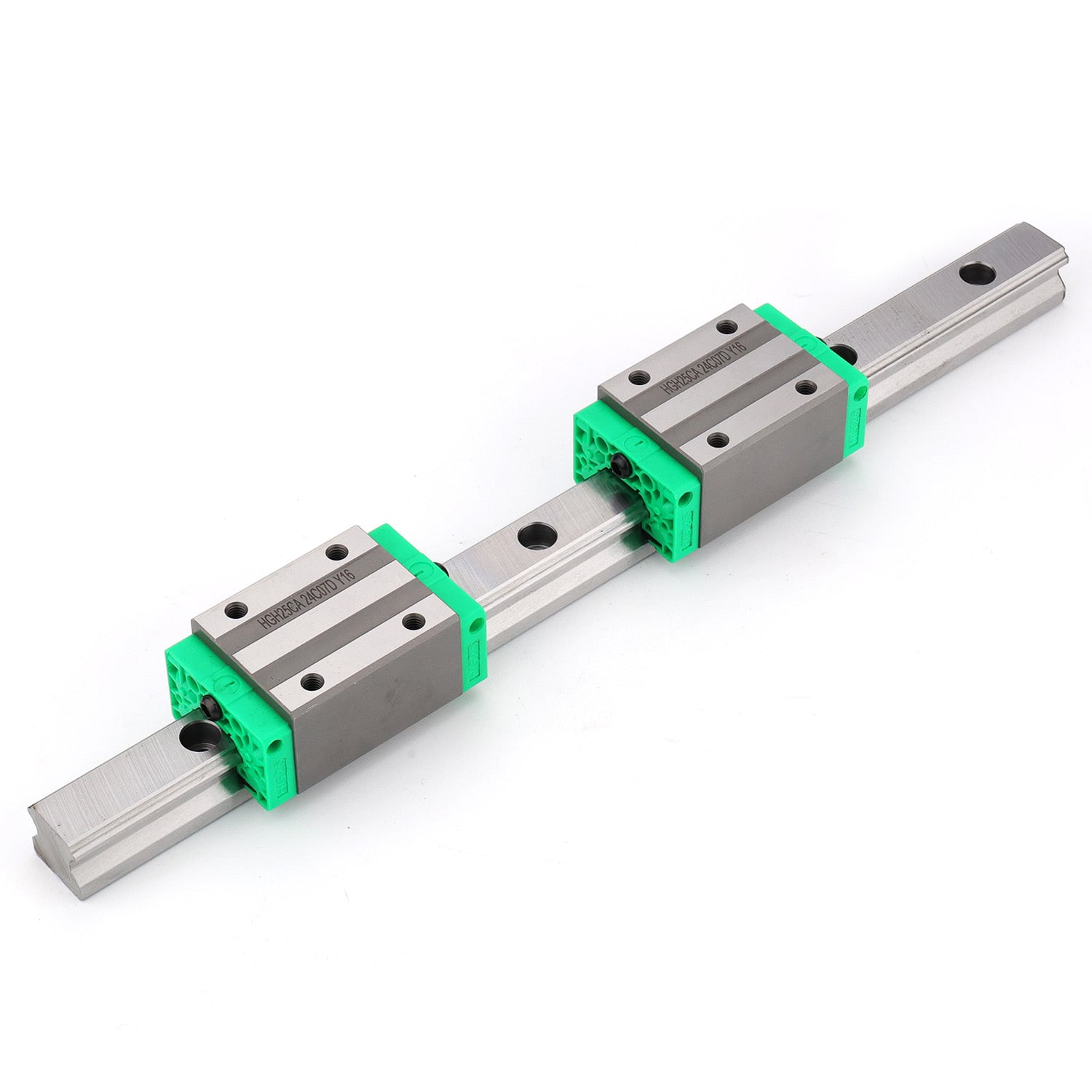
Sliding rails are precision-engineered linear motion components designed to guide moving loads along a defined path with minimal friction and maximum rigidity. They appear in CNC machines, robotic arms, semiconductor equipment, packaging lines, and countless other automated systems. The role of sliding rails extends far beyond simple mechanical support — they directly determine how accurately and how reliably a machine can perform its intended task. This article explores the key reasons why sliding rails are indispensable to modern automation.
The Core Function of Sliding Rails in Automation
Precision Motion Guidance
At the heart of every automated system is the need for controlled, repeatable motion. Sliding rails provide the structural pathway along which carriages, toolheads, or work platforms travel. High-quality sliding rails maintain tight tolerances on straightness, flatness, and parallelism, ensuring that every movement follows exactly the same trajectory. This level of precision is essential for applications such as laser cutting, PCB assembly, and optical inspection, where positional deviations even in the micron range can cause product defects or machine failure.
Sliding rails achieve this precision through their hardened steel construction and carefully ground contact surfaces. When paired with recirculating ball or roller carriages, sliding rails minimize play and backlash, giving automation systems the positional accuracy they require. The consistency of sliding rails across millions of cycles is what allows manufacturers to maintain tight quality standards without constant recalibration.
Load Capacity and Rigidity
Automation equipment must often carry significant loads at high speeds while maintaining stability. Sliding rails are designed to handle radial loads, axial loads, and moment loads simultaneously, making them far more capable than plain bushings or simple guide rods. The preloaded ball elements inside sliding rail carriages distribute force evenly across the rail surface, preventing deflection and vibration during dynamic operation. This rigidity is what allows automated machines to cut, weld, press, or pick components at high throughput without sacrificing accuracy.
Why Sliding Rails Drive Automation Efficiency
Low Friction and Energy Savings
One of the most valuable contributions sliding rails make to automation is their exceptionally low rolling friction. Compared to sliding contact guides, sliding rails using recirculating ball technology reduce friction coefficients dramatically. Lower friction means servo motors require less torque to achieve the same acceleration profiles, which directly translates to reduced energy consumption. In large-scale production facilities running hundreds of automated axes, the cumulative energy savings delivered by efficient sliding rails can be substantial over the equipment's operational lifetime.
Additionally, low friction in sliding rails generates less heat during continuous operation. Thermal stability is critical in precision automation because temperature changes cause material expansion, which shifts positional references and degrades accuracy. By keeping friction-induced heat generation low, sliding rails help maintain the thermal equilibrium of the machine structure, protecting measurement accuracy across long production runs.
Long Service Life and Reduced Downtime
Automation systems are expected to run continuously, often around the clock, with minimal interruption. Sliding rails are engineered for longevity, with dynamic load ratings and service life calculations based on rolling fatigue theory. When properly selected and maintained, sliding rails can operate for tens of thousands of hours without replacement. This durability is a direct contributor to production uptime, which is one of the most critical metrics in any automated manufacturing environment.
The availability of self-lubricating options and integrated wipers in modern sliding rails further extends their service intervals. Sealed sliding rails resist contamination from dust, coolant, and metal chips, which are common in industrial environments. Longer maintenance intervals mean fewer planned stoppages and less labor cost associated with equipment upkeep, reinforcing why sliding rails are so important to automation efficiency.
Sliding Rails as Enablers of Advanced Automation
Compatibility with Multi-Axis Systems
Contemporary automation often requires coordinated motion across multiple axes simultaneously. Sliding rails are available in standardized sizes and mounting interfaces, which makes them easy to integrate into gantry systems, Cartesian robots, and linear motor stages. Because sliding rails follow international dimension standards, engineers can design modular machine architectures where axes can be reconfigured or replaced without redesigning the entire structure. This modularity is a significant advantage in flexible manufacturing environments where product changeovers are frequent.
Sliding rails also support high-speed operation with minimal vibration, which is essential for applications like pick-and-place automation, where cycle times must be as short as possible. The combination of low mass, high stiffness, and smooth rolling action that quality sliding rails provide makes rapid acceleration and deceleration feasible without introducing resonance that could destabilize the control system.
Scalability Across Industries and Applications
What makes sliding rails particularly valuable in automation is their scalability. From miniature sliding rails used in medical device assembly equipment to heavy-duty sliding rails supporting multi-ton machining centers, the same fundamental design principles apply. This scalability means that engineers working across industries — from electronics to aerospace to food processing — can rely on sliding rails as a universal building block for motion systems. Sliding rails are available with a wide range of preload classes, accuracy grades, and material options, allowing precise matching of component characteristics to application demands.
Sliding rails also integrate seamlessly with ball screws, linear motors, and belt-driven actuators, giving designers flexibility in how they generate and transmit motion. Whether the application requires submicron positioning or high-speed bulk material handling, sliding rails provide the guidance and support infrastructure that makes the entire motion system function reliably.
FAQ
What types of automation systems most commonly use sliding rails?
Sliding rails are widely used in CNC machining centers, robotic assembly lines, semiconductor fabrication equipment, medical device manufacturing systems, packaging machines, and laser processing equipment. Any automated system that requires precise, repeatable linear motion will typically incorporate sliding rails as a core motion component.
How do I choose the right sliding rails for my automation application?
Selecting sliding rails requires evaluating load capacity, required accuracy grade, travel speed, stroke length, environmental conditions, and expected service life. The dynamic and static load ratings of sliding rails should exceed the actual applied loads with an appropriate safety factor. Consulting the manufacturer's load-life calculation guidelines and considering factors such as contamination exposure and lubrication requirements will help ensure the correct sliding rails are specified for the application.
Can sliding rails be used in cleanroom or food-grade automation environments?
Yes, sliding rails are available in configurations specifically designed for cleanroom and food-grade applications. These versions of sliding rails typically feature stainless steel construction, specialized sealing systems, and lubrication options that meet hygiene or low-outgassing requirements. Selecting the appropriate variant ensures that sliding rails perform reliably in highly regulated environments without introducing contamination risks.