
 EN
EN
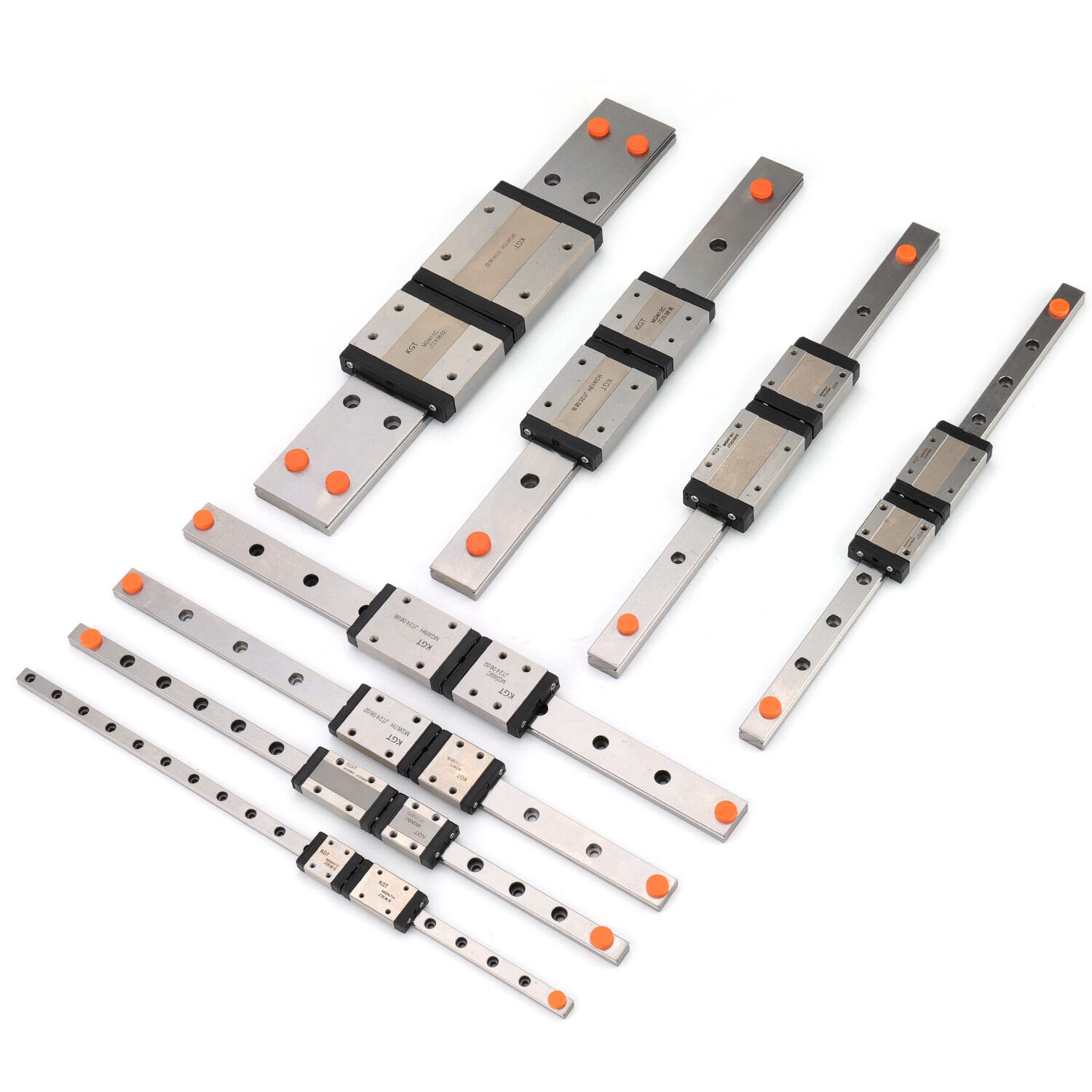
Průmyslové prostředí, které vystavuje lineární pohybové systémy agresivním chemikáliím, korozivním látkám a extrémním pH podmínkám, vyžaduje specializovaná řešení, jež výrazně přesahují standardní součásti z uhlíkové oceli. Schopnost lineárních posuvných systémů udržovat přesnost, spolehlivost a strukturální integritu v náročném chemickém prostředí má přímý dopad na dostupnost výroby, náklady na údržbu a provozní bezpečnost v průmyslových odvětvích jako jsou farmacie, chemický průmysl, potravinářská výroba a výroba polovodičů.
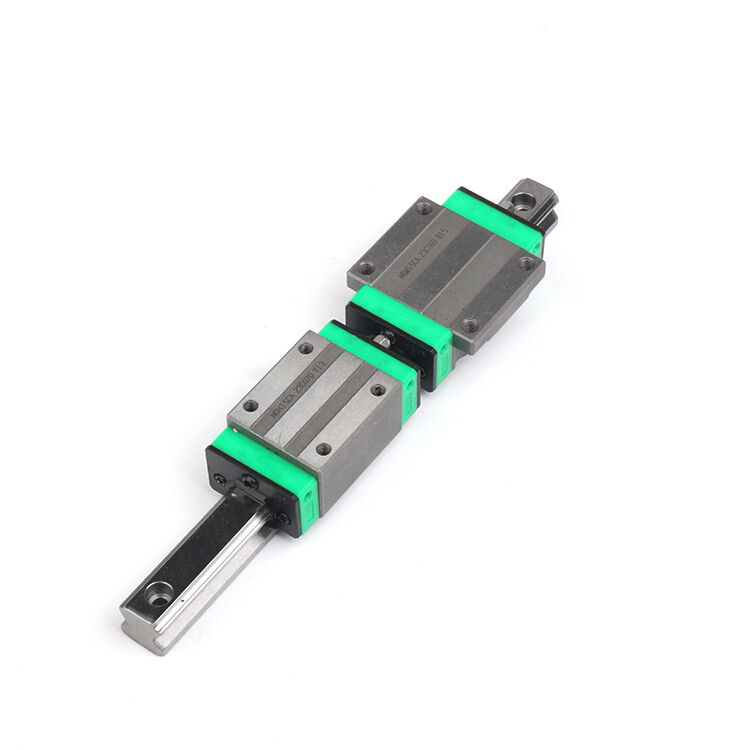
Kombinace individuální konstrukce z nerezové oceli se specializovanými povrchovými úpravami vytváří lineární posuvné součásti schopné odolat koncentrovaným kyselinám, alkalickým roztokům, organickým rozpouštědlům a oxidačním činidlům, která by běžné součásti rychle degradovala. lineární ložisko systémy. Tyto inženýrsky navržená řešení vyžadují pečlivý výběr materiálů, přesné specifikace povlaků a důkladné pochopení chemické kompatibility, aby byl zajištěn dlouhodobý provoz v náročných aplikacích, kde selhání systému má významné důsledky.
Základy chemické odolnosti pro posuvné lineární systémy
Věda o materiálech za výběrem nerezové oceli
Základem chemicky odolných posuvných lineárních systémů je správný výběr třídy nerezové oceli na základě konkrétního korozivního prostředí a provozních požadavků. Austenitické nerezové oceli, jako je např. třída 316L, nabízejí vynikající obecnou odolnost proti korozi díky svému složení z chromu a niklu, zatímco duplexní třídy poskytují vyšší pevnost a lepší odolnost proti napěťové korozní trhlině způsobené chloridy. Pasivní oxidová vrstva, která se přirozeně vytváří na povrchu nerezové oceli, poskytuje hlavní ochranu proti chemickému útoku, avšak tato ochrana může být narušena určitými agresivními chemikáliemi nebo mechanickým opotřebením.
Lineární komponenty posuvných mechanismů provozované v chemických prostředích musí brát v úvahu jak rovnoměrnou korozi, tak i místní korozní útoky, včetně bodové koroze, koroze v štěrbinách a mezikrystalové koroze. Obsah chromu vytváří pasivní vrstvu, zatímco přídavek molybdenu zvyšuje odolnost vůči roztokům obsahujícím chloridy, které se běžně vyskytují v aplikacích chemického zpracování. Porozumění těmto metalurgickým principům umožňuje správné určení základních materiálů, které tvoří podklad pro specializované ochranné povlaky.
Kvalita povrchové úpravy významně ovlivňuje výkon z hlediska chemické odolnosti, neboť drsné povrchy poskytují místa pro vznik místní koroze a snižují účinnost ochranných povlaků. Lineární komponenty posuvných mechanismů s přesným obráběním a řízenou drsností povrchu zajišťují optimální přilnavost specializovaných povlaků a současně minimalizují oblasti, kde se mohou chemikálie hromadit a způsobovat urychlené degradace.
Metody hodnocení chemické kompatibility
Určení chemické kompatibility pro lineární posuvné aplikace vyžaduje systematické hodnocení chování materiálů v konkrétních provozních prostředích, včetně úrovní koncentrace, rozsahů teplot a dob expozice. Tabulky chemické kompatibility poskytují počáteční orientační informace, avšak skutečné provozní podmínky často zahrnují směsi chemikálií, cyklické změny teploty a mechanické namáhání, které mohou výrazně ovlivnit chování při korozi ve srovnání s podmínkami laboratorních zkoušek.
Elektrochemické zkušební metody, jako je potenciodynamická polarizace a elektrochemická impedanční spektroskopie, poskytují kvantitativní údaje o rychlosti koroze a účinnosti ochranných povlaků za kontrolovaných podmínek. Tyto techniky pomáhají optimalizovat specifikace povrchových úprav a ověřit předpovědi výkonu ještě před nasazením lineárních posuvných systémů v kritických aplikacích, kde by předčasné selhání mohlo vést ke ztrátám výroby nebo bezpečnostním incidentům.
Dlouhodobé testování za simulovaných provozních podmínek stále zůstává nejspolehlivější metodou pro ověření výkonu odolnosti vůči chemikáliím u vlastních lineárních komponent s posuvným uložením. Testovací programy by měly zahrnovat protokoly urychleného stárnutí, tepelné cyklování a mechanické zatížení, aby byly napodobeny kombinované zátěže, kterým jsou komponenty vystaveny během skutečného provozu v prostředích chemického zpracování.
Specializované technologie povrchové úpravy pro zvýšenou ochranu
Neelektrolytické niklové povlaky pro univerzální odolnost vůči chemikáliím
Neelektrolytické niklování patří mezi nejvíce univerzální povrchové úpravy pro lineární komponenty s posuvným uložením, které vyžadují širokou škálu odolnosti vůči chemikáliím ve spojení se zlepšenými vlastnostmi odolnosti proti opotřebení. Stejná tloušťka povlaku dosažitelná neelektrolytickým usazováním zajišťuje rovnoměrnou ochranu po celém složitém tvaru, včetně vnitřních ložiskových drah a přesných vedení, které je obtížné povrchově upravit pomocí konvenčních elektrolytických postupů.
Středně fosforové náplachy elektrolyticky vyloučeného niklu poskytují vynikající odolnost vůči alkalickým roztokům, zatímco vysokofosforové formulace nabízejí vyšší ochranu proti kyselým prostředím, která se běžně vyskytují v aplikacích chemického zpracování. Amorfní struktura elektrolyticky vyloučeného niklu v čerstvě naneseném stavu vytváří bariérovou vrstvu, která účinně izoluje podklad ze nerezové oceli před přímým chemickým působením a výrazně prodlužuje životnost v agresivních prostředích.
Žíhání náplachů elektrolyticky vyloučeného niklu přeměňuje amorfní strukturu na krystalické fáze, čímž výrazně zvyšuje tvrdost a odolnost proti opotřebení, a proto jsou tyto tepelné úpravy ideální pro lineární posuv aplikace, kde musí být chemická odolnost kombinována s mechanickou trvanlivostí. Žíhání však může v některých prostředích snížit korozní odolnost, což vyžaduje pečlivou optimalizaci technologických parametrů na základě konkrétních požadavků dané aplikace.
Povrchové úpravy pomocí PTFE a fluoropolymerů
Fluoropolymerové povlaky včetně PTFE, FEP a PFA nabízejí výjimečnou chemickou neaktivitu v téměř celém pH rozsahu, čímž se stávají ideálními pro lineární posuvné systémy vystavené agresivním kyselinám, silným zásadám a organickým rozpouštědlům, které napadají většinu kovových a keramických povlaků. Tyto povlaky také poskytují vynikající nepřilnavé vlastnosti a nízké koeficienty tření, což může zlepšit provozní účinnost a snížit opotřebení v náročných aplikacích.
Nanesení fluoropolymerových povlaků na lineární posuvné komponenty vyžaduje specializované základní nátěrové systémy a řízené tepelné zpracování za účelem dosažení dostatečné přilnavosti k podložkám ze nerezové oceli. Vícevrstvé povlakové systémy obvykle poskytují nejlepší kombinaci přilnavosti, chemické odolnosti a mechanické trvanlivosti, přičemž základní vrstvy jsou navrženy tak, aby pevně spojovaly povlak s kovovou podložkou, a vrchní vrstvy jsou optimalizovány pro konkrétní chemické prostředí.
Relativně měkká povaha fluoropolymerových povlaků vyžaduje pečlivé zvážení mechanického zatížení a opotřebení v lineárních posuvných aplikacích. Ačkoli tyto povlaky vynikají chemickou odolností, nemusí být vhodné pro aplikace s vysokým zatížením nebo vysokým počtem cyklů bez dalších konstrukčních úprav, jako je snížení tlaku v kontaktu nebo doplnění systémů mazání.
Keramické a tvrdochromové alternativy
Pokročilé keramické povlaky, jako jsou oxid hlinitý, oxid chromitý a oxid zirkoničitý, poskytují vynikající chemickou odolnost v kombinaci s extrémní tvrdostí pro lineární posuvné aplikace, které vyžadují jak chemickou ochranu, tak vynikající odolnost proti opotřebení. Tyto povlaky vydrží teploty a koncentrace chemikálií, které by zničily organické povlaky nebo kovové nátěry, a jsou proto vhodné pro nejnáročnější prostředí chemického průmyslu.
Plazmové stříkání a metody depozice z fyzikální páry umožňují aplikaci keramických povlaků na složité lineární geometrie kluzných ploch s přesně řízenou tloušťkou a mikrostrukturou. Husté, dobře přilnavé keramické povlaky vytvářejí účinné bariéry proti chemickému pronikání a zároveň poskytují opotřebitelné povrchy, které mohou pracovat bez mazání v mnoha aplikacích, čímž se snižuje riziko kontaminace v citlivých chemických procesech.
Alternativy k tvrdému chromování, jako jsou povlaky z karbidu wolframu a nitridu chromu, řeší environmentální problémy a zároveň nabízejí vyšší odolnost vůči chemikáliím ve srovnání se standardním tvrdým chromováním. Tyto alternativy často vykazují lepší přilnavost a rovnoměrnější rozložení tloušťky povlaku, což je zvláště důležité u precizních lineárních kluzných komponent, kde konzistence povlaku přímo ovlivňuje provozní přesnost a životnost.
Zvažování vlastního návrhu pro chemická prostředí
Integrace těsnění a prevence kontaminace
Účinné těsnicí systémy představují kritické komponenty posuvných lineárních sestav provozovaných v chemickém prostředí, neboť i chemicky odolné materiály mohou selhat, pokud agresivní látky proniknou do ložiskových oběžných drah nebo do mazacích systémů. Při návrhu speciálních těsnění je nutné zohlednit chemickou kompatibilitu, odolnost vůči teplotám a mechanickému opotřebení, aniž by byla narušena přesnost a hladký chod požadované pro lineární pohybové aplikace.
Vícestupňové těsnicí konfigurace poskytují redundantní ochranu proti pronikání chemikálií, obvykle začleněním primárních těsnění optimalizovaných pro chemickou odolnost a sekundárních těsnění navržených pro vyloučení částic a udržení maziva. Výběr materiálů těsnění vyžaduje pečlivé posouzení tabulek chemické kompatibility a zohlednění jevů, jako je nádor, ztvrdnutí nebo degradace, které mohou nastat při dlouhodobém chemickém působení.
Funkce pro vyčištění a propláchnutí integrované do lineárních posuvných konstrukcí umožňují pravidelnou údržbu a čištění bez nutnosti úplného rozebrání celého systému, což je zvláště důležité v aplikacích, kde se mohou hromadit chemické zbytky a způsobovat urychlenou korozí nebo opotřebení. Tyto funkce vyžadují pečlivý návrh, aby nedošlo k vytvoření štěrbin nebo mrtvých prostorů, ve kterých by se mohly chemikálie koncentrovat a způsobovat lokální poškození.
Kompatibilita se systémem mazání
Tradiční maziva na bázi ropy se často ukazují jako nekompatibilní se středími obsahujícími chemikálie, a to buď kvůli chemickému útoku na samotné mazivo, nebo kvůli riziku kontaminace citlivých procesů. Speciální lineární posuvné systémy pro chemické aplikace často vyžadují specializovaná maziva, jako jsou perfluorované polyethery, syntetické estery nebo tuhá maziva, která zachovávají svou účinnost i v agresivních chemických prostředích.
Suché mazací systémy využívající disulfid molybdeničitý, disulfid wolframový nebo pevné maziva na bázi PTFE eliminují problémy s kompatibilitou kapalných maziv a zároveň poskytují dostatečné mazání pro mnoho lineárních posuvných aplikací. Tyto systémy vyžadují pečlivou přípravu povrchu a techniky aplikace, aby bylo dosaženo rovnoměrného rozložení nátěru a dostatečného přilnavosti k chemicky upraveným povrchům.
Centrální mazací systémy s chemicky odolnými rozvody umožňují dálkové dodávání maziva do lineárních posuvných komponent umístěných v nebezpečných nebo těžko přístupných oblastech. Tyto systémy musí obsahovat filtrační zařízení, monitorování tlaku a automatické dávkování, aby bylo zajištěno stálé mazání a současně minimalizováno vystavení údržbářského personálu agresivním chemikáliím.
Přístup k údržbě a kontrolní protokoly
Chemické provozy často kladou přísné požadavky na bezpečnost a kontrolu kontaminace, které omezují přístup k údržbě lineárních posuvných systémů, a proto jsou spolehlivost a možnost prohlídky klíčovými konstrukčními aspekty. U individuálních konstrukcí je třeba zohlednit průhledová okna, snímatelné kryty a diagnostické funkce, které umožňují sledování stavu systému bez přímého vystavení systému.
Monitorování vibrací, měření teploty a detekce akustické emise poskytují včasná varování o degradaci lineárních posuvných systémů bez nutnosti přímé vizuální prohlídky nebo demontáže jednotlivých komponent. Tyto monitorovací systémy musí využívat senzory a metody přenosu signálů kompatibilní s chemickým prostředím a zároveň poskytovat spolehlivá data pro programy prediktivní údržby.
Modulární konstrukce usnadňuje výměnu a modernizaci komponentů bez rozsáhlého výpadku systému, což je zvláště důležité u nepřetržitých chemických procesů, kde přerušení výroby přináší významné ekonomické ztráty. Standardizované rozhraní a rychlozpínací spojky umožňují rychlou výměnu komponentů při zachování celistvosti systému a chemické uzavřenosti.
Optimalizace výkonu pro konkrétní aplikace
Požadavky farmaceutického a biotechnologického průmyslu
Farmaceutické aplikace vyžadují lineární posuvné systémy, které kombinují odolnost vůči chemikáliím s přísnými požadavky na čistotu, biokompatibilitu a validaci. Materiály a povrchové úpravy vyhovující požadavkům FDA zajišťují bezpečnost výrobku, zatímco specializované postupy čištění a kompatibilita se sterilizací umožňují použití v prostředích stérilní výroby, kde je kontrola kontaminace rozhodující.
Funkce čištění na místě (CIP) a sterilizace na místě (SIP) vyžadují lineární posuvné konstrukce, které vydrží opakované vystavení čisticím prostředkům, desinfekčním prostředkům a cyklům parní sterilizace bez zhoršení výkonu. Povrchové úpravy musí odolávat jak procesním chemikáliím, tak čisticím prostředkům a zároveň zachovávat hladký povrch nutný pro účinné čištění a eliminaci bakterií.
Požadavky na dokumentaci a sledovatelnost v farmaceutických aplikacích vyžadují komplexní certifikáty materiálů, zkušební protokoly a validní postupy pro všechny lineární posuvné komponenty a povrchové úpravy. Tyto požadavky často ovlivňují výběr materiálů i proces kvalifikace dodavatelů nad rámec základních požadavků na chemickou odolnost.
Výrobní prostředí pro polovodiče
Výroba polovodičů zahrnuje expozici kyselině fluorovodíkové, silným zásadám, organickým rozpouštědlům a plazmovým prostředím, které představují některé z nejnáročnějších podmínek pro posuvné lineární systémy. Požadavky na ultračistou výrobu vylučují mnoho tradičních možností mazání a těsnění a zároveň vyžadují výjimečnou přesnost a opakovatelnost pohybových systémů.
Charakteristiky výdechu (outgassing) se stávají kritickými v aplikacích za vakua, což vyžaduje pečlivý výběr materiálů a povrchových úprav minimalizujících emise летuchých organických sloučenin. Specializované testovací protokoly ověřují výkon výdechu za simulovaných podmínek vakua, aby byla zajištěna kompatibilita se citlivými polovodičovými procesy.
Řízení tvorby částic vyžaduje lineární posuvné systémy s klouzavým pohybem, které minimalizují opotřebení a kontaminaci, přičemž zároveň zachovávají přesnou polohovou přesnost po miliony provozních cyklů. Pokročilé povrchové úpravy a pečlivý výběr materiálů pomáhají splnit tyto zdánlivě protichůdné požadavky prostřednictvím inženýrsky navržených povrchových vlastností a optimalizovaných geometrií ložisek.
Potravinářské procesy a hygienické aplikace
Lineární posuvné systémy pro potravinářský průmysl musí odolávat čisticím prostředkům, včetně louhových roztoků, kyselých dezinfekčních prostředků a postupů mytí vysokou teplotou, a zároveň splňovat hygienické návrhové pokyny FDA a USDA. Povrchové úpravy musí bránit přilnavosti bakterií a usnadňovat účinné čištění bez vytváření štěrbin nebo mrtvých prostorů, kde se může kontaminace hromadit.
Hygienické zásady návrhu ovlivňují každý aspekt konstrukce lineárních posuvných prvků – od hladkých, snadno čistitelných povrchů po nakloněné konfigurace, které usnadňují odvod vody a zabrání jejímu stání.
Odolnost vůči teplotě je zvláště důležitá v potravinářských aplikacích, kde tepelné zpracování, čištění párou a horké mycí cykly vyvolávají tepelné cyklování, jež může urychlit degradaci povlaků nebo způsobit problémy s rozdílnou tepelnou roztažností u sestav z více materiálů.
Často kladené otázky
Které tvrdé oceli z nerezové oceli nabízejí nejlepší odolnost vůči chemikáliím pro lineární posuvné prvky?
nerezová ocel třídy 316L poskytuje vynikající obecnou odolnost vůči chemikáliím pro většinu lineárních posuvných aplikací v mírně až středně korozivních prostředích. Pro agresivnější podmínky nabízejí vysoce legované austenitické třídy, jako je např. 904L, nebo duplexní nerezové oceli, jako je 2205, zvýšenou odolnost vůči chloridům a kyselým roztokům. Konkrétní volba třídy závisí na přesném druhu chemikálií, jejich koncentracích, teplotách a požadavcích na mechanické zatížení vaší aplikace.
Jak se specializované povlaky projevují na rozměrových tolerancích lineárních posuvných komponent?
Tloušťka povlaku se obvykle pohybuje v rozmezí 0,0002 až 0,002 palce v závislosti na typu pokovování; tuto tloušťku je nutné zohlednit již při počátečním obrábění, aby byly dodrženy konečné tolerance. Elektrolytické niklové povlaky nabízejí nejrovnoměrnější rozložení tloušťky, zatímco některé keramické povlaky mohou vyžadovat po nanášení povlaku broušení, aby byly dosaženy přísné tolerance. Správná specifikace povlaku a dimenzní plánování již v fázi návrhu zajišťují, že konečné součásti splní požadované standardy přesnosti.
Mohou fluoropolymerové povlaky odolávat aplikacím s vysokým zatížením a posuvným lineárním pohybem v chemicky agresivním prostředí?
Fluoropolymerové povlaky vynikají chemickou odolností, avšak jejich nosná kapacita je omezená ve srovnání s kovovými nebo keramickými povlaky. U aplikací s vysokým zatížením zvažte hybridní přístupy, například použití fluoropolymerových povlaků na plochách, které nejsou namáhány, v kombinaci s tvrdšími povlaky na stykových plochách, nebo konstrukční úpravy, které snižují kontaktní tlaky zvětšením ložiskové plochy či zlepšeným rozložením zatížení.
Jaké jsou typické intervaly údržby pro lineární posuvné systémy odolné vůči chemikáliím?
Intervaly údržby se výrazně liší podle závažnosti expozice chemikáliím, počtu provozních cyklů a environmentálních podmínek, avšak správně navržené systémy v mírně agresivních chemických prostředích často umožňují intervaly prohlídek po 6–12 měsících. V případě náročných chemických aplikací mohou být vyžadovány měsíční prohlídky a výměna komponent každé 3–6 měsíce. Zavedení systémů monitorování stavu a stanovení referenčních ukazatelů výkonu pomáhá optimalizovat plánování údržby na základě skutečného stavu systému namísto libovolných časových intervalů.
Obsah
- Základy chemické odolnosti pro posuvné lineární systémy
- Specializované technologie povrchové úpravy pro zvýšenou ochranu
- Zvažování vlastního návrhu pro chemická prostředí
- Optimalizace výkonu pro konkrétní aplikace
-
Často kladené otázky
- Které tvrdé oceli z nerezové oceli nabízejí nejlepší odolnost vůči chemikáliím pro lineární posuvné prvky?
- Jak se specializované povlaky projevují na rozměrových tolerancích lineárních posuvných komponent?
- Mohou fluoropolymerové povlaky odolávat aplikacím s vysokým zatížením a posuvným lineárním pohybem v chemicky agresivním prostředí?
- Jaké jsou typické intervaly údržby pro lineární posuvné systémy odolné vůči chemikáliím?