linear bearing shaft
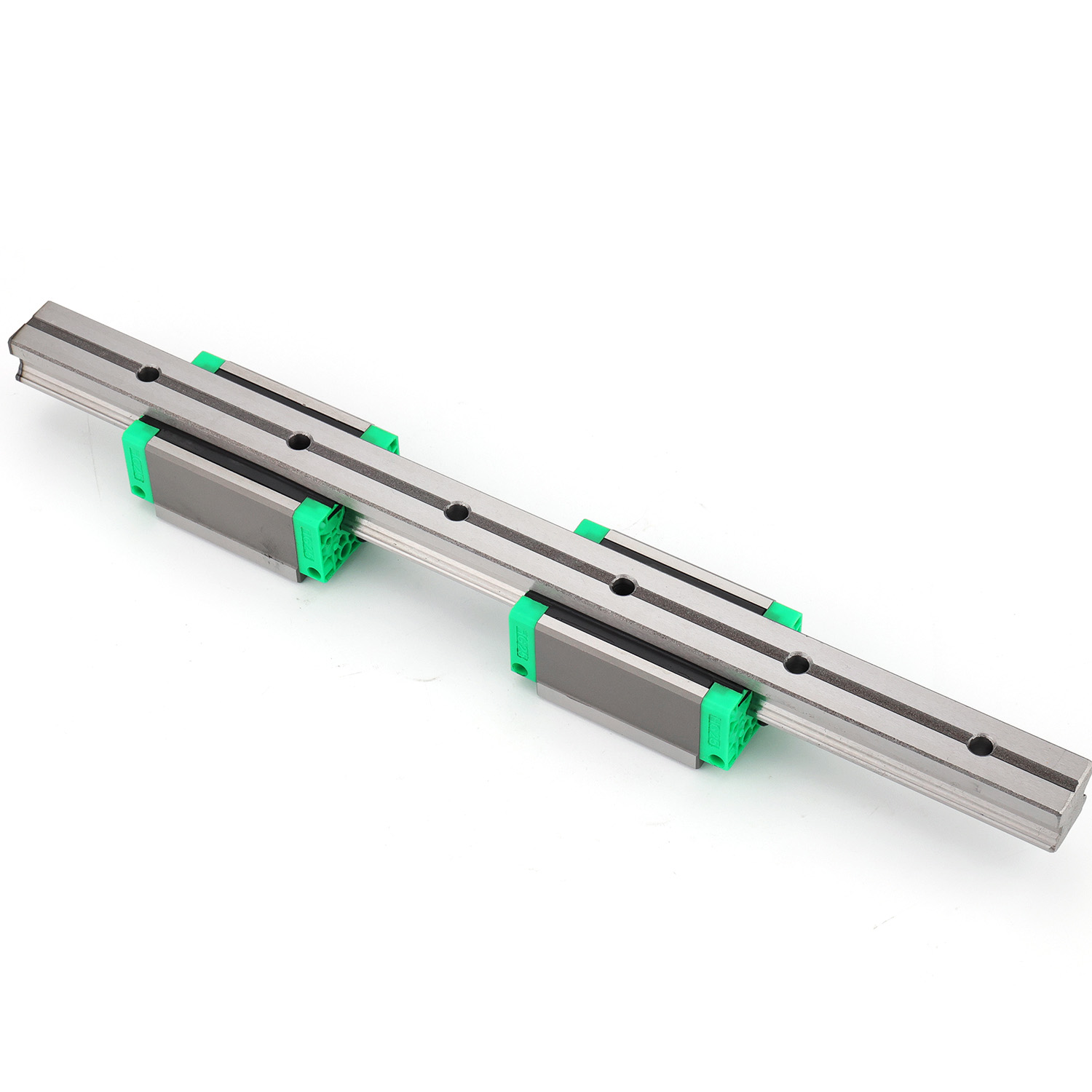
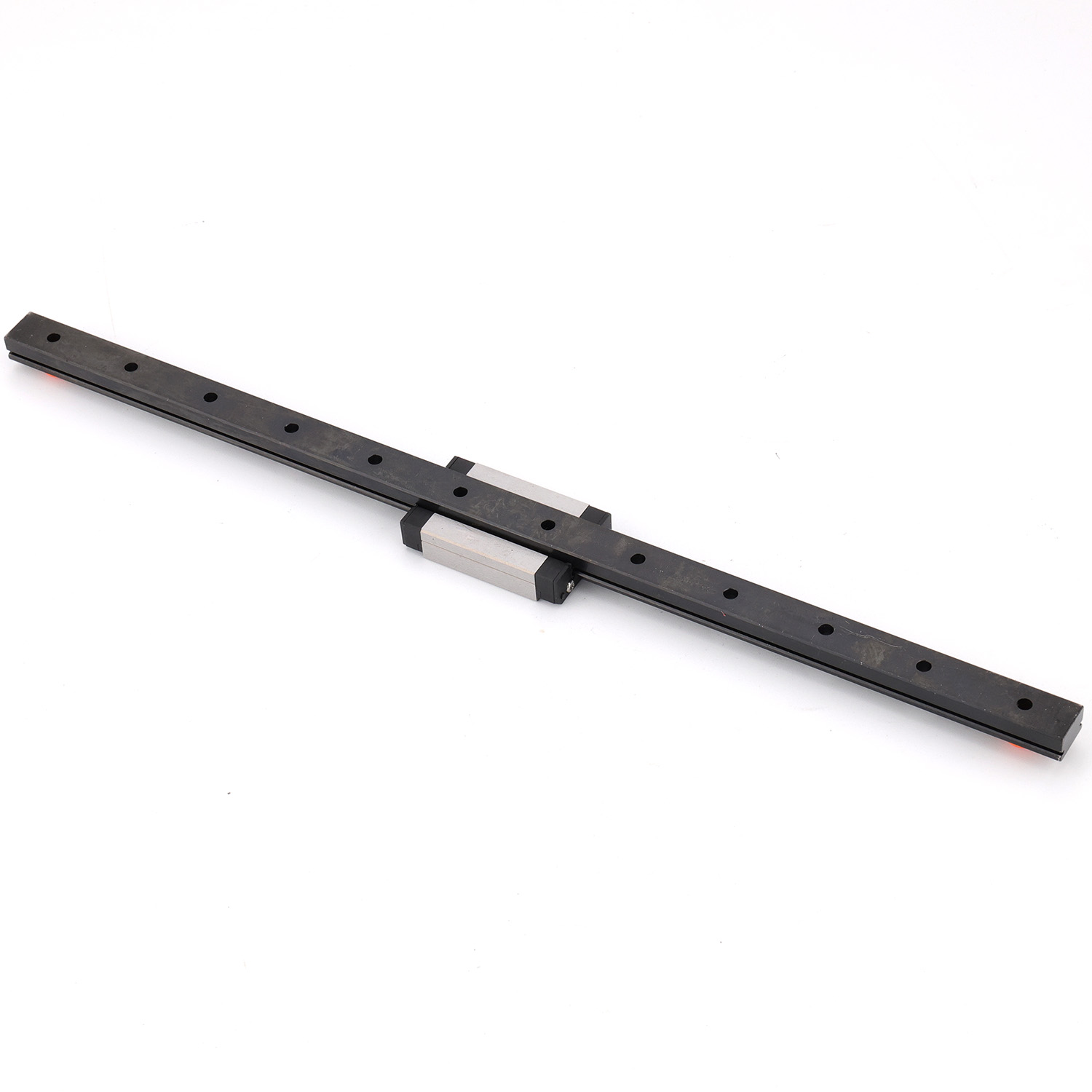
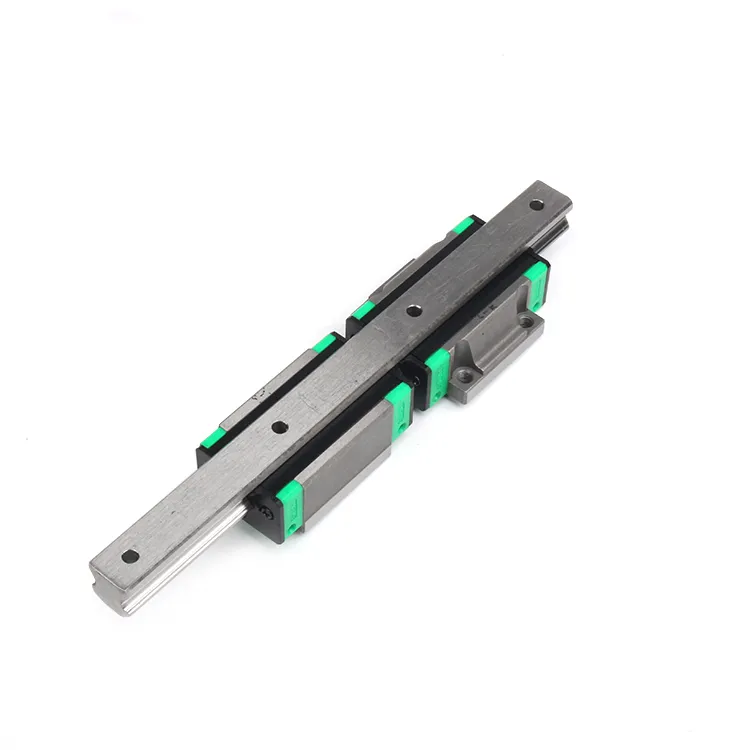
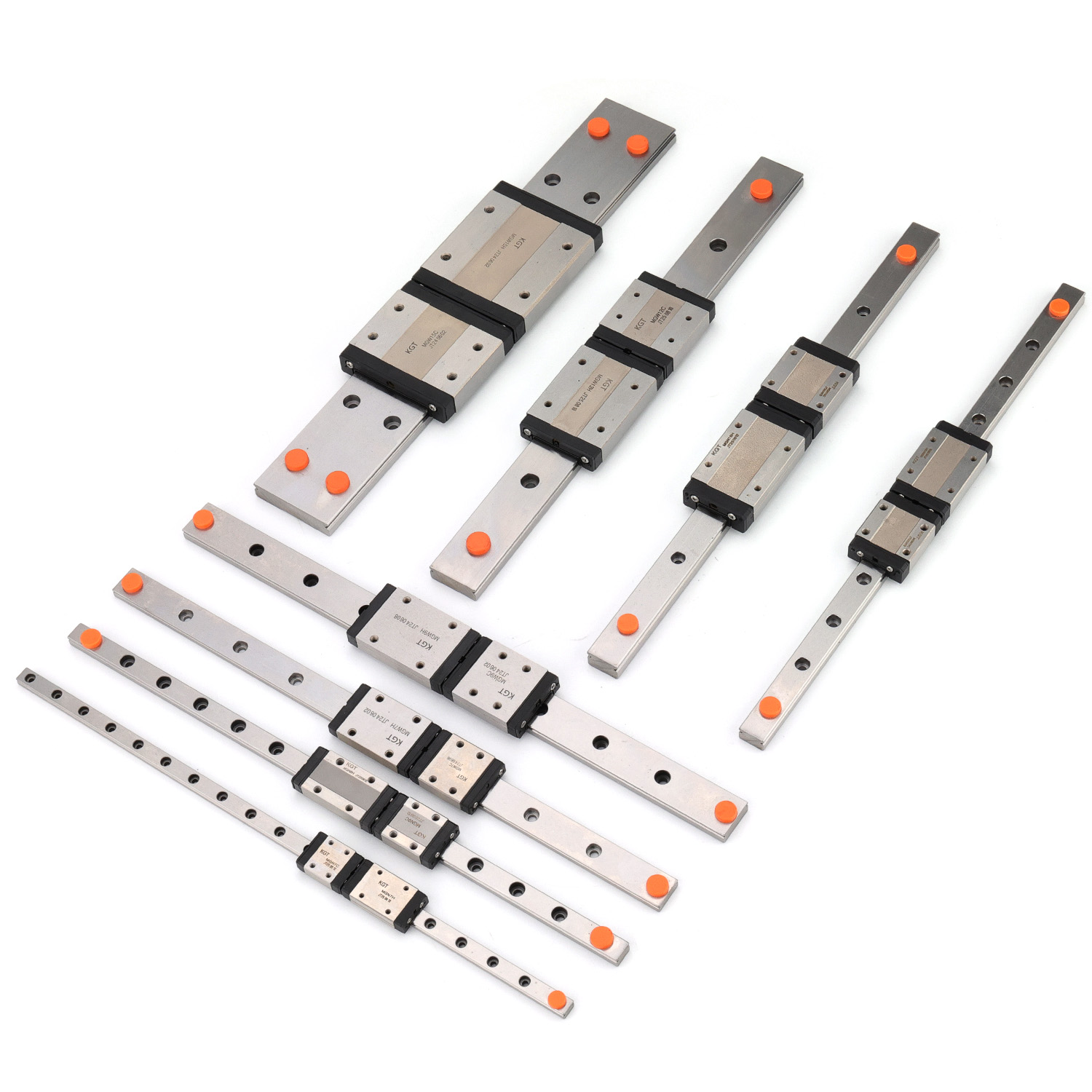
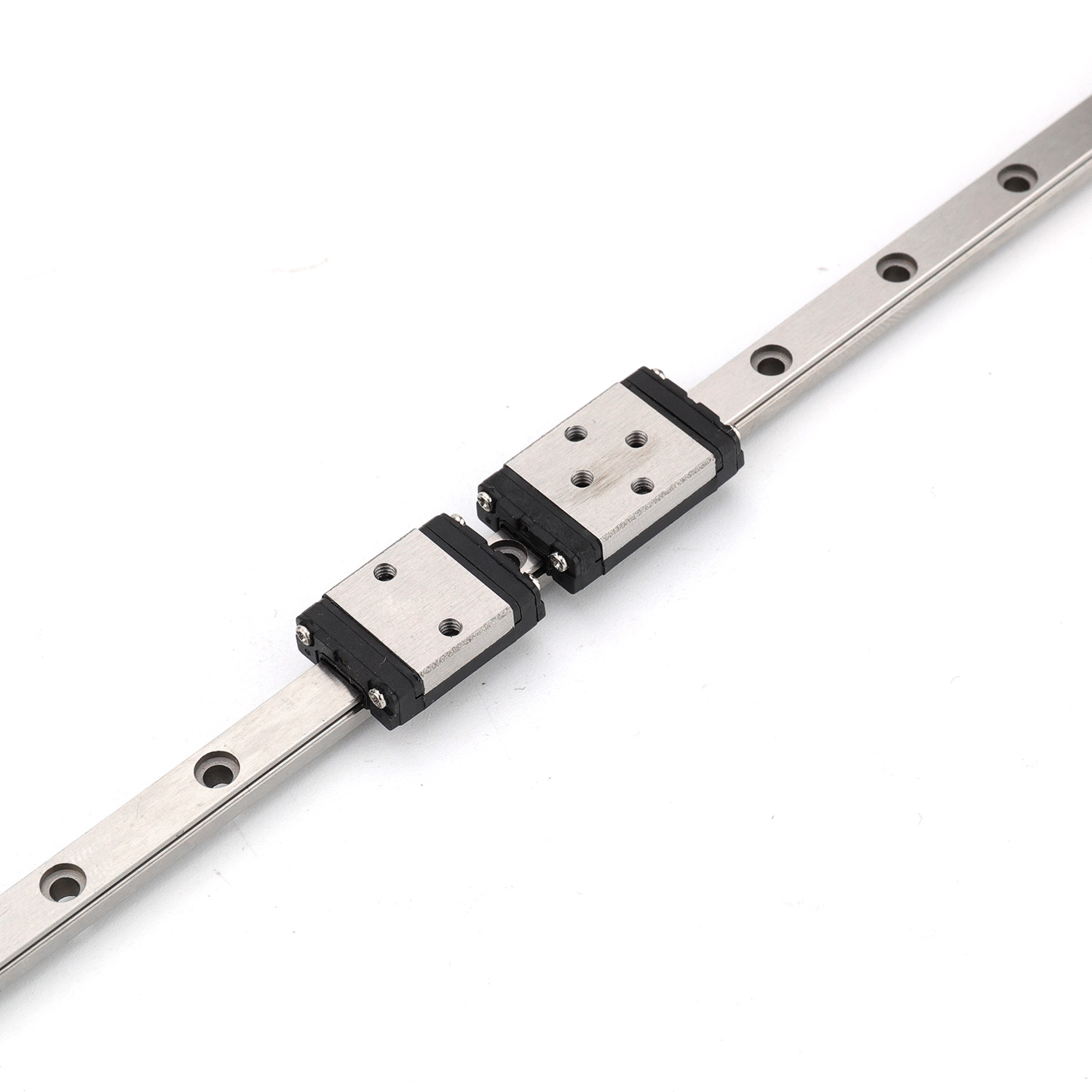
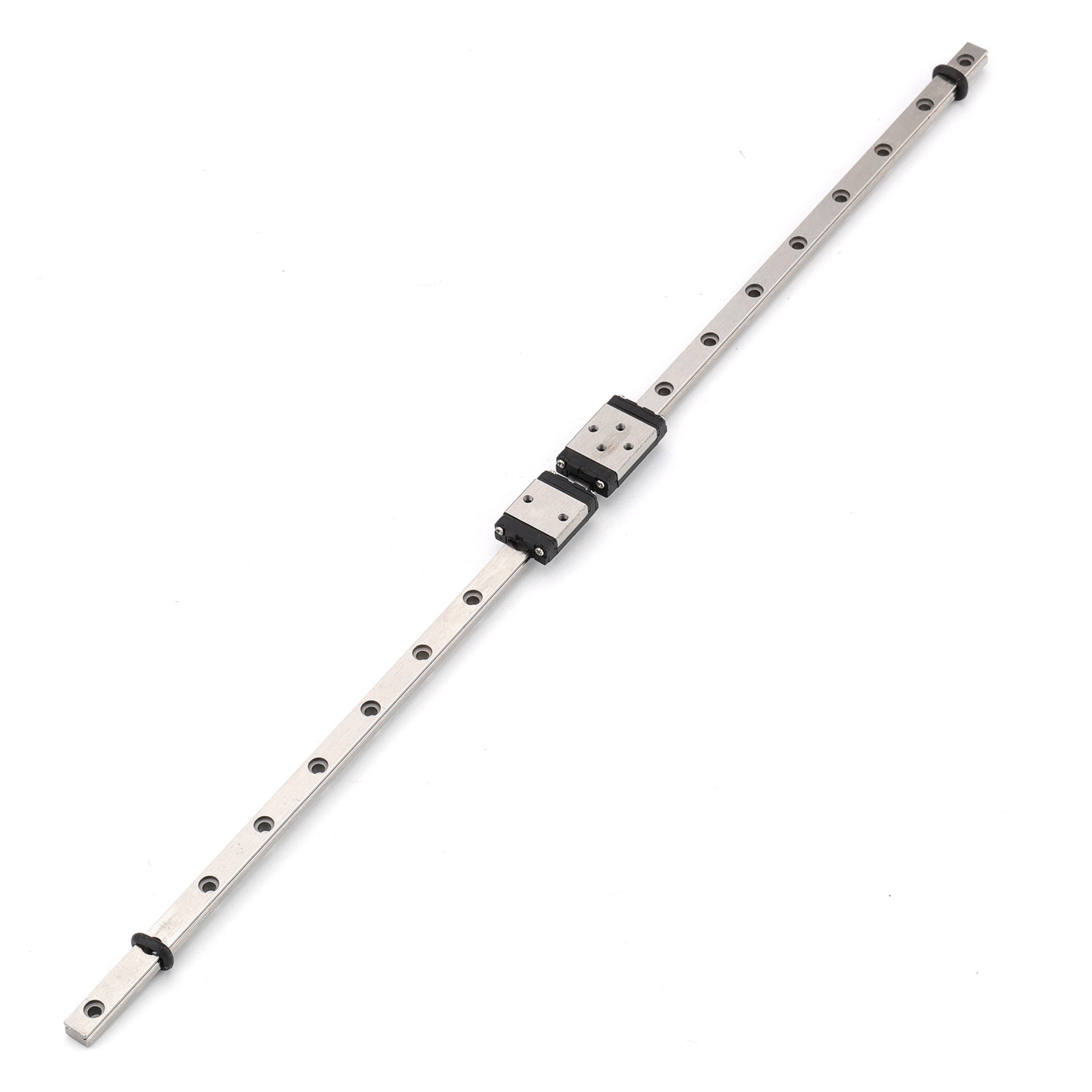
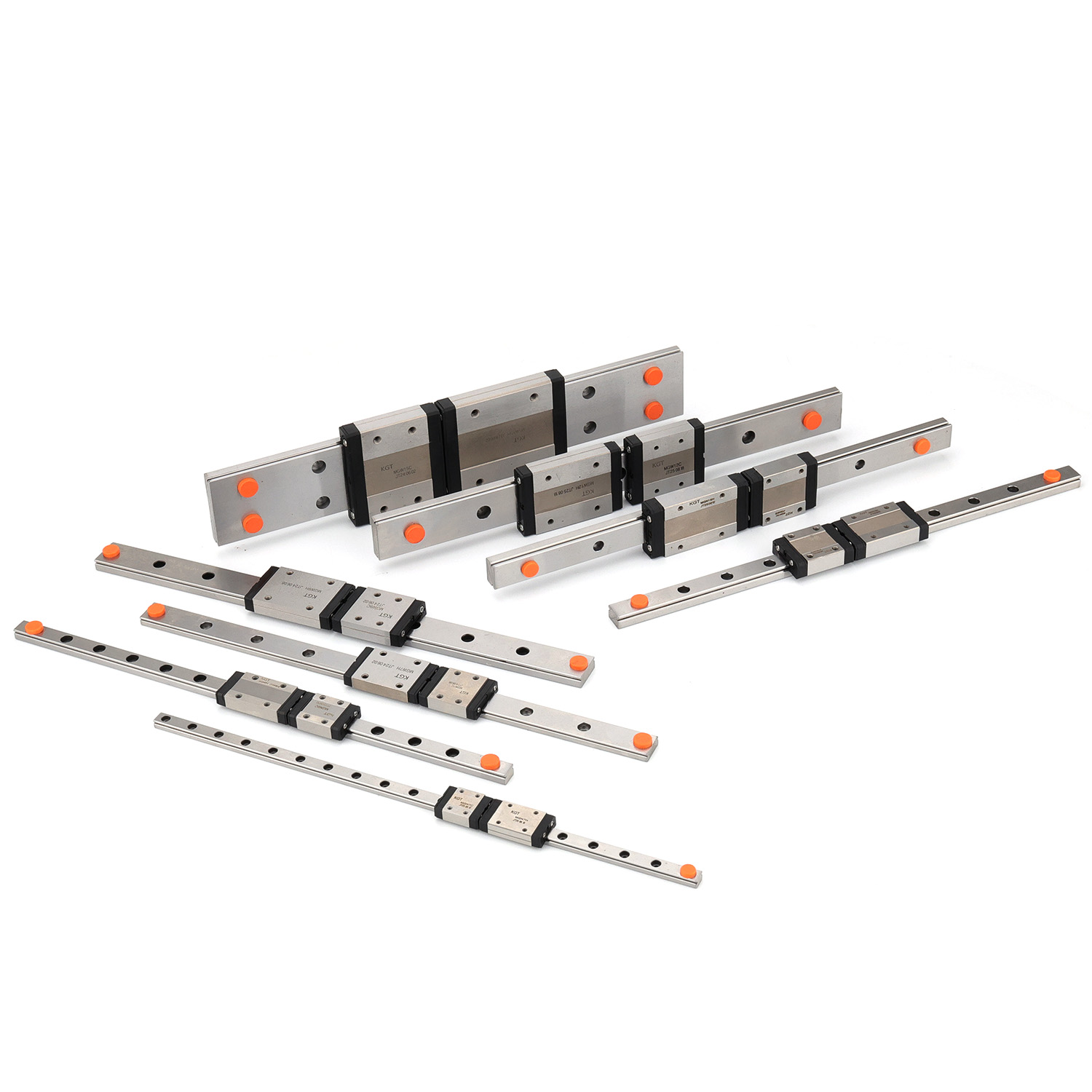
A linear bearing shaft is a precision-engineered component designed to facilitate smooth, frictionless linear motion in mechanical systems. This essential element combines the functionality of a bearing with shaft characteristics, enabling guided movement along a straight axis. The linear bearing shaft serves as the backbone of countless industrial applications where accuracy and reliability are paramount.
The primary function of a linear bearing shaft involves supporting and guiding loads while maintaining consistent directional movement. Unlike traditional rotating shafts, a linear bearing shaft enables components to travel smoothly in one plane, making it indispensable in automation, manufacturing, and precision equipment. The linear bearing shaft typically features hardened steel construction with polished surfaces that minimize friction and wear.
Technologically, the linear bearing shaft incorporates advanced rolling element systems or slide mechanisms that distribute forces evenly across contact surfaces. These sophisticated designs reduce operational noise while extending component lifespan. The linear bearing shaft works harmoniously with matched linear bearings to create integrated motion solutions that operate with exceptional precision.
Applications for the linear bearing shaft span numerous industries. Manufacturing facilities rely on linear bearing shaft systems for conveyor belt alignment and robotic arm guidance. Medical equipment manufacturers utilize linear bearing shafts in diagnostic imaging systems and surgical instruments. The linear bearing shaft proves invaluable in printing machinery, textile equipment, and packaging automation. Its versatility extends to aerospace components and semiconductor manufacturing equipment, where precision demands are extremely high. The linear bearing shaft continues gaining adoption as industries prioritize efficiency and accuracy in automated processes.

 EN