
 EN
EN
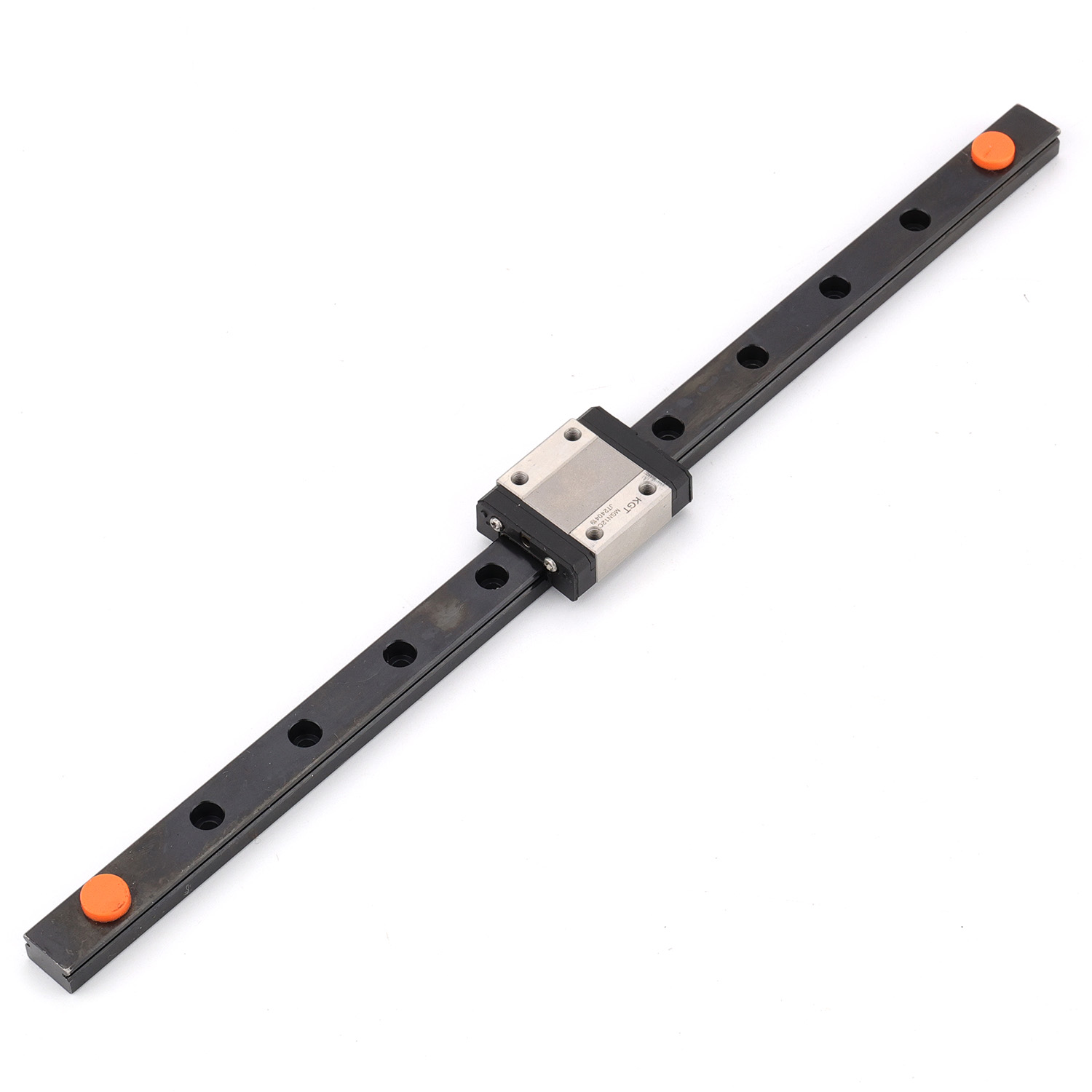
A linear guide is one of the most critical components in any precision motion system, yet it is often replaced too late — or not at all until a machine fails completely. Knowing exactly when to replace your linear guide system can mean the difference between planned maintenance downtime and costly unplanned production stops. For engineers and maintenance professionals operating in demanding industrial environments, understanding the timing of replacement is not guesswork; it is a disciplined process based on measurable signals, operational history, and system-level risk assessment.
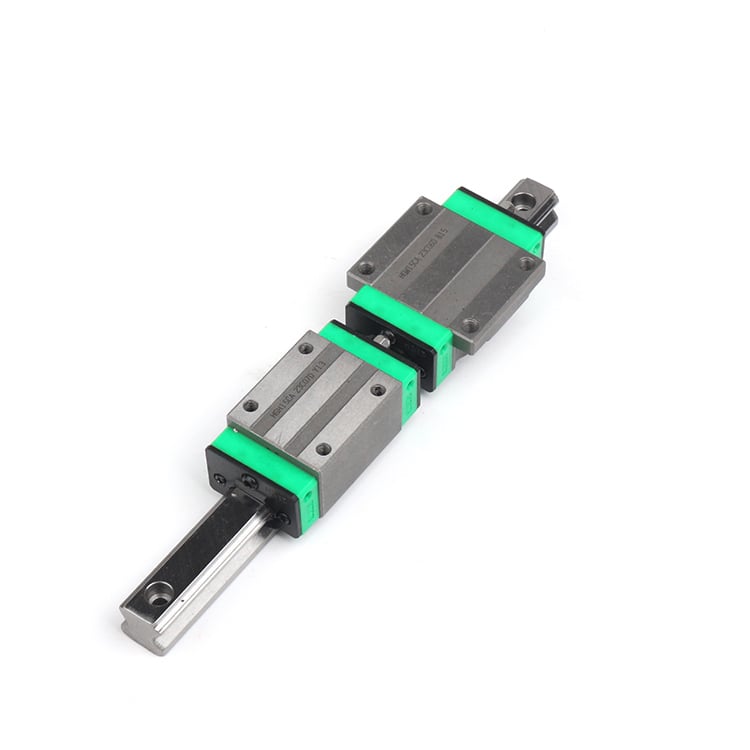
The decision to replace a linear guide system is rarely black and white. Some systems show obvious signs of wear, while others degrade gradually and silently until accuracy is compromised. This article provides a structured approach to identifying when replacement is truly necessary, what warning signs to watch for, and how to evaluate your linear guide system against both physical wear indicators and operational performance criteria. Whether you manage a CNC machining center, an automated assembly line, or a precision measurement system, these guidelines will help you make confident, data-informed replacement decisions.
Understanding the Service Life of a Linear Guide System
What Determines How Long a Linear Guide Lasts
The service life of a linear guide is not a fixed number. It depends on a combination of load conditions, operating speed, lubrication quality, environmental exposure, and installation accuracy. A linear guide running under light loads with proper lubrication in a clean environment can last many years before showing meaningful wear. In contrast, the same linear guide used in a high-cycle, heavy-load application with inadequate lubrication may reach end-of-life in a fraction of the expected time.
Manufacturers typically rate linear guide systems using a calculated nominal life, often expressed in kilometers of travel or millions of cycles. This rating assumes ideal conditions and provides a theoretical baseline rather than a guaranteed service duration. Real-world applications frequently deviate from these ideal conditions, which is why actual service life can vary significantly from the rated nominal value. Understanding this gap is the first step in making informed replacement decisions.
Load capacity is among the most influential variables. When a linear guide is consistently subjected to loads exceeding its dynamic load rating, the raceways and rolling elements experience accelerated fatigue. Similarly, shock loads — even intermittent ones — can initiate subsurface cracking in hardened raceways far earlier than a smooth, steady load would. Tracking actual load history, even approximately, helps predict when replacement becomes prudent rather than reactive.
Lubrication and Contamination as Life-Shortening Factors
Lubrication failure is one of the leading causes of premature linear guide wear. When the lubricant film breaks down — due to insufficient relubrication intervals, wrong lubricant type, or contamination — metal-to-metal contact accelerates surface damage on both the rail and the carriage. The result is increased friction, elevated operating temperatures, and rapid dimensional degradation that shortens service life dramatically.
Contamination from coolant, metal chips, dust, or corrosive fluids penetrates carriage seals and attacks the rolling contact surfaces directly. In machine tool environments, even small particles can embed in the raceways, acting as abrasives that erode the precision geometry the linear guide depends on. Regular inspection of seals and timely seal replacement can extend system life, but once contamination has reached the internal rolling elements, replacement of the linear guide assembly is typically unavoidable.
Physical Warning Signs That Indicate Replacement Is Needed
Unusual Noise and Vibration During Travel
One of the earliest and most reliably detectable signs that a linear guide system needs replacement is abnormal noise during carriage travel. A healthy linear guide operates with a smooth, nearly silent motion. When you begin hearing grinding, clicking, or intermittent rumbling sounds as the carriage moves along the rail, this is a strong indicator of internal damage to the rolling elements or raceways. These sounds often correspond to pitting, spalling, or flat spots on the balls or rollers within the carriage.
Vibration signatures that were not present during earlier operation are equally telling. Increased vibration during linear motion can indicate uneven rolling element wear, damaged recirculation paths, or a deformed rail surface. In precision applications, even slight vibration can compromise surface finish quality, dimensional accuracy, or positioning repeatability. If vibration analysis tools are available, a sudden change in vibration spectrum compared to baseline measurements is a clear signal to inspect and likely replace the linear guide.
Measurable Play, Backlash, and Loss of Preload
A linear guide is designed to provide controlled stiffness and repeatability through a specific preload condition set during manufacturing. As the system wears, the rolling elements lose material, and the preload diminishes. This manifests as detectable play — small but measurable looseness between the carriage and the rail. Even a few micrometers of unintended play can translate into significant positioning errors in tight-tolerance applications.
You can check for play by applying a lateral or vertical force to the carriage and measuring deflection with a dial indicator. If the deflection significantly exceeds the tolerance specified for your accuracy class, the linear guide has worn beyond acceptable limits. For systems that have been classified as precision or super-precision grade, the acceptable threshold for carriage play is extremely tight, and replacement should not be delayed once this threshold is crossed.
Loss of preload also causes a gradual increase in running parallelism error and straightness deviation. When these geometric parameters drift outside the tolerance required by your application, it is no longer a question of whether to replace the linear guide — it is a question of how quickly you can schedule the replacement to minimize disruption.
Visible Surface Damage on Rail and Carriage
Direct visual inspection of the rail surface and carriage end seals can reveal much about the condition of a linear guide system. Rust, pitting, corrosion streaks, or visible score marks on the rail running surface are all indicators of damage that cannot be reversed through lubrication or adjustment. A pitted or spalled raceway will continue to generate new debris with every cycle, accelerating further damage to both the rolling elements and the raceway geometry.
Damaged or degraded end seals deserve particular attention. Seals that are cracked, deformed, or missing sections provide inadequate protection against contaminants and result in lubricant loss. While seals can sometimes be replaced independently, if the seal damage has allowed contamination to reach the rolling elements and visible internal damage is present, a full linear guide replacement is the more economical long-term decision.
Performance-Based Triggers for Linear Guide Replacement
Declining Positioning Accuracy and Repeatability
In applications where a linear guide is integral to motion control — such as in CNC machining, metrology systems, or semiconductor handling equipment — positioning accuracy is a non-negotiable performance parameter. When the machine begins to produce out-of-tolerance parts, or when laser calibration reveals a growing positioning error that compensation alone cannot correct, the root cause is often a worn linear guide system.
Repeatability degradation is particularly important to monitor. A linear guide that can no longer return the carriage to the same position within the required tolerance on consecutive cycles introduces compounding errors into any closed-loop or semi-closed-loop motion system. If encoder feedback or machine calibration data shows that repeatability has deteriorated despite proper tuning and compensation, the mechanical layer — the linear guide itself — must be examined and, most likely, replaced.
Increasing Friction and Drive Force Requirements
A worn linear guide system typically exhibits higher friction than a healthy one. This increase in friction forces the drive system — whether a servo motor with a ballscrew or a linear motor — to work harder to maintain the same motion profile. If you observe that drive current has gradually increased for identical moves, or that the servo amplifier is reporting higher torque demands, the linear guide is a strong candidate for inspection.
Increased friction also generates more heat, which can affect the thermal stability of precision systems. In environments where thermal expansion is tightly controlled, a degraded linear guide introducing unexpected heat sources can disrupt dimensional stability across the entire machine structure. This indirect effect on system performance is an often-overlooked reason to replace a linear guide proactively rather than waiting for complete mechanical failure.
Operational and Risk-Based Criteria for Replacement Timing
Scheduled Preventive Replacement Based on Usage Data
The most strategically sound approach to linear guide replacement is not waiting for failure symptoms but instead scheduling replacement based on accumulated usage data. By tracking total travel distance, average load, and operating environment quality, maintenance engineers can calculate when a linear guide is approaching the end of its rated service life and schedule replacement during planned downtime windows.
This predictive approach is especially valuable in high-volume manufacturing environments where unplanned downtime carries significant cost implications. Rather than running the linear guide to failure — which may also damage connected components such as ballscrews, encoders, or precision workpieces — a scheduled replacement approach treats the linear guide as a consumable with a managed lifecycle. Building replacement intervals into the maintenance planning cycle is a hallmark of mature industrial maintenance practice.
Post-Incident and Environmental Reassessment
Certain events should trigger an immediate reassessment of your linear guide system's condition, regardless of its scheduled maintenance interval. A machine crash, a sudden impact load, an unexpected flooding or contamination event, or a prolonged period of operation without lubrication all create conditions under which the linear guide may have sustained damage that is not yet visible but will lead to early failure.
After any such incident, a thorough inspection of the linear guide rail surface, carriage seals, and running smoothness should be conducted. If there is any doubt about the integrity of the system following a significant event, replacement is the prudent choice. The cost of a new linear guide is almost always far less than the cost of a second failure caused by operating damaged components beyond their safe service condition.
Environmental upgrades or changes in application requirements also constitute valid reasons to reassess your current linear guide specification. If your machine is being repurposed for heavier loads, higher speeds, or more demanding accuracy requirements than originally designed, the existing linear guide may not be adequate for the new demands — even if it shows no signs of wear. In these cases, replacement is a proactive investment in system capability rather than a reactive response to failure.
FAQ
How do I know if my linear guide needs replacement or just relubrication?
If the noise, vibration, or reduced smoothness resolves after proper lubrication, the linear guide may still be serviceable. However, if abnormal noise, play, or accuracy loss persists after lubrication, this indicates internal wear or damage that lubrication alone cannot correct, and replacement of the linear guide should be planned promptly.
Can a worn linear guide rail be replaced independently from the carriage?
In many cases, rails and carriages from the same manufacturer and series can be replaced independently. However, if both the rail and carriage show significant wear, replacing only one component may result in mismatched wear profiles that accelerate damage to the new part. Evaluating both components together and replacing the full linear guide assembly is often the more cost-effective long-term decision.
What is the typical replacement interval for a linear guide in a CNC machine?
There is no universal interval, as it depends heavily on load, speed, lubrication, and operating environment. Many CNC applications see linear guide replacement every three to seven years under normal conditions, but high-intensity applications may require replacement sooner. Monitoring performance indicators and travel accumulation is more reliable than using a fixed calendar interval.
Does replacing a linear guide require full machine recalibration?
Yes, in most precision applications, replacing a linear guide system requires re-installation verification, geometric alignment checks, and machine calibration. Proper installation accuracy directly affects the performance of the new linear guide, so taking the time to verify rail straightness, parallelism, and mounting surface flatness during replacement is essential for achieving the expected accuracy and service life from the new components.