
 EN
EN
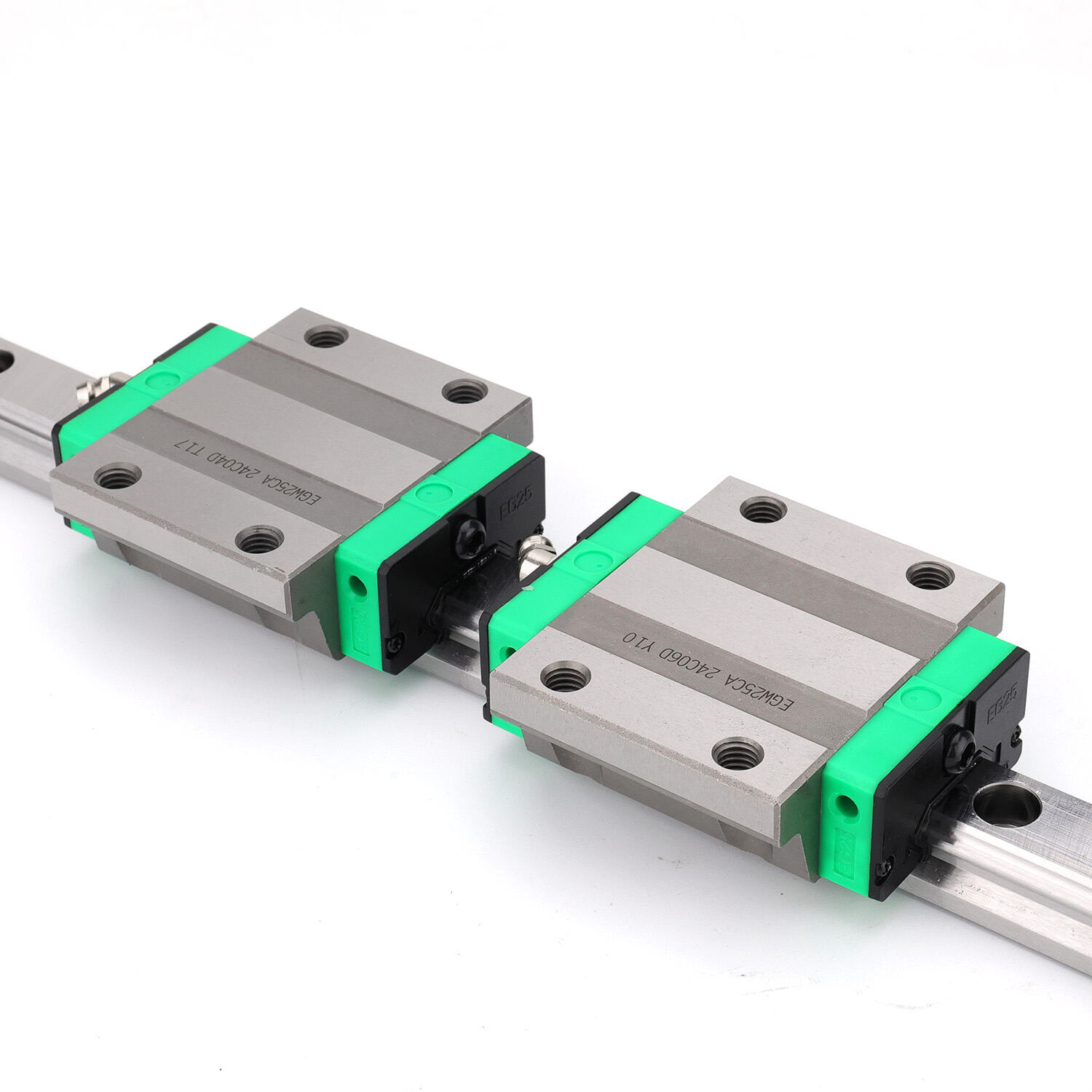
In the world of precision manufacturing, every component inside a CNC machine plays a critical role in determining the quality of the final output. Among these components, the linear slide stands out as one of the most consequential elements influencing accuracy, repeatability, and long-term operational reliability. Whether a machine is cutting aerospace-grade aluminum or engraving intricate patterns on medical devices, the performance of its linear slide directly shapes what is possible on the shop floor.
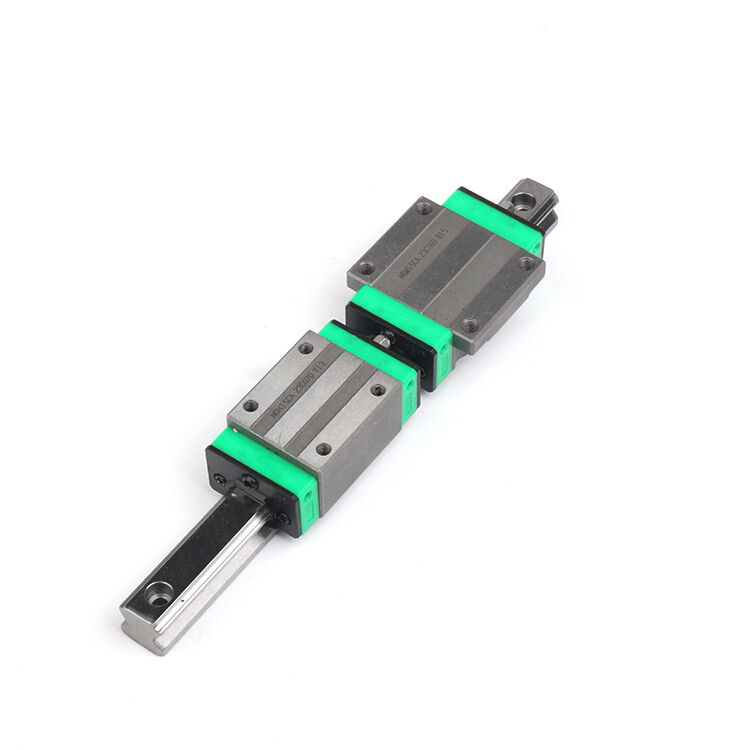
CNC machines are built around the principle of controlled, repeatable motion. That motion depends entirely on the mechanical guidance systems supporting each axis of travel. A high-quality linear slide provides the structural backbone for that motion — translating motor commands into smooth, precise displacement with minimal deviation. When that backbone is compromised by poor tolerances, substandard materials, or inadequate load ratings, the consequences ripple through every dimension the machine produces. This article explains why investing in superior linear slide technology is not merely a preference but a functional necessity for serious CNC operations.
The Role of a Linear Slide in CNC Motion Systems
Mechanical Foundation of Axis Movement
A CNC machine operates by commanding tools or workpieces to move along precisely defined paths in two, three, four, or five axes. Each axis requires a reliable guidance mechanism that constrains motion to a single intended direction while supporting the loads imposed by the tool, workpiece, and the mechanical structure itself. The linear slide fulfills this role by combining a rail, a carriage block, and rolling elements — typically recirculating ball or roller bearings — into a unified system that guides movement with micron-level precision.
The quality of this guidance directly determines how faithfully the machine follows its programmed path. A low-quality linear slide introduces play, micro-vibrations, and positional drift that corrupt the cutting path. Over time, these deviations accumulate and manifest as dimensional inconsistencies, surface roughness, and out-of-tolerance features that require rework or result in scrap parts. High-quality alternatives, by contrast, hold tighter geometric tolerances and maintain those tolerances through millions of travel cycles.
From a systems perspective, the linear slide is not simply a passive guide — it actively participates in every motion command the CNC controller issues. Its stiffness, preload level, and friction characteristics all influence how quickly and accurately the servo system can position the carriage. Poor mechanical quality forces the control system to work harder, increasing tracking error and reducing the machine's effective dynamic performance.
Load Transfer and Structural Rigidity
During machining, cutting forces are transmitted from the tool tip through the spindle, the machine structure, and ultimately into the linear slide rail and carriage. These forces can be substantial — especially during heavy roughing operations involving hard materials. A high-quality linear slide is engineered to absorb and distribute these forces without allowing the carriage to deflect from its intended path.
The rigidity of a linear slide is a function of its contact geometry, the number and size of rolling elements, the preload applied during manufacturing, and the precision of the rail profile. Industrial-grade components use hardened and ground steel rails with precisely formed raceway profiles that distribute contact stress evenly across multiple rolling elements. This design maximizes stiffness in all directions — vertical, lateral, and moment — providing the stability that CNC machining demands.
Inadequate stiffness in a linear slide creates a condition where the carriage deflects under load and recovers when the load is released. This elastic compliance introduces positioning errors that are difficult to compensate for in software alone, particularly during dynamic cutting conditions where load magnitude and direction change continuously.
How Linear Slide Quality Affects Machining Precision
Geometric Accuracy and Repeatability
Precision machining depends on the ability of a CNC machine to return to the same position repeatedly, day after day, cycle after cycle. This repeatability is fundamentally governed by the quality of the linear slide installed on each axis. High-grade components are manufactured to tight straightness, flatness, and parallelism tolerances, ensuring that the carriage travels along a highly predictable path.
When a linear slide is manufactured with insufficient geometric accuracy, the carriage deviates from a straight line as it travels. This deviation — known as pitch, yaw, and roll error — directly translates into dimensional errors on the finished part. For industries such as aerospace, medical devices, and semiconductor equipment, where tolerances measured in micrometers are non-negotiable, these errors are commercially unacceptable.
High-quality linear slide systems are graded and classified according to their geometric accuracy. Selecting the appropriate accuracy grade for a given application is part of the engineering process. An experienced machine builder or maintenance engineer understands that choosing a higher accuracy grade of linear slide is often the most cost-effective investment when manufacturing demands tight tolerances, because it eliminates the need for constant recalibration and reduces scrap rates significantly.
Surface Finish and Tool Life Implications
The connection between linear slide quality and surface finish is direct and measurable. When a carriage vibrates or experiences micro-stick-slip during travel, that motion is transferred to the cutting tool in the form of chatter. Chatter leaves visible marks on machined surfaces and dramatically shortens cutting tool life because the interrupted cutting action introduces shock loading on the tool edge.
A premium linear slide with correctly specified preload and high manufacturing quality moves smoothly and consistently across its full travel range. This smooth motion allows the cutting tool to maintain a stable engagement with the workpiece, producing better surface finishes without requiring reduced cutting parameters. In practice, this means the machine can run at higher productivity while still achieving the required surface quality.
Tool costs represent a significant portion of CNC operating expenses. By ensuring the linear slide on each axis provides vibration-free, chatter-resistant motion, manufacturers reduce the frequency of tool changes, lower consumable costs, and improve process consistency across production runs.
Durability and Long-Term Cost of Ownership
Material and Hardness Requirements
A linear slide used in CNC applications is subjected to continuous dynamic loading throughout its service life. The rails and carriage blocks must be manufactured from high-quality bearing steel that has been properly heat treated to achieve the hardness levels necessary to resist contact fatigue. Insufficient hardness leads to premature brinelling of the raceways — a form of surface damage where rolling elements indent the rail surface — causing increased noise, vibration, and play.
Quality manufacturers of linear slide components invest heavily in material selection, heat treatment processes, and surface grinding to ensure that their products meet the rigorous demands of industrial CNC use. The difference between a component rated for tens of millions of cycles and one that degrades within the first year of service comes down entirely to these foundational manufacturing decisions.
When a linear slide fails prematurely, the cost is not limited to the replacement part itself. Machine downtime, production delays, recalibration time, and potential damage to other machine components — such as ball screws or linear encoders — significantly amplify the total impact. This makes the initial quality of the linear slide a critical factor in the total cost of ownership calculation for any CNC machine.
Sealing, Lubrication, and Environmental Resistance
CNC machining environments expose linear slide components to metal chips, coolant mist, abrasive particles, and varying temperatures. High-quality linear slide systems address these challenges through robust sealing designs, integrated lubrication features, and corrosion-resistant surface treatments. End seals and side seals prevent contaminant ingress into the carriage block, protecting the rolling elements and raceways from accelerated wear.
Many premium linear slide designs incorporate grease nipples or oil inlet ports that allow for periodic relubrication without removing the carriage from the rail. Some advanced designs include self-lubricating elements that reduce maintenance intervals further. These features are not present in low-cost alternatives, which rely on factory-applied grease that depletes quickly under demanding conditions, leaving the internal components unprotected.
The practical implication is clear: a well-sealed, properly lubricated linear slide maintains its performance characteristics far longer than a comparable component lacking these design features. For CNC machine operators running multiple shifts in demanding environments, this difference translates directly into reduced maintenance costs and higher machine availability.
Selecting the Right Linear Slide for CNC Applications
Matching Load Ratings and Preload to Application Requirements
Not all CNC machines impose the same demands on their linear slide systems. A high-speed gantry router used for cutting soft composites has different requirements than a heavy-duty machining center cutting hardened steel. Matching the static and dynamic load ratings of the linear slide to the actual forces generated in the application is fundamental to both performance and longevity.
Preload is another critical parameter. A linear slide with inadequate preload exhibits play under reversing loads, causing positioning errors during direction changes. Excessive preload, on the other hand, increases friction, generates heat, and reduces fatigue life. Quality manufacturers offer multiple preload classes to allow engineers to select the optimal balance for their specific application.
Understanding the relationship between accuracy grade, preload class, and application requirements is an engineering discipline in itself. For most CNC machining applications, medium preload combined with a high accuracy grade provides the best balance of stiffness, smooth motion, and service life. Consulting manufacturer specifications and application engineering resources is strongly recommended when specifying a linear slide for a new machine design or retrofit.
Installation Quality and Mounting Surface Preparation
Even the highest quality linear slide will underperform if it is not installed correctly. The mounting surface must be flat, straight, and free of burrs, chips, and surface defects that would distort the rail geometry after installation. Any deviation in the mounting surface is transferred directly to the rail, negating the precision built into the component during manufacturing.
Proper torque application on mounting screws is equally important. Under-torquing allows the rail to shift under load; over-torquing distorts the rail profile and introduces straightness errors. High-quality linear slide manufacturers provide detailed installation guidelines, including torque specifications, mounting surface flatness requirements, and alignment procedures, to ensure that the full performance of the component is realized in the field.
For CNC machine builders and retrofit engineers, investing time in proper surface preparation and installation procedure is the final step in realizing the full value of a high-quality linear slide. Shortcutting this step — regardless of the component quality — will inevitably produce a machine that fails to meet its performance potential.
FAQ
What is a linear slide and why is it important in CNC machines?
A linear slide is a precision mechanical component that guides movement along a single axis within a CNC machine. It consists of a hardened rail and a carriage block with internal rolling elements. Its importance lies in its direct control over positioning accuracy, motion smoothness, and structural rigidity — all of which determine the quality and consistency of machined parts.
How often should a linear slide be replaced in a CNC machine?
The service life of a linear slide depends on the applied loads, operating speed, lubrication frequency, and environmental conditions. High-quality components from reputable manufacturers can last for tens of millions of travel cycles when properly maintained. Regular inspection for play, noise, and unusual vibration provides early warning of wear before it affects machine accuracy.
Can a worn linear slide affect the dimensional accuracy of machined parts?
Yes, absolutely. A worn linear slide develops play in the carriage, which introduces positioning errors and carriage instability during cutting. These errors appear directly on the machined surface as dimensional deviations, poor surface finish, or out-of-tolerance features. Replacing a worn linear slide is often the most effective corrective action when a CNC machine begins producing inaccurate parts.
What is the difference between accuracy grades in a linear slide?
Accuracy grades classify the geometric precision of a linear slide system — specifically the straightness of travel, height variation, and width variation of the carriage block across the full rail length. Higher accuracy grades have tighter tolerances and are manufactured to more demanding inspection standards. For CNC applications requiring micron-level precision, selecting a high accuracy grade linear slide is essential to achieving and maintaining the required part tolerances.