
 EN
EN
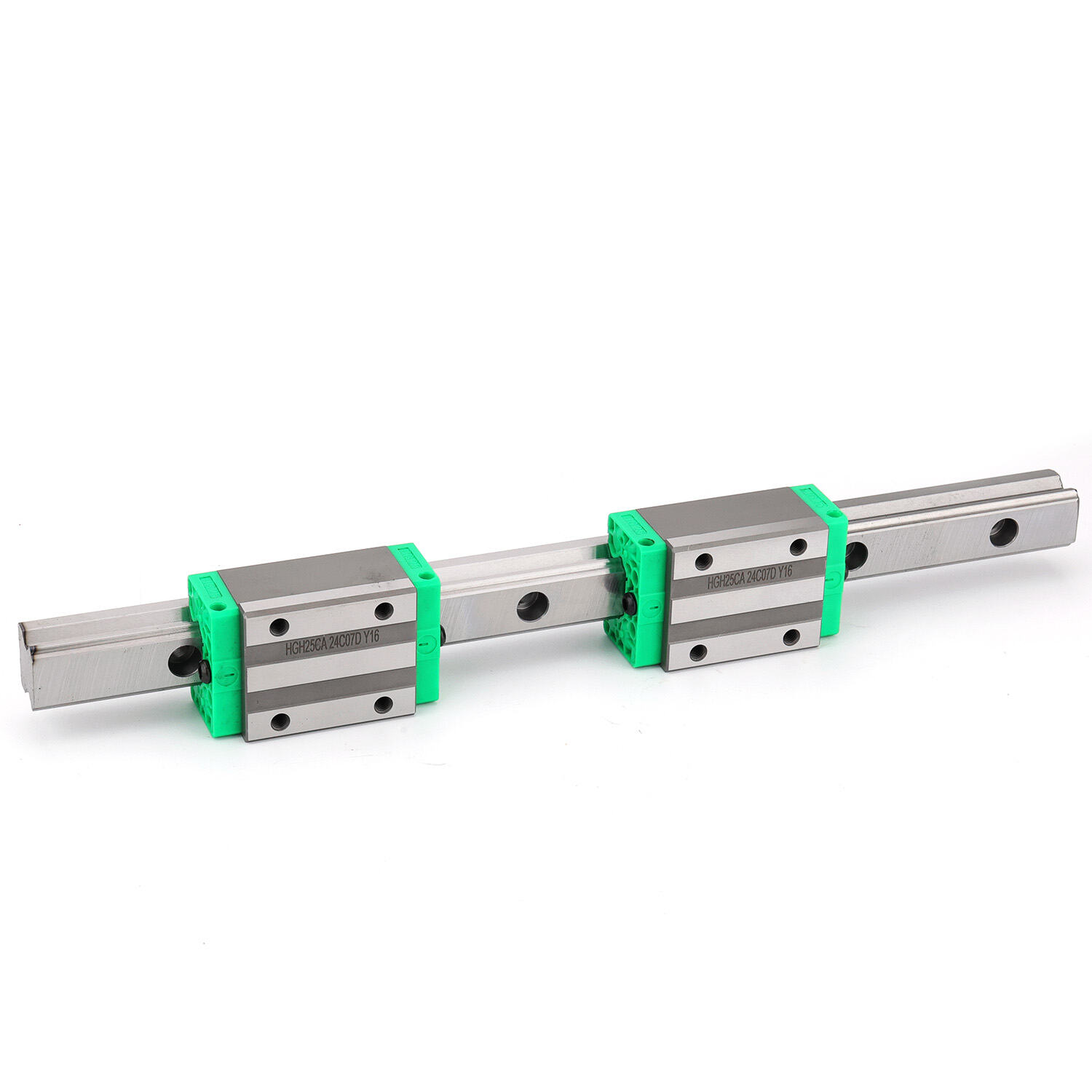
Choosing the right motion component for a precision application is rarely straightforward. Engineers and procurement teams regularly face a decision that carries real consequences for machine performance, service life, and total cost: when does a linear slide make more sense than other guide technologies? The answer depends on a combination of load requirements, travel distance, environmental conditions, and the level of positional accuracy the application demands. Understanding these factors clearly is the first step toward making a confident, well-justified selection.
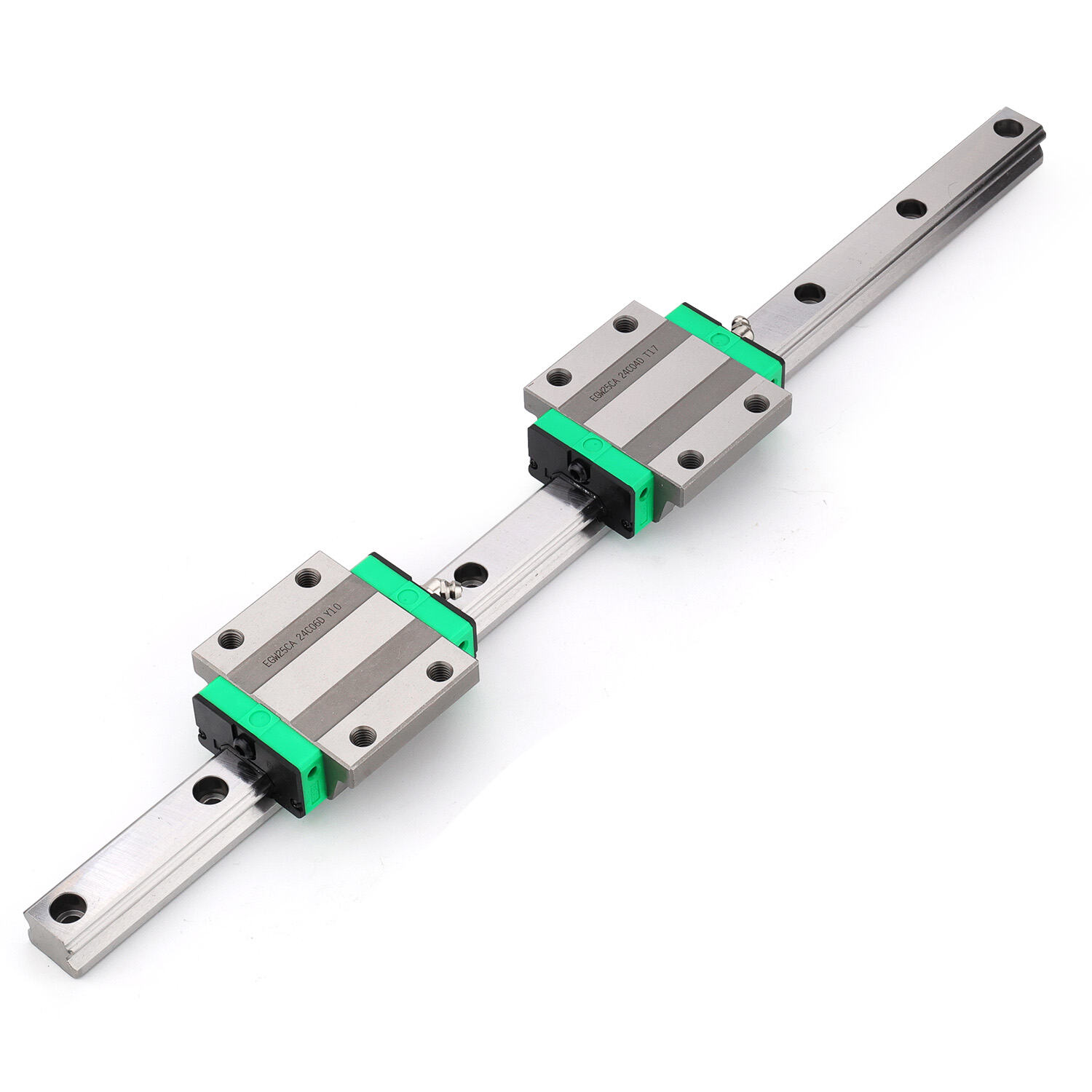
A linear slide is a mechanical assembly designed to constrain motion along a single axis while supporting loads in multiple directions. It typically combines a rail, a carriage, and a recirculating rolling element system — most commonly ball or roller bearings — to deliver smooth, repeatable travel. Compared to plain bushings, dovetail slides, or round-shaft guides, a linear slide offers a distinct performance profile that suits certain applications far better than others. This article examines the specific conditions and decision points that indicate a linear slide is the right choice, helping you avoid over-engineering or under-specifying your next design.
Understanding What a Linear Slide Actually Delivers
The Core Mechanical Advantage
A linear slide is built around rolling contact rather than sliding contact. This fundamental difference means friction is dramatically lower compared to plain or dovetail guides, which rely on surface-to-surface contact lubricated by grease or oil films. Lower friction translates directly into reduced drive force requirements, less heat generation, and more predictable motion behavior across the full travel range.
The recirculating ball or roller elements inside a linear slide carriage also provide multi-directional load capacity. A well-specified linear slide can handle radial loads, reverse radial loads, and lateral loads simultaneously, making it suitable for cantilevered or offset load configurations that would quickly wear out simpler guide types. This load versatility is one of the primary reasons engineers reach for a linear slide when the application involves complex force vectors.
Rigidity is another defining characteristic. Because the rolling elements are preloaded against the rail, a linear slide exhibits very low deflection under load. This stiffness is critical in applications where positional accuracy must be maintained even as cutting forces, clamping forces, or payload weights vary during a cycle.
How a Linear Slide Compares to Alternative Guide Types
Plain bushings and round-shaft guides are cost-effective and easy to source, but they sacrifice rigidity and moment load capacity. They work well for light-duty, low-precision applications but become problematic when loads are heavy, travel is long, or accuracy tolerances tighten. A linear slide steps in precisely where these limitations become unacceptable.
Dovetail slides offer good rigidity and are self-adjusting for wear, but their sliding contact generates more friction and requires careful lubrication management. They are well-suited to slow, heavy-duty applications like machine tool tables but are less appropriate for high-speed, high-cycle automation where a linear slide excels.
Crossed roller guides provide exceptional accuracy and stiffness in compact form factors, but their load capacity and travel length are limited. A linear slide covers a much broader range of load and travel combinations, making it the more versatile choice across diverse industrial applications.
Decision Conditions That Favor a Linear Slide
High Cycle Count and Speed Requirements
When an application demands thousands or millions of cycles at meaningful travel speeds, a linear slide is almost always the correct choice. The rolling element design minimizes wear per cycle compared to sliding contact alternatives, and the low friction coefficient allows higher traverse speeds without excessive heat buildup or lubrication breakdown.
Automated assembly lines, pick-and-place systems, semiconductor handling equipment, and packaging machinery all share this characteristic. In these environments, a linear slide delivers the combination of speed, repeatability, and service life that keeps production uptime high and maintenance intervals long. Choosing a plain guide or dovetail slide in these conditions typically results in premature wear, increasing play, and degraded positional accuracy well before the expected service interval.
The rated dynamic load capacity of a linear slide is directly tied to its calculated service life in millions of meters of travel. Engineers can use this rating to verify that the selected linear slide will survive the application's duty cycle with an appropriate safety margin, a level of quantitative confidence that simpler guide types rarely offer.
Tight Positional Accuracy and Repeatability Demands
Any application where the carriage must return to the same position reliably — within microns or tens of microns — is a strong candidate for a linear slide. The preloaded rolling elements eliminate backlash and minimize elastic deflection, so the carriage position is a direct, predictable function of the drive input rather than a variable influenced by guide compliance or wear state.
CNC machining centers, laser cutting systems, coordinate measuring machines, and medical imaging equipment all depend on this level of positional fidelity. A linear slide in these applications is not simply a convenience — it is a functional requirement. Substituting a lower-precision guide type would compromise the output quality of the machine in ways that cannot be corrected downstream.
Preload class selection within the linear slide family also allows engineers to tune the stiffness-versus-friction tradeoff. Light preload suits high-speed, lower-load applications, while medium or heavy preload suits applications where rigidity under varying loads is the priority. This adjustability makes the linear slide a flexible platform rather than a fixed solution.
Application Scenarios Where a Linear Slide Outperforms Alternatives
Multi-Axis Machine Structures
In multi-axis machines — gantries, Cartesian robots, five-axis machining centers — each axis must contribute minimal error to the cumulative positioning accuracy of the system. A linear slide on each axis provides the stiffness and accuracy needed to keep the total system error within acceptable bounds. Using lower-grade guides on even one axis introduces a weak link that degrades the entire machine's performance.
The compact cross-section of a modern linear slide also simplifies machine frame design. Because the linear slide handles loads in all directions, the machine structure does not need to be designed around compensating for guide compliance. This often results in lighter, more cost-effective frames without sacrificing rigidity at the tool or end-effector.
Interchangeability is a practical advantage in multi-axis designs as well. Standard linear slide sizes are widely available, and carriages from the same series can often be mixed on a single rail to adjust load distribution or carriage spacing without redesigning the entire axis.
Cleanroom, Food Processing, and Harsh Environment Applications
Specialized variants of the linear slide are engineered for environments where contamination, corrosion, or washdown exposure would destroy standard guides. Stainless steel linear slide assemblies, sealed carriage designs, and corrosion-resistant coatings extend the technology into food processing lines, pharmaceutical manufacturing, and outdoor or marine equipment.
In cleanroom environments, a linear slide with low-outgassing lubrication and sealed end caps minimizes particulate generation, a critical requirement in semiconductor fabrication and optical assembly. Plain guides or open dovetail slides would generate unacceptable contamination levels in these settings.
For high-temperature or chemically aggressive environments, selecting the appropriate linear slide variant — with ceramic balls, PTFE-based seals, or special coatings — allows the technology to function where standard steel guides would fail rapidly. The breadth of available configurations is one reason the linear slide has become the default choice across such a wide range of industries.
When a Linear Slide May Not Be the Optimal Choice
Very Low Load, Low Precision, Low Budget Applications
A linear slide carries a cost premium over plain bushings or simple round-shaft guides. In applications where loads are very light, accuracy requirements are loose, cycle counts are low, and budget is the dominant constraint, a simpler guide type may deliver adequate performance at lower cost. Consumer products, light-duty fixtures, and prototype rigs often fall into this category.
The decision should always be driven by a clear-eyed assessment of what the application actually requires. Over-specifying with a high-grade linear slide where a plain guide would suffice adds cost without adding value. The goal is to match the guide technology to the real performance requirements, not to default to the most capable option regardless of context.
That said, engineers should be cautious about under-specifying. A linear slide that is correctly sized for an application will typically outlast and outperform a cheaper alternative that is pushed beyond its design envelope. The total cost of ownership — including maintenance, downtime, and replacement — often favors the linear slide even when the initial purchase price is higher.
Extremely Short Travel or Oscillating Motion
Recirculating ball linear slide designs require a minimum travel distance to allow the rolling elements to complete their recirculation path properly. In applications with very short strokes — a few millimeters of oscillating motion — the balls may not recirculate fully, leading to uneven wear and reduced service life. In these cases, a crossed roller guide or a flexure-based guide may be more appropriate.
Engineers should always verify that the intended stroke length is compatible with the selected linear slide model's minimum travel specification. Most manufacturers publish this parameter, and respecting it is essential for achieving the rated service life. For borderline cases, a longer carriage with more rolling elements can sometimes extend the usable stroke range of a linear slide in short-travel applications.
FAQ
What is the main reason to choose a linear slide over a plain bushing guide?
The primary reason is the combination of lower friction, higher rigidity, and multi-directional load capacity that a linear slide provides. Plain bushing guides rely on sliding contact, which generates more friction, wears faster under load, and offers less stiffness. A linear slide is the better choice whenever accuracy, speed, or service life requirements exceed what a plain guide can reliably deliver.
Can a linear slide handle both radial and lateral loads at the same time?
Yes. A properly specified linear slide is designed to carry radial, reverse radial, and lateral loads simultaneously. The preloaded rolling elements distribute these forces across the rail and carriage contact geometry, making the linear slide suitable for offset or cantilevered load configurations that would quickly damage simpler guide types.
How do I know if a linear slide is correctly sized for my application?
Sizing a linear slide correctly requires calculating the applied loads — including dynamic forces, moments, and any shock or vibration factors — and comparing them against the rated static and dynamic load capacities of the selected model. The calculated service life in travel distance should then be verified against the application's expected duty cycle with an appropriate safety factor. Most linear slide manufacturers provide load rating tables and life calculation formulas to support this process.
Is a linear slide suitable for high-speed automation equipment?
A linear slide is one of the most common choices for high-speed automation precisely because its low rolling friction allows high traverse speeds without excessive heat or lubrication breakdown. The key is to select a linear slide model with an appropriate speed rating for the application and to ensure the lubrication system — whether grease-packed or oil-fed — is matched to the operating speed and temperature range of the equipment.