All Categories

Get a Free Quote

Our representative will contact you soon.
Email
Name
Company Name
Message
0/1000
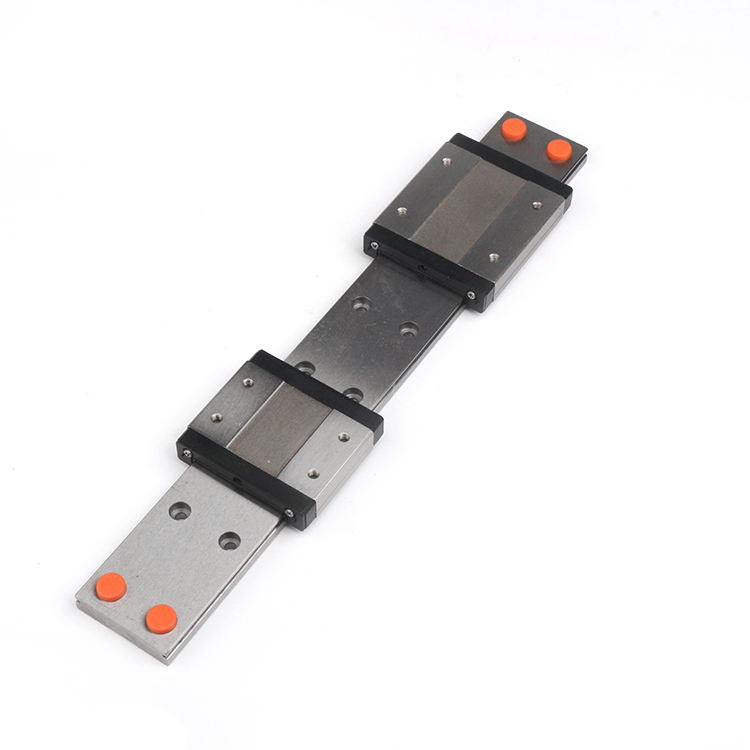
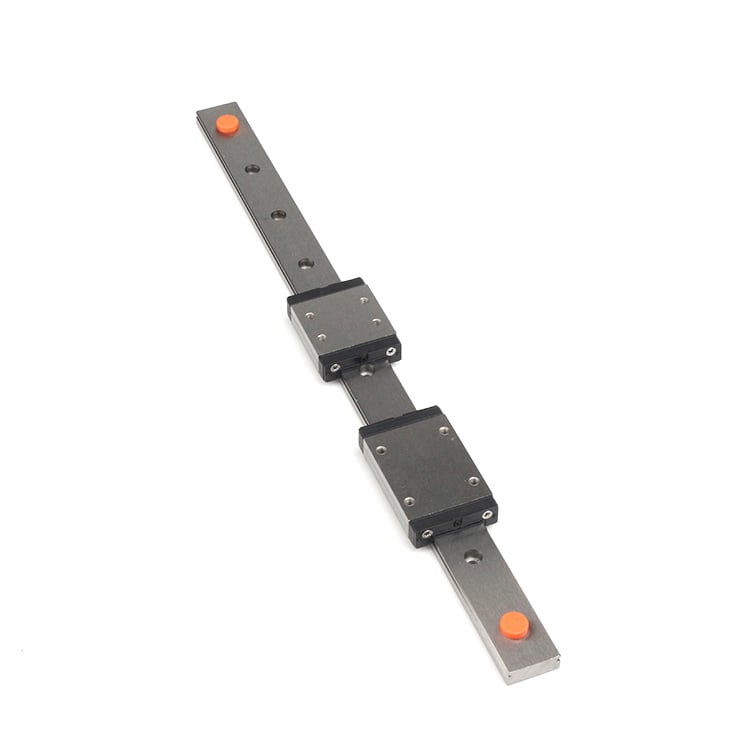
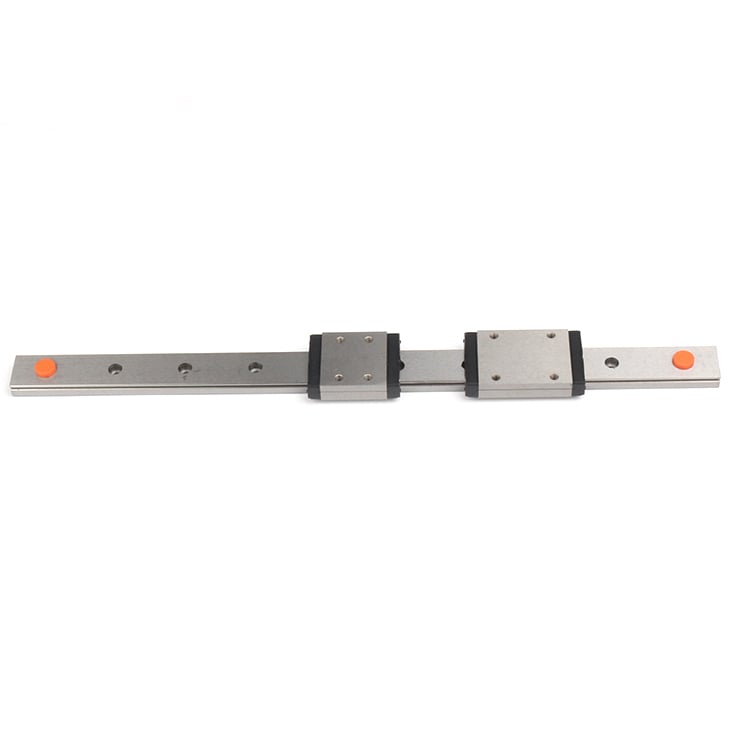
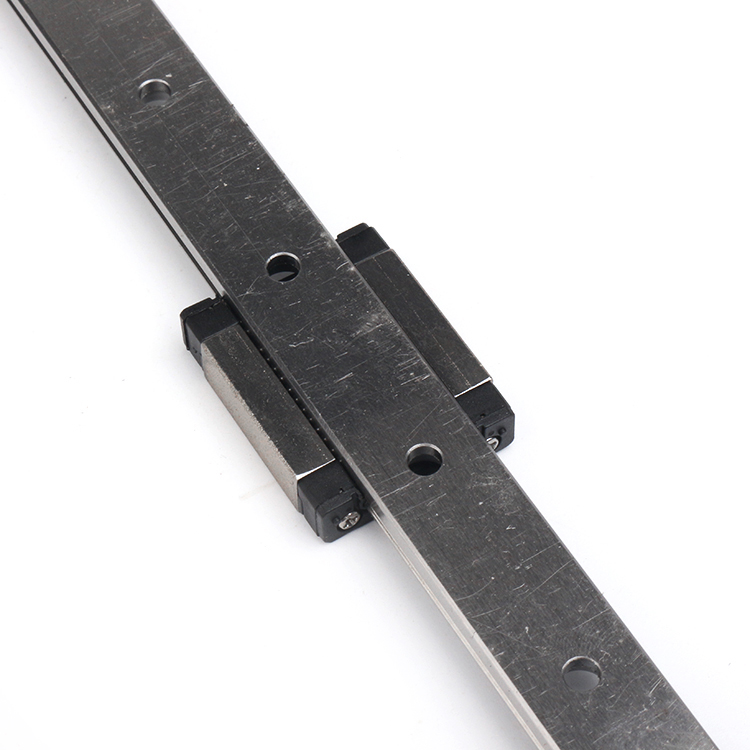
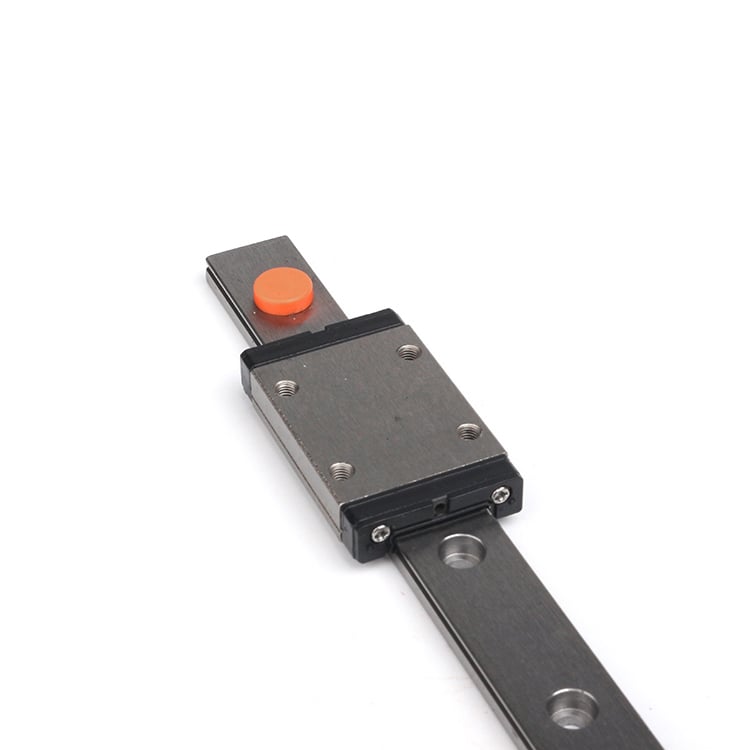
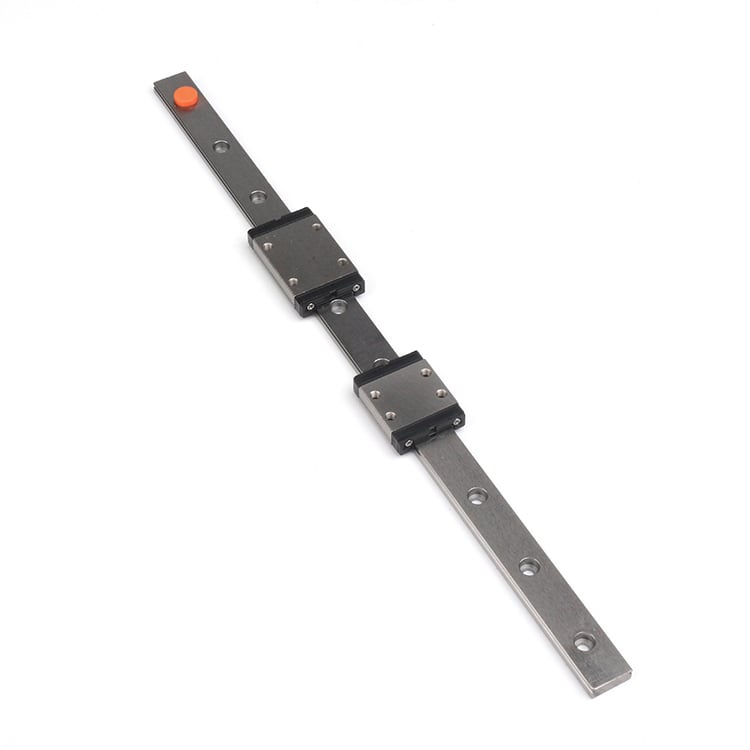
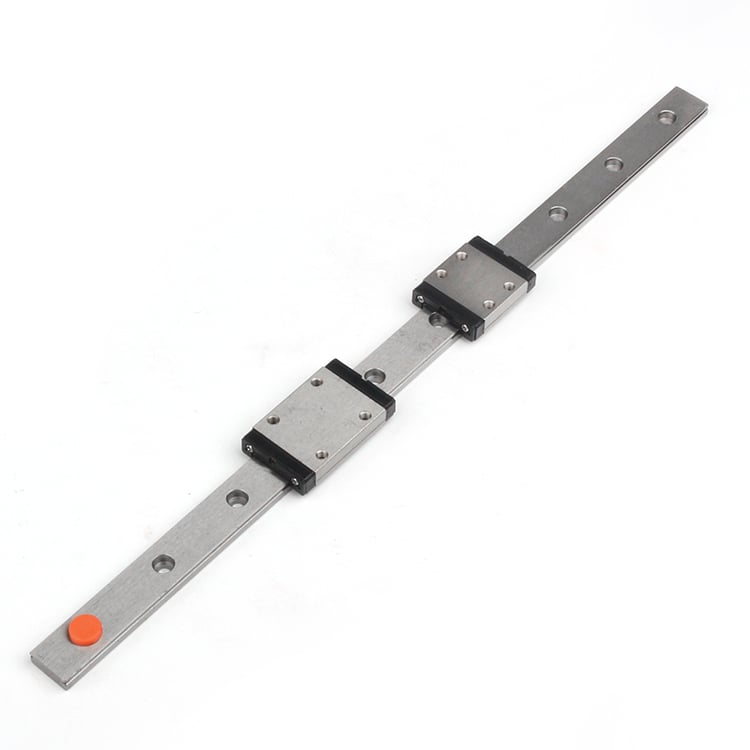
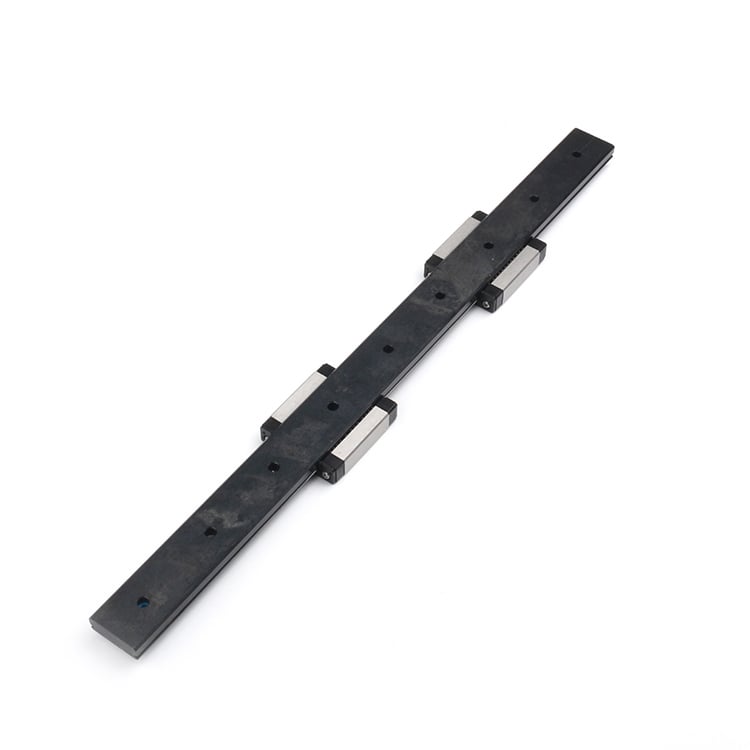
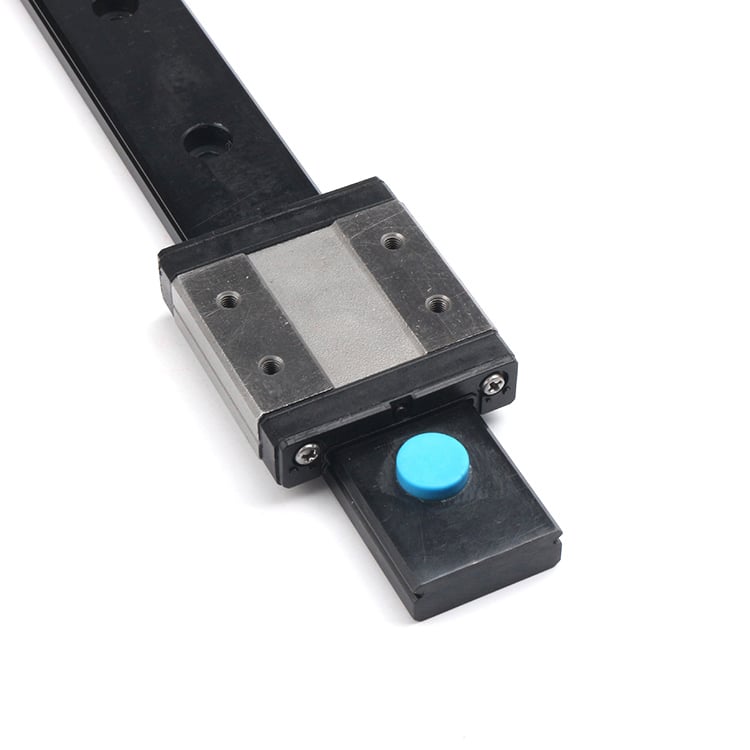
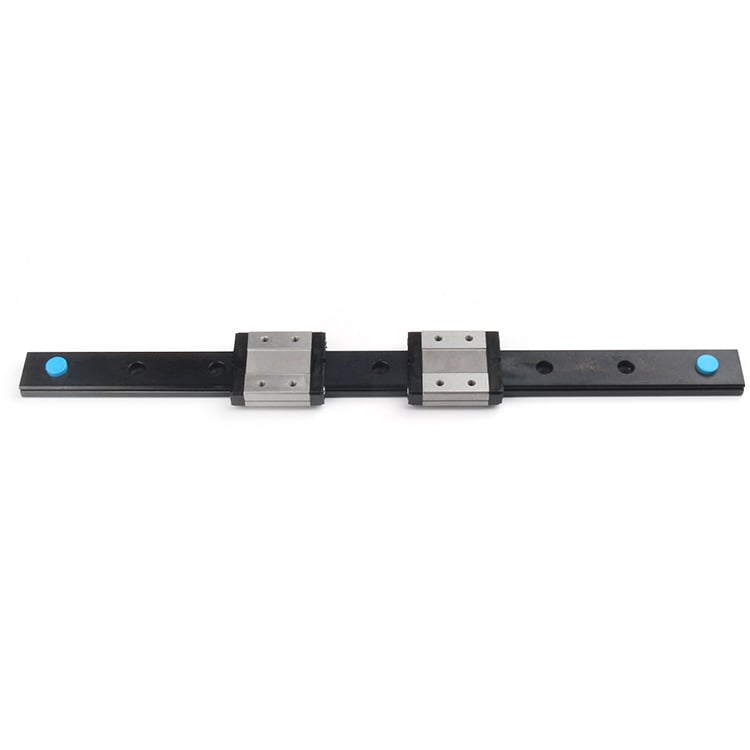
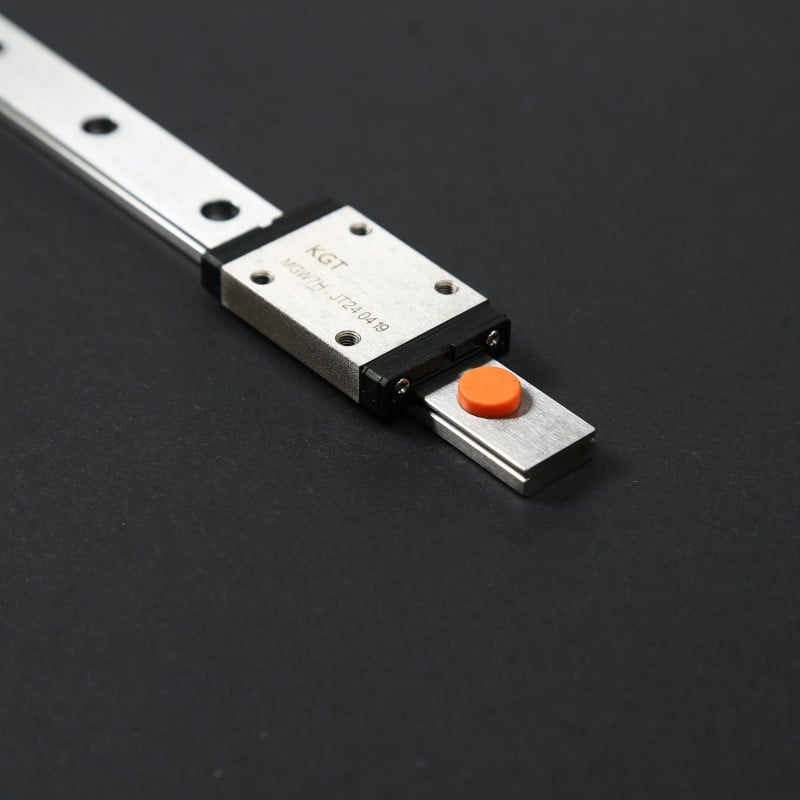
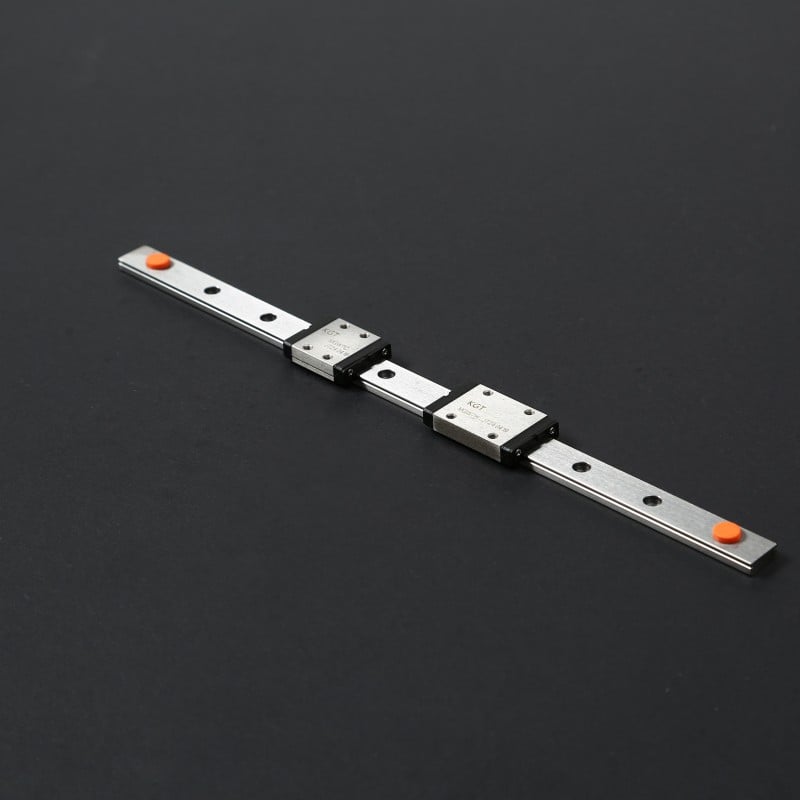
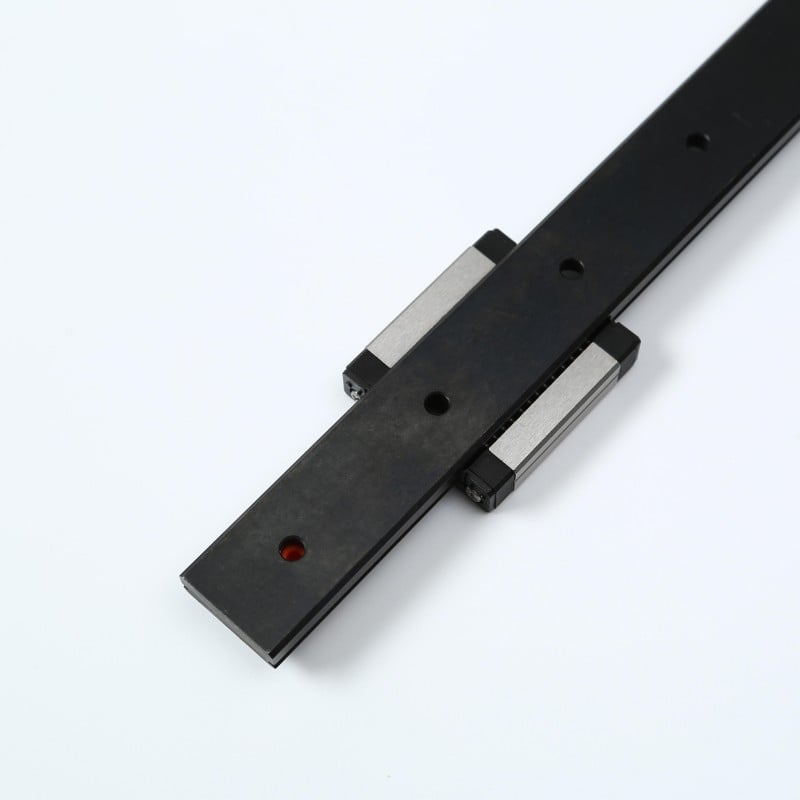
mgw series linear guideway-0

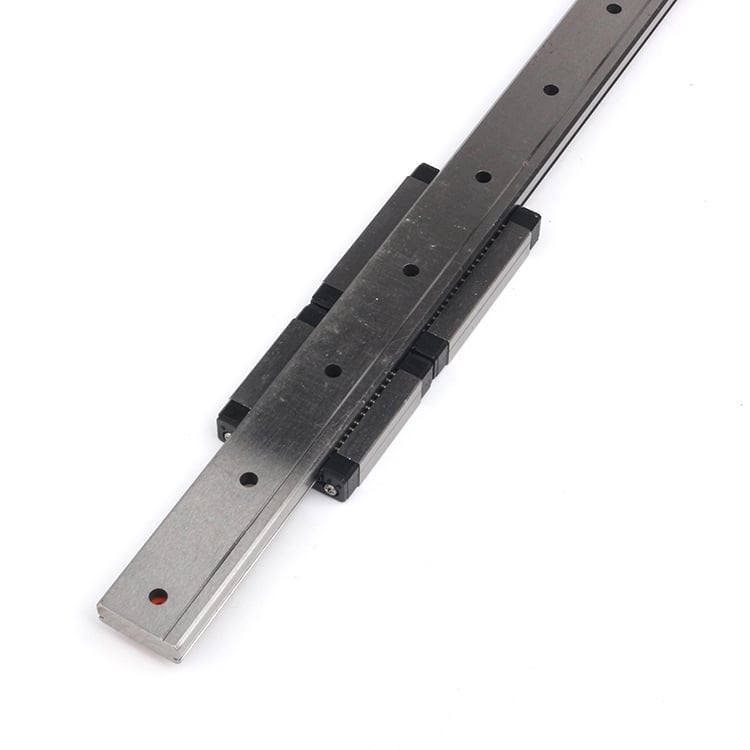
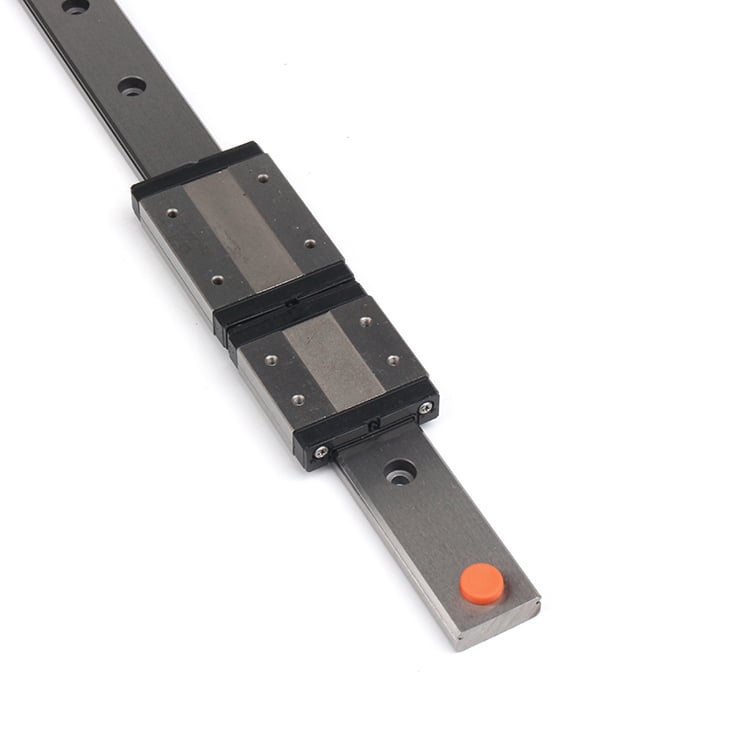
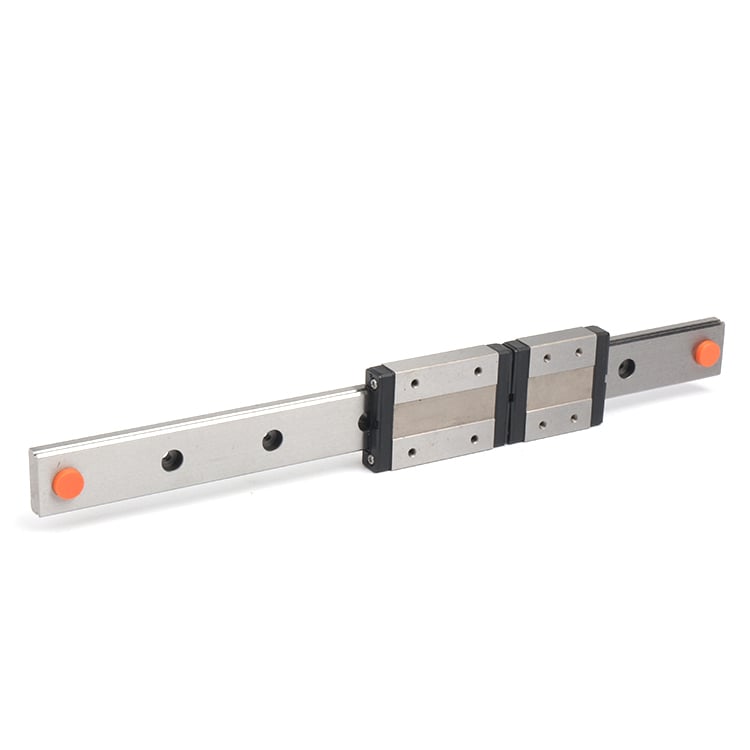
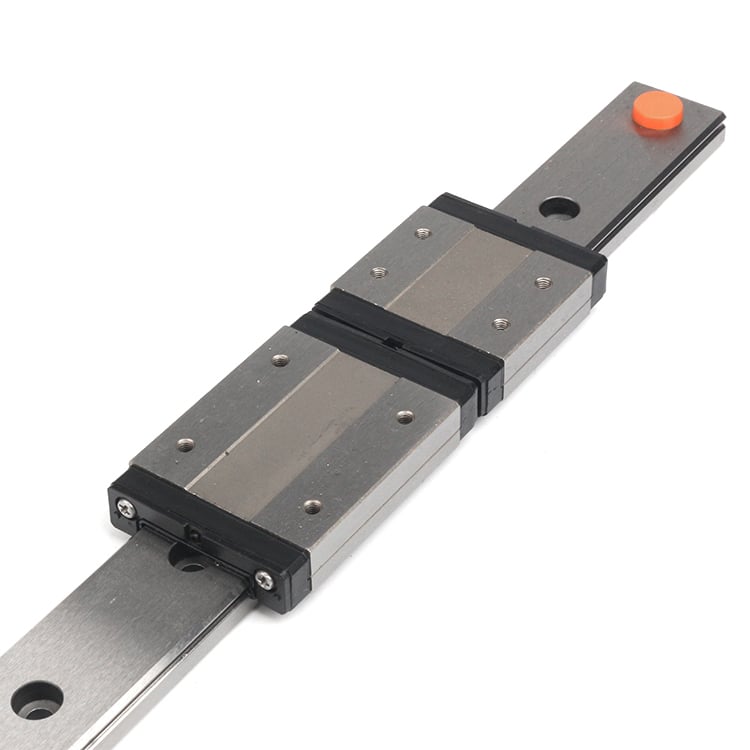
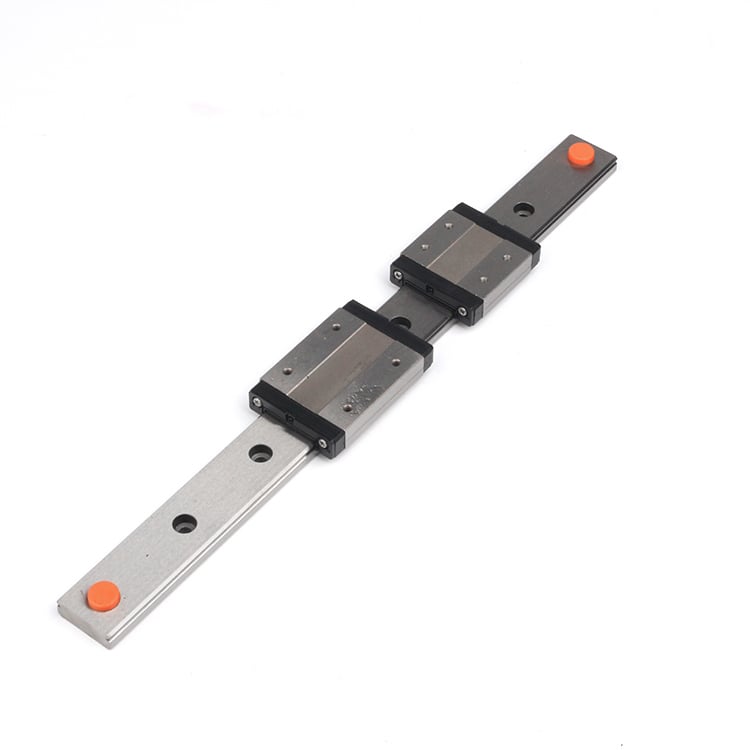
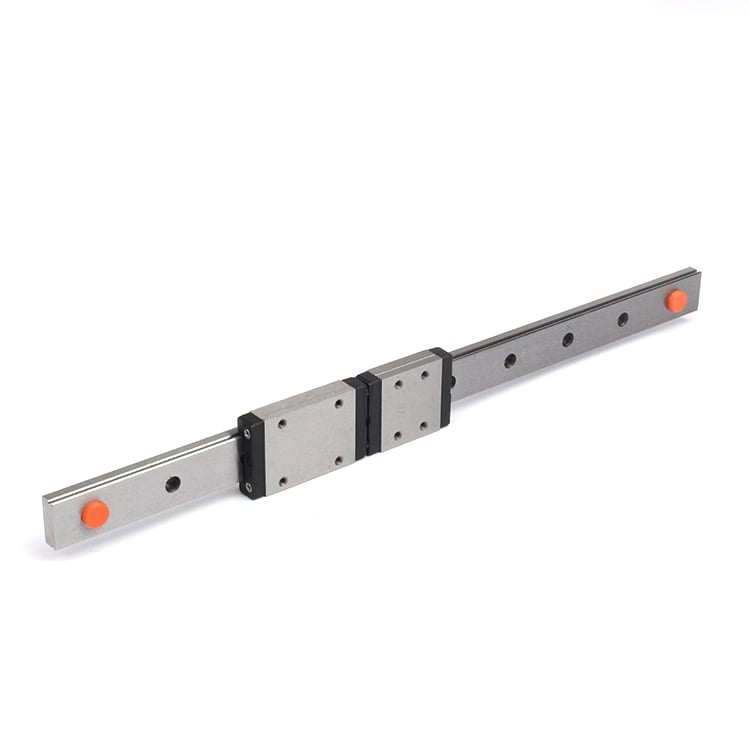
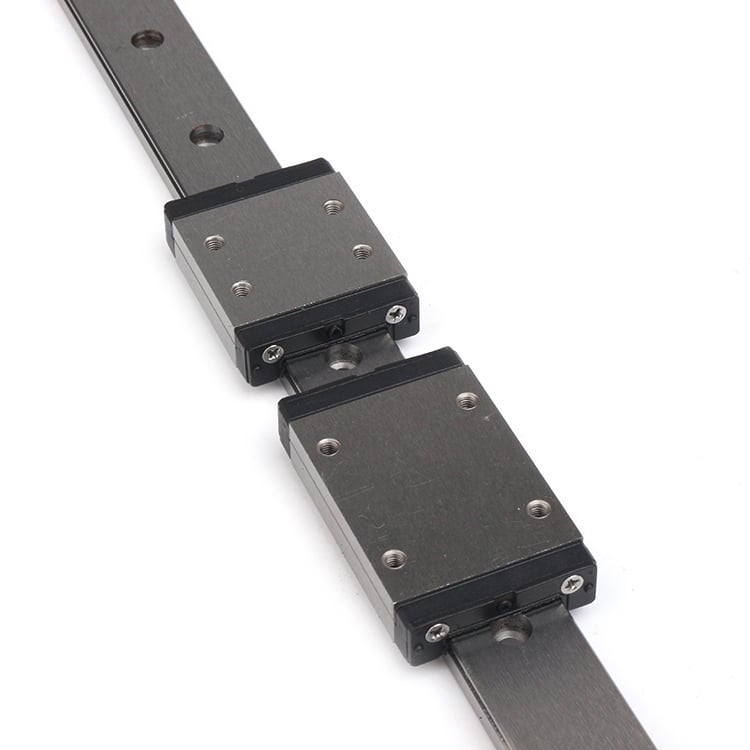
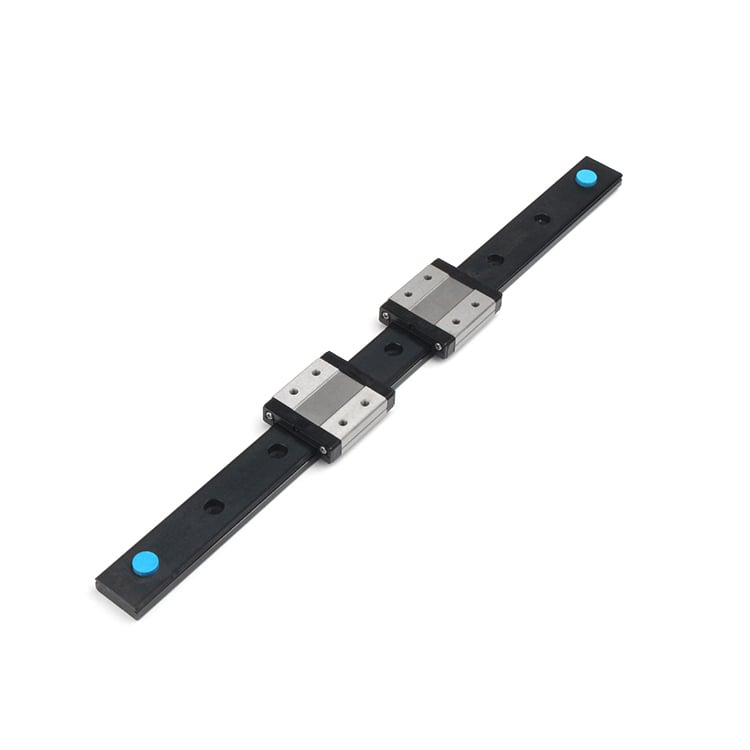
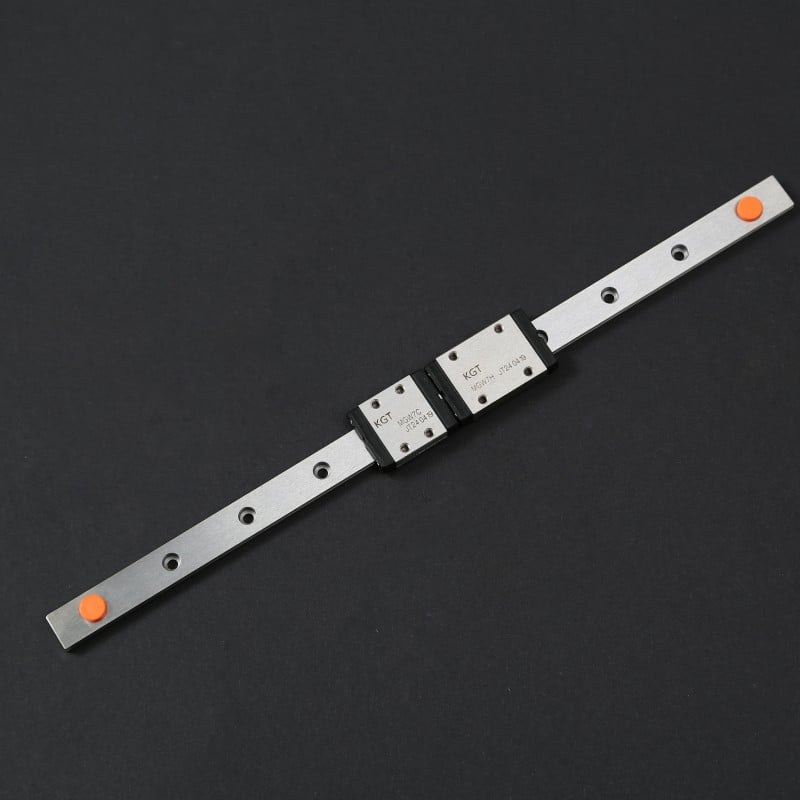
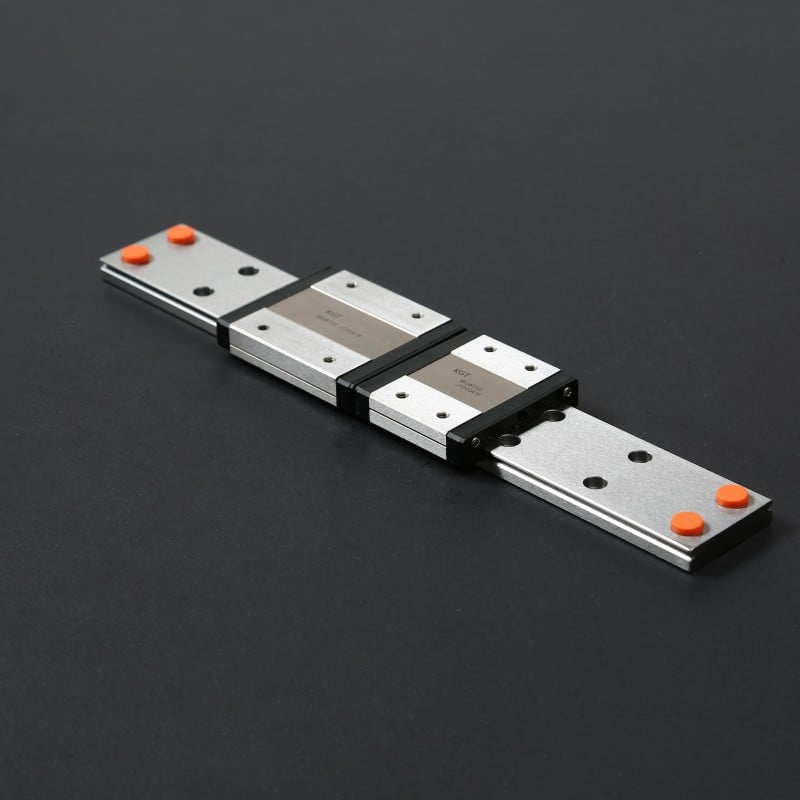
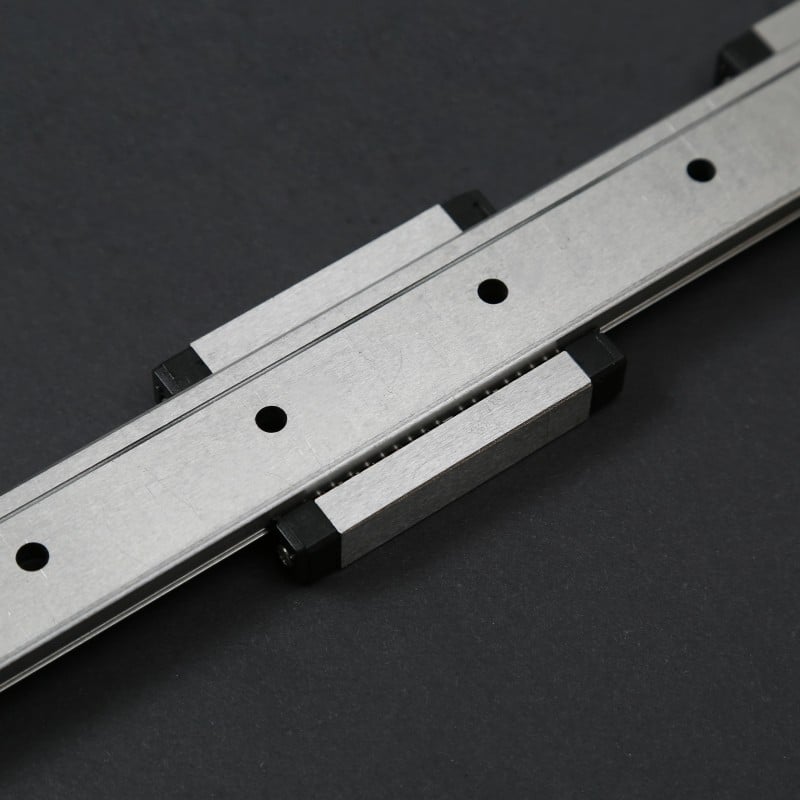
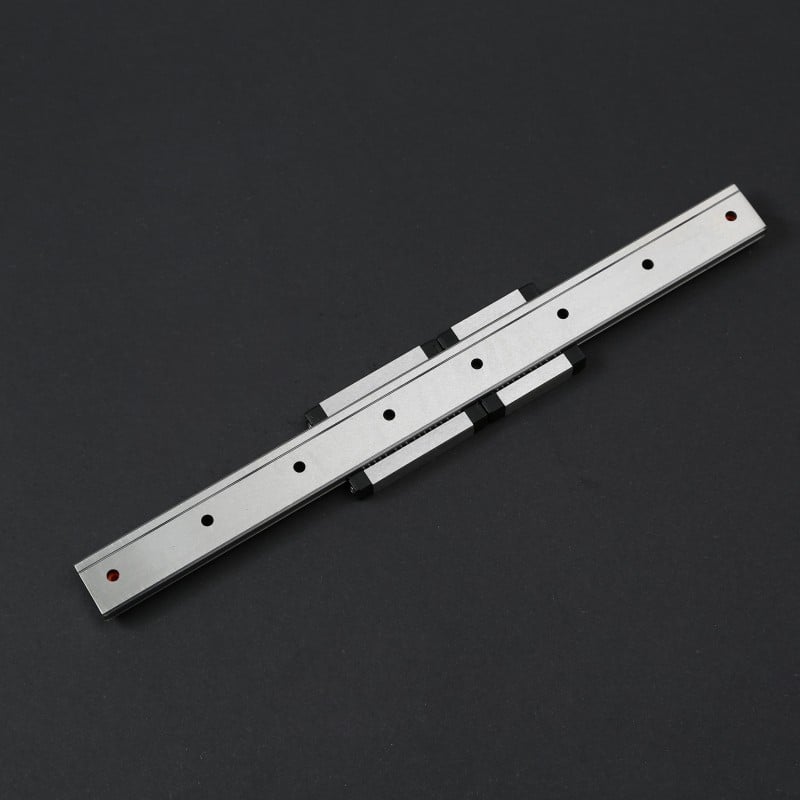
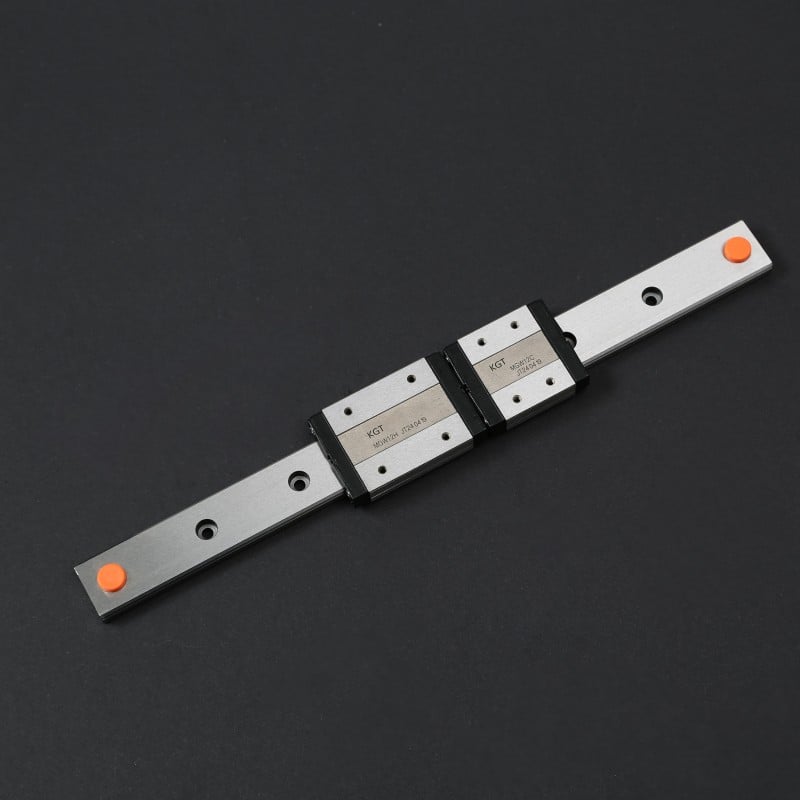
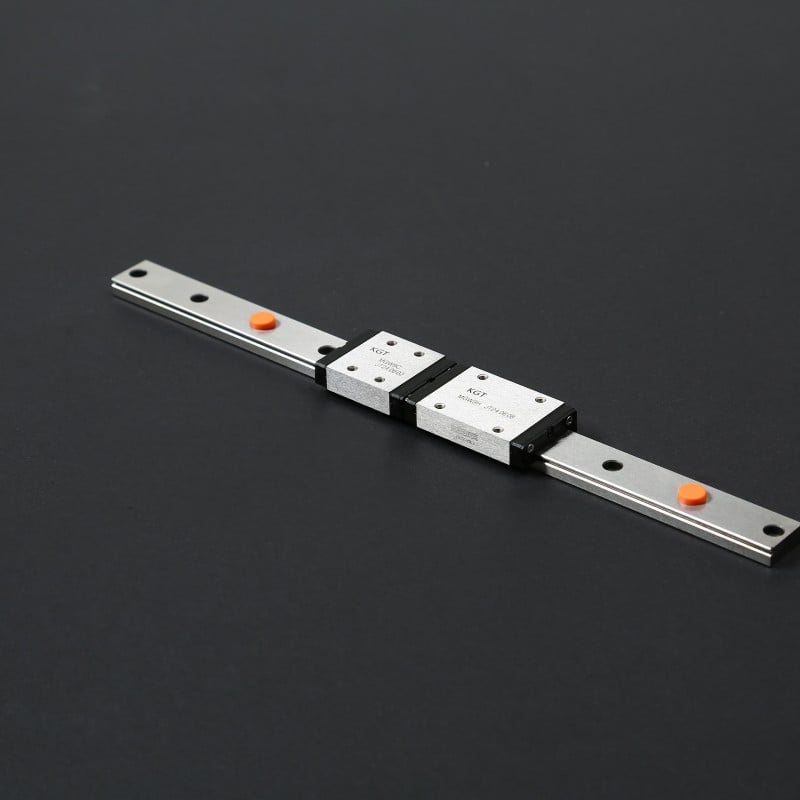
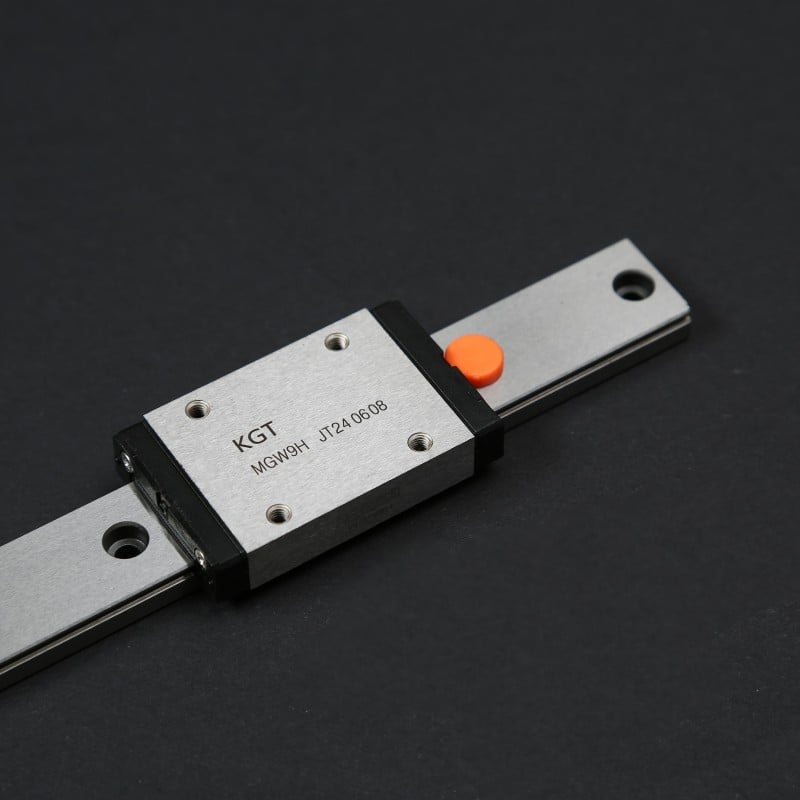
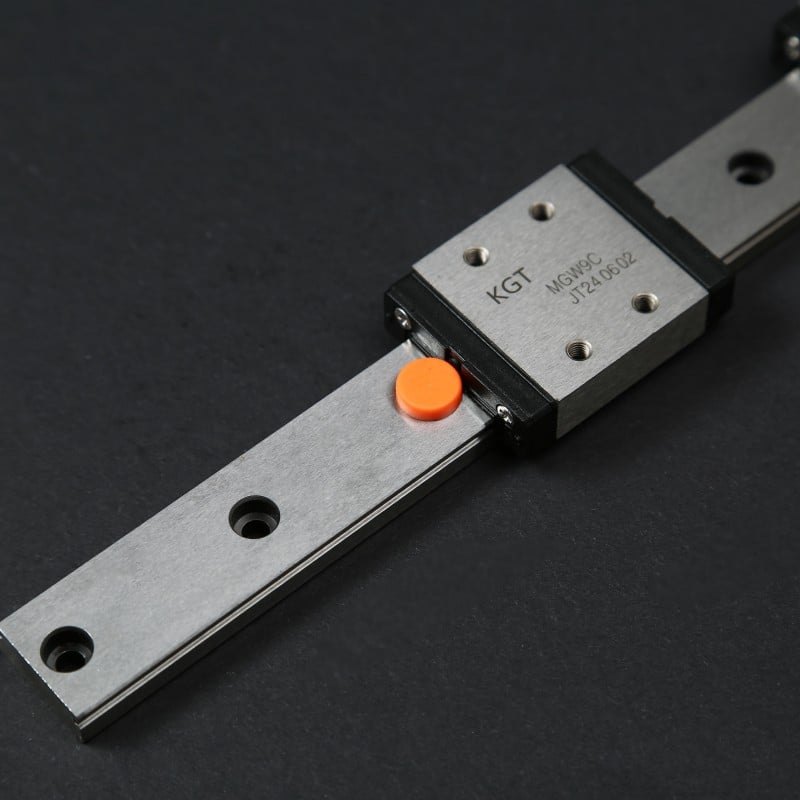
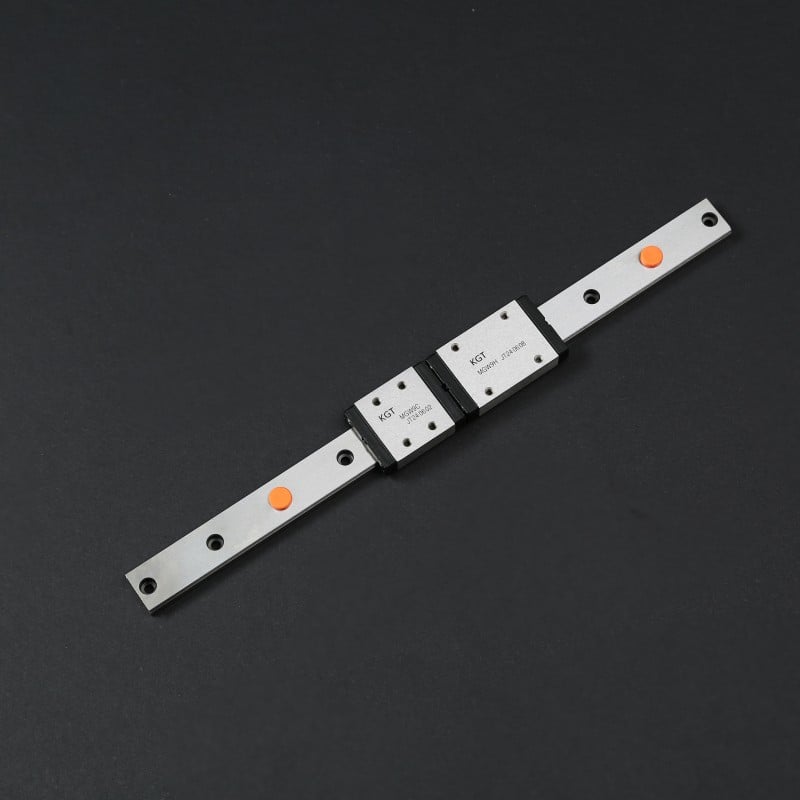
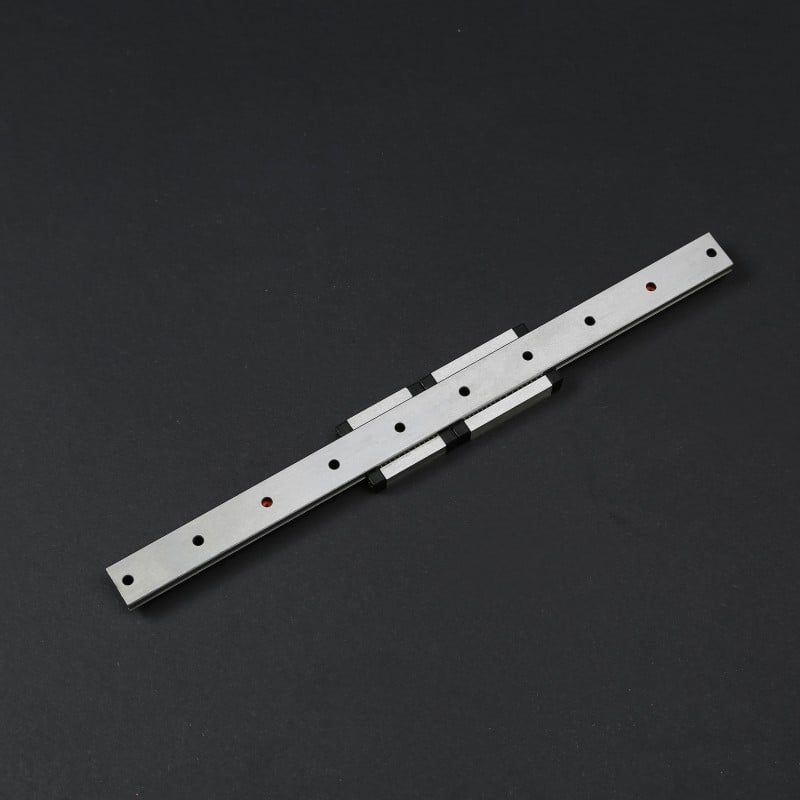
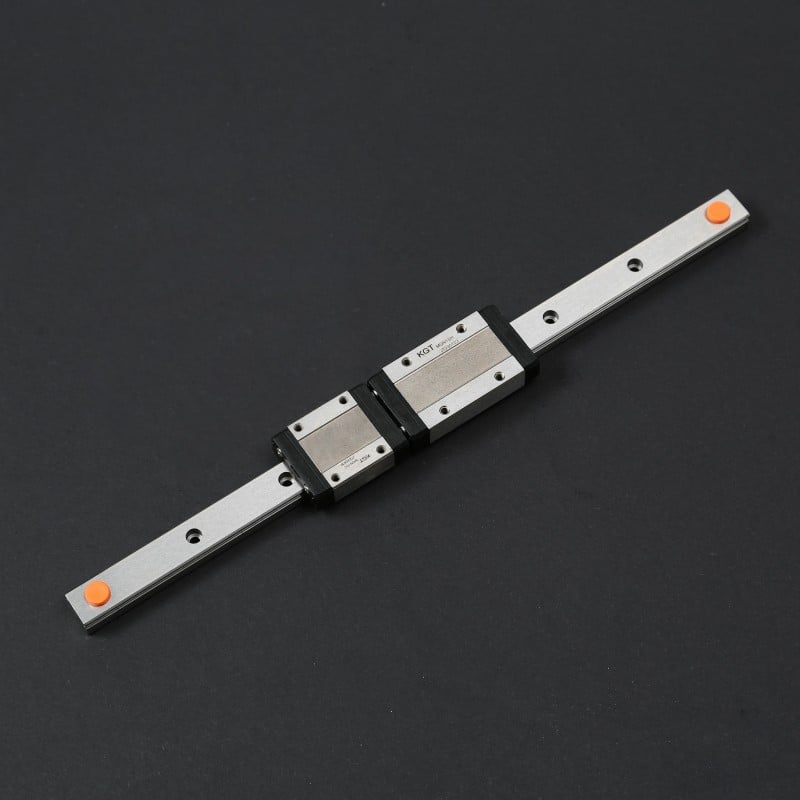
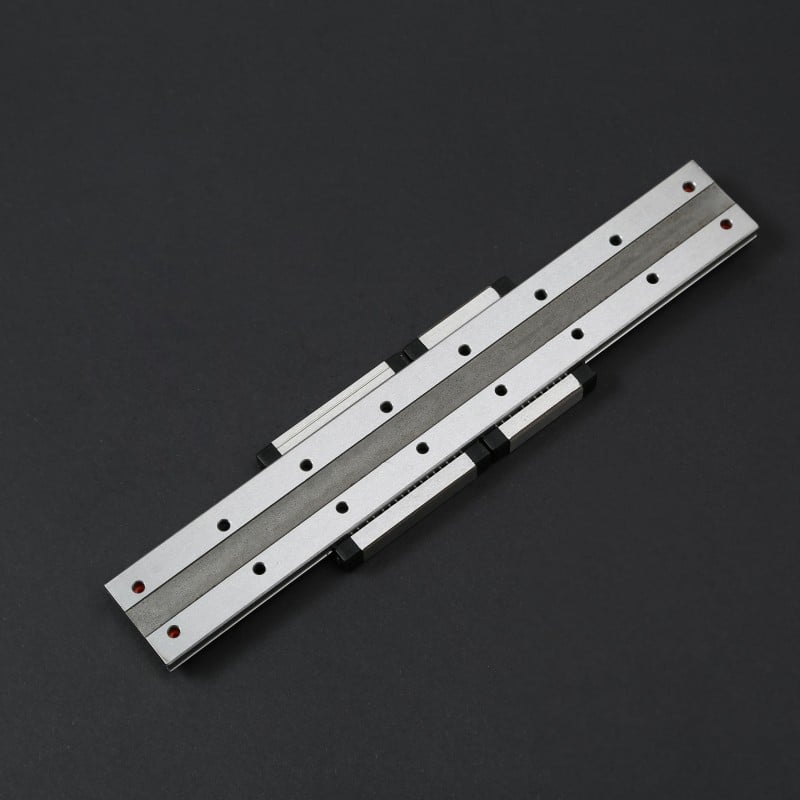
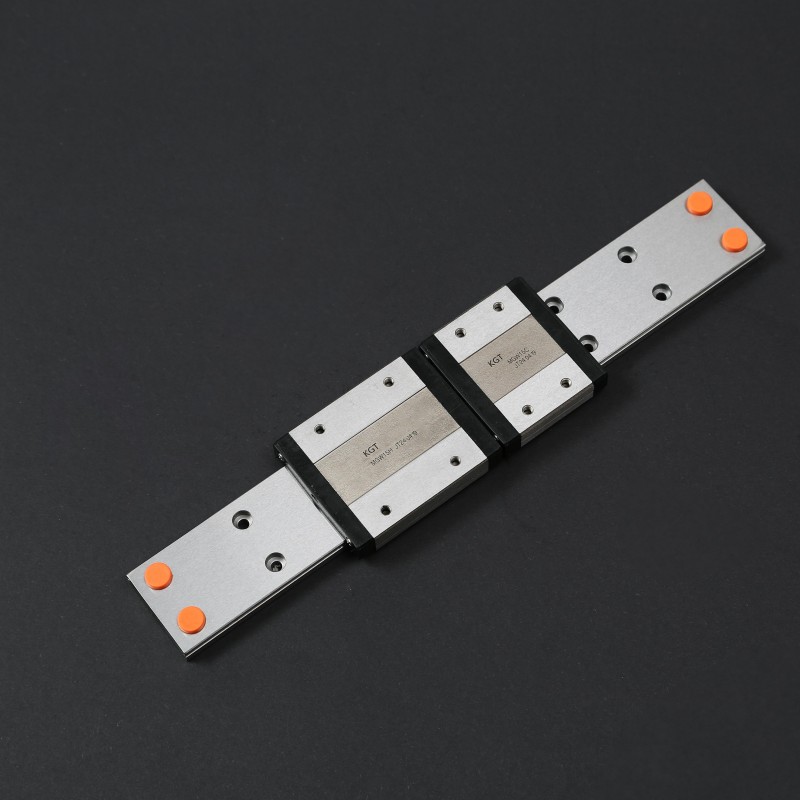
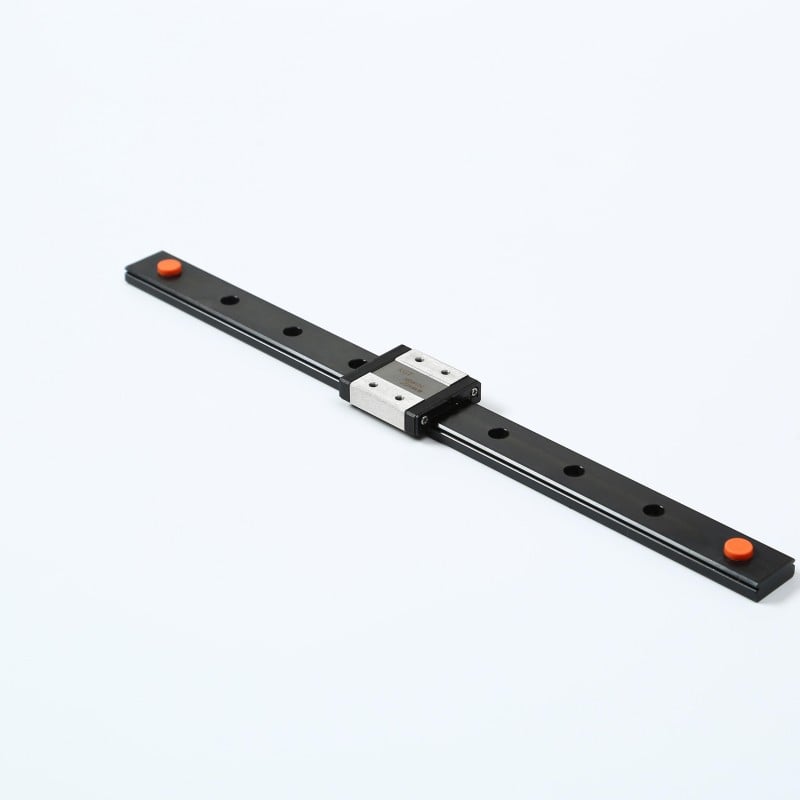
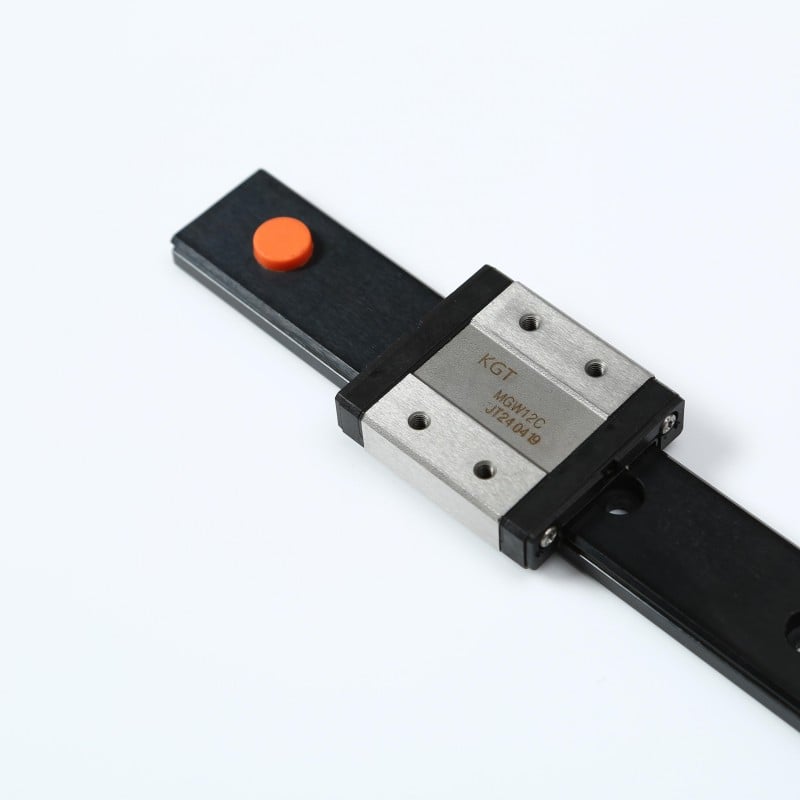
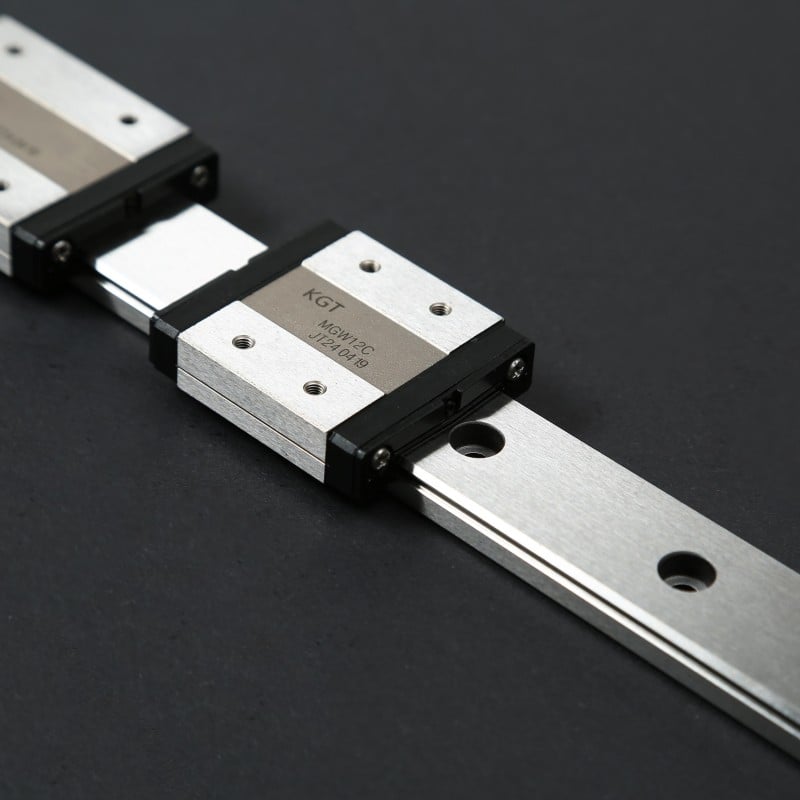
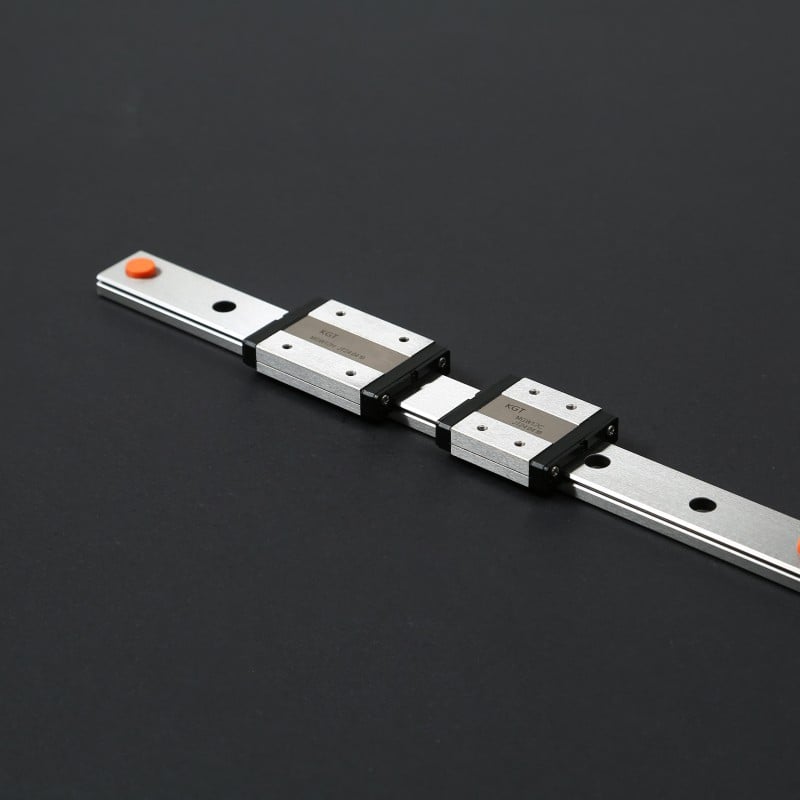
MGW series linear guideway

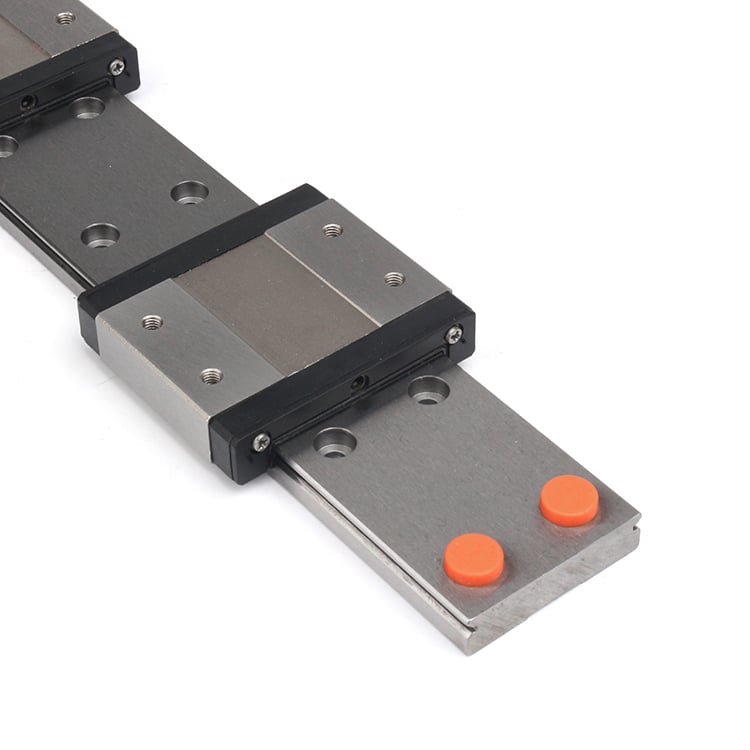
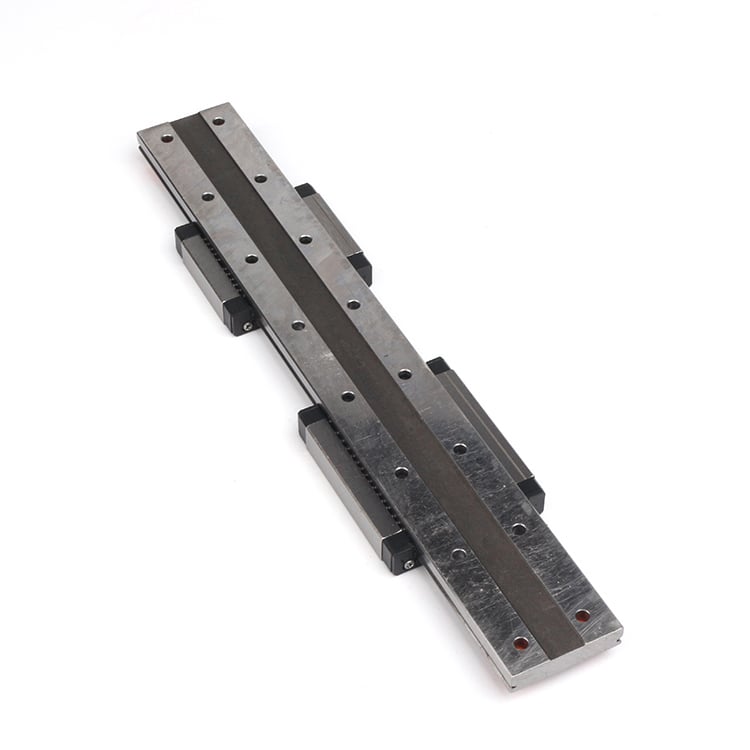
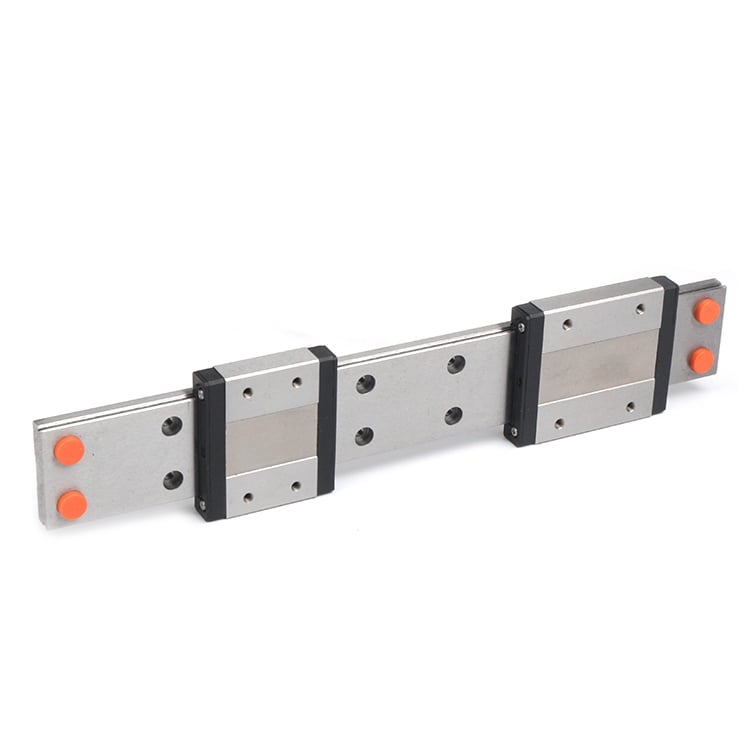
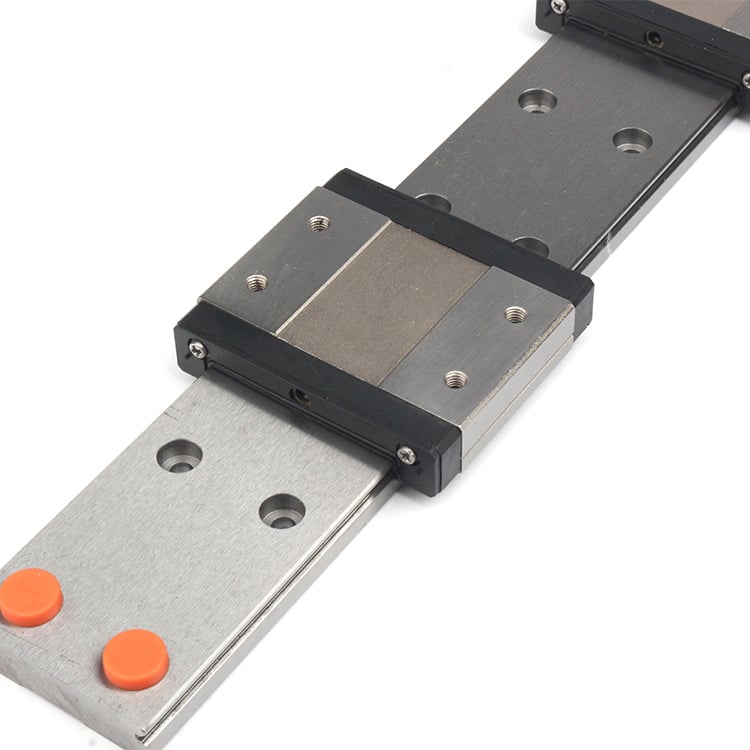
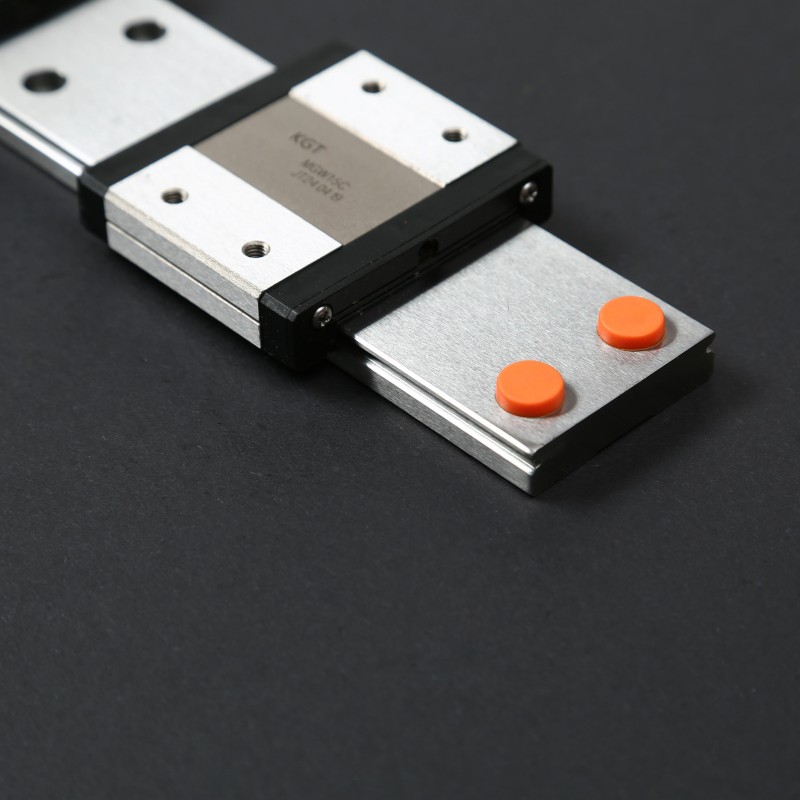
The MGW linear guide is a highly classic and widely used miniature ball-type linear guide. It is the industry's general term for this type of miniature, wide-profile, high-rigidity guide.  The most core and intuitive feature of MGW is its "width." The "W" stands for "Wide."

Below is a detailed introduction to the features of the MGW linear guide, with a focus on highlighting its similarities and differences compared to the MGN.

Introduction

I. Core Structural Features and Naming Meaning

  • M: Miniature – The basic size series is miniature, but it is larger than MGN guides of the same specification.
  • G: Ball – The rolling elements are precision steel balls.
  • W: Wide – This is its most critical feature. It indicates that the block width is greater than that of MGN guides of the same specification.

II. Core Features and Advantages (Emphasizing benefits from the "Wide" design)

Super High Rigidity & Excellent Stability

  • The "wide" design directly provides greater moment capacity. The wider block increases the distance between ball rows (moment arm), resulting in exceptionally strong resistance to pitch, yaw, and roll moments.
  • In applications with high loads or eccentric moments, MGW's anti-overturning capability and operational stability are significantly superior to MGN guides of the same specification.

High Load Capacity

  • Due to the larger block volume, it can accommodate more balls and a larger ball circulation system internally. Therefore, its static and dynamic load ratings are higher than those of same-spec MGN guides, enabling it to withstand greater forces.

High Precision and High Reliability

  • Possesses all the advantages of precision ball guides: high accuracy grades (P grade is common), smooth motion, low friction, and accurate positioning.
  • The wide structure itself also enhances overall structural stability, positively impacting the consistency of long-term operational precision.

Optimized Heat Dissipation & Longer Service Life

  • Greater metal mass and surface area aid in heat dissipation, leading to smaller temperature rises under high-speed or continuous operation conditions.
  • Higher load capacity and superior stability typically result in longer fatigue life under equivalent usage conditions.

III. Detailed Comparison with MGN (Key to Understanding the Choice)

Characteristic

MGW (Wide Type)

MGN (Standard Type)

Carriage Block Profile

Width is significantly greater than height, overall wider and more solid.

Width-to-height ratio is more balanced, forming a relatively square shape.

Rigidity (Key Point)

Extremely high, especially strong resistance to moments. This is its main selling point.

High, but its resistance to overturning moments is weaker than that of a comparable MGW specification.

Load Capacity

Greater (higher static/dynamic load ratings).

Relatively smaller, but sufficient for most miniature applications.

Space Occupation

Occupies significant lateral (width) space, which is its main trade-off.

More compact, with extremely high space efficiency, which is its main advantage.

Application Focus

“Performance priority”: for applications requiring high rigidity, high stability, and the ability to withstand complex moments.

“Space priority”: for applications where space is extremely limited but performance requirements remain high.

Analogy

Like a wide-body sports car, offering excellent stability and strong cornering capability.

Like a compact high-performance sedan, agile and space-saving.

Simple Summary: MGW can be seen as the "enhanced-rigidity wide-body version" of MGN. It sacrifices some spatial compactness in exchange for significant improvements in rigidity, load capacity, and stability.

IV. Typical Application Fields

MGW is suitable for precision equipment where space is relatively permitting, but there are extreme demands on the rigidity, stability, and load capacity of moving parts:

  • High-Speed, High-Precision CNC Machine Tools: Z-axis (spindle head) of small machining centers and precision engraving/milling machines, where significant overturning moments are present.
  • Semiconductor Packaging & Inspection Equipment: Modules requiring high-speed, high-precision motion with substantial loads (e.g., vision modules, nozzle plates).
  • Industrial Robots: Arm joints of precision assembly robots or SCARA robots that need to withstand moments from end-effectors.
  • Precision Optical Positioning Stages: Multi-dimensional motion stages carrying laser heads, heavy lenses, or spectrometer components.
  • High-Performance 3D Printers: Core motion axes of large or high-speed 3D printers, needing to resist vibration from the rapid movement of the print head.
  • Medical Devices & Life Science Equipment: Such as DNA synthesizers, automated sample processing systems, where motion modules need to carry relatively heavy reagent kits or detection modules.

V. Selection and Usage Considerations

  • Define Requirements Clearly: The fundamental question during selection: Is spatial constraint more critical, or are rigidity/stability requirements more prioritized? This is key to choosing between MGN and MGW.
  • Verify Moments: For MGW, it's essential to carefully calculate the actual loads and moments (especially eccentric moments) in the application to ensure its high-rigidity advantage is utilized.
  • Check Installation Space: Ensure the equipment design has sufficient lateral width to accommodate the wider MGW block and its mounting screw positions.
  • Accuracy & Preload: Similarly, select the accuracy grade based on precision requirements and the preload based on rigidity requirements (medium or heavy preload is more common on MGW).
  • System Matching: Using a high-rigidity guide like MGW typically requires matching with high-rigidity ball screws (e.g., SFU), supports, and base structures to form a truly high-performance motion system.

The core value of the MGW linear guide lies in providing near-ultimate rigidity, stability, and load performance within the category of miniature guides. It is the optimal solution for engineers when facing the trade-off between "space" and "performance," and when "performance priority" outweighs "spatial compactness." Choosing MGW means building a more stable and robust "skeleton" for the core motion mechanism of equipment, making it particularly suitable for high-end precision machinery demanding high speed, high accuracy, and high reliability.

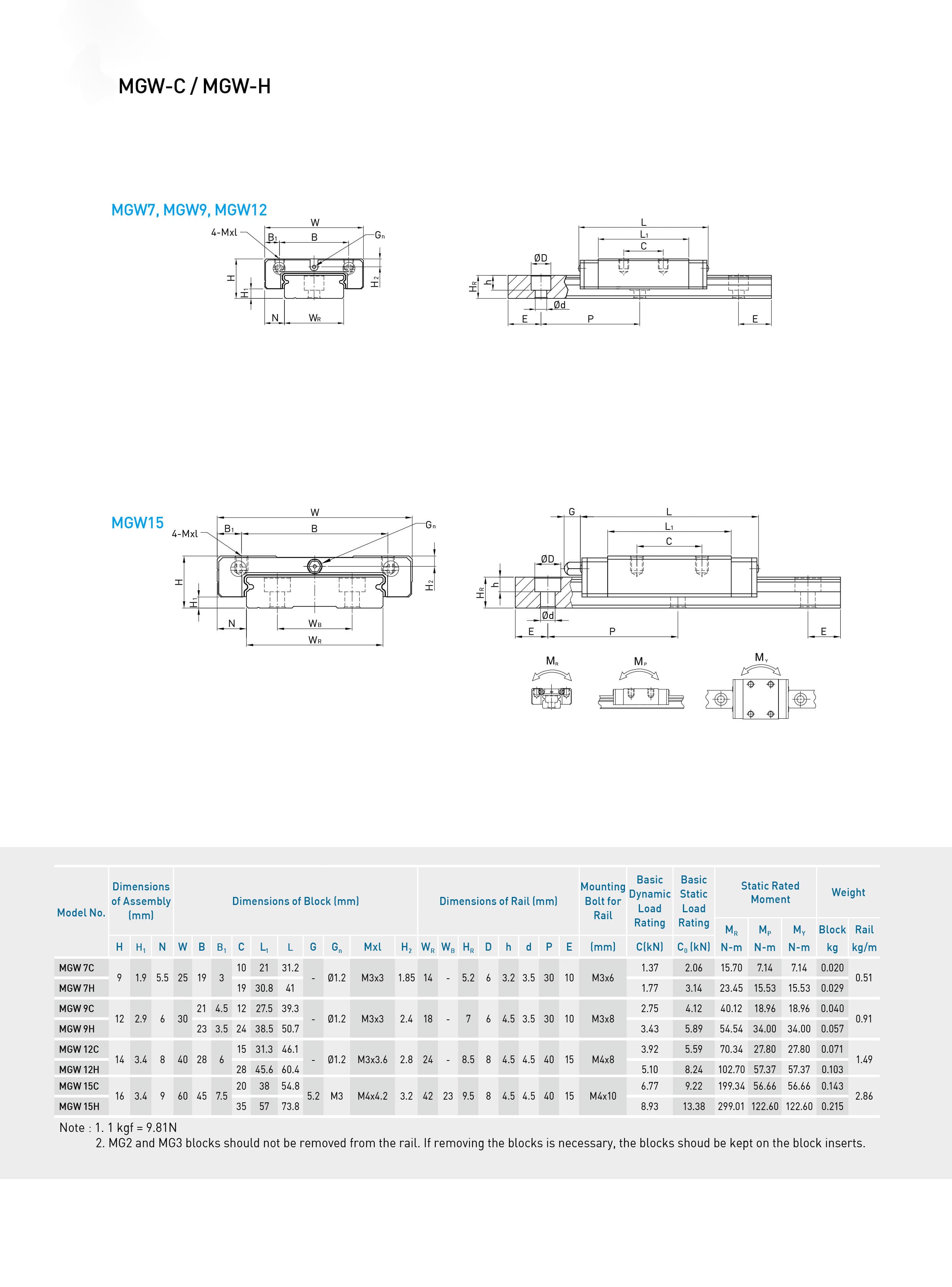
规格.jpg

More Products

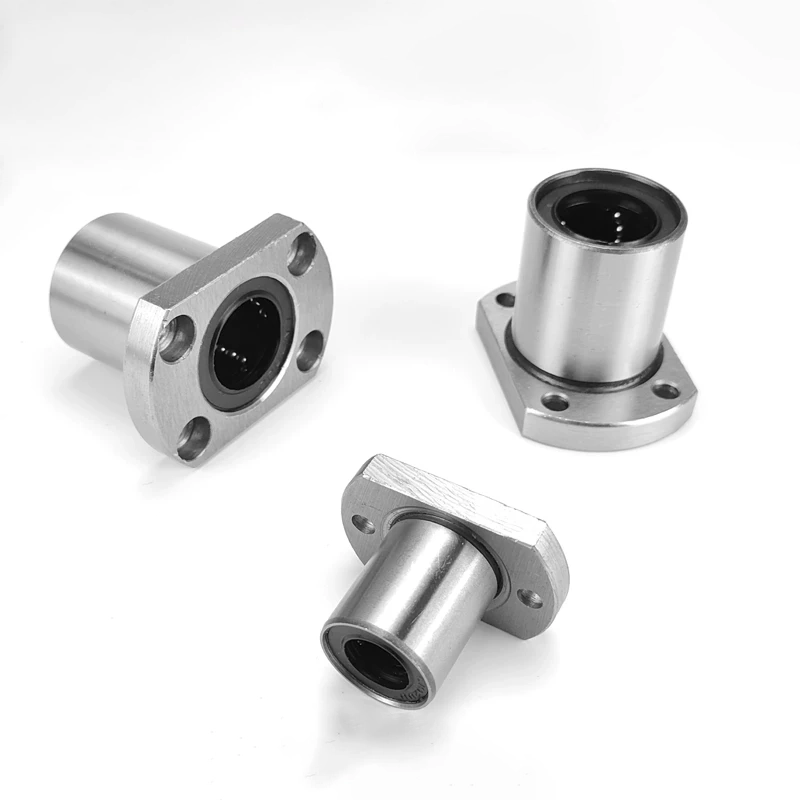
  • Linear Bearings LMK/LMF/LMH Series
    Linear Bearings LMK/LMF/LMH Series
  • SK series linear shaft
    SK series linear shaft
  • LM series linear shaft bearing
    LM series linear shaft bearing
  • EGH Series Linear Guideway
    EGH Series Linear Guideway

Get a Free Quote

Our representative will contact you soon.
Email
Name
Company Name
Message
0/1000
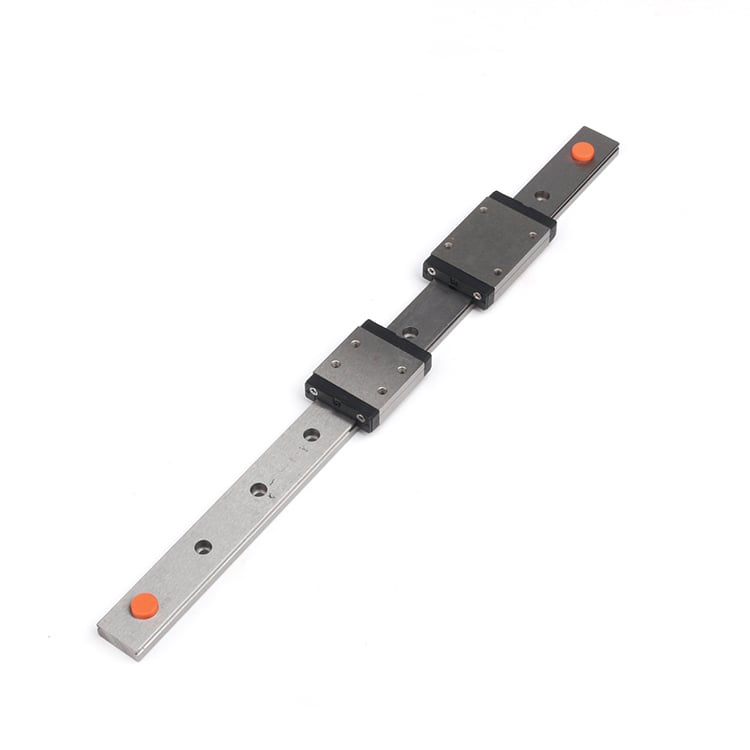
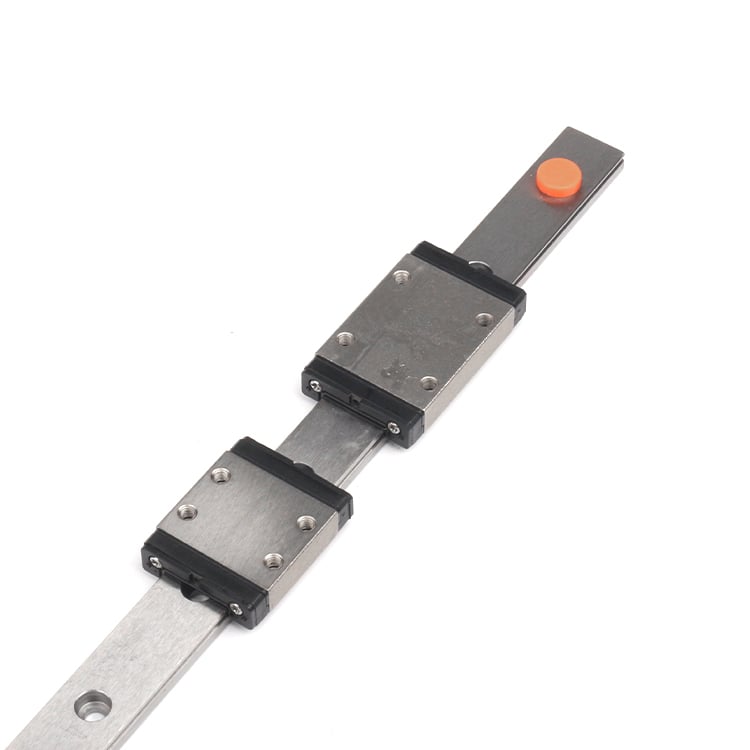
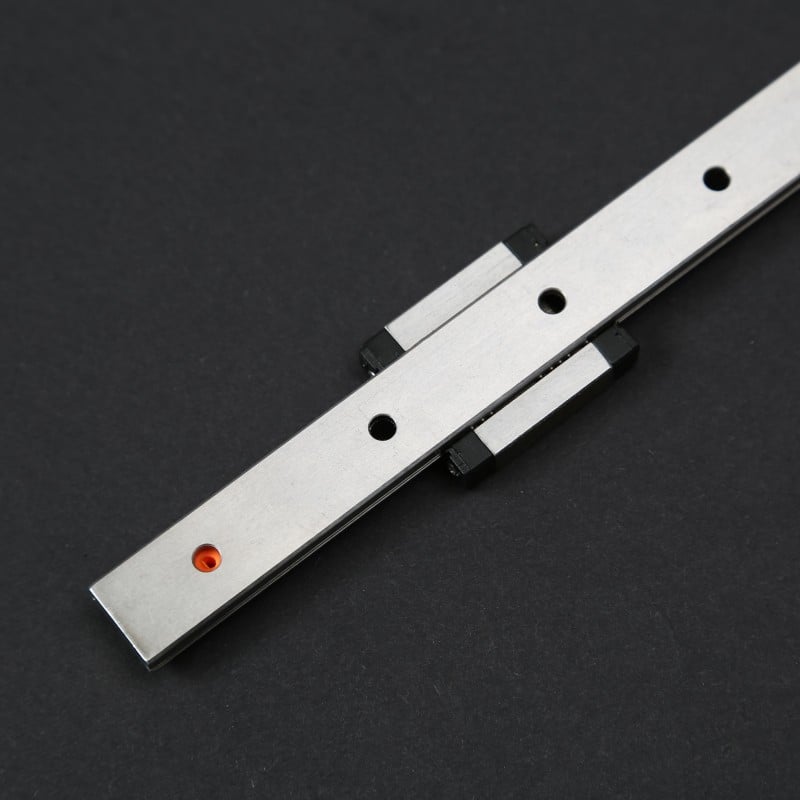
mgw series linear guideway-1
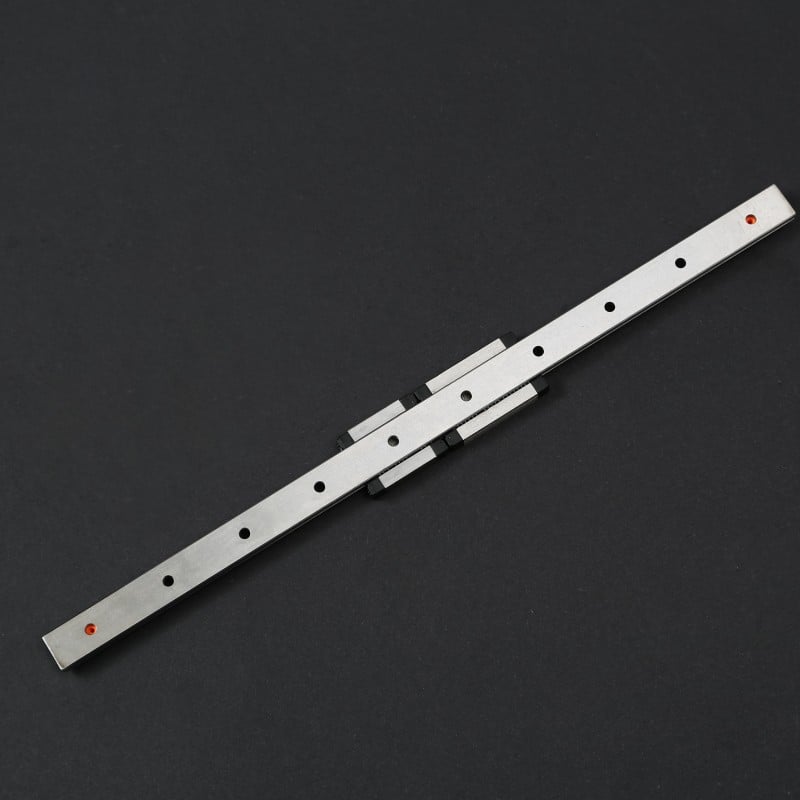
mgw series linear guideway-2

Get a Free Quote

Our representative will contact you soon.
Email
Name
Company Name
Message
0/1000

Get a Free Quote

Our representative will contact you soon.
Email
Name
Company Name
Message
0/1000