EN
EN
Quick Links

In Foxconn's mega-factories, which operate like precise automated cities, tens of thousands of iPhones are assembled, tested, and rolled off the production line every minute of every day. Supporting this world-class 3C (Computer, Communication, and C...
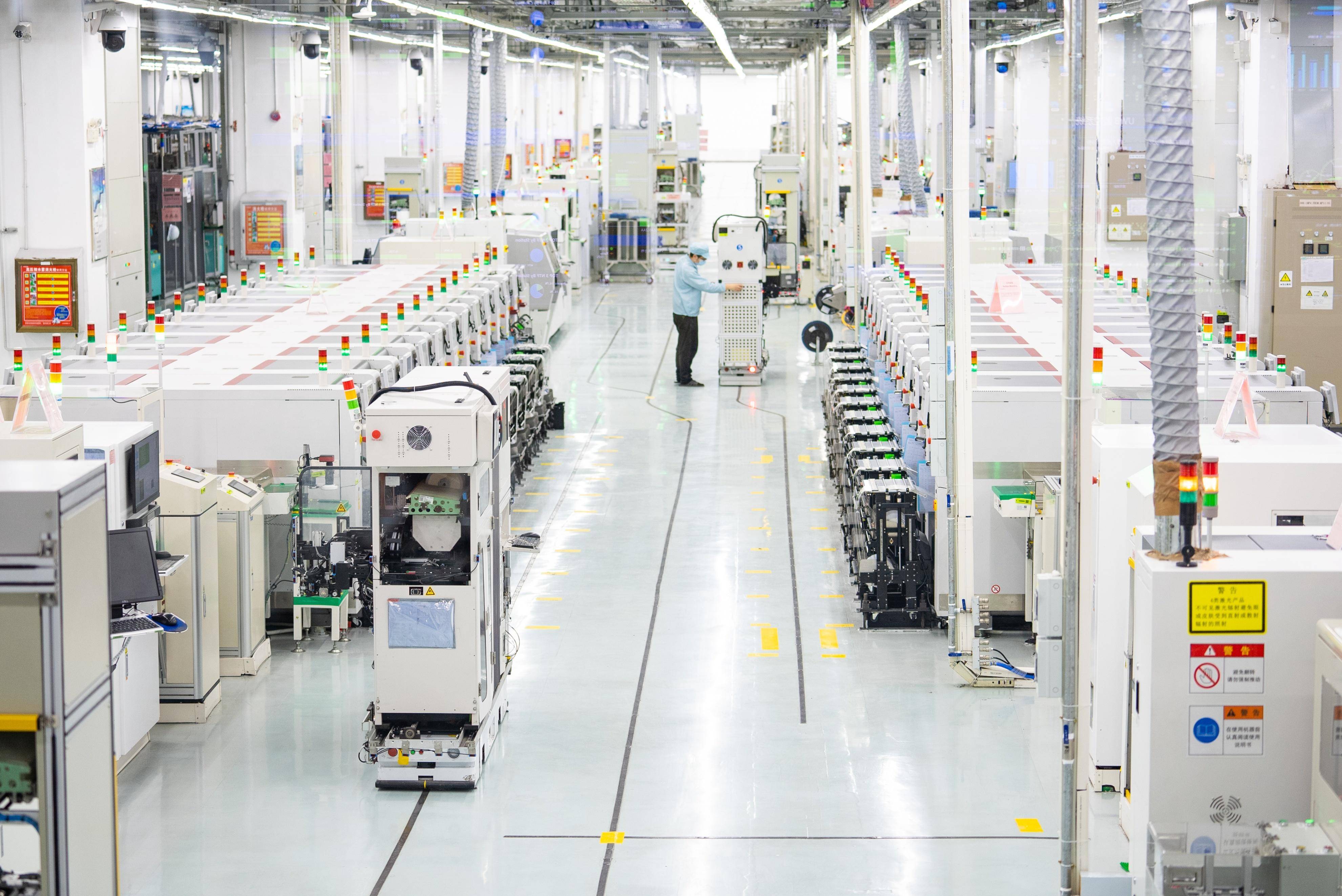
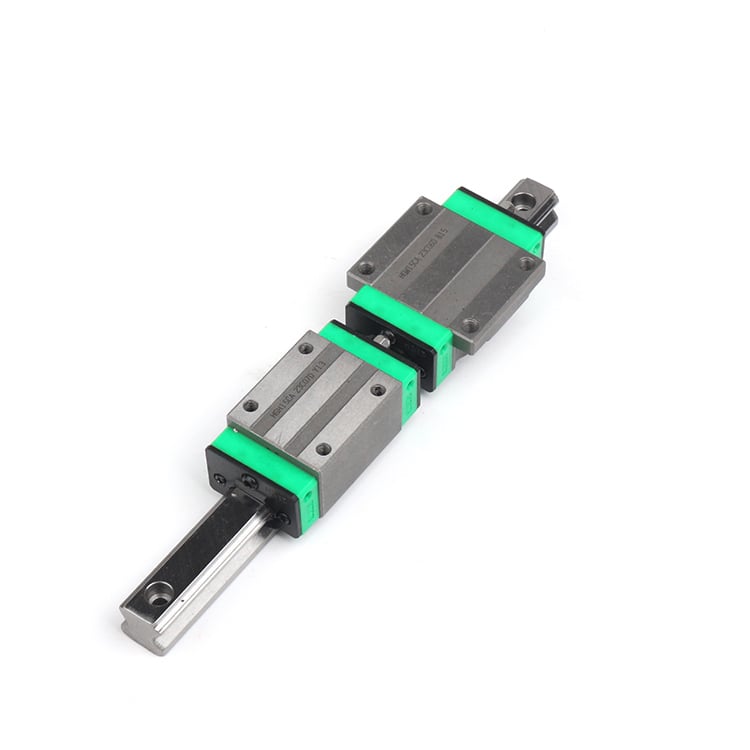
In Foxconn's mega-factories, which operate like precise automated cities, tens of thousands of iPhones are assembled, tested, and rolled off the production line every minute of every day. Supporting this world-class 3C (Computer, Communication, and Consumer Electronics) manufacturing is a massive and extremely precise cluster of automated equipment. Deep within the "joints" of these machines, our miniature linear guides (such as the MGN series) play an indispensable role as "invisible heroes."
As a manufacturer dedicated exclusively to miniature linear guides, we deeply understand that in the rigorous production environment of the "Apple supply chain," the stability of components directly determines the UPH (Units Per Hour) of the entire line. Below are several core applications of our miniature linear guides within Foxconn's iPhone production lines.
The IP68 dust and water resistance of the iPhone relies on a nearly invisible sealing glue line applied along its ultra-narrow bezels.
The Challenge: Desktop or floor-standing dispensing machines must apply glue evenly in gaps less than 1 millimeter wide. Any mechanical vibration or slight stutter can lead to broken glue lines or overflow.
Our Solution: Our miniature linear guides are widely integrated into X-Y-Z three-axis dispensing platforms. Their excellent low friction resistance and high smoothness ensure the absolute stability of the dispensing valve during high-speed movement, guaranteeing the consistency of the iPhone's waterproof performance.
Whether it is the precision multi-camera system or the complex Face ID dot projector module, the assembly tolerance is strictly at the sub-micron level.
The Challenge: The alignment of optical lenses and image sensors (Active Alignment, AA) requires extremely precise spatial posture adjustment.
Our Solution: Our ultra-miniature linear guides are densely packed into AA equipment and six-axis alignment platforms. They guide optical probes to make micro-level movements, ensuring every iPhone captures crisp, sharp photos and unlocks flawlessly via facial recognition.
The CNC machining workshop for iPhone mid-frames (such as those made of titanium or stainless steel) is a heavily automated zone.
The Challenge: The gantry robotic arms shuttling between hundreds of CNC machines have end-of-arm tooling (grippers) that must open and close at high frequencies in environments filled with cutting fluids and metal dust to grab phone casings.
Our Solution: To combat these harsh conditions, our miniature linear guides offer customized anti-rust treatments (such as specialized plating or blackening processes) and excellent sealing designs, ensuring long-lasting operation even in wet or oily machining environments.
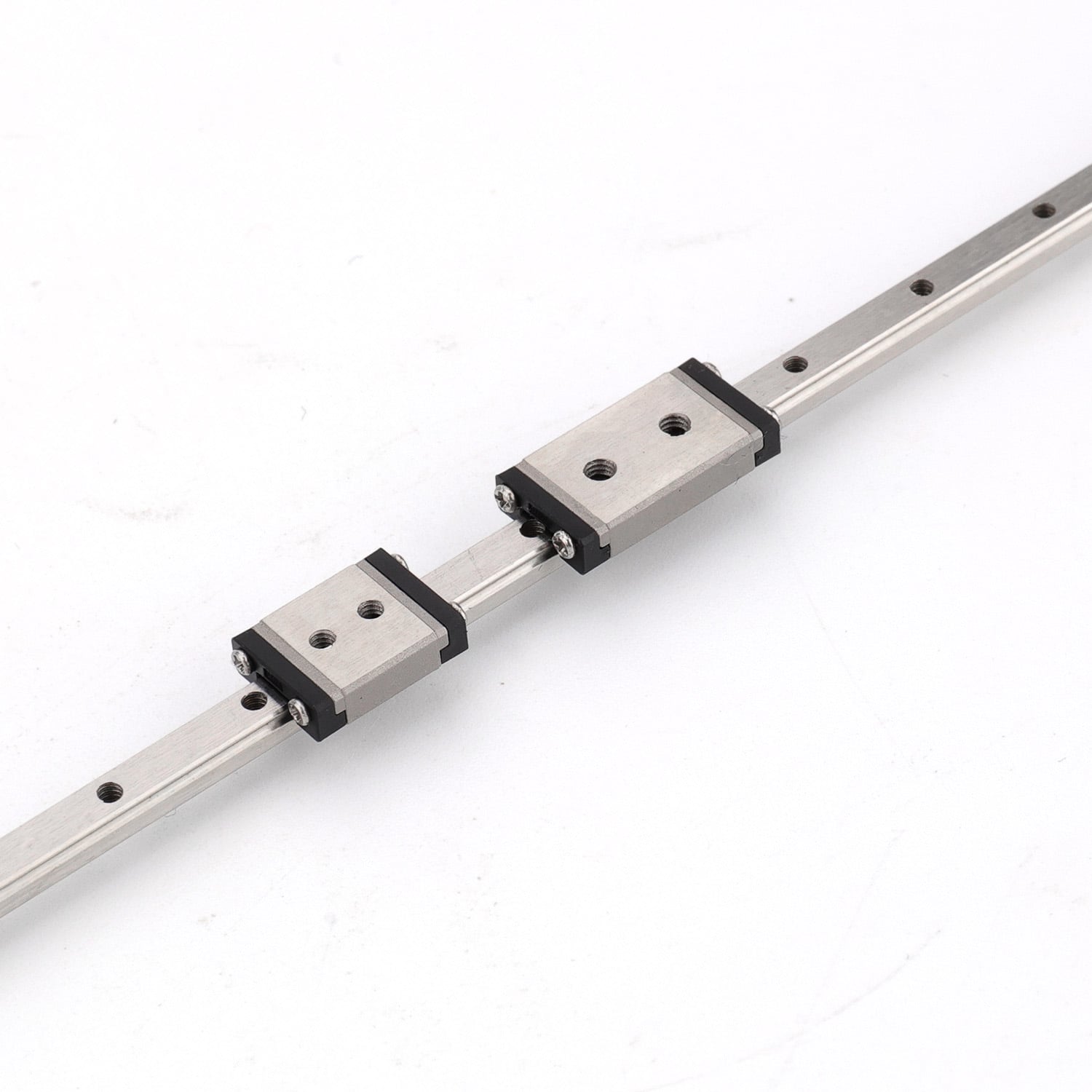
Apple's demanding quality standards are reflected in their highly rigorous automated optical inspection (AOI) and functional testing (FCT) processes.
The Challenge: Screen and camera assembly take place in Class 1000 or even Class 100 cleanrooms. The moving sliding tables for inspection cameras must not vibrate, and testing probes must accurately penetrate tiny test points on the motherboard.
Our Solution: We provide guides utilizing dedicated low-particle-generation lubricating grease specifically designed for cleanroom equipment. Furthermore, the high rigidity of our guides ensures the image clarity of high-resolution industrial cameras during rapid, high-speed scanning.
On Foxconn's iPhone production lines, the cost of a single minute of downtime is astronomically high. Equipment manufacturers choose our miniature linear guides because of their extremely high batch interchangeability—if maintenance is required, line workers can quickly replace the sliding block without needing to recalibrate the entire rail. In addition, we support deep customization for specific hole sizes, materials, and preload classes, perfectly matching the design requirements of various non-standard automated fixtures and testing platforms.