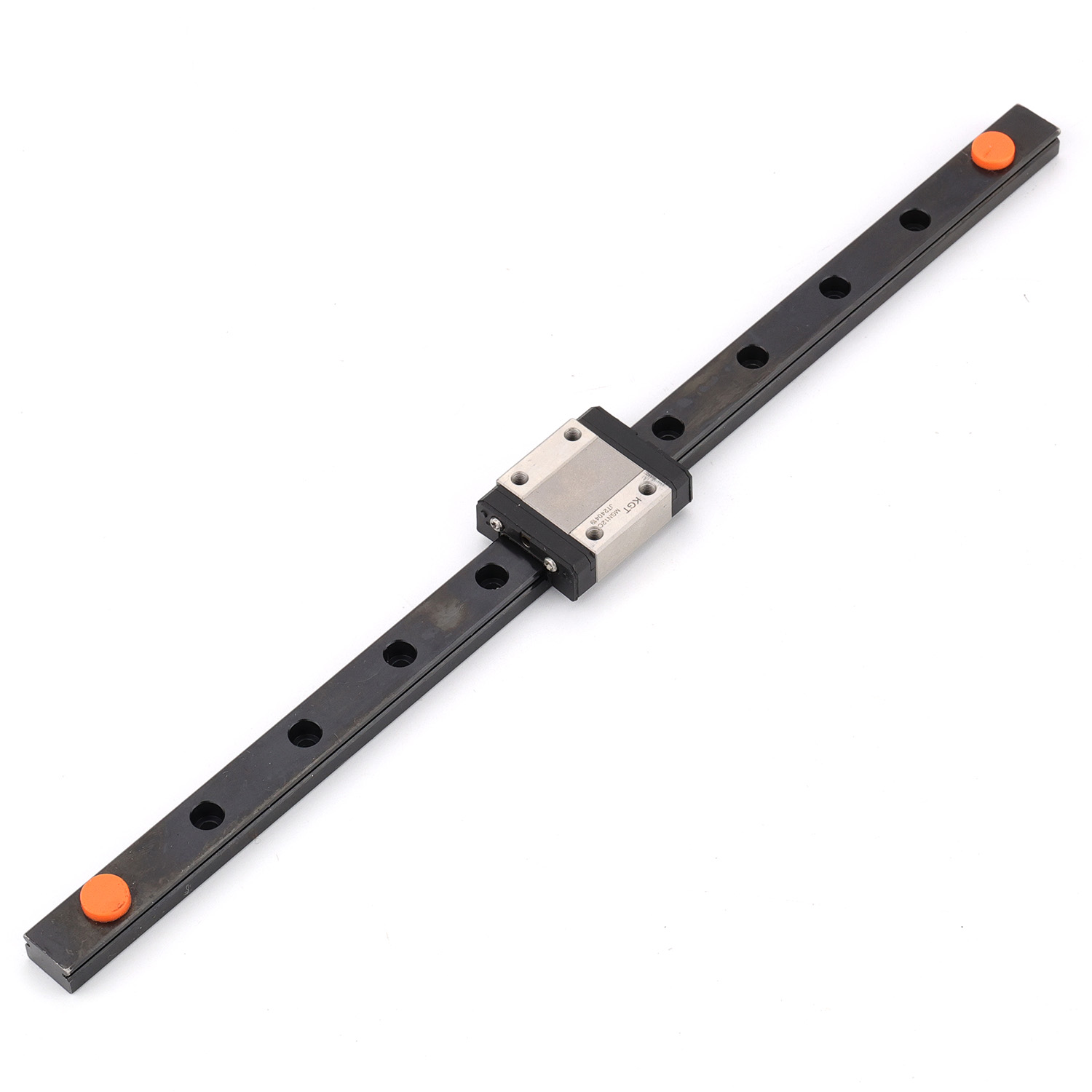
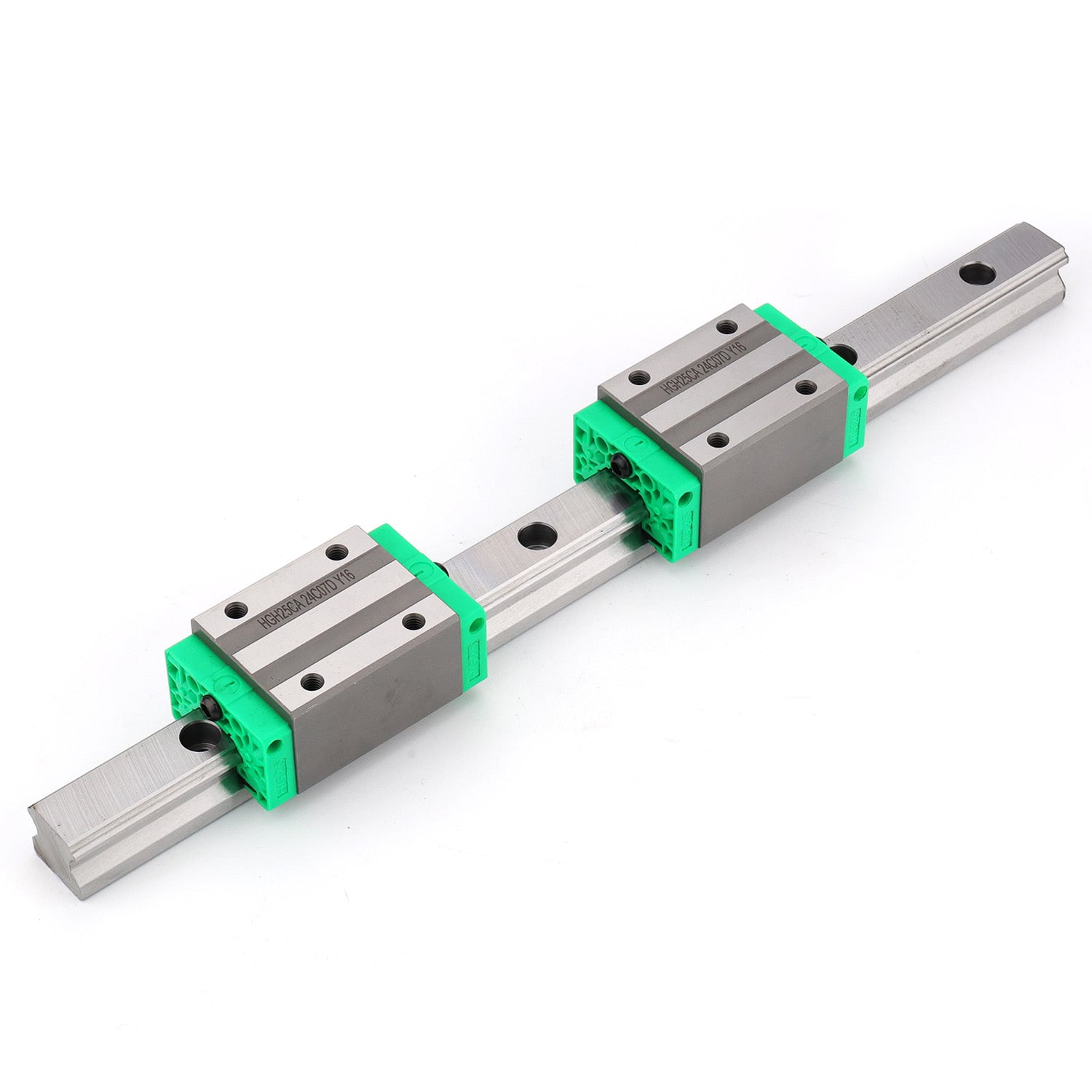
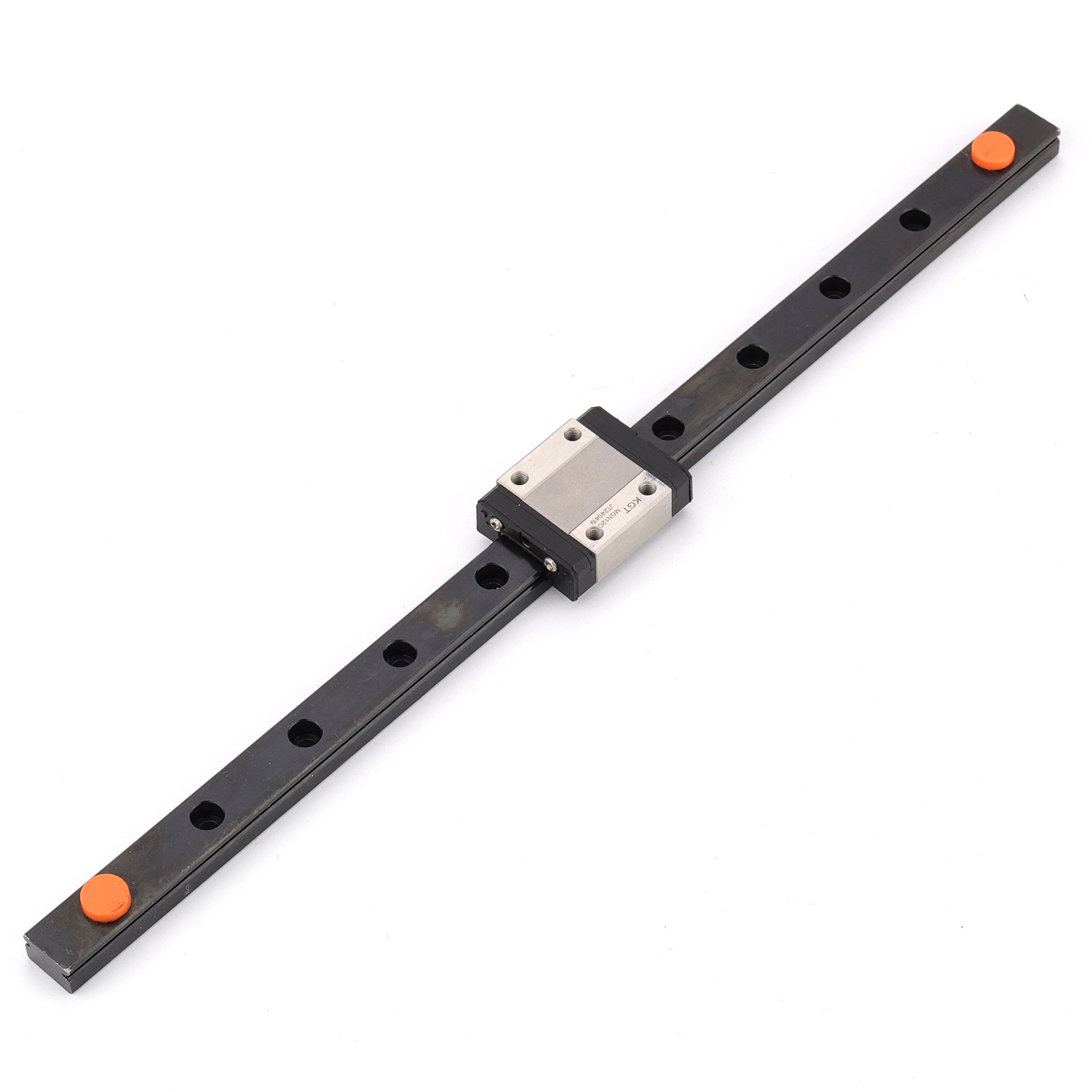
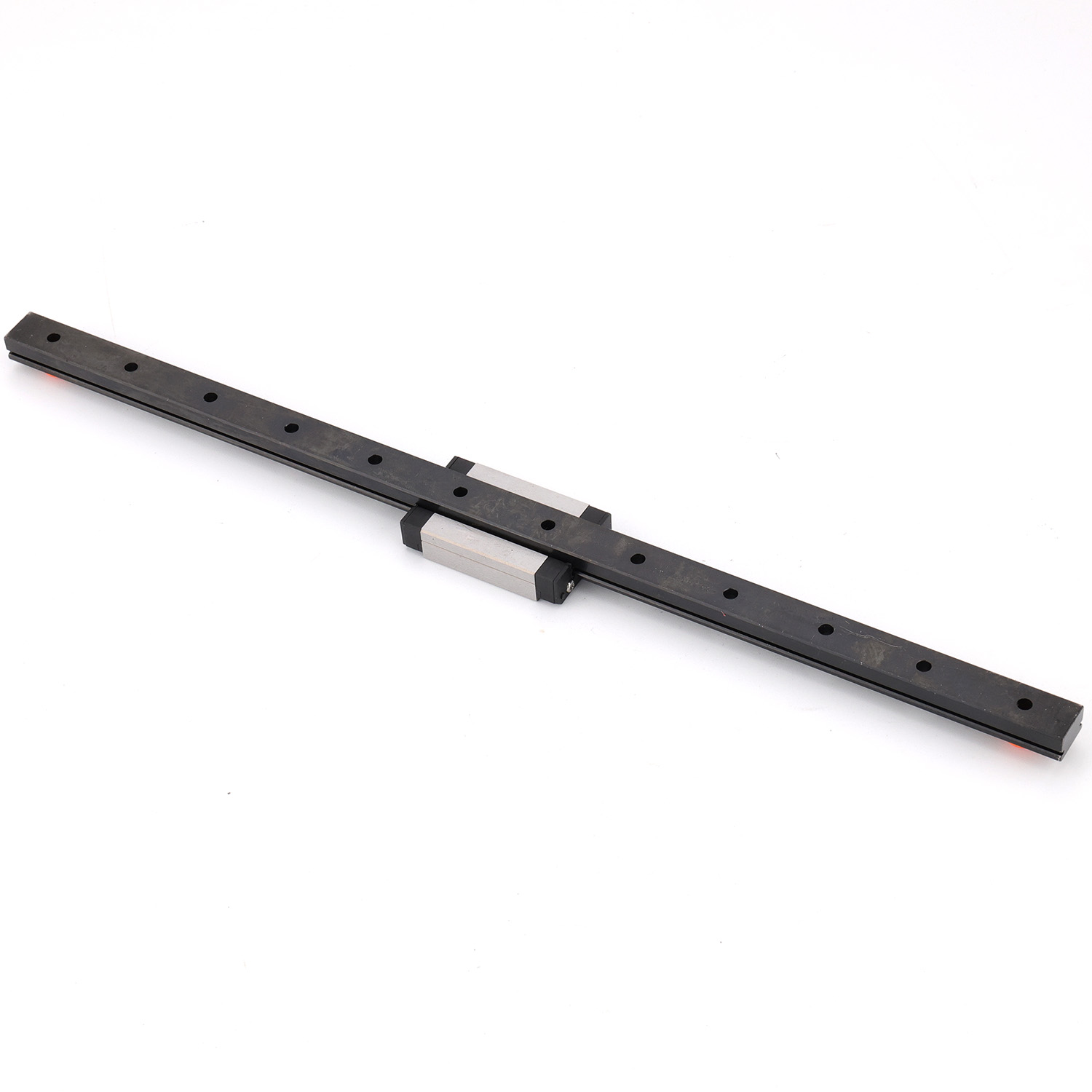
bearing rails
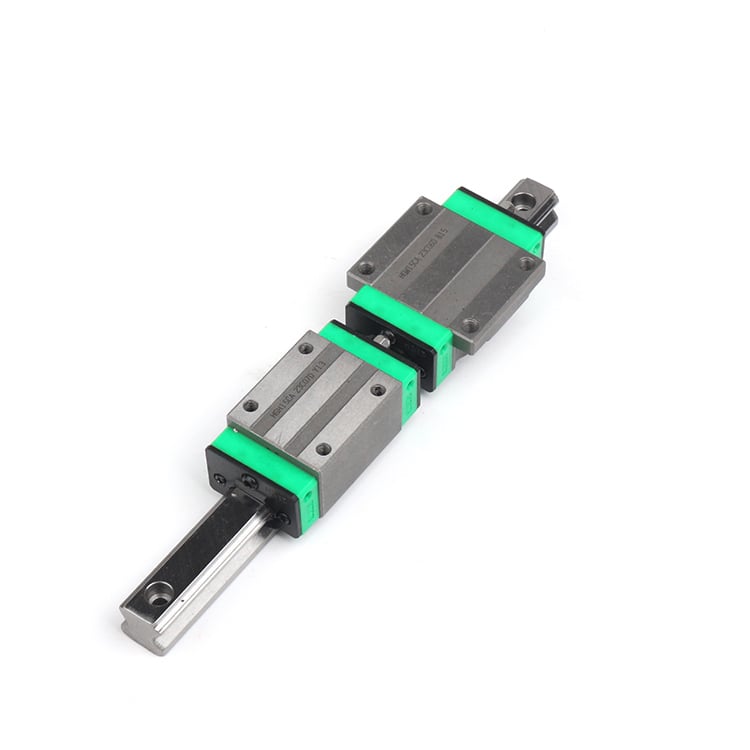
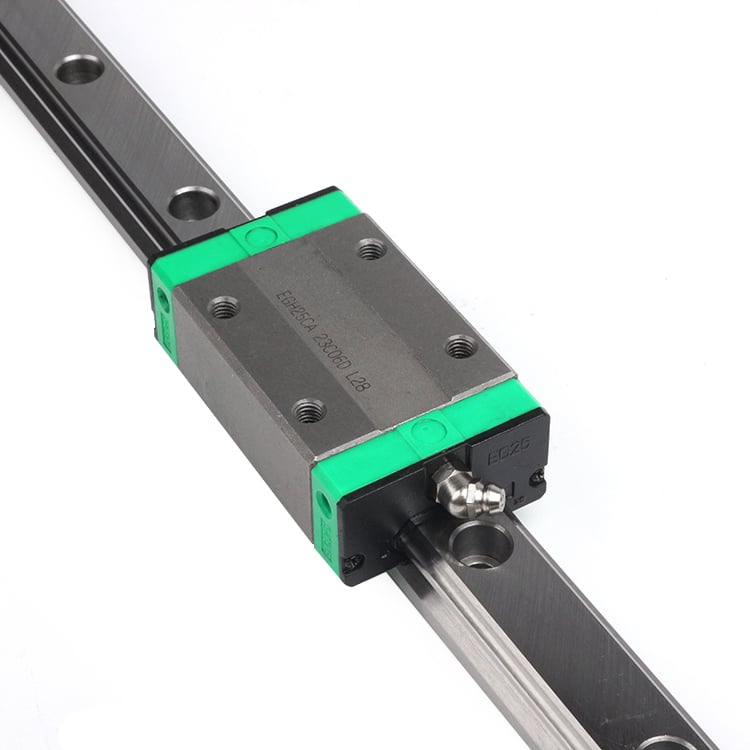
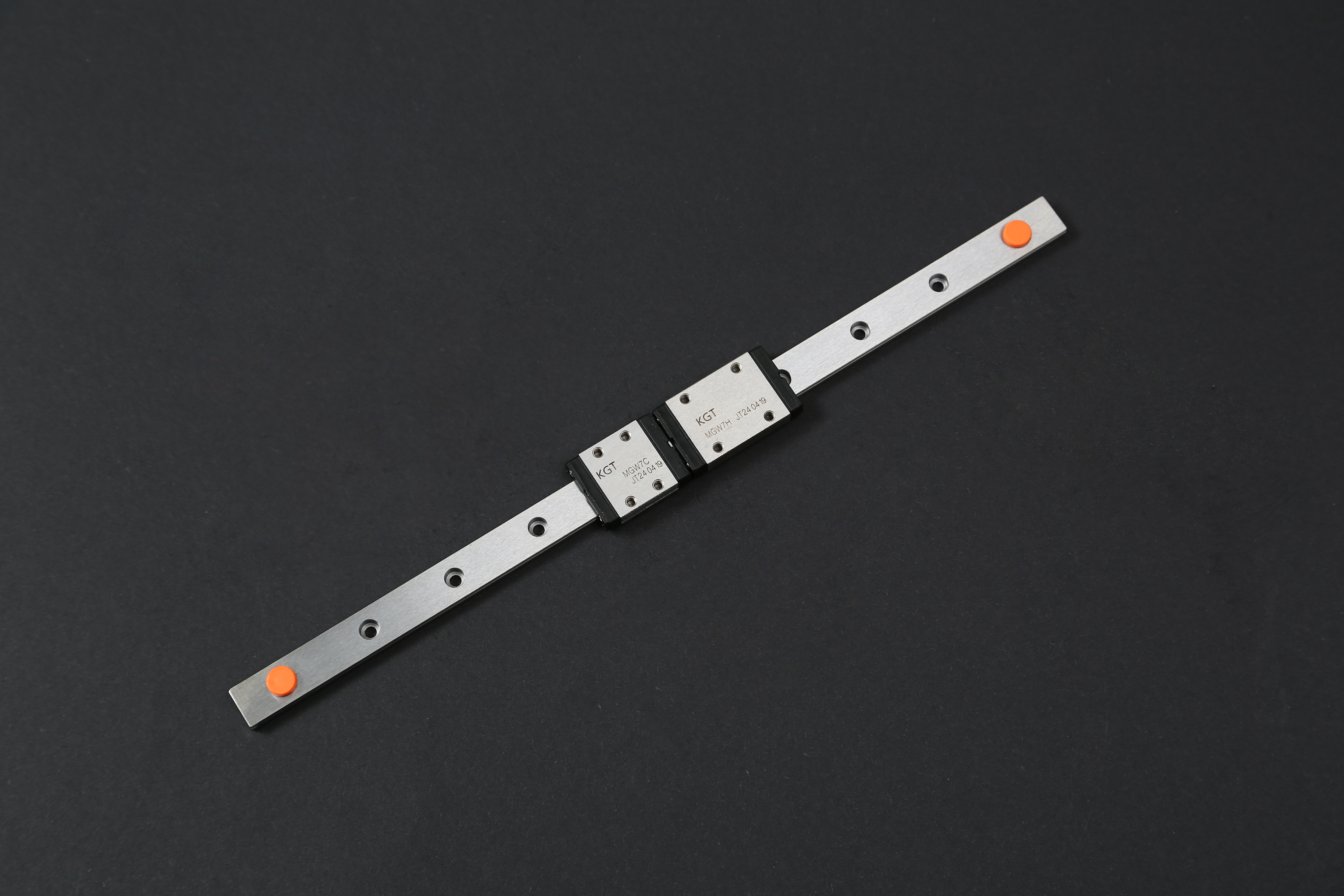
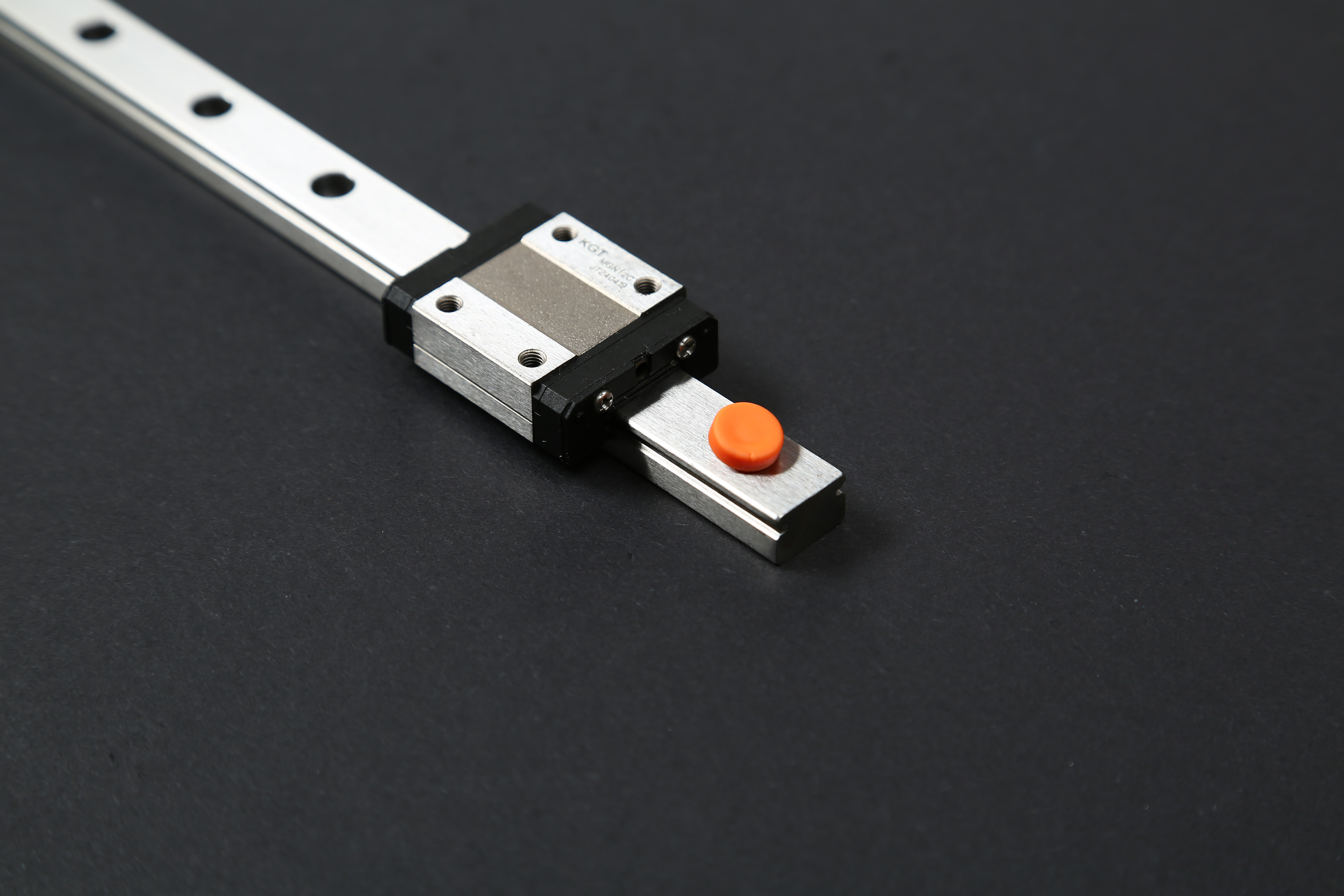
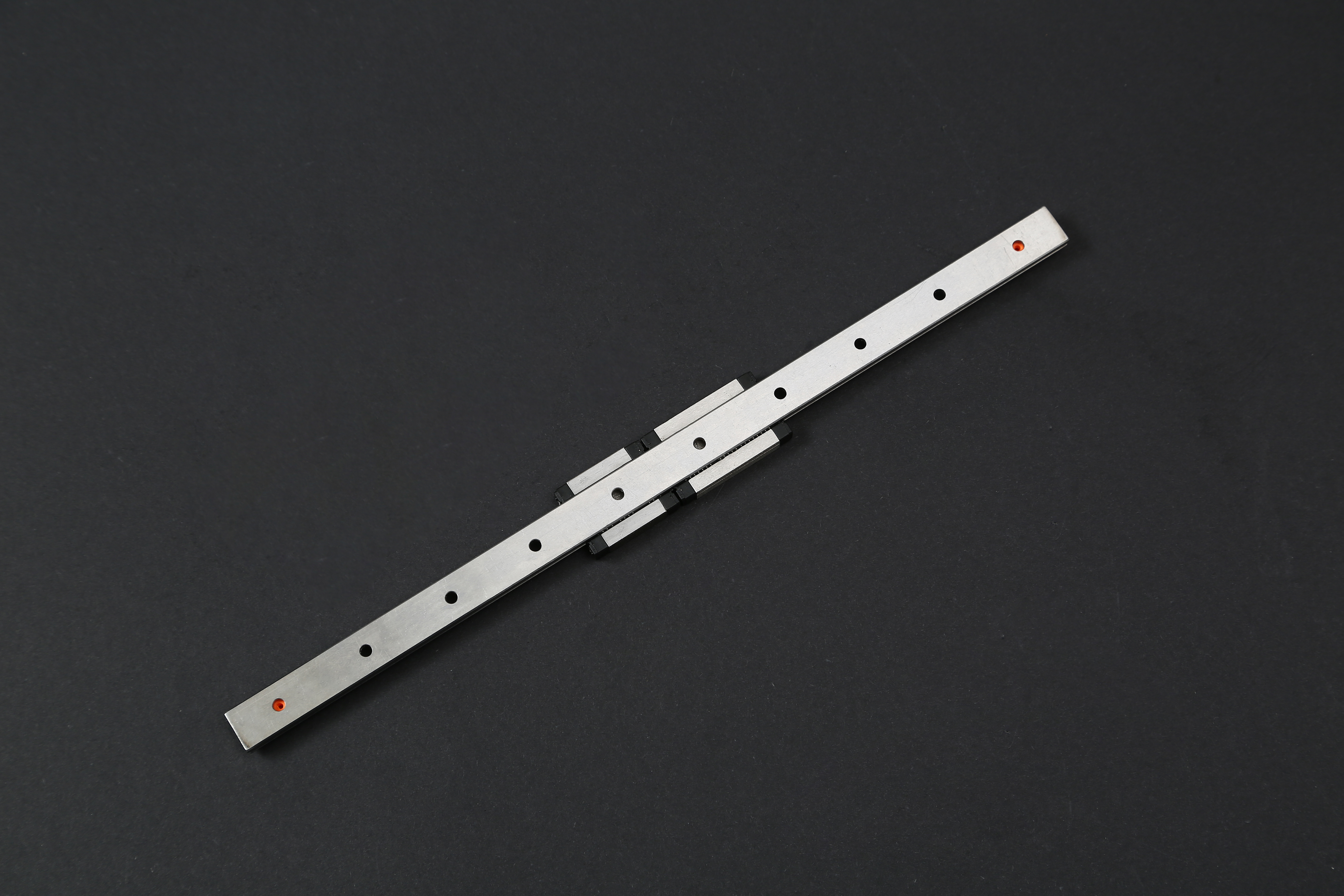
Bearing rails are precision linear motion components designed to provide smooth, reliable movement in mechanical systems across various industries. These essential components function as guiding pathways that enable equipment to operate with minimal friction and maximum efficiency. Bearing rails consist of hardened steel tracks paired with ball or roller bearing blocks that roll along the rail surface, facilitating controlled linear motion in multiple directions.
The primary function of bearing rails is to support and guide moving parts while maintaining dimensional accuracy and repeatability. Whether in manufacturing equipment, automation systems, or precision machinery, bearing rails ensure that components move exactly where they need to go, every single time. The technological features of modern bearing rails include sealed designs that protect against contamination, preload systems that minimize play, and self-aligning capabilities that reduce installation complexity.
Bearing rails utilize advanced manufacturing techniques to achieve tight tolerances and superior surface finishes. The steel used in bearing rails undergoes specialized hardening processes to withstand heavy loads and repetitive motion cycles. These systems typically incorporate sealed ball or roller bearings that roll smoothly along the precision-ground rail surface.
Applications for bearing rails span across multiple sectors including machine tools, packaging equipment, medical devices, semiconductor manufacturing, automotive assembly lines, and industrial automation platforms. From CNC machines requiring absolute positioning accuracy to conveyor systems demanding consistent performance, bearing rails prove indispensable. Their versatility makes bearing rails suitable for both horizontal and vertical installations, accommodating diverse operational requirements and environmental conditions throughout industrial and commercial settings.

 EN
EN