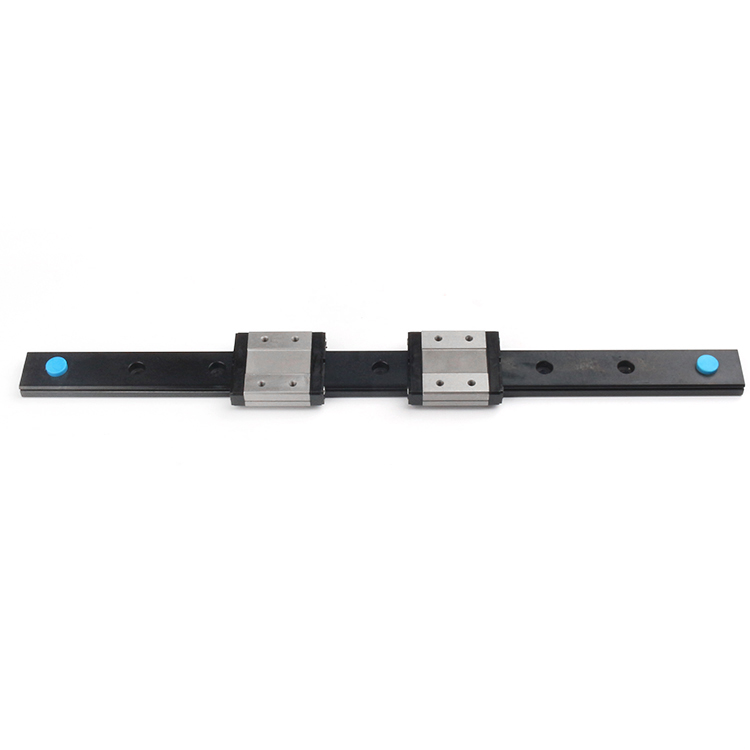
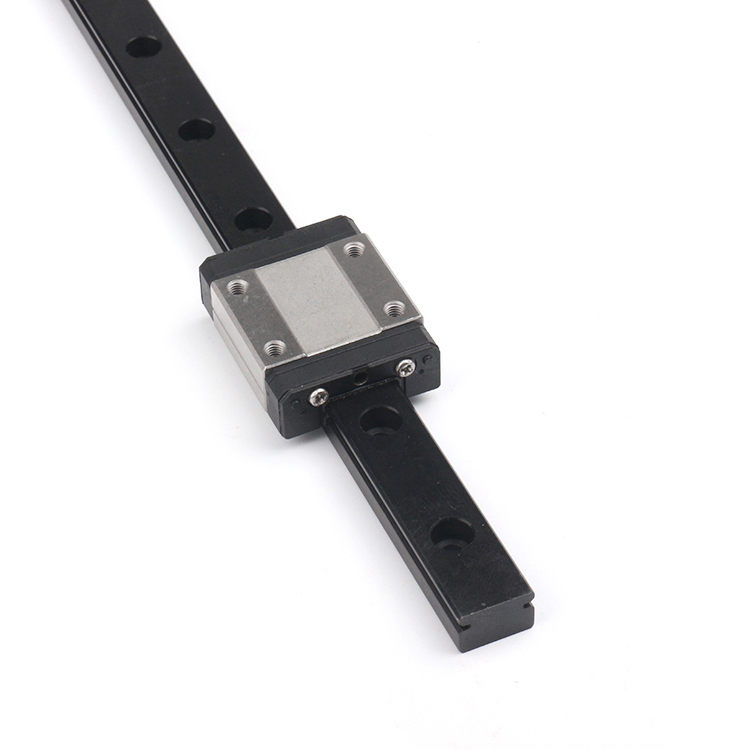
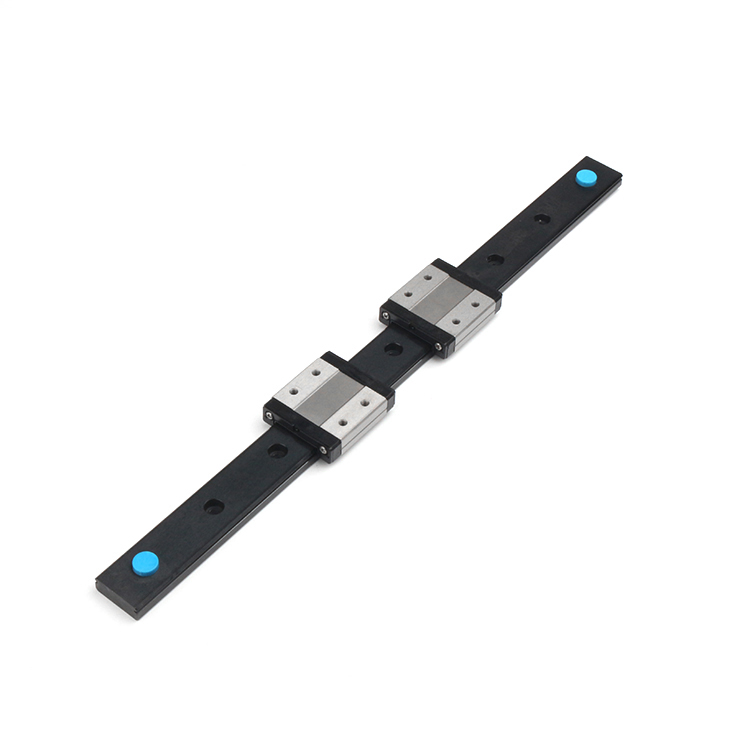
miniature linear guides
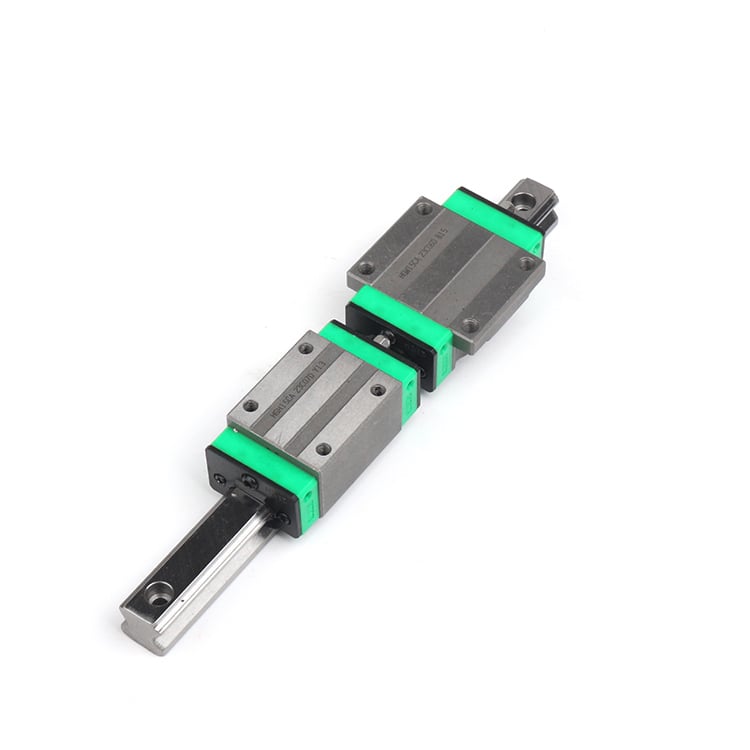
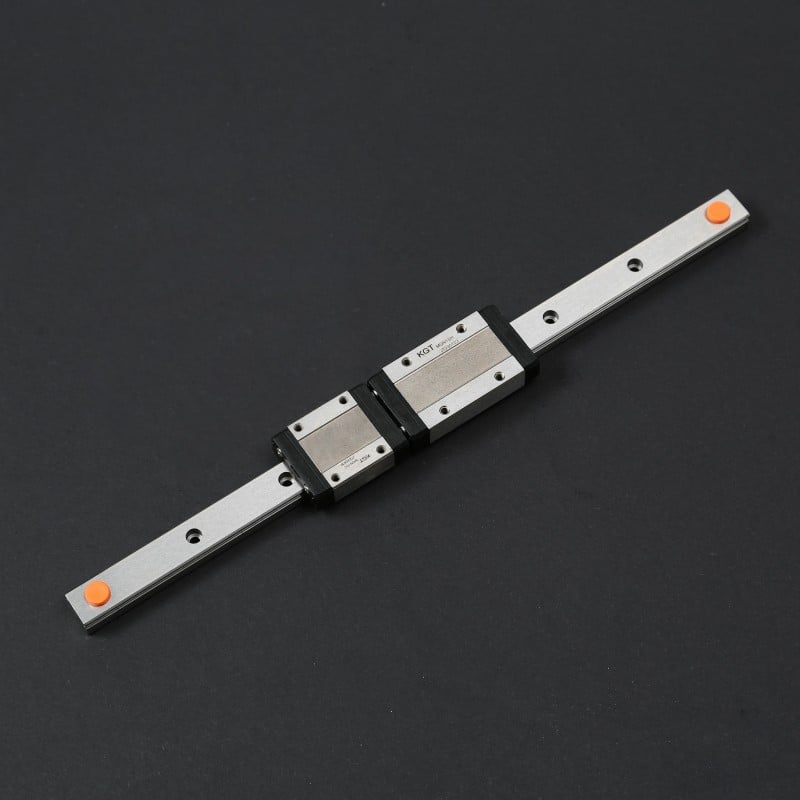
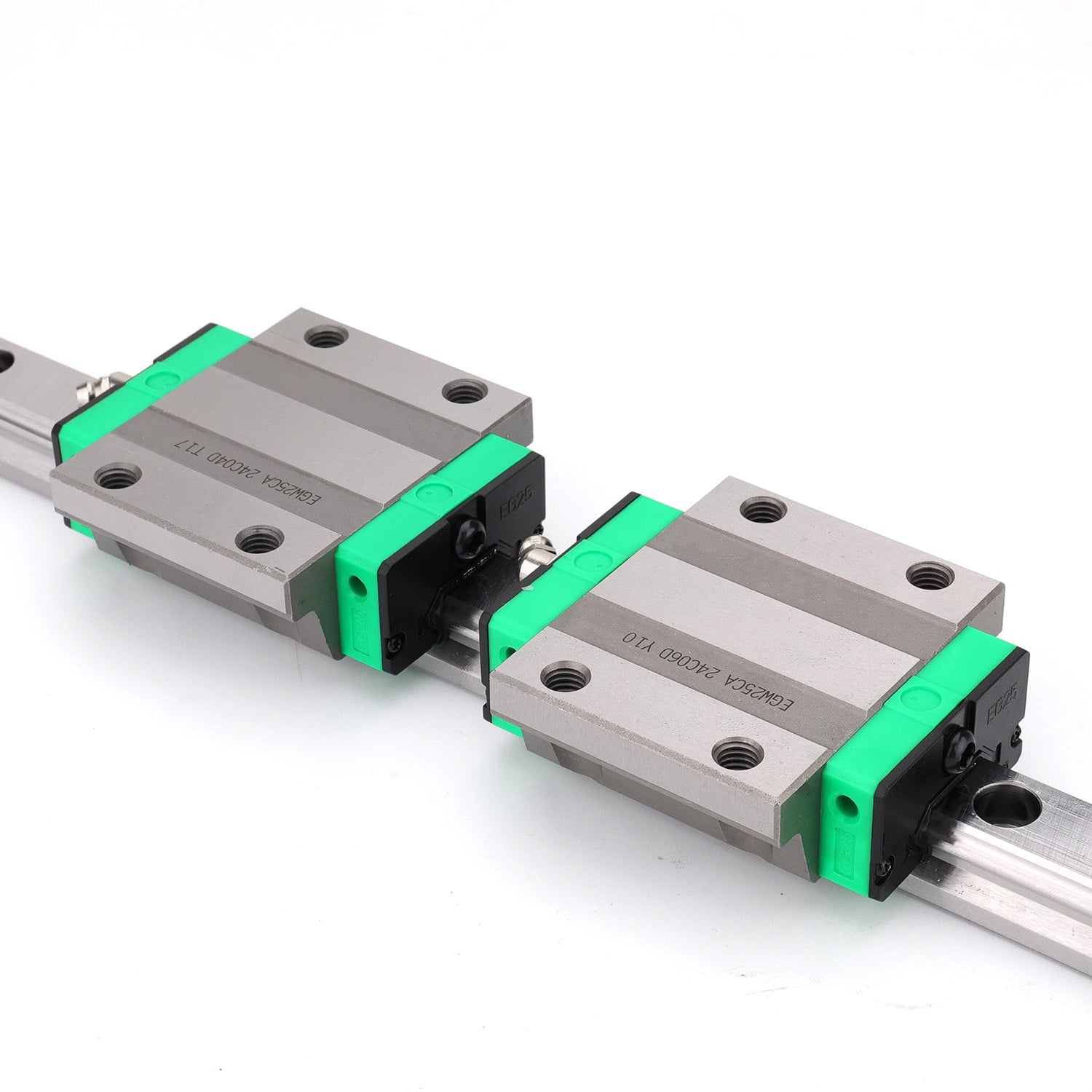
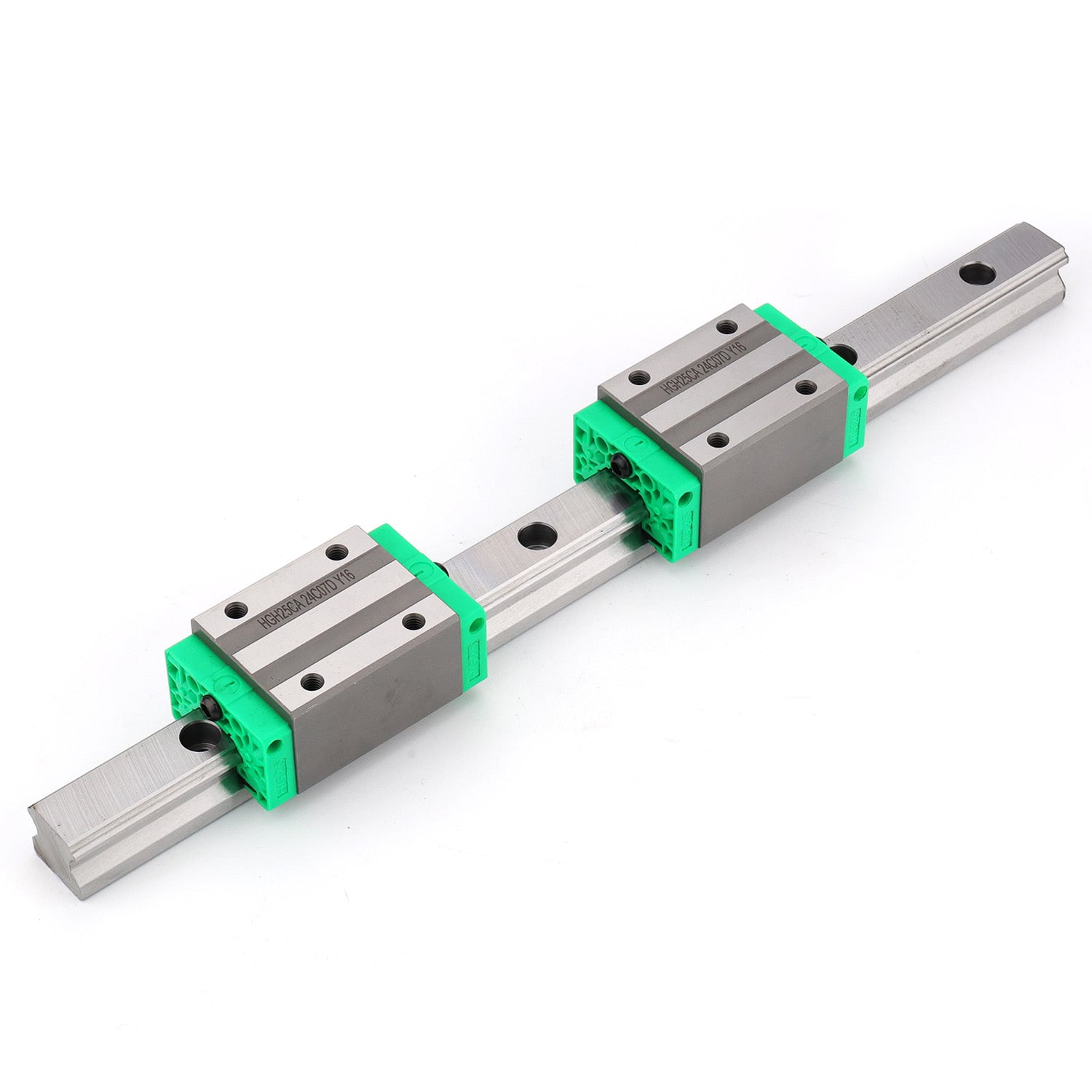
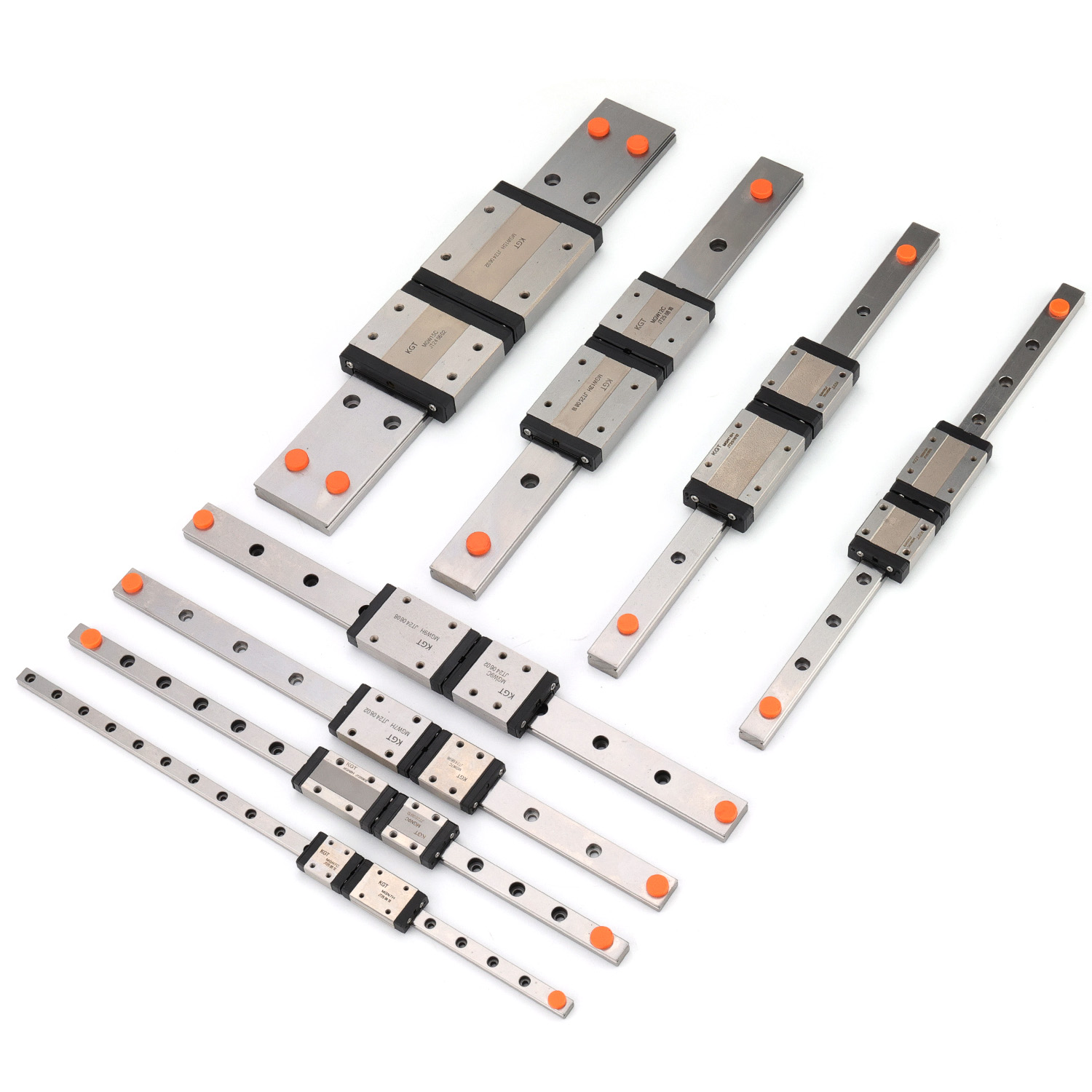
Miniature linear guides are precision motion components engineered to provide smooth, accurate linear movement in confined spaces. These compact positioning systems deliver controlled motion along a single axis, making them essential for applications requiring high precision in minimal footprints. Miniature linear guides consist of a rail and carriage assembly, where hardened steel balls circulate within enclosed raceways to enable frictionless movement.
The technological features of miniature linear guides include preloaded ball bearing systems that eliminate backlash and ensure repeatable positioning accuracy. Advanced miniature linear guides incorporate corrosion-resistant coatings and sealed designs to protect internal components from contamination. These guides operate with extremely low friction coefficients, enabling smooth performance across extended operational cycles.
Miniature linear guides find widespread applications across medical devices, laboratory automation, semiconductor manufacturing, and optical alignment systems. Their compact design makes miniature linear guides ideal for robotic arms, positioning stages, and precision instrumentation where space constraints demand innovative engineering solutions. The modular nature of miniature linear guides allows engineers to combine multiple units for multi-directional motion systems.
Key advantages include exceptional load capacity relative to their diminutive size, predictable motion characteristics, and long service life. Modern miniature linear guides support both horizontal and vertical installations while maintaining consistent performance. Their standardized mounting interfaces facilitate quick integration into existing equipment, reducing development timelines and manufacturing costs significantly.

 EN
EN