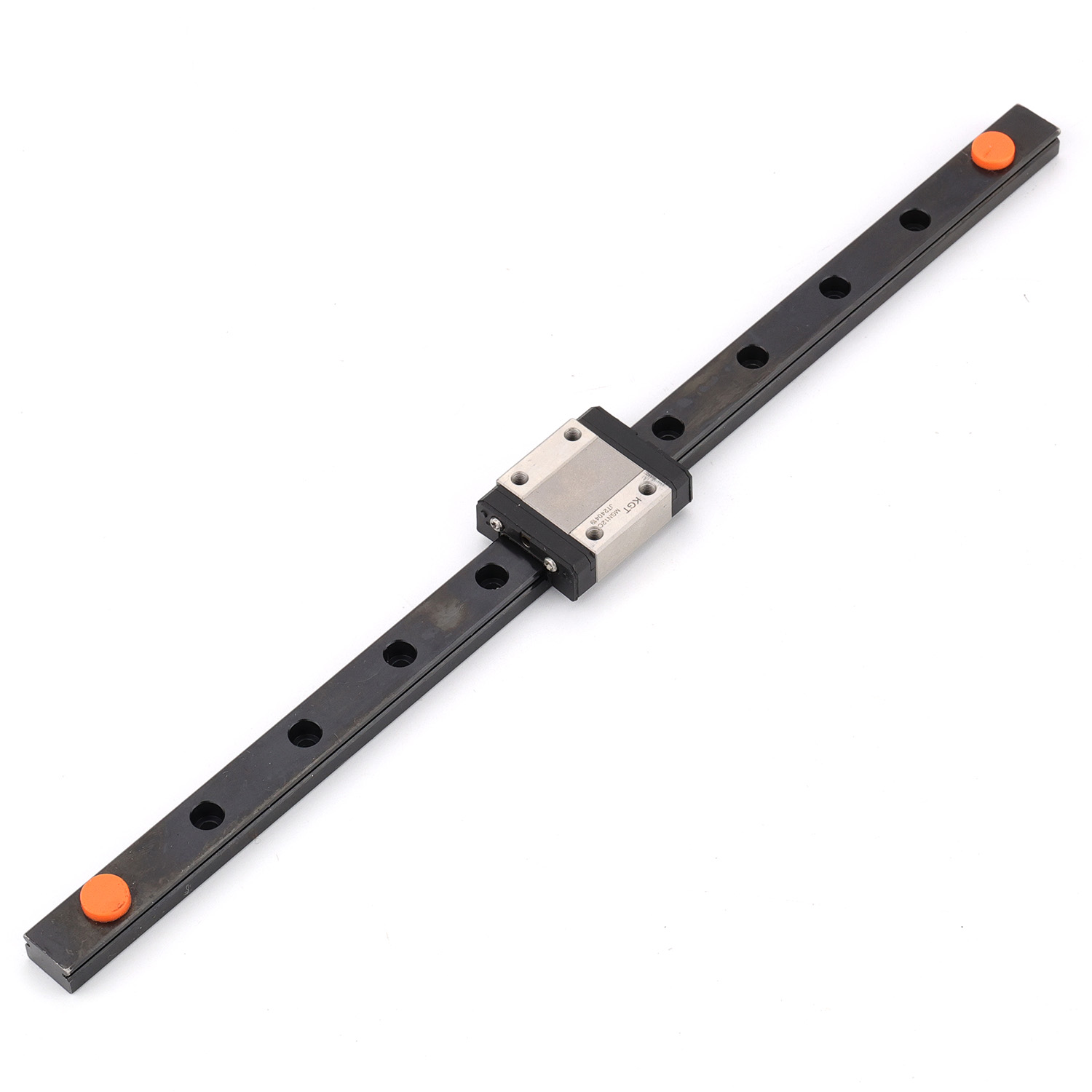
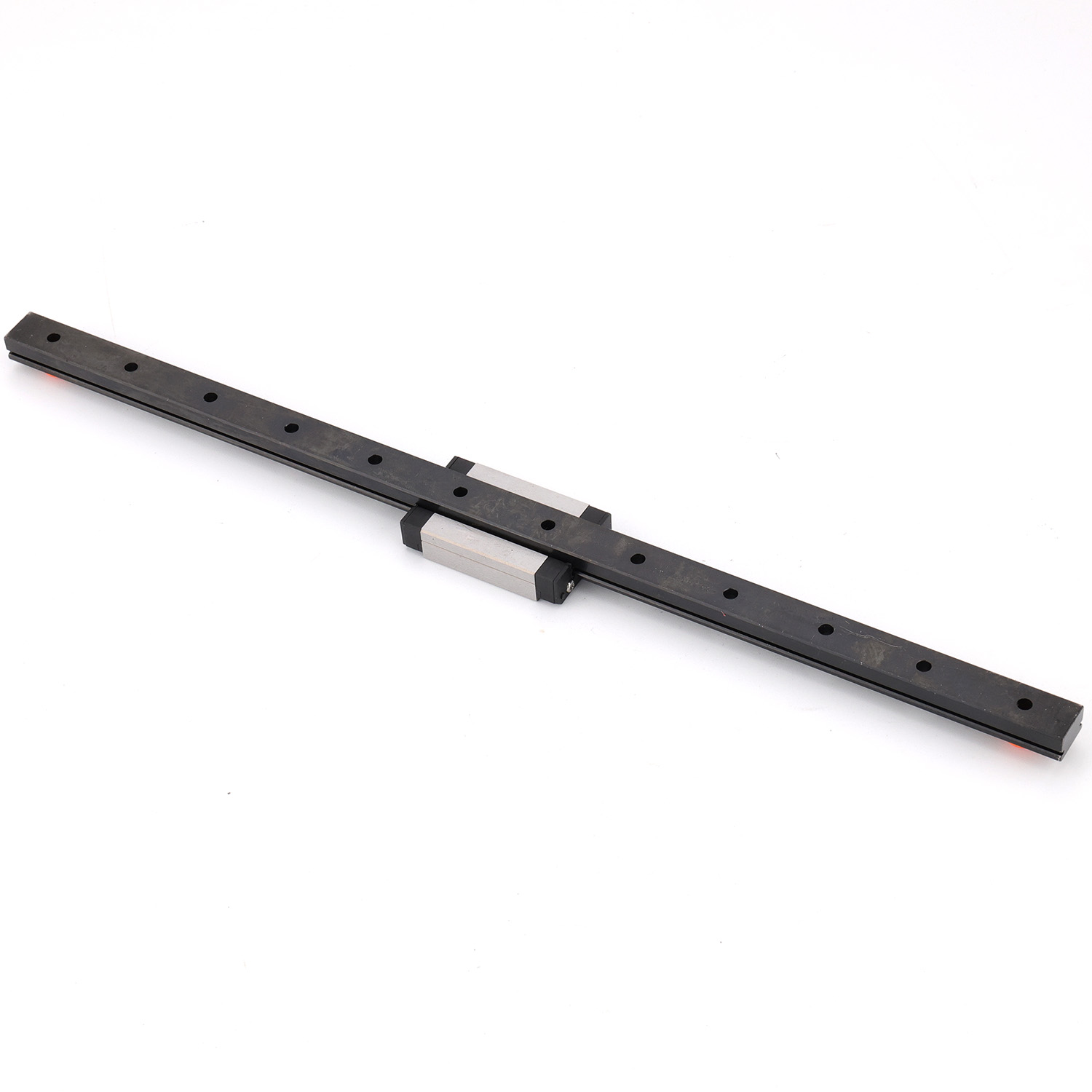
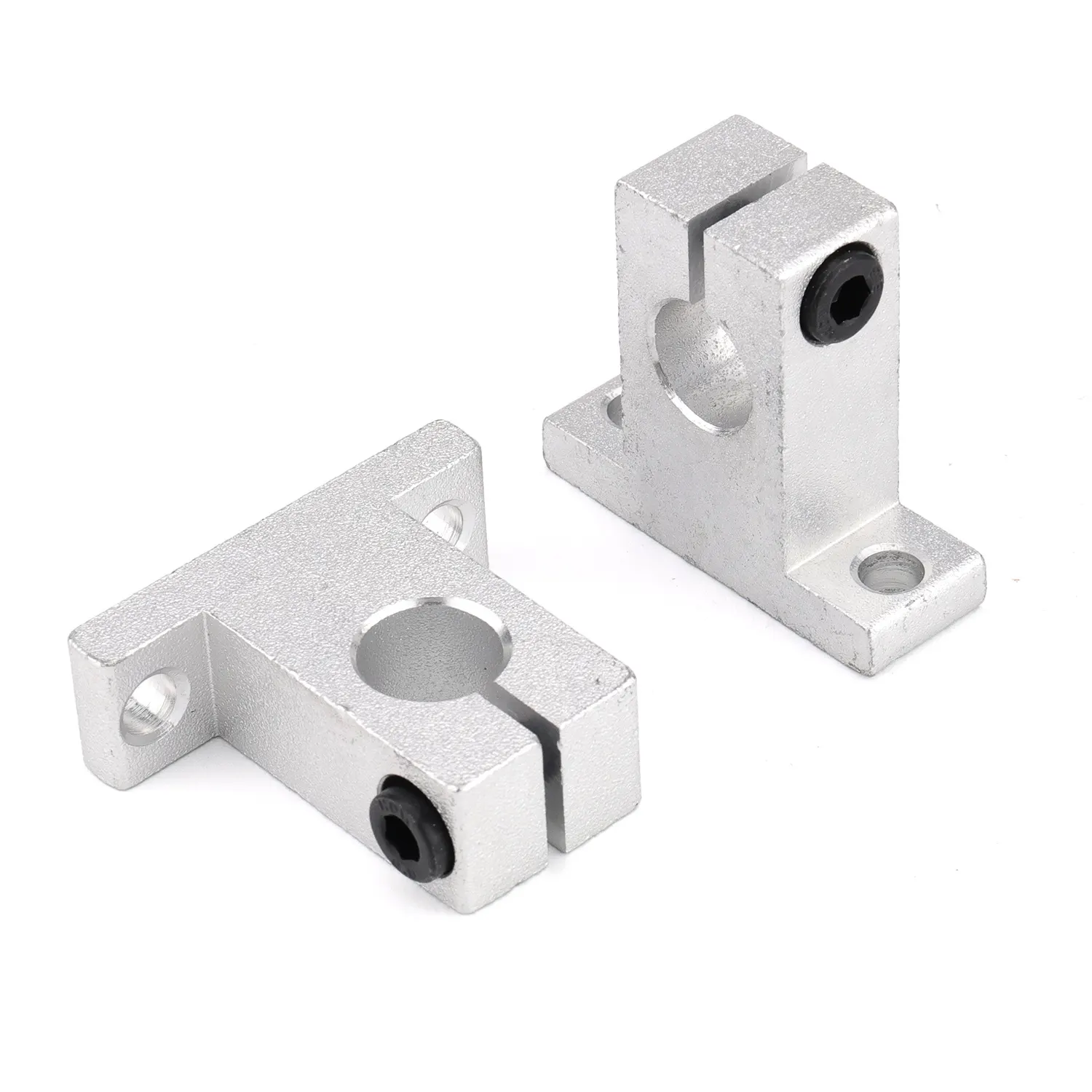
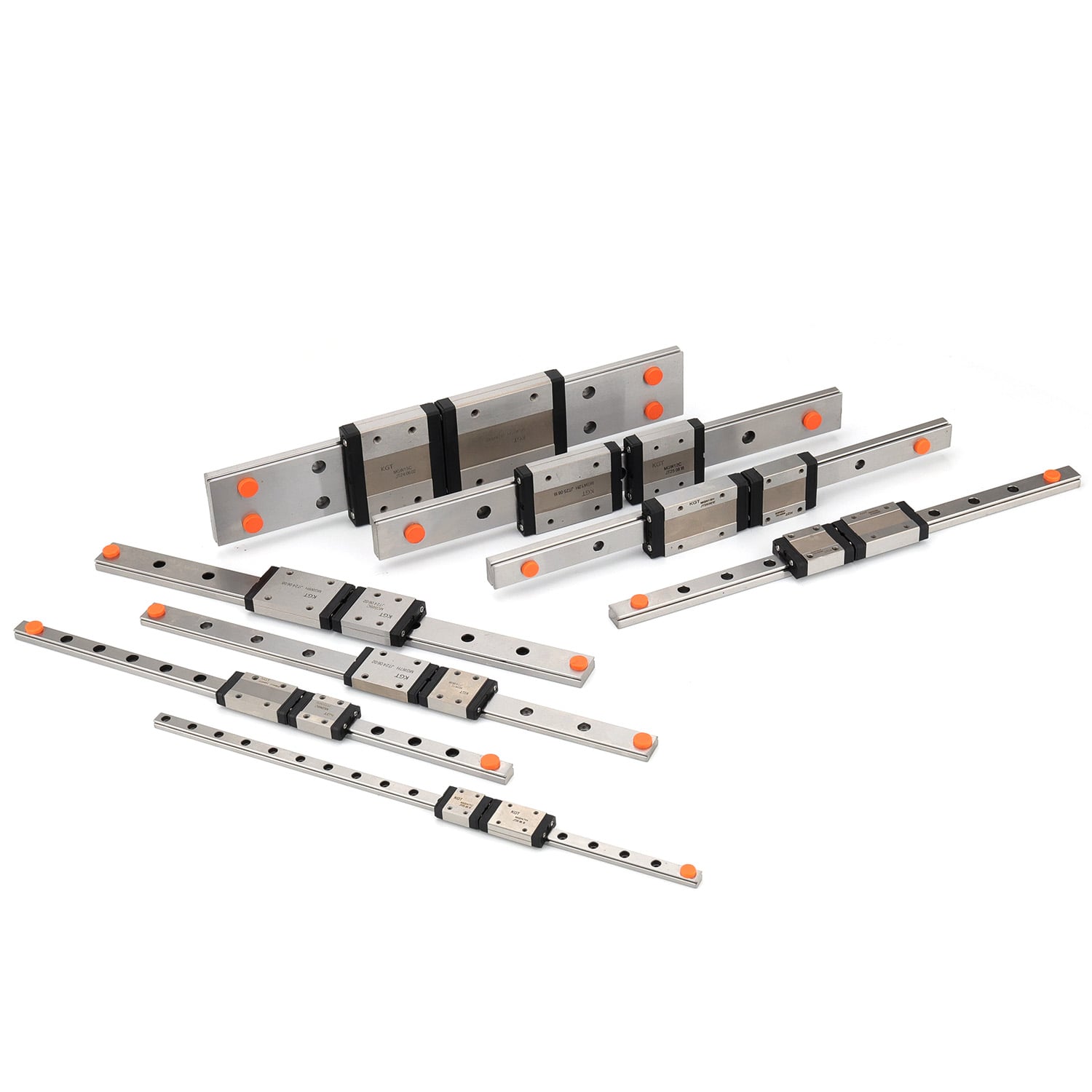
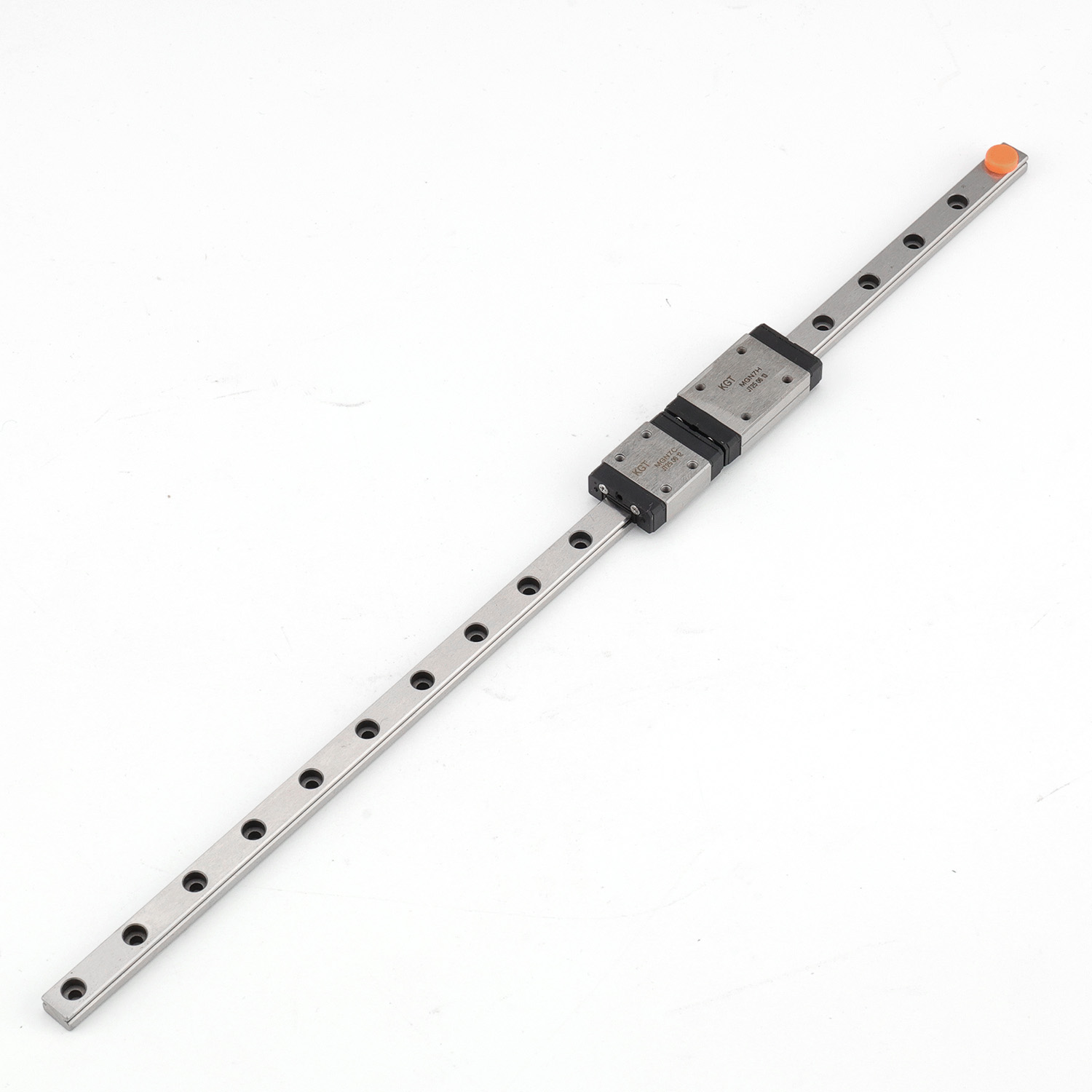
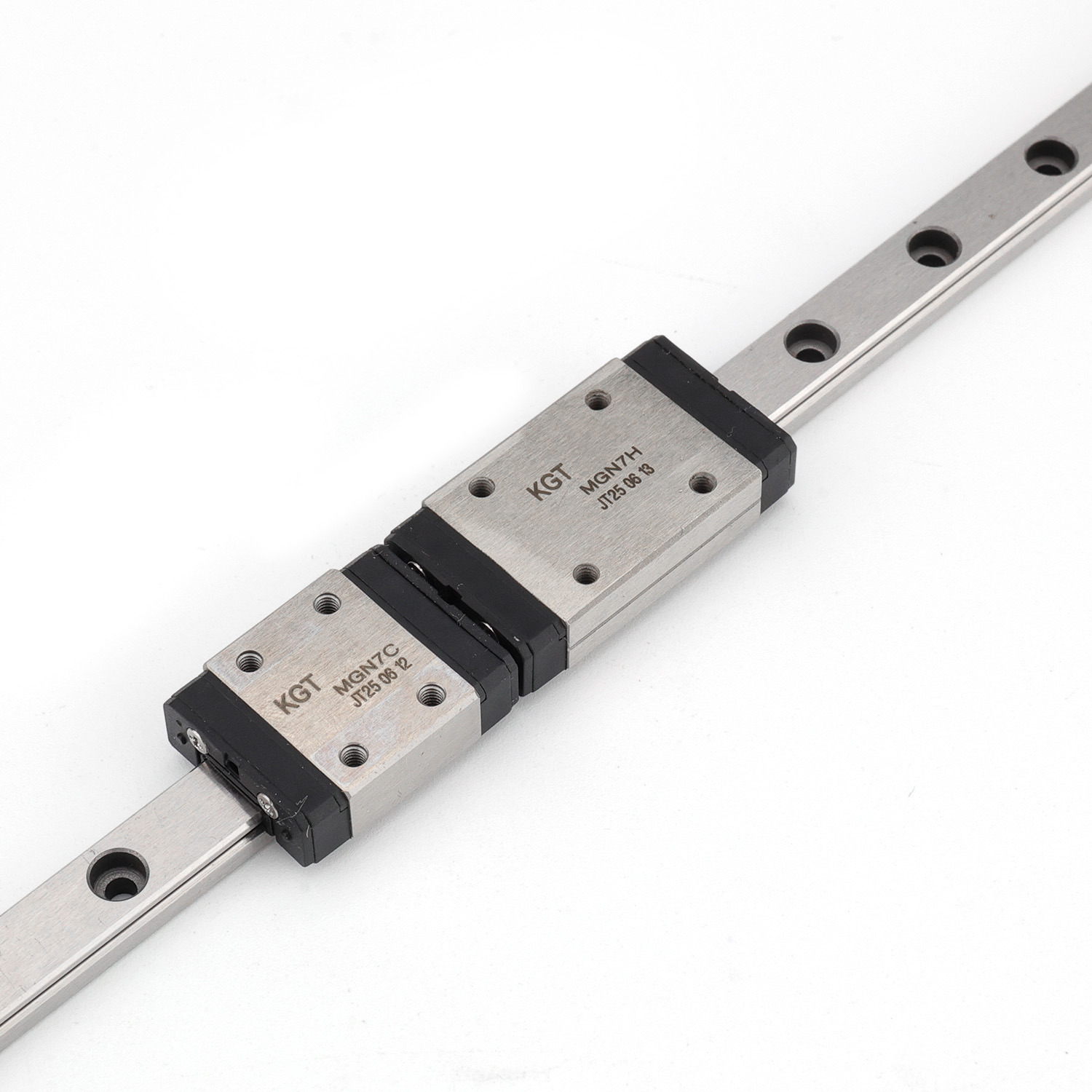
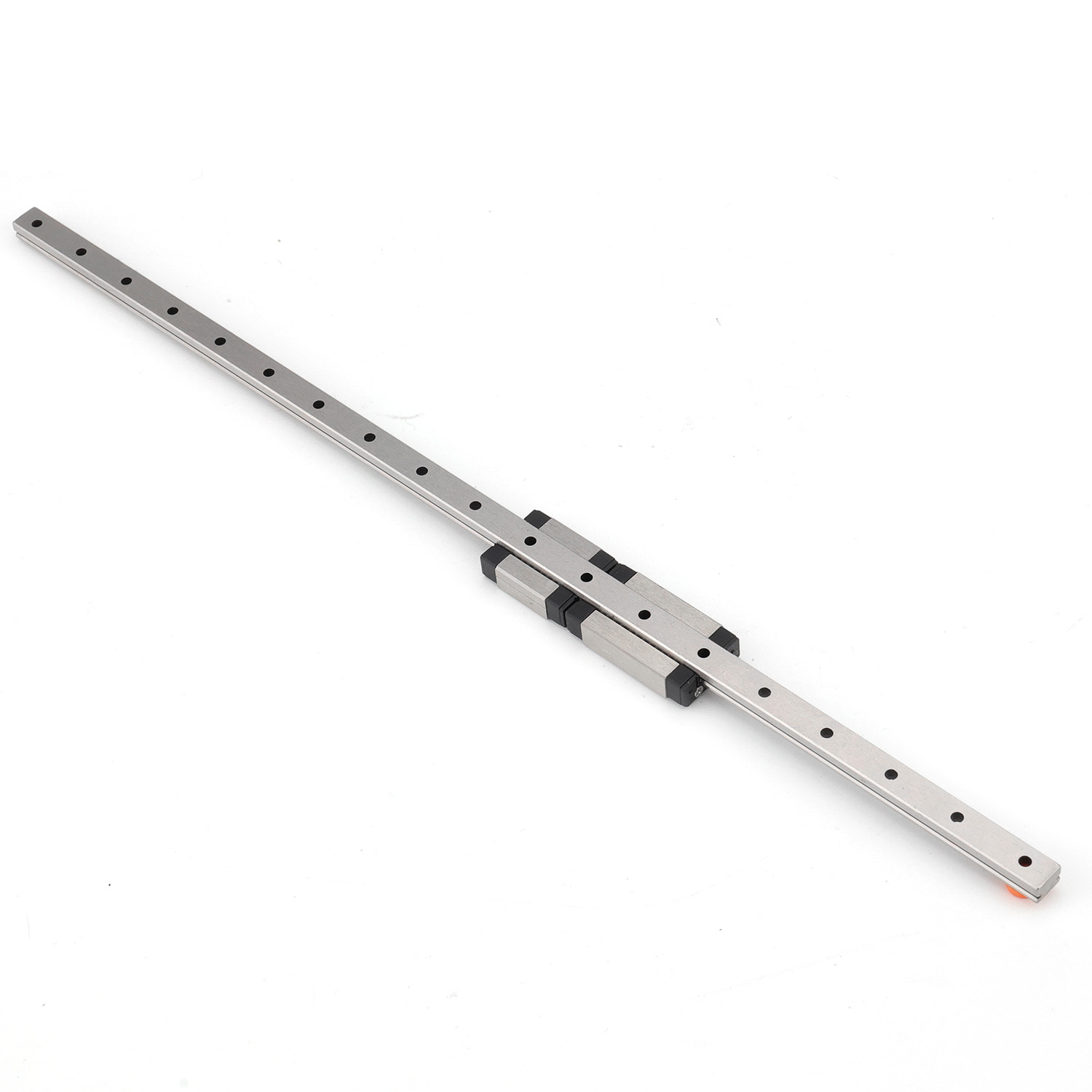
Premium Bearing Guides: Precision Linear Motion Solutions for Industrial Applications

All Categories

Get a Free Quote

Our representative will contact you soon.
Email
Name
Company Name
Message
0/1000

bearing guides

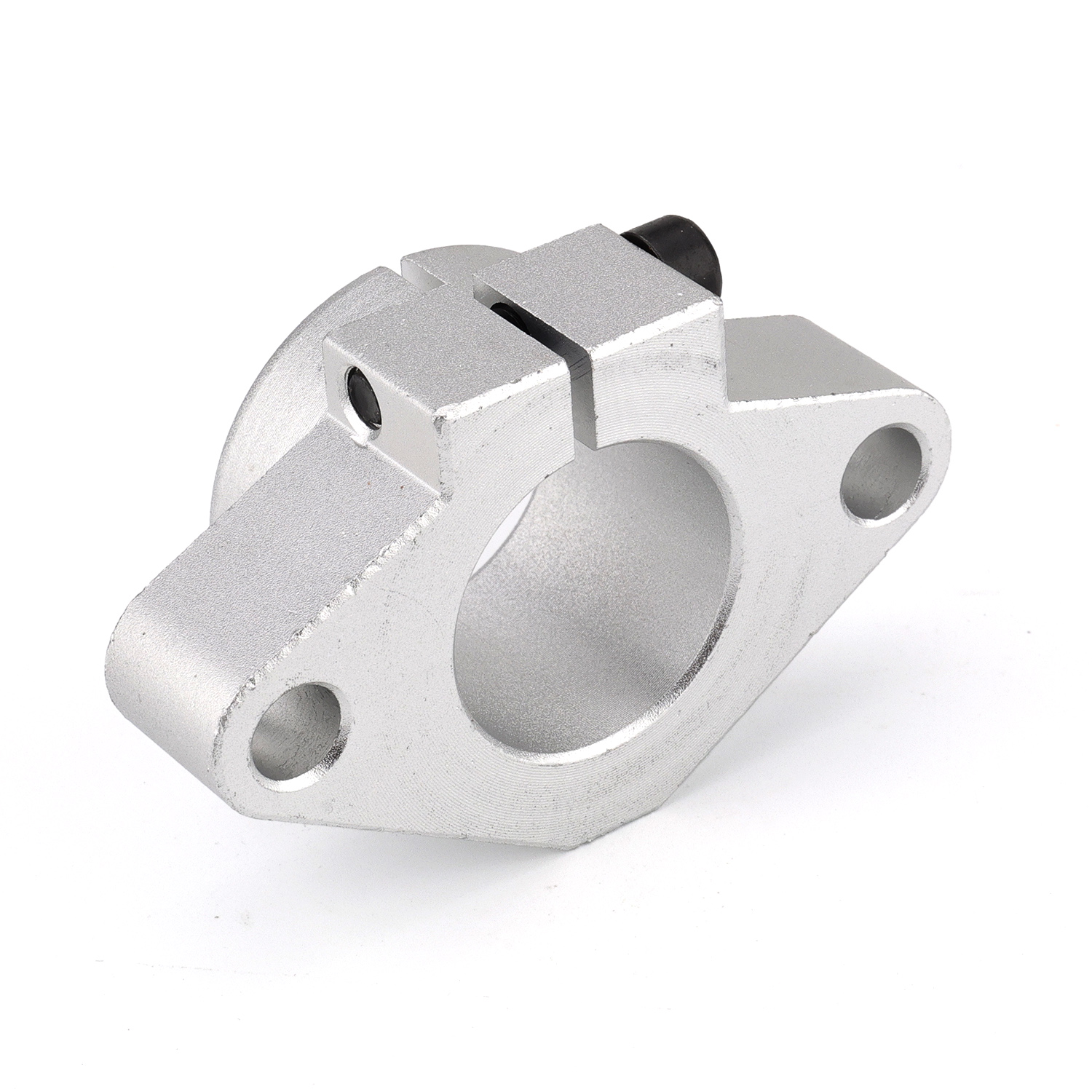
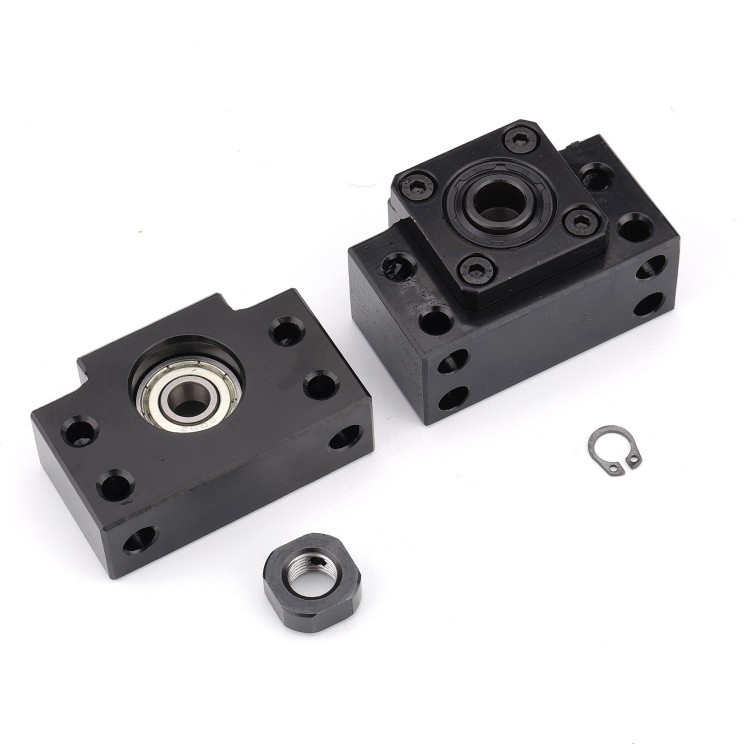
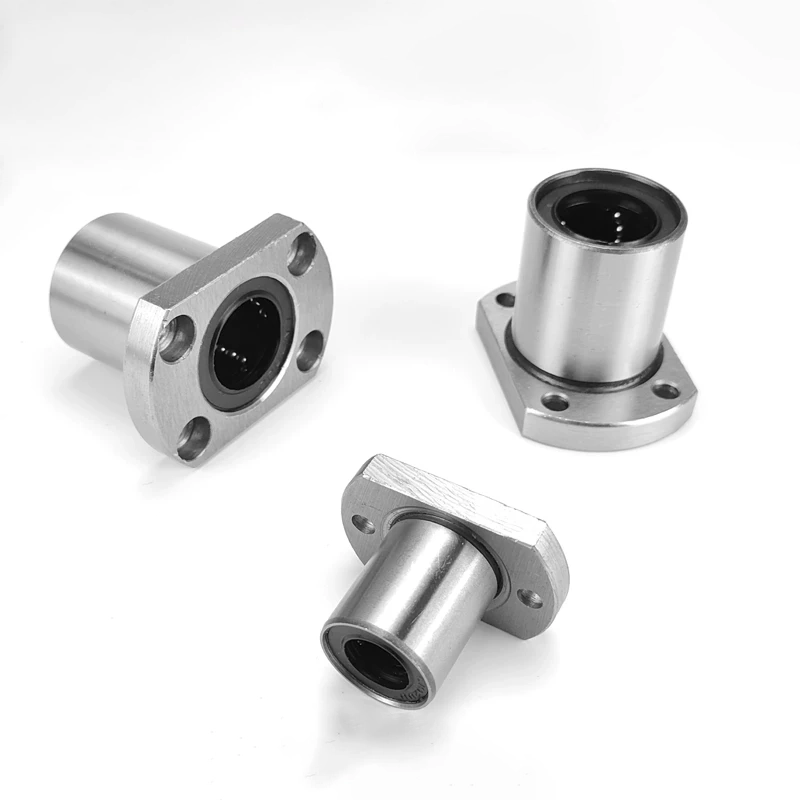
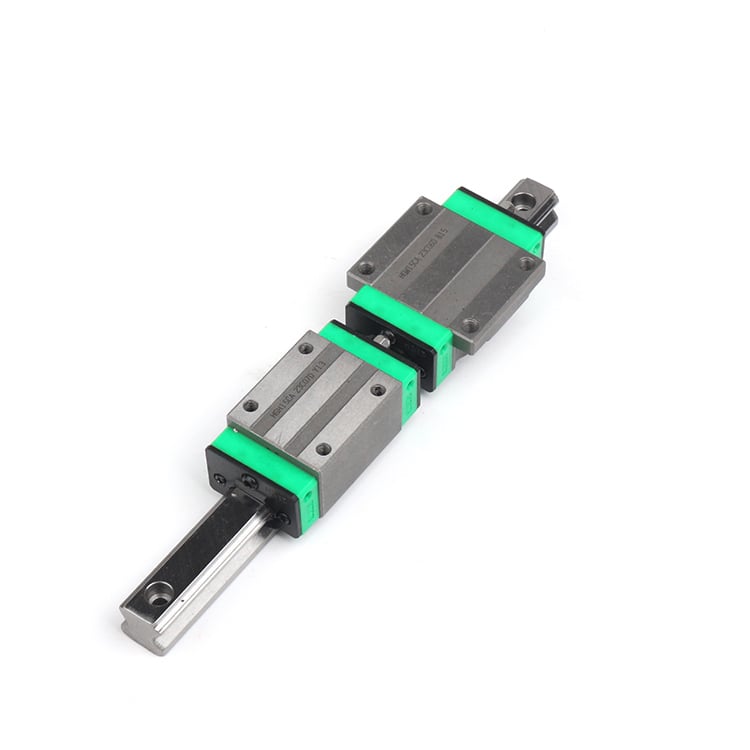
Bearing guides represent essential mechanical components that facilitate smooth linear motion in various industrial applications. These precision-engineered devices serve as critical elements in machinery systems where accurate positioning and reliable movement control are paramount. Bearing guides function by providing a structured pathway for moving components, ensuring they maintain proper alignment while minimizing friction and wear during operation. The primary function of bearing guides involves supporting and directing linear motion along predetermined paths, making them indispensable in manufacturing equipment, automation systems, and precision machinery. These components incorporate advanced materials and engineering principles to deliver consistent performance under demanding operational conditions. The technological features of modern bearing guides include integrated lubrication systems, corrosion-resistant coatings, and precision-machined surfaces that maintain tight tolerances. Many bearing guides utilize advanced bearing technologies such as ball bearings, roller bearings, or plain bearings depending on specific application requirements. The design typically incorporates hardened steel rails or tracks combined with bearing blocks or carriages that travel along these guides with minimal resistance. Temperature compensation features ensure dimensional stability across varying operational environments, while sealed designs protect internal components from contamination. Applications for bearing guides span numerous industries including automotive manufacturing, aerospace, medical equipment, packaging machinery, and robotics. In CNC machining centers, bearing guides enable precise tool positioning and workpiece manipulation. Assembly line equipment relies on these components for consistent product handling and positioning. Laboratory instruments and measuring devices utilize bearing guides to achieve the accuracy required for scientific applications. The versatility of bearing guides makes them suitable for both light-duty applications requiring smooth operation and heavy-duty industrial environments demanding exceptional load capacity and durability.

New Product Releases

Bearing guides deliver substantial benefits that directly impact operational efficiency and cost-effectiveness for businesses across multiple industries. The primary advantage lies in their ability to provide exceptionally smooth linear motion, which translates to improved product quality and reduced operational noise levels. This smoothness eliminates stick-slip motion that can cause vibrations and positioning errors in sensitive applications. Enhanced precision represents another significant benefit, as bearing guides maintain consistent positioning accuracy over extended operating periods. This reliability reduces product defects and minimizes the need for frequent recalibration of equipment. The durability of quality bearing guides significantly reduces maintenance requirements and extends equipment lifespan. Users experience fewer breakdowns and unplanned downtime, which directly impacts productivity and profitability. The load-carrying capacity of modern bearing guides allows them to handle substantial weights while maintaining smooth operation, making them suitable for heavy-duty applications that would overwhelm lesser components. Installation simplicity provides immediate value to customers, as most bearing guides feature standardized mounting configurations that integrate easily with existing equipment. This compatibility reduces installation time and associated labor costs. The sealed designs of many bearing guides protect internal components from dust, debris, and moisture, ensuring consistent performance in challenging environments. This protection reduces the frequency of maintenance interventions and extends operational life. Energy efficiency represents another key advantage, as the low friction characteristics of bearing guides reduce power consumption compared to alternative motion systems. This efficiency translates to lower operating costs over the equipment's lifetime. The modular design of many bearing guide systems allows for easy expansion or modification of existing installations without complete system replacement. Customers can adapt their equipment to changing production requirements without major capital investments. Quality bearing guides also provide consistent performance across wide temperature ranges, ensuring reliable operation in various environmental conditions. The standardization of bearing guide interfaces facilitates easy replacement and upgrading, providing long-term flexibility for equipment owners. These combined advantages make bearing guides an intelligent investment that delivers measurable returns through improved efficiency, reduced maintenance costs, and enhanced operational reliability.

Practical Tips

What is a linear bearing and how does it work in 2026?

19

Jan

What is a linear bearing and how does it work in 2026?

A linear bearing represents one of the most fundamental mechanical components in modern industrial automation and precision machinery. These specialized devices enable smooth, controlled linear motion along a predetermined path, making them indispens...
View More
Space-Saving Design: Integrated Rail Linear Solutions with Custom Drilling and Black Oxide Treatment.

04

Mar

Space-Saving Design: Integrated Rail Linear Solutions with Custom Drilling and Black Oxide Treatment.

Modern manufacturing environments demand precision components that maximize efficiency while minimizing spatial footprints. Rail linear systems have revolutionized industrial automation by providing smooth, accurate motion control in compact configur...
View More
Engineer for Reliability: Precision-Crafted Slide Linear Systems with Custom Drilling and Quality Plating.

10

Mar

Engineer for Reliability: Precision-Crafted Slide Linear Systems with Custom Drilling and Quality Plating.

Engineering reliable motion control systems requires precision-crafted slide linear components that meet exacting industrial standards. When manufacturing equipment demands consistent linear motion over millions of cycles, the quality of slide linear...
View More
Maximize Value for Large Projects: Economical Custom Black Oxide Slide Rails for Volume OEM Orders.

07

Apr

Maximize Value for Large Projects: Economical Custom Black Oxide Slide Rails for Volume OEM Orders.

Large-scale OEM projects demand precision components that balance quality with cost-effectiveness, making slide rail selection a critical decision for manufacturing success. When volume requirements reach hundreds or thousands of units, traditional p...
View More

Get a Free Quote

Our representative will contact you soon.
Email
Name
Company Name
Message
0/1000

bearing guides

Superior Load Capacity and Structural Integrity

Superior Load Capacity and Structural Integrity

The exceptional load-carrying capabilities of premium bearing guides represent a fundamental advantage that sets them apart from conventional linear motion solutions. These components are engineered to handle substantial radial, axial, and moment loads while maintaining precise positioning accuracy throughout their operational range. The structural design incorporates reinforced bearing blocks and hardened guide rails that distribute loads evenly across multiple contact points, preventing stress concentrations that could lead to premature failure. Advanced materials such as case-hardened steel and specialized alloys provide the strength necessary to support heavy machinery components without deformation or wear. The multi-point contact design ensures load distribution across the entire bearing guide length, maximizing stability and minimizing deflection under load. This capability proves particularly valuable in heavy industrial applications where equipment must handle large workpieces or operate under significant external forces. The robust construction includes oversized bearing elements that provide safety margins well beyond typical operating loads, ensuring reliable performance even under unexpected load conditions. Quality bearing guides undergo rigorous testing to verify their load ratings, providing customers with confidence in their performance specifications. The structural integrity extends to dynamic loading conditions, where bearing guides maintain their performance characteristics even under rapidly changing loads or impact conditions. This durability translates to reduced maintenance costs and extended equipment life, as the bearing guides resist wear and maintain their precision over millions of operating cycles. The enhanced load capacity also enables equipment designers to create more compact systems, as the bearing guides can handle greater loads in smaller packages compared to alternative solutions. This space efficiency provides additional value in applications where equipment footprint is critical. The reliable load-handling capability of bearing guides eliminates the need for additional support structures or reinforcement, simplifying equipment design and reducing overall system complexity. Users benefit from predictable performance characteristics that enable accurate load calculations and system optimization.
Precision Engineering and Dimensional Accuracy

Precision Engineering and Dimensional Accuracy

The precision manufacturing processes employed in creating high-quality bearing guides result in dimensional accuracy that meets the most demanding industrial applications. These components achieve tolerances measured in micrometers, ensuring consistent positioning accuracy that supports precision manufacturing and quality control requirements. The manufacturing process begins with precision-ground guide rails that maintain straightness and surface finish specifications critical for smooth operation. Advanced CNC machining centers create bearing blocks with precise internal geometries that mate perfectly with bearing elements, eliminating play and ensuring repeatable positioning. The attention to detail extends to surface treatments that provide optimal hardness gradients, ensuring wear resistance while maintaining dimensional stability over extended operating periods. Quality control processes include coordinate measuring machine verification of critical dimensions, ensuring each bearing guide meets stringent accuracy requirements before shipment. The precision extends to the bearing elements themselves, which are manufactured to extremely tight tolerances and undergo individual inspection to verify conformance to specifications. This level of precision enables bearing guides to maintain positioning accuracy within fractions of a millimeter over their entire travel range, supporting applications that require exceptional repeatability. The dimensional consistency between individual bearing guides allows for interchangeability in production environments, simplifying maintenance and inventory management. Thermal stability represents another aspect of precision engineering, as bearing guides are designed to maintain their accuracy across operating temperature ranges through careful material selection and thermal compensation features. The precision manufacturing processes also ensure consistent friction characteristics across the entire product line, enabling predictable performance in automated systems. Users benefit from the ability to achieve tight production tolerances without constant adjustment or calibration of their equipment. The dimensional accuracy of bearing guides supports the implementation of advanced manufacturing techniques such as lights-out manufacturing, where equipment must operate reliably without human intervention. This precision translates directly to improved product quality and reduced waste in manufacturing processes.
Advanced Lubrication and Maintenance Features

Advanced Lubrication and Maintenance Features

Modern bearing guides incorporate sophisticated lubrication systems and maintenance-friendly designs that significantly reduce operational costs while maximizing equipment uptime. These advanced features address one of the primary concerns in linear motion applications: maintaining consistent performance while minimizing maintenance requirements. Integrated lubrication systems deliver precisely metered amounts of lubricant to critical contact points, ensuring optimal friction characteristics throughout the operating cycle. These systems often include reservoir designs that extend lubrication intervals, reducing the frequency of maintenance interventions and associated labor costs. Self-lubricating bearing materials provide maintenance-free operation in many applications, eliminating the need for external lubrication systems entirely. The sealed designs protect internal components from contamination while retaining lubricants, extending operational life and maintaining consistent performance characteristics. Advanced seal technologies create barriers against dust, moisture, and chemical contaminants that could compromise bearing performance, while specialized wiper systems remove accumulated debris from guide surfaces. Maintenance-friendly features include easily accessible lubrication points that enable quick servicing without equipment disassembly, and modular designs that facilitate component replacement during scheduled maintenance windows. Diagnostic capabilities built into premium bearing guides provide early warning of potential issues, enabling predictive maintenance strategies that prevent unexpected failures. Condition monitoring features may include vibration sensors, temperature monitoring, and wear indicators that alert operators to changing performance characteristics. The design philosophy emphasizes accessibility, with bearing guides engineered to allow inspection and maintenance without removing surrounding equipment or disrupting production schedules. Quick-disconnect features enable rapid replacement of bearing blocks or entire guide assemblies, minimizing downtime during maintenance activities. The materials used in bearing guide construction resist corrosion and chemical attack, ensuring long service life even in challenging environments. Special coatings and treatments provide additional protection against wear and environmental degradation, extending maintenance intervals and reducing total cost of ownership. These maintenance features combine to create bearing guide systems that operate reliably with minimal intervention, supporting lean manufacturing principles and maximizing equipment availability for production activities.
Premium Bearing Guides: Precision Linear Motion Solutions for Industrial Applications

Get a Free Quote

Our representative will contact you soon.
Email
Name
Company Name
Message
0/1000