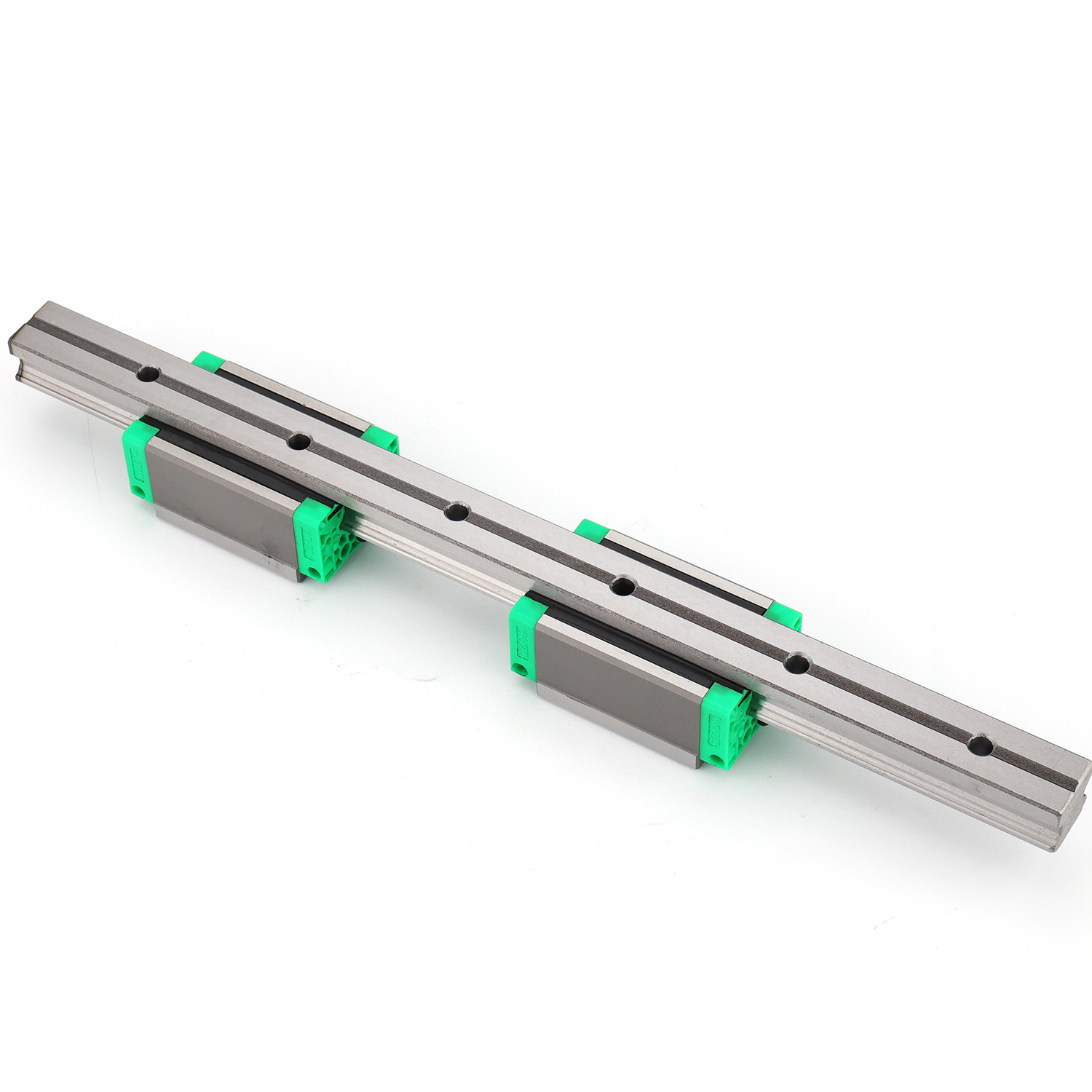
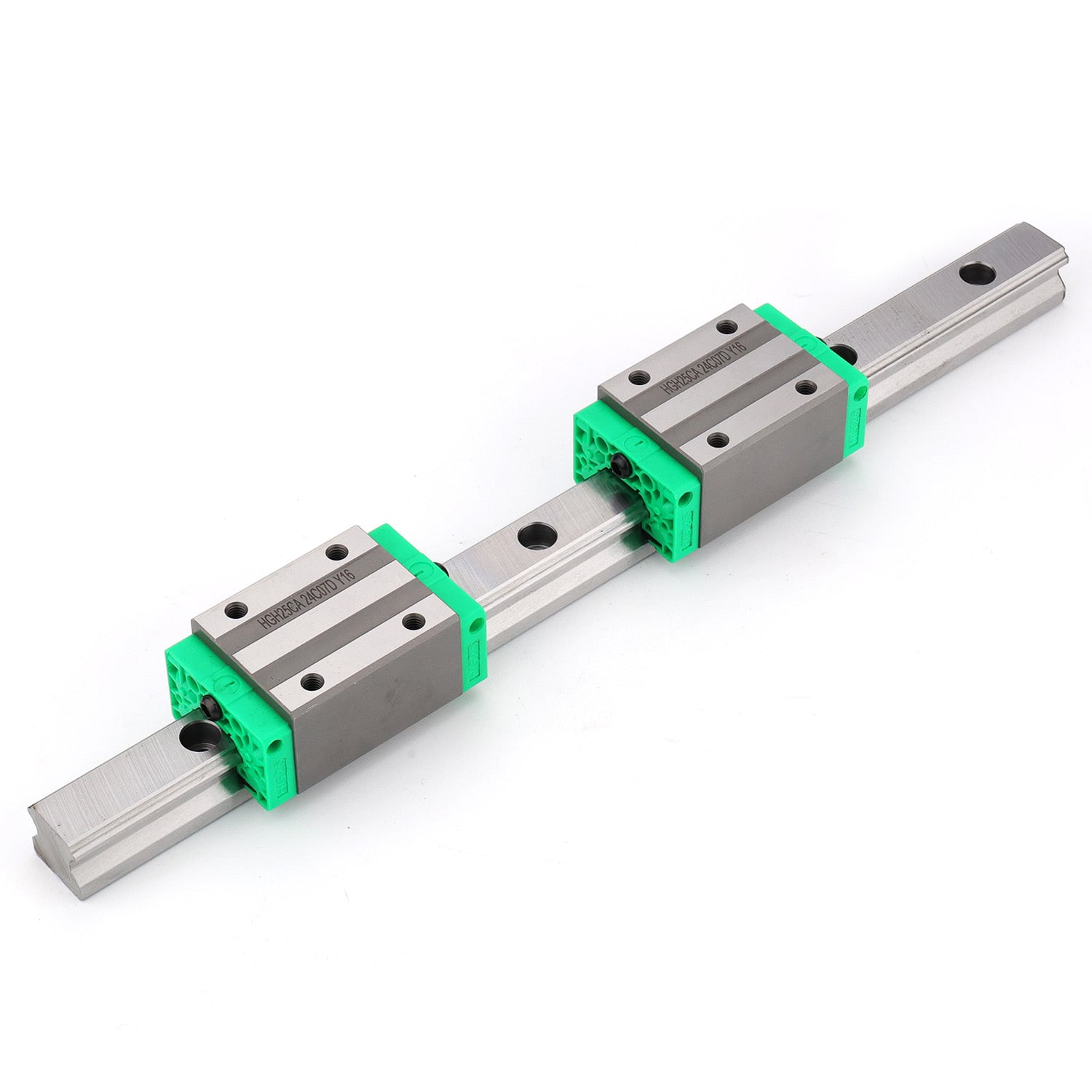
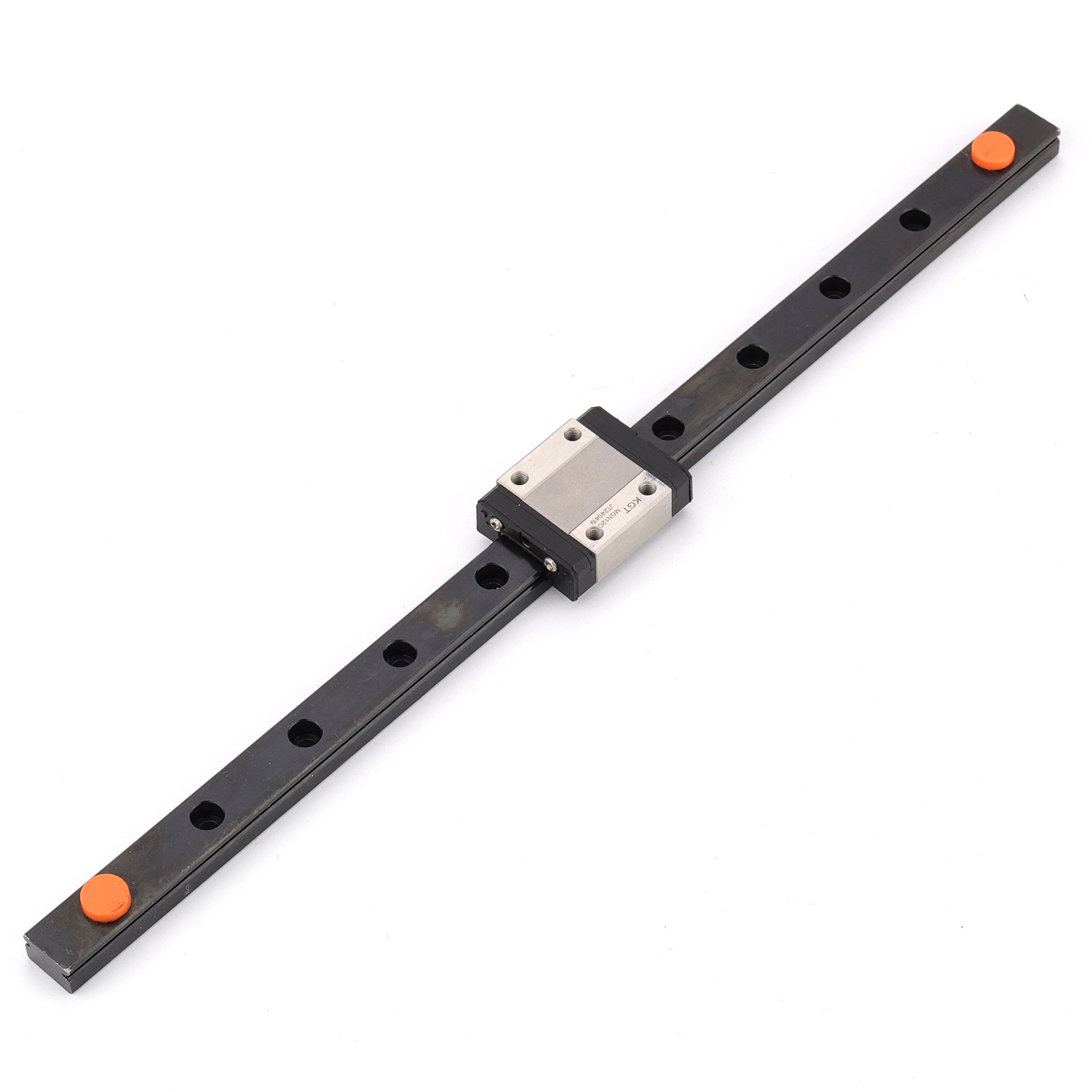
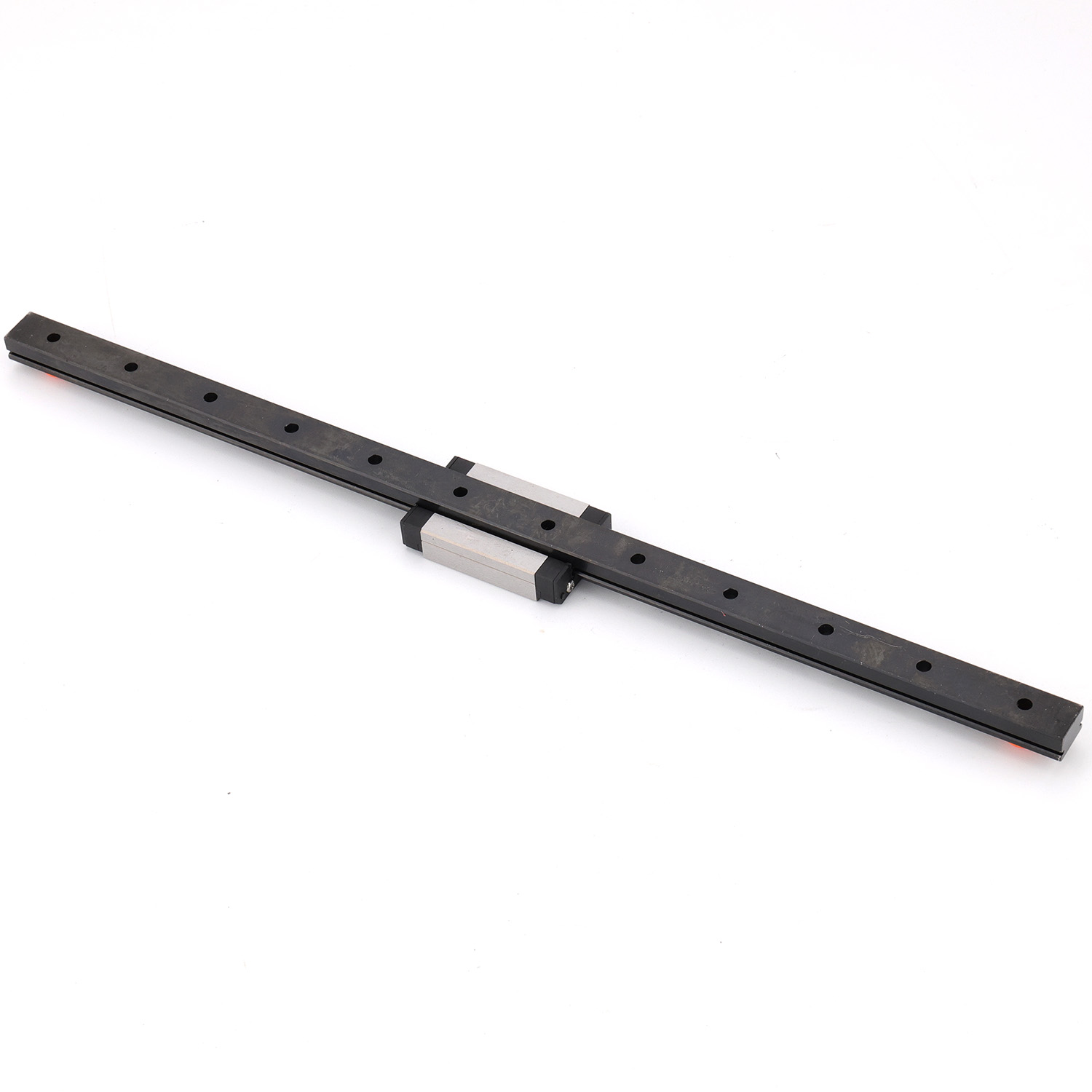
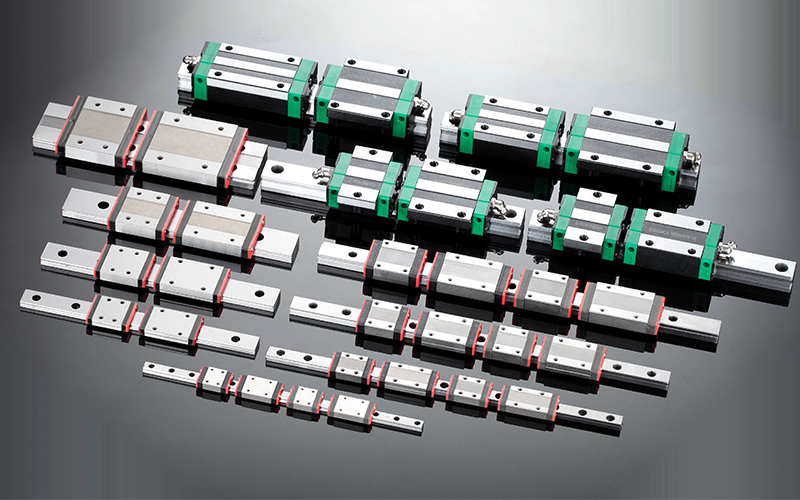
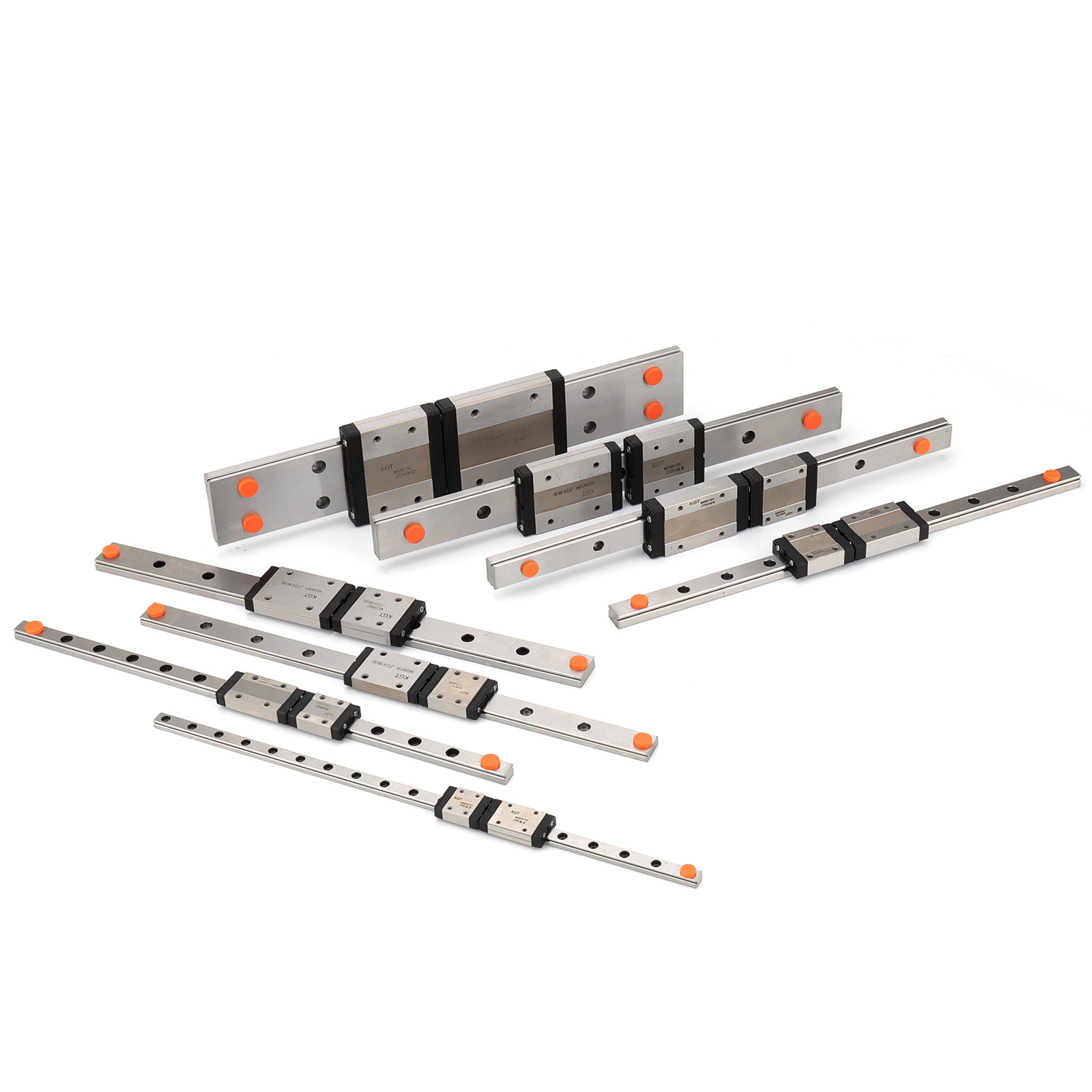
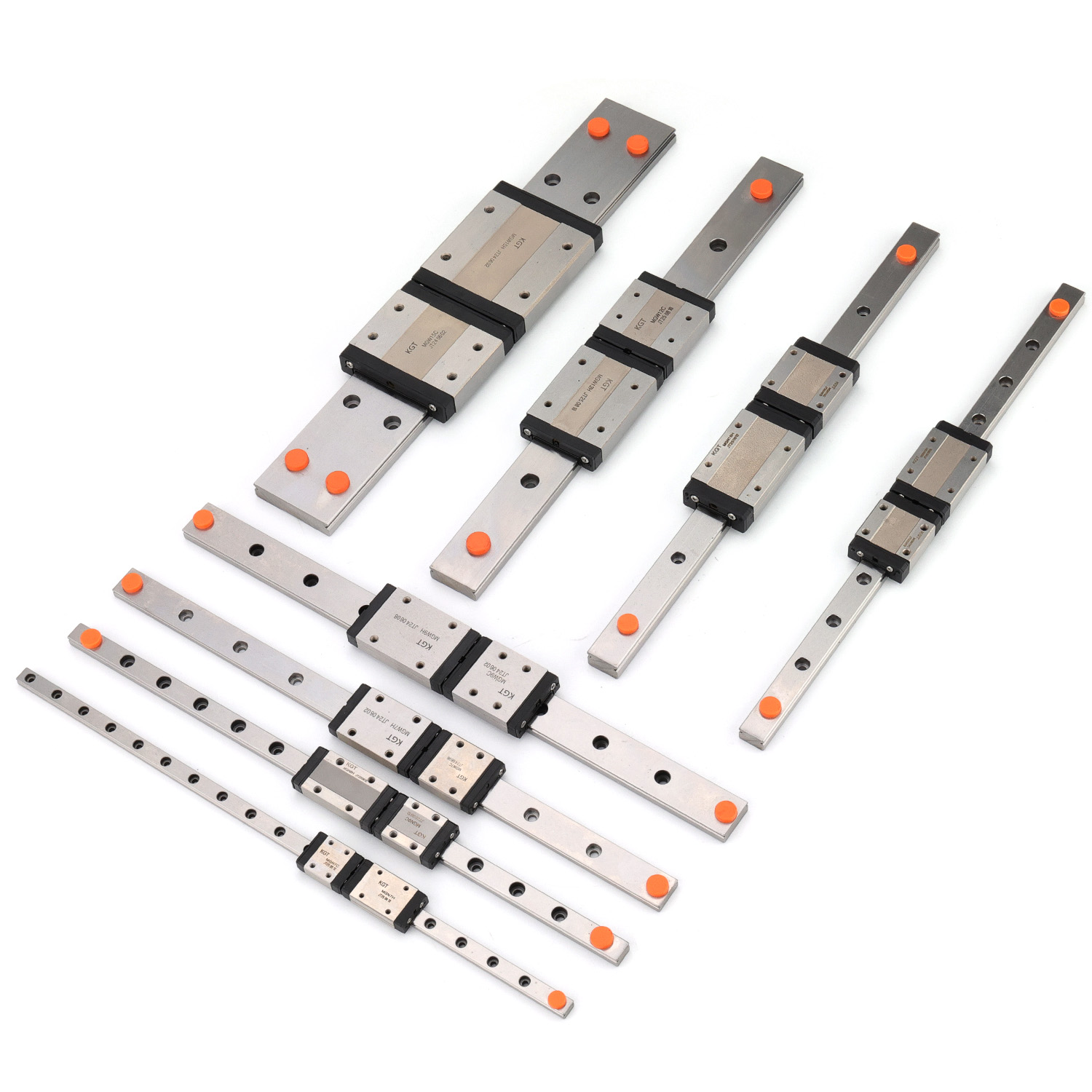
linear slide bearing system
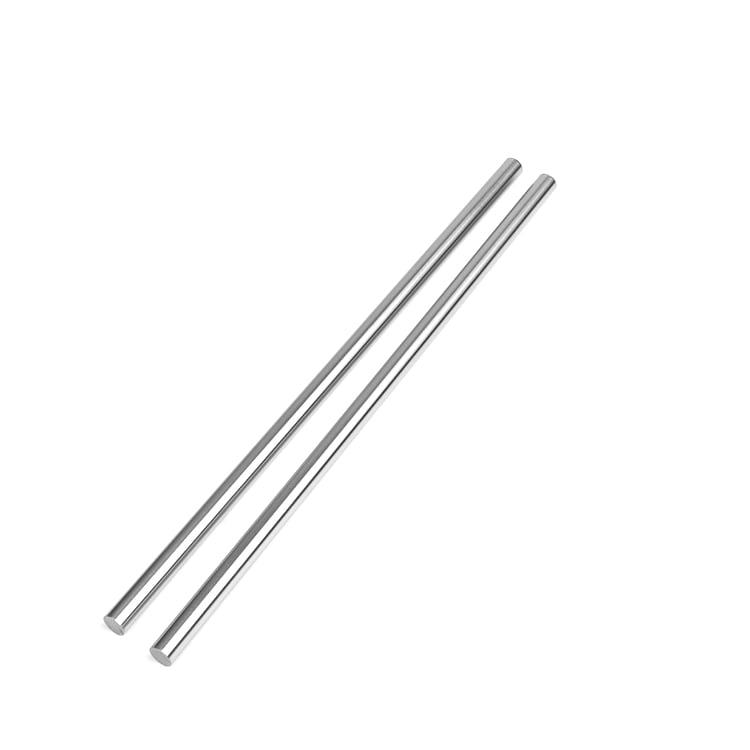
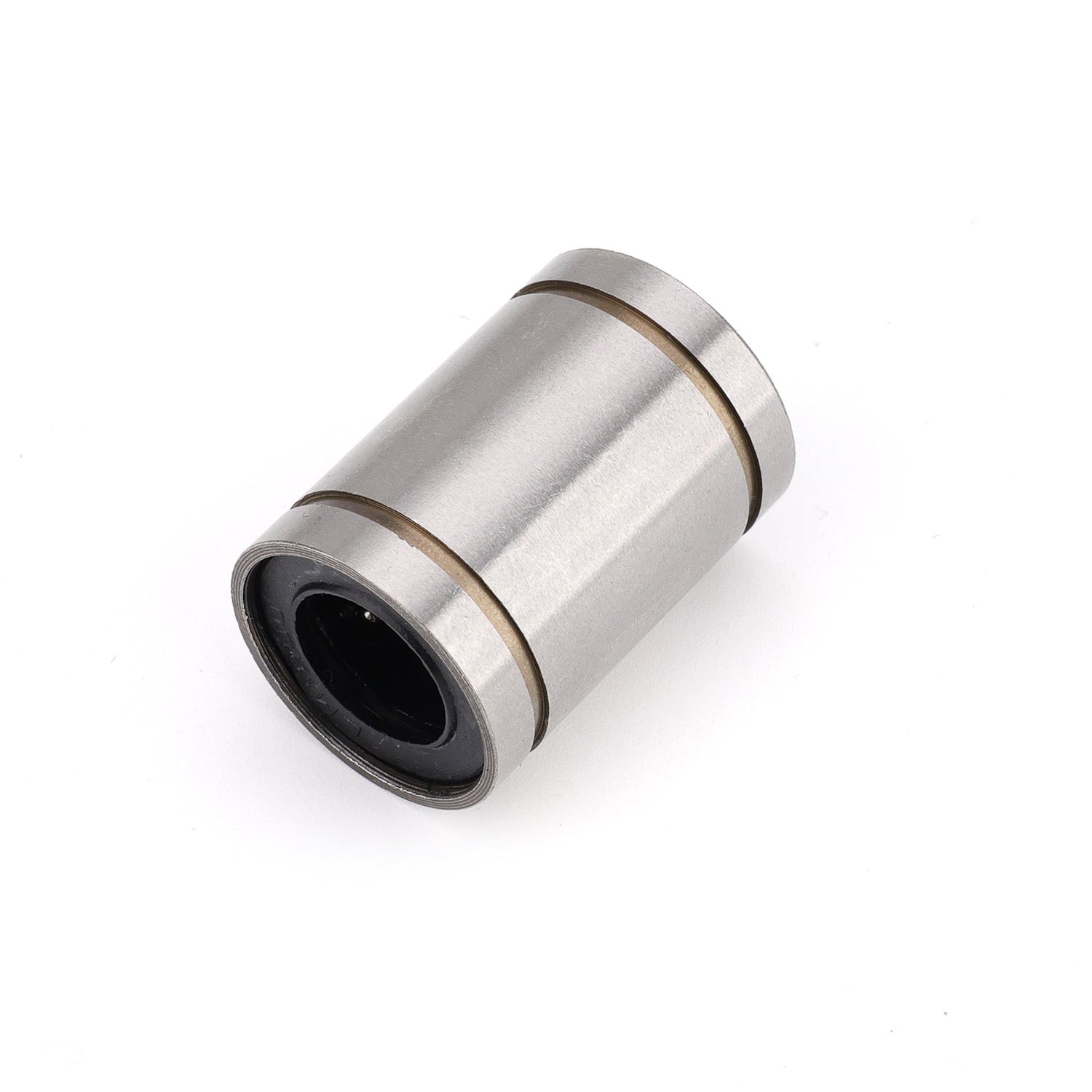
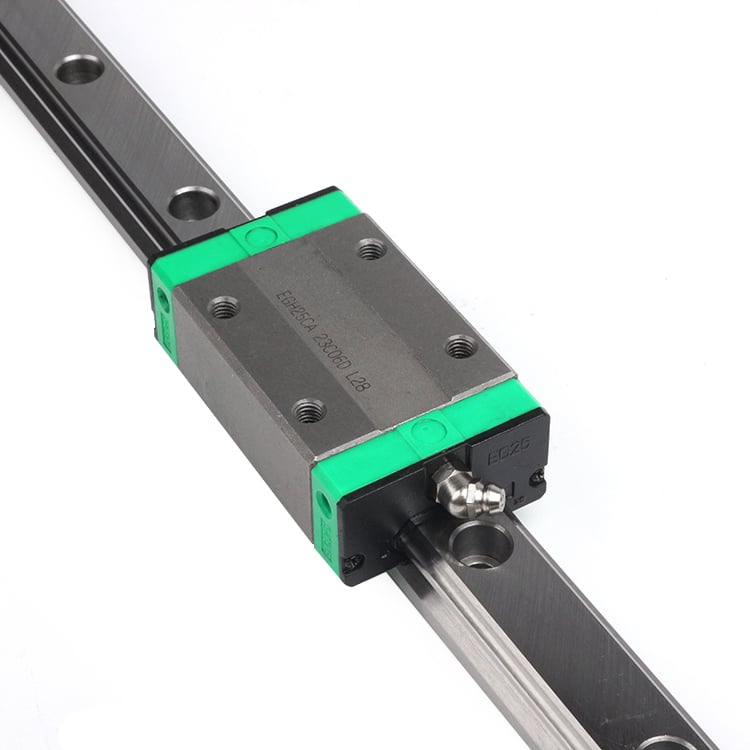
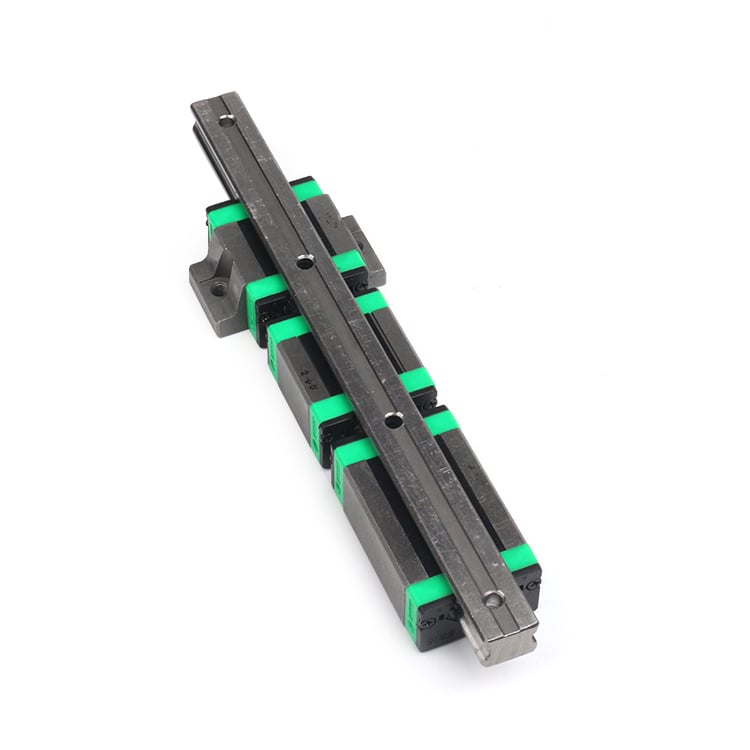
A linear slide bearing system represents a fundamental component in modern mechanical engineering, designed to enable smooth and precise linear motion across various industrial applications. This advanced system consists of precision-engineered bearings, rails, and carriages that work together to facilitate controlled movement along a straight path. The linear slide bearing system utilizes ball or roller bearings mounted on hardened steel shafts, allowing equipment to achieve exceptional accuracy and repeatability in positioning tasks.
The primary function of a linear slide bearing system is to support and guide moving components while minimizing friction and wear. By distributing loads evenly across multiple contact points, the linear slide bearing system ensures stable operation under demanding conditions. The technological features of this system include preloaded bearings that eliminate backlash, sealed enclosures that protect against contaminants, and self-aligning capabilities that compensate for minor misalignments.
Linear slide bearing systems find extensive applications across diverse industries including manufacturing, automation, medical devices, and precision instrumentation. In automotive assembly lines, these systems enable robotic arms to position components with millimeter accuracy. In semiconductor production, the linear slide bearing system maintains the critical precision required for wafer processing. Medical equipment manufacturers rely on these systems to ensure sterile, repeatable operations in surgical instruments and diagnostic devices. The versatility and reliability of the linear slide bearing system make it an indispensable choice for any application demanding smooth, accurate linear motion with minimal maintenance requirements.

 EN
EN